
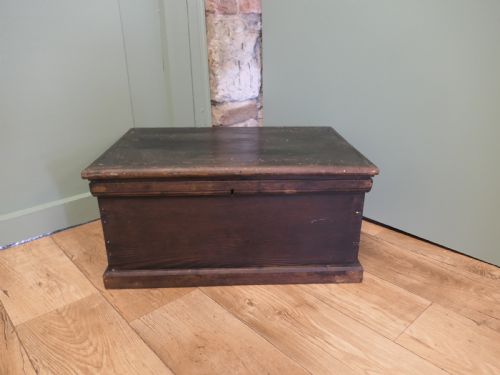
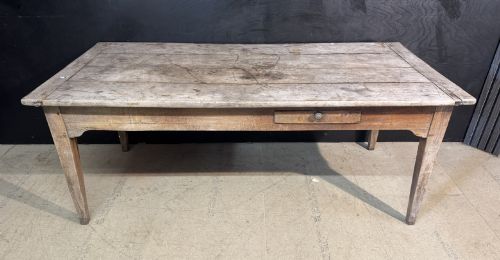
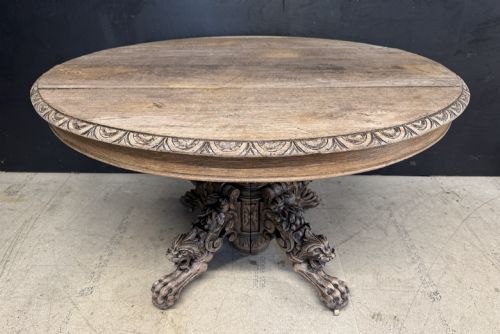
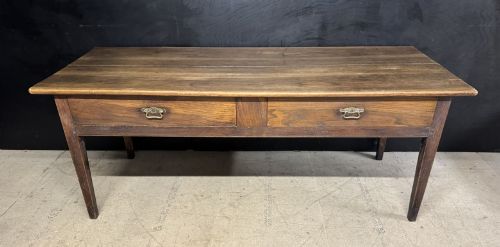
Rustic Wood Table
When you search for a rustic wood table, you are looking at solid timber furniture shaped by practical use across centuries.
Rustic Wood Table
A rustic wood table brings together centuries of utilitarian domestic design, spanning dining formats, refectory pieces, and smaller side tables. These pieces emerge across the eighteenth and nineteenth centuries, alongside Edwardian and later twentieth-century iterations.
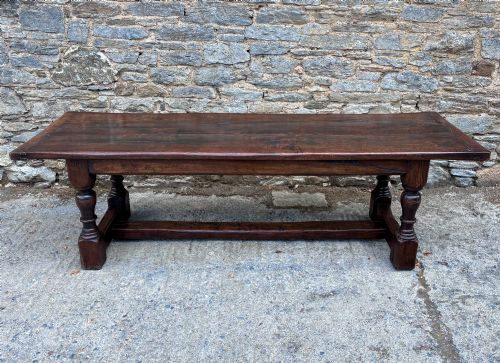
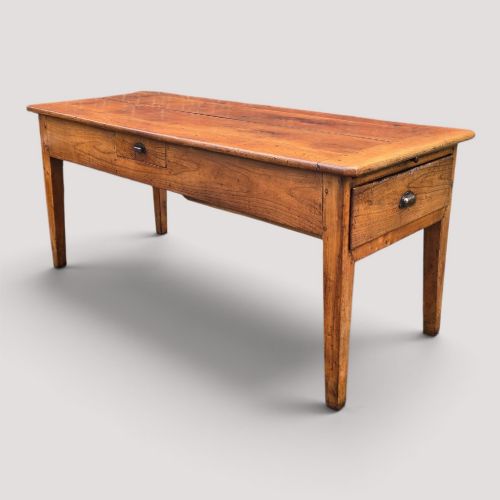
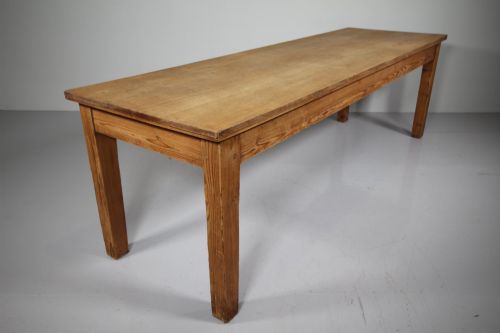
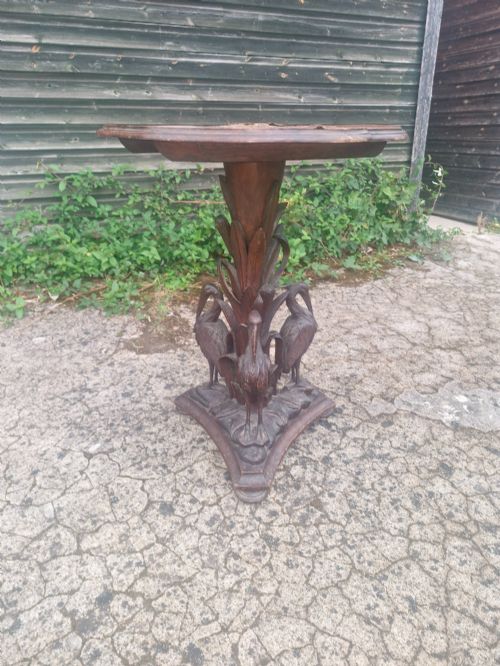
The selections here most commonly present as farmhouse and refectory dining tables, alongside occasional, console, and coffee tables. Regional variations appear in French provincial, Spanish, Italian, and English vernacular styles.
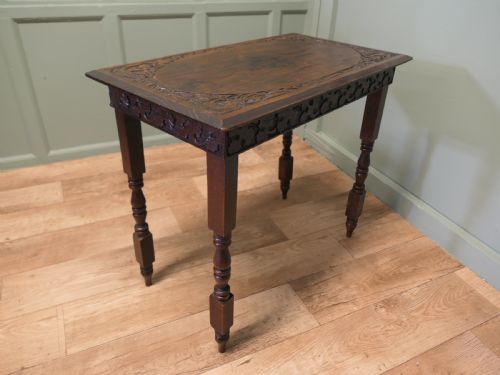
Form follows function closely, resulting in robust surfaces designed for heavy daily work in kitchens, dairies, and dining rooms. Structural details range from simple turned legs to bobbin legs and iron bases.
How They Were Made
Construction relies upon heavy timbers joined with traditional methods, often utilising single-plank tops or robust framing to support daily labour. Joinery such as pegged mortise and tenon joints provides the necessary rigidity for large dining and refectory formats.
The palette of materials draws directly from available regional woods, predominantly oak, pine, elm, and fruitwoods such as cherry, pear, and sycamore. Secondary materials like brass and iron appear in structural braces, hardware, and folding mechanisms.
Surfaces show the marks of hand-planing and sustained use, sometimes found in a bleached finish or retaining traces of historic paint. The interplay of grain and timber density dictates how each piece ages under ordinary domestic conditions.
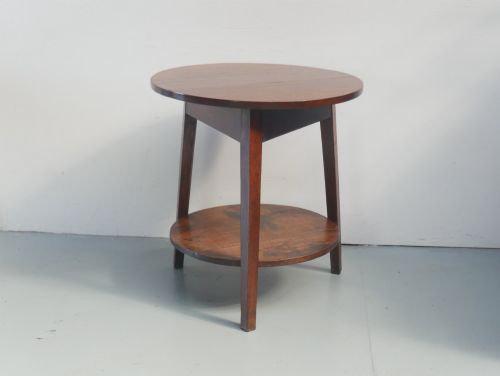
Form variations range from large refectory and dining formats down to small occasional tables, stools, and two-tier cricket tables.
What Varies in Quality
Quality rests upon the integrity of the primary timber and the structural honesty of the original joinery. Tables formed from dense, mature hardwoods like early oak or fruitwood demonstrate superior longevity compared to lighter secondary woods.
Proportion and scale distinguish standard utility pieces from finer vernacular examples commissioned for larger spaces. The refinement of turned legs, stretcher arrangements, and edge mouldings separates simpler workshop output from accomplished regional cabinetmaking.
The Rustic Wood Table Glossary
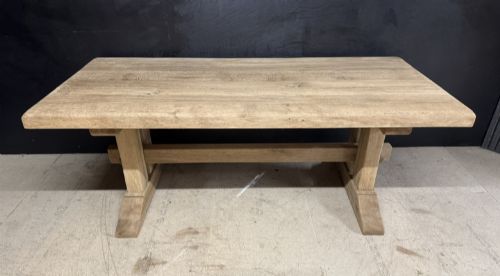
- Refectory table
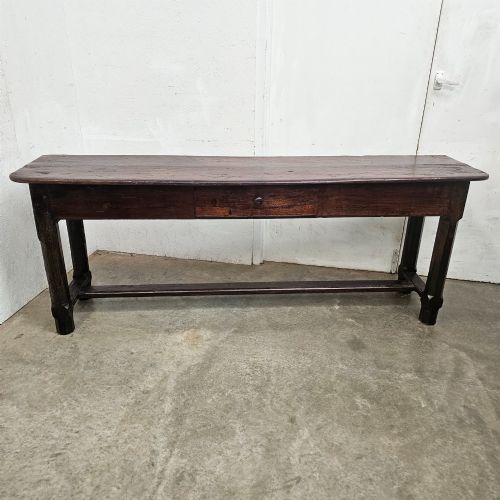
- A long, narrow dining table originally designed for monastic dining halls and later adapted for domestic farmhouse use. These tables typically feature sturdy stretcher bases to maintain stability over long spans of timber.
- Cricket table
- A small, lightweight circular table supported by three splayed legs, historically used on uneven flagstone floors. The three-legged design prevents rocking regardless of the floor surface.
- Vernacular furniture
- Domestic objects built by local craftspeople using regional traditions and available materials rather than high-style metropolitan designs. These pieces prioritise straightforward utility over academic ornament.
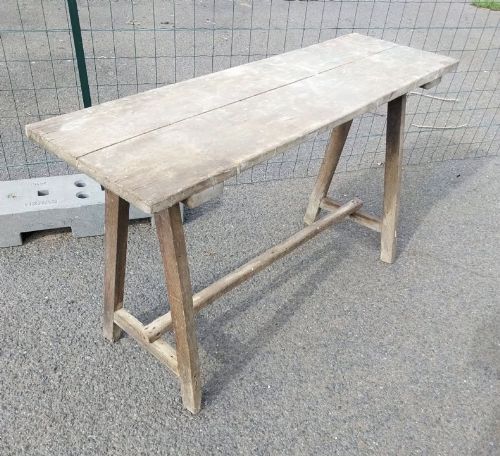
- Drapers table
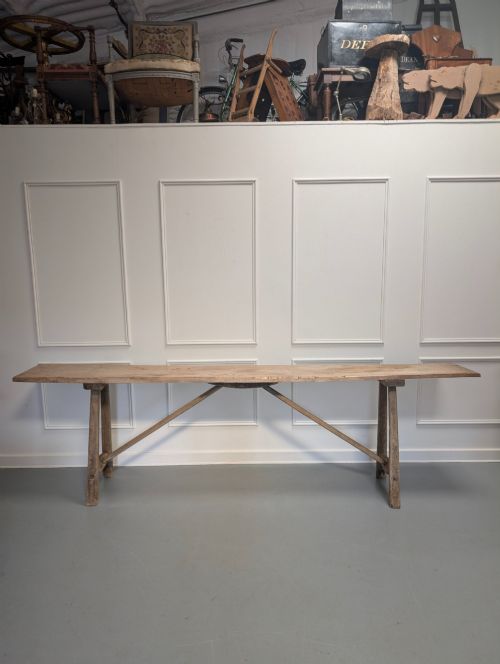
- A long, counter-height table traditionally utilised in textile shops for measuring and displaying cloth. They often incorporate lower shelves or multiple tiers for storage.
- Bobbin leg
- A furniture leg turned on a lathe to resemble a string of beads or bobbins. This decorative turning style appears frequently on seventeenth-century and nineteenth-century revival seating and tables.
Rustic Wood Table: Frequently Asked Questions
Are these tables suitable for daily dining?
These tables were originally built for heavy daily work, making them exceptionally durable for modern family meals. Their robust construction handles regular use without losing structural integrity.
Protect the surface from heat and moisture using mats, allowing the timber to age naturally through use. Minor marks and dents accumulate as part of the ongoing history of the piece.
How can I tell an 18th-century table from a 19th-century one?
Eighteenth-century examples often display hand-sawn board marks, pegged tenons, and dense heartwood selected for maximum durability. Timber shrinkage and heavy wear patterns develop organically across centuries of service.
Nineteenth-century tables may incorporate mechanical saw marks and standardised fixings while retaining traditional forms. Regional timber choices often provide further clues to the manufacturing date and origin.
Why do some tables have bleached wood?
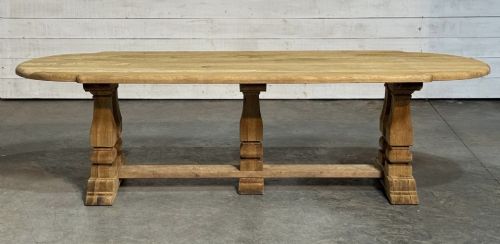
Bleaching is a treatment applied to lighten dark timbers, particularly oak, to achieve a pale, decorative finish. This process mutes the strong orange and brown tones inherent in older wood.
Bleached surfaces appear across various periods, reflecting changing interior design preferences for lighter, neutral spaces. The underlying grain and tool marks remain visible beneath the lightened surface.