



Antique Beech Kitchen Table
An antique beech kitchen table brings honest utility and time-worn character directly into the heart of the home.
Antique Beech Kitchen Table
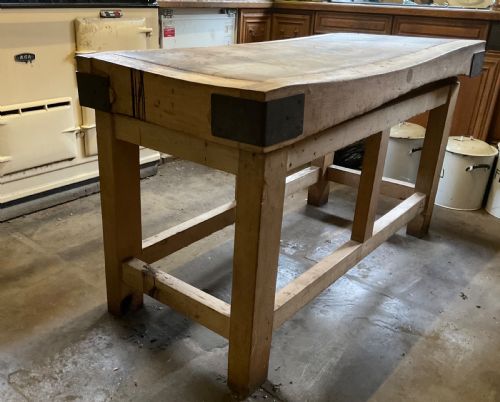
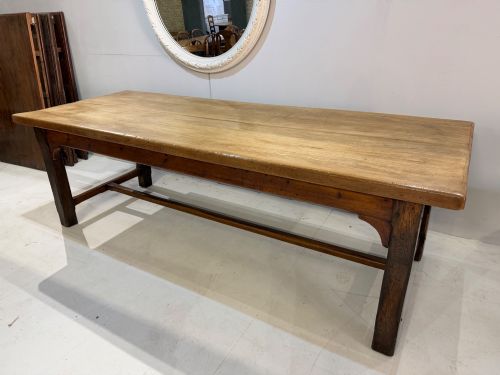
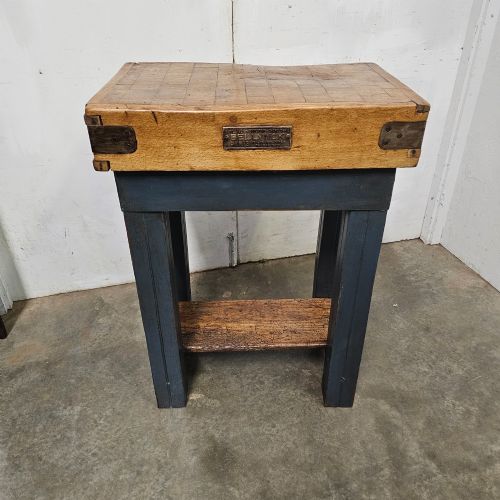
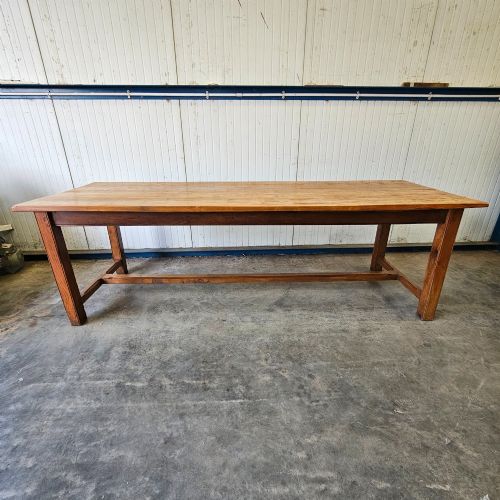
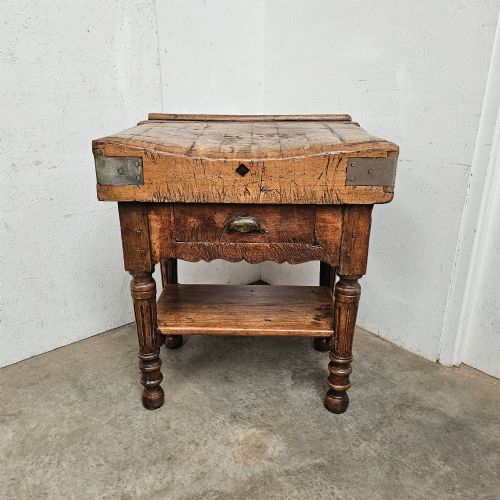
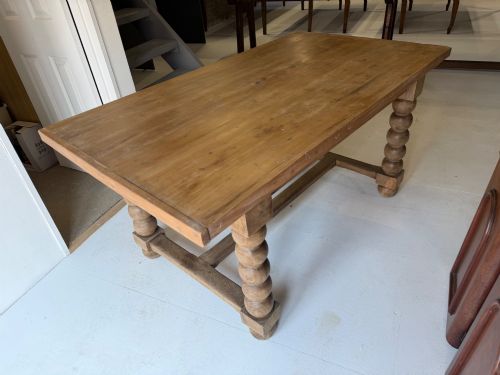
An antique beech kitchen table encompasses sturdy dining tables, robust butchers blocks, and utilitarian workbenches designed for daily domestic or artisanal use. The search phrase covers utilitarian furniture originating predominantly from nineteenth-century France and Edwardian Britain. Buyers encounter pieces that combine solid beech construction with practical elements like drawers, two-plank tops, or painted bases.
Regional styles span rustic farmhouse, French provincial, and industrial workshops, reflecting the practical origins of each object. Examples range from eight-foot dining surfaces to compact butchers blocks originating in Paris or provincial châteaux. These items served as central hubs for food preparation and communal meals long before entering modern homes.
How they were made
Maker construction relies heavily on solid beech timber, frequently paired with oak tops, elm elements, or iron and metal framing. Artisans built these tables to endure heavy daily labour, utilising thick planks and robust joinery that withstands generations of use.
Surfaces often show the marks of active preparation work, while auxiliary components include painted wood stands and decorative bases. The materials reflect local availability and specific functional requirements, whether for a Parisian butchers block or a rural French farmhouse dining table.
Antique Beech Kitchen Table Retail Price Guide 2026
Typical asking prices for beech kitchen table among the pieces listed under this phrase on Sellingantiques today, from the lower quarter to the upper quarter. They describe what is for sale here now, not the wider market.
What varies in quality
Quality rests in the integrity of the original timber and the proportion of the structure, separating utilitarian workshop survivors from finer dining examples. Tables retaining their original two-plank tops, drawer mechanisms, or authentic painted stands hold greater visual and structural coherence.
The distinction lies in how gracefully the piece has aged through decades of legitimate use rather than decorative artificial distress. Finer examples balance robust industrial strength with pleasing proportions suitable for contemporary domestic placement.
The Antique Beech Kitchen Table Glossary
- Beech
- A hard, pale timber with a fine, even grain traditionally chosen for its strength and resistance to shock. It forms the primary structural material for the tables and blocks on this page.
- Butchers Block
- A thick, heavy block of timber end-grain used historically for meat preparation. These units often feature sturdy stands or enclosed bases.
- Two Plank Top
- A table surface constructed from two wide boards joined lengthwise. This construction method appears frequently in nineteenth-century farmhouse tables.
- Workbench
- A heavy utilitarian table fitted with vices or stops designed for manual trades. Artisans utilised these sturdy surfaces for woodworking and general craft before they entered domestic interiors.
- Provincial
- A design style originating from regional workshops outside capital cities. These pieces prioritise practical function and local materials over academic ornamentation.
Antique Beech Kitchen Table: Frequently Asked Questions
Are these tables suitable for daily dining use?
These tables were constructed precisely for heavy daily labour and communal gatherings, making them exceptionally durable for modern dining rooms. Their robust timber frames handle everyday domestic life with ease.
Buyers should consider the specific height and leg clearance of each piece, particularly older workbenches and butchers blocks which may differ from standard modern dining table dimensions.
How do I care for an antique beech surface?
Maintain the timber by cleaning with a damp cloth and applying natural beeswax periodically to nourish the dry wood grain. Avoid excessive moisture and direct heat sources to protect the historic finish.
Most working surfaces display natural marks from previous use which contribute to their character, requiring gentle maintenance rather than refinishing.
How do I identify a French provincial table?
French provincial pieces typically display simple, honest construction using regional timbers like beech and oak, often featuring subtle shaping on the legs or skirts. They reflect the practical demands of rural French homes and châteaux.
Look for evidence of regional hand-tooling and traditional joinery methods that distinguish them from later mass-produced furniture.
What is the difference between a kitchen table and a workbench?
Kitchen tables focus on comfortable dining and food preparation with open space beneath, whereas workbenches were built for heavy trade tasks and often incorporate thicker tops or integrated vices. Workbenches offer a heavier industrial aesthetic.
Both serve effectively as central kitchen islands or dining surfaces depending on the room layout and the preference of the buyer.