


Late Victorian Kitchen Table
These late victorian kitchen table examples offer solid timber construction and honest utility for everyday family dining.
Late Victorian Kitchen Table
A late victorian kitchen table represents the hardworking domestic furniture of the late nineteenth century, built to serve daily family meals and kitchen preparation. These pieces typically emerge from the Victorian period, including dates around 1880, 1890, and the broader nineteenth century designation.
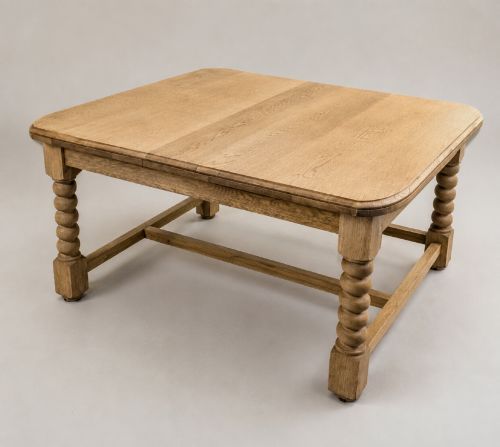
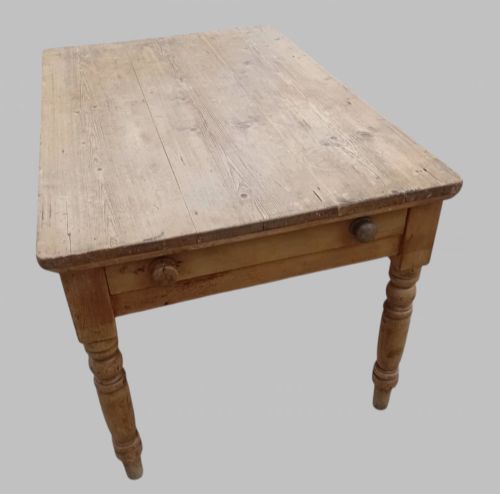
The evidence shows forms ranging from simple pine farmhouse tables with drawers to oak refectory dining tables and scrubbed top variants. Buyers are most likely to encounter pine and oak examples featuring straightforward rectangular tops and sturdy legs suited to heavy use.
Materials and construction
Makers relied primarily on pine and oak as the core timbers for these tables, occasionally utilising walnut or ash for specific dining and extending formats. Surfaces were frequently left scrubbed or finished plainly to withstand daily scrubbing and kitchen tasks.
Joinery remained robust and functional, often incorporating drawers with wooden runners and H stretcher supports beneath the top to ensure stability during heavy domestic labour. Metal fittings and glass elements appear rarely, keeping the focus entirely on traditional woodwork.
One surviving baker table retains mysterious layers of old paint, hinting at decades of enthusiastic pastry rolling.
Judgements of quality
Quality rests upon the choice of timber and the preservation of original surfaces, such as untouched layers of old paint or well-scrubbed pine tops. Tables that retain their original drawer configurations and sturdy stretcher bases command greater appreciation from collectors.
The Late Victorian Kitchen Table Glossary
- Farmhouse table
- A sturdy domestic table typically constructed from pine or oak for heavy kitchen use. These pieces often feature simple turned or tapered legs and scrubbed wooden tops.
- Refectory table
- A long, narrow dining table supported by sturdy legs connected with a stretcher. This form provides exceptional stability and seating capacity.
- Pot shelf
- A low open shelf fitted beneath a table or dresser base used for storing heavy pots and pans. It adds structural rigidity to the base frame.
- Scrubbed top
- A wooden tabletop cleaned repeatedly with water and a stiff brush to remove grease and stains. This process creates a pale, smooth finish characteristic of genuine kitchen furniture.
- Extending table
- A dining table designed with a mechanism or loose leaves to increase its overall length. This allows the furniture to accommodate larger gatherings when needed.
Late Victorian Kitchen Table: Frequently Asked Questions
How do I clean a pine kitchen table?
Wash the wooden surface gently using warm water and mild soap with a soft cloth. Avoid harsh chemical cleaners that can strip the natural patina.
Dry the timber thoroughly immediately afterwards to prevent moisture damage or warping to the antique grain.
Can I use these tables for daily dining?
These tables were built specifically for heavy daily use and family meals in active Victorian households. Their robust timber construction handles everyday wear with ease.
Use protective mats for hot dishes to preserve the historic wooden surface from heat rings.
How do I spot a genuine period table?
Examine the timber for traditional hand-cut joinery, timber shrinkage, and genuine wear patterns accumulated over decades of domestic service. Look for old tool marks and consistent patination across the entire wooden frame.
Modern replacement screws or machine-cut elements often indicate later repairs or alterations to the original structure.
Are pine tables prone to damage?
Pine is a softer wood that naturally records the bumps and knocks of daily kitchen life over many decades. This softness contributes to the charming character rather than diminishing the utility.
Treat the timber with appropriate wax periodically to nourish the dry grain and protect against spills.