

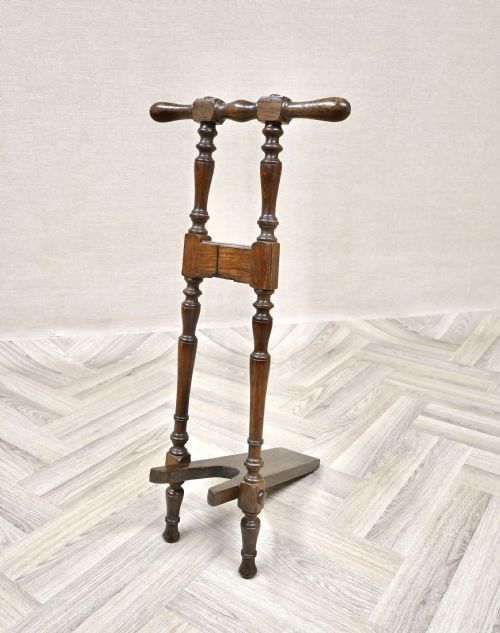


Victorian Wooden Boot
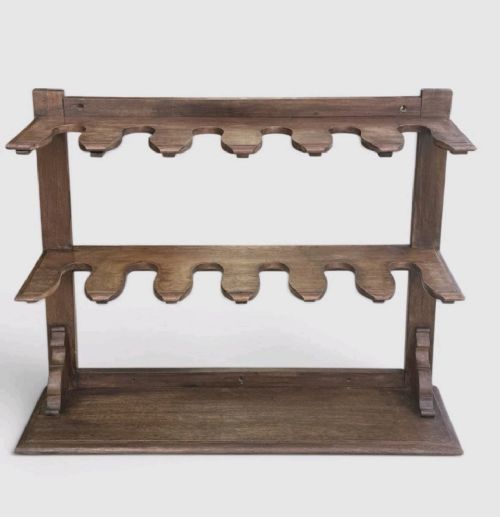
These victorian wooden boot pieces are practical hall furniture and treen accessories designed to manage footwear with traditional British craft.
Victorian Wooden Boot
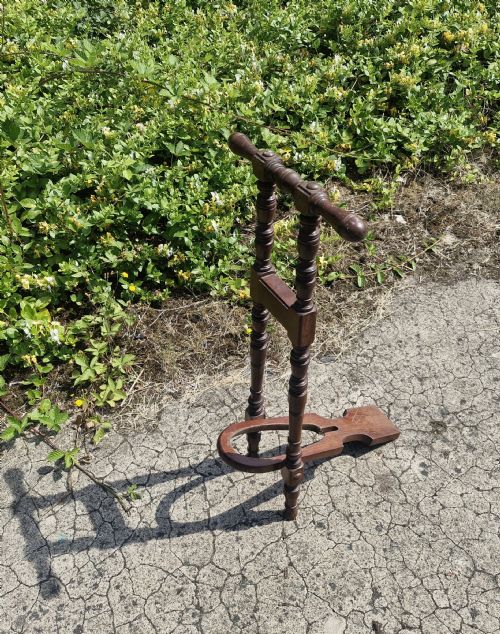
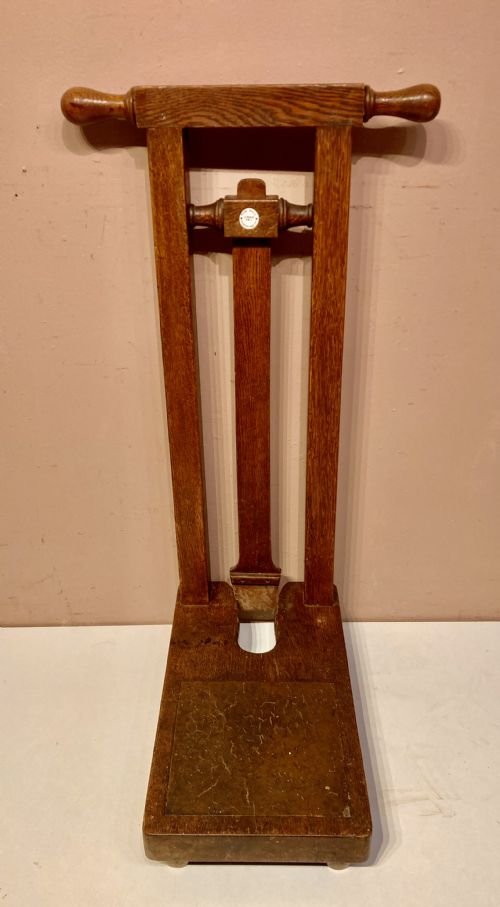
A victorian wooden boot item encompasses functional items for the entrance hall, boot room, and hallway, ranging from boot jacks and shoe racks to folding pull devices and stands. These pieces are designed to handle, store, or assist with riding boots and footwear, emerging primarily from nineteenth-century contexts.
The most frequent variations encountered on this page include mahogany boot jacks, oak boot racks, and hand-carved shoe stands. Pieces often reflect English country house aesthetics or rustic vernacular traditions, serving as durable utility objects for daily use.
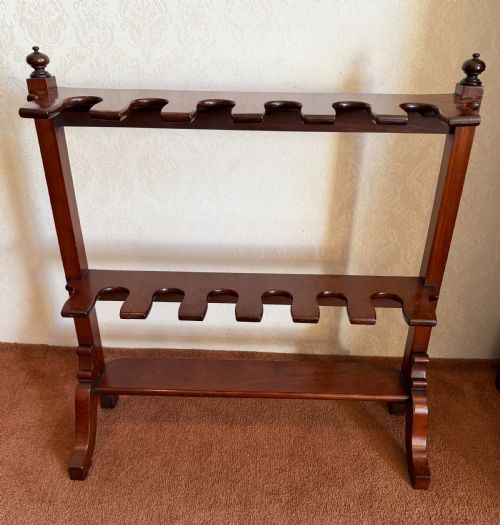
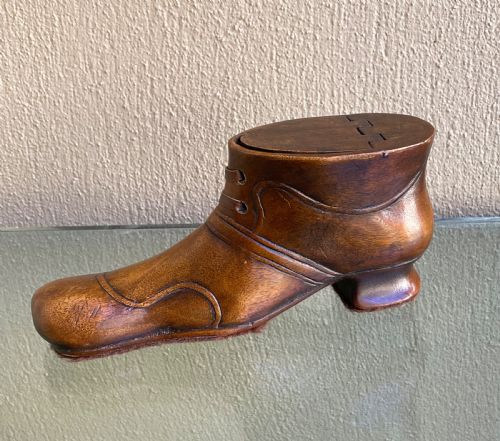
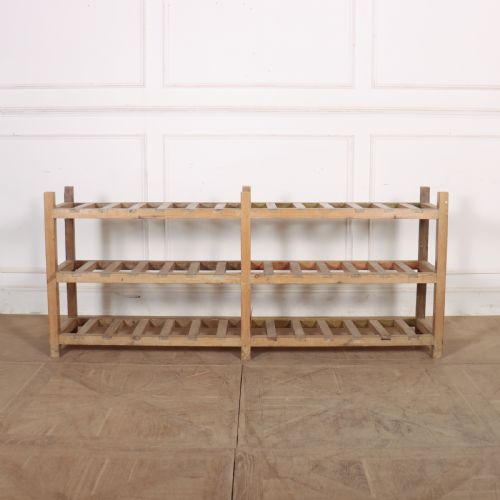
Beyond simple jacks, the selection includes related hallway furnishings such as hall stands, benches with shoe storage, and treen snuff boxes shaped like shoes. Each object demonstrates the Victorian domestic focus on orderly boot rooms and organised entranceways.
How they were made
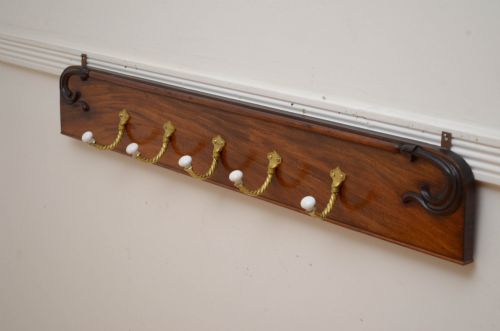
Makers utilised solid timbers including mahogany, walnut, oak, ash, pine, and beech to construct these items, ensuring the durability required for heavy daily boot removal. Brass mountings, ceramic hooks, and leather details frequently supplement the woodwork.
Construction techniques combine traditional hand-carving with functional joinery, particularly in folding boot jacks and revolving stands. Polished finishes highlight the natural grain of the timber while providing protection against moisture in damp boot rooms.
What varies in quality
Quality in a victorian wooden boot accessory is determined by the selection of timber, such as figured mahogany or rich walnut, and the crispness of the hand-carving. Plain utility pine items sit at the everyday end of the scale, whereas finely polished, brass-mounted campaign pieces represent superior workshop output.
The sophistication of the mechanical elements also dictates the standard of the piece, from simple fixed boards to folding shoe pulls and revolving stands. Superior examples integrate functional hardware seamlessly into the wooden frame.
Maxwell London·Tom Hill
The Victorian Wooden Boot Glossary
- Boot jack
- A V-notched device used to grip the heel of a boot for easy removal without bending down. These are typically hinged or floor-standing.
- Boot tree
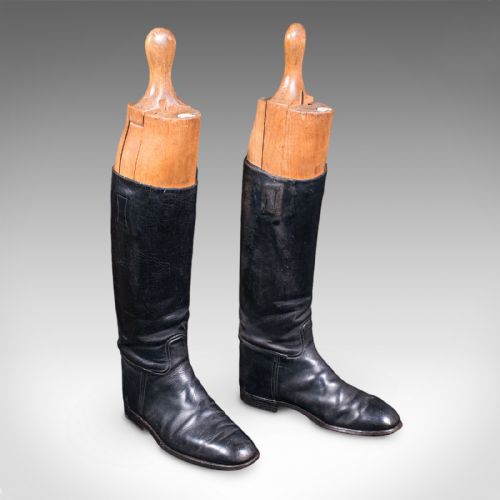
- Wooden blocks inserted into boots to maintain their shape and absorb moisture when not worn. They often operate in pairs.
- Treen
- Small handmade wooden household objects and bric-a-brac. This category includes carved snuff boxes shaped like shoes.
- Campaign military
- Portable furniture designed for transport by officers on military campaigns. These pieces often feature recessed brass handles and folding elements.
Victorian Wooden Boot: Frequently Asked Questions
What is a boot jack used for?
A boot jack allows someone to remove muddy riding boots or tall footwear without touching the leather by anchoring the heel in a notch and stepping out.
These devices were standard fixtures in country house boot rooms and entrance halls across Britain during the nineteenth century.
How do boot trees work?
Boot trees are inserted into the shafts and feet of boots to stretch the leather slightly and preserve the proper shape.
They prevent sagging and help dry out the interior after use in damp weather.
Where were these pieces kept?
These items belonged in the entrance hall, boot room, or hallway where outdoor footwear was removed before entering the main living spaces.
They kept the main house clean and maintained the condition of valuable riding boots.
Are these items made from solid wood?
Makers constructed these pieces from solid hardwoods like mahogany, walnut, oak, and beech to withstand the heavy physical strain of pulling off tight boots.
Softer woods like pine and ash appear in vernacular and regional items.