



Victorian Wine Ewer
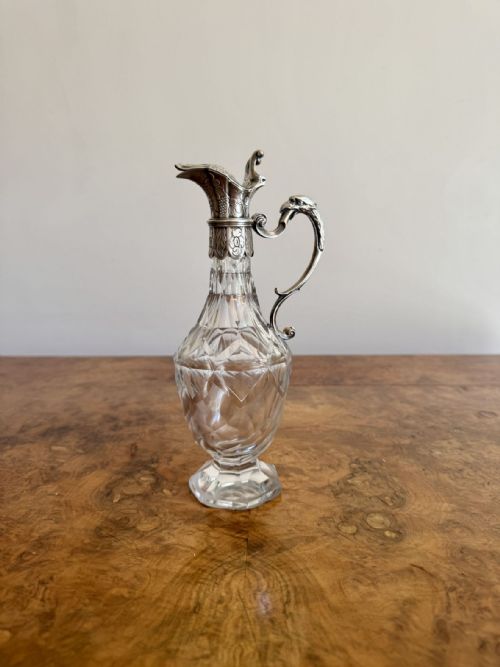
A victorian wine ewer brings classical ceremony to the table, uniting glass, silver, and porcelain in serving vessels designed to pour claret and dessert wine.
Victorian Wine Ewer
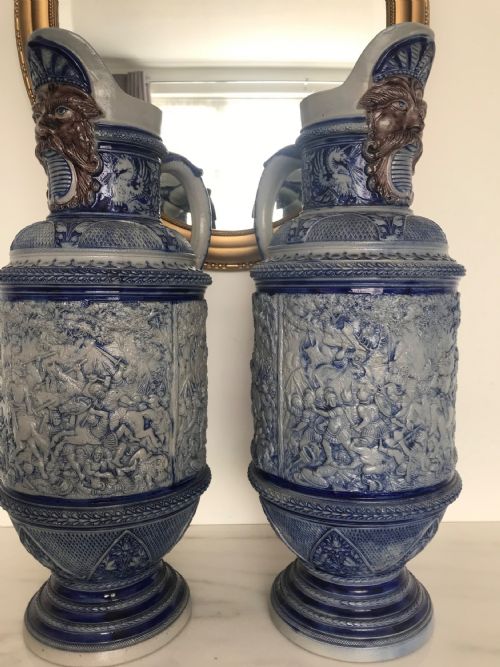
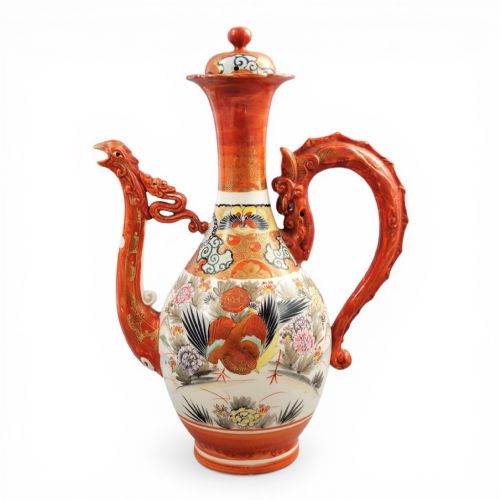
A buyer examining a victorian wine ewer encounters tall, handled pouring vessels originating across the nineteenth century, including pieces produced around the middle decades and towards the final years. The forms range from bulbous glass bodies fitted with metal mounts to monumental ceramics and solid silver presentation pieces.
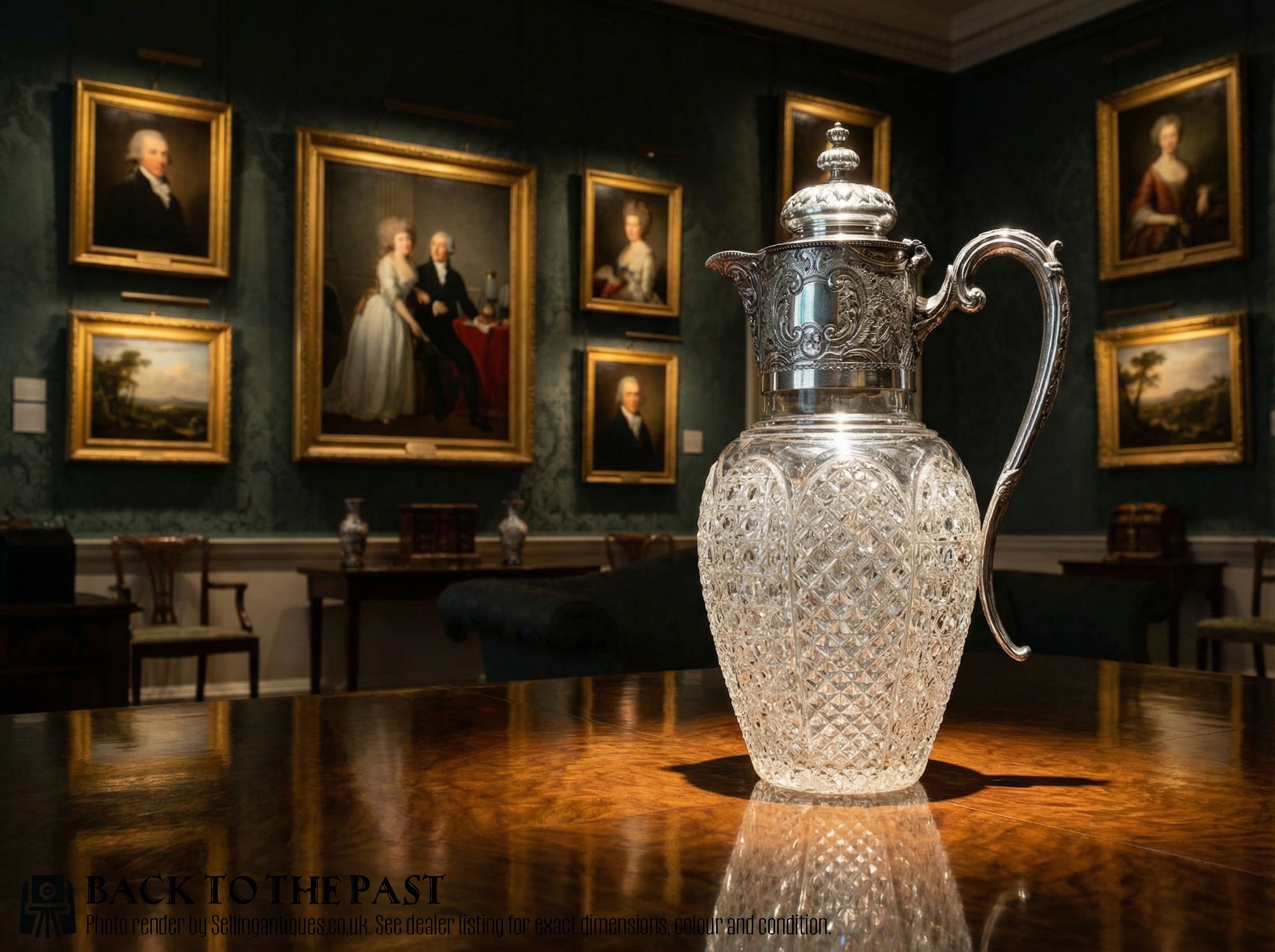
Silver and silver-plated examples dominate the archival record, often featuring hinged lids and slender necks shaped for pouring claret. Glass versions frequently incorporate hand-blown elements, coloured hues, and applied decoration such as latticinio threads or enamel painting.
Origins span English workshops alongside continental makers in France, Italy, and Germany. Certain pieces arrive as matched sets with goblets or stands, widening their function beyond a simple single jug.
Assessing Quality
Quality rests upon the crispness of metal chasing, the weight of the silver or glass, and the refinement of the handler's assembly. Superior pieces demonstrate balanced proportions between the handle, spout, and body.
The sophistication of decorative techniques separates standard production from exceptional works. Hand-blown glass with intricate interior threading or deeply embossed silver ornamentation indicates greater artisanal skill.
Victorian Wine Ewer Retail Price Guide 2026
Typical asking prices for victorian wine ewer among the pieces listed under this phrase on Sellingantiques today, from the lower quarter to the upper quarter. They describe what is for sale here now, not the wider market.
Some glass ewers feature enamelled figures of birds and foliage originally named after a Victorian children's book illustrator.
Simon Peter Gerz·Henry Bourne·Choisy-le-Roi·Sarreguemines·Royal Worcester·Baccarat·Henry Stratford·Elkington·Barnard
The Victorian Wine Ewer Glossary
- Electrotype
- A metal object produced by electrodepositing silver onto a form. This technique allows for high-relief decoration without manual hammering.
- Latticinio
- White or coloured glass threads embedded within clear glass vessels during blowing. It creates delicate net-like patterns across the body.
- Claret jug
- A specific vessel form dedicated to serving red wine. These often feature hinged lids and mounts in silver or plated metal.
- Historismus
- A nineteenth-century revival style drawing inspiration from historical epochs such as the Renaissance. It appears on German stoneware and metalwork.
- Salt glazed
- A ceramic finish achieved by throwing common salt into the kiln during high-temperature firing. This produces a textured surface resembling orange peel.
Victorian Wine Ewer: Frequently Asked Questions
What is a victorian wine ewer used for?
These vessels served wine at nineteenth-century dining tables, functioning primarily as decanters to hold and pour claret or dessert wine during formal meals.
They allowed hosts to transfer wine from storage bottles into a decorative receptacle before serving guests.
How do I clean an antique silver ewer?
Maintenance requires gentle cleaning with a soft cloth and specialised silver polish designed for antique metalwork. Avoid abrasive substances that can wear down thin plating or fine chasing.
Glass components benefit from warm water and mild detergent, keeping moisture away from glued or pinned metal mounts.
Are all wine ewers made of silver?
Materials vary widely across the surviving examples, encompassing hand-blown glass, porcelain, stoneware, and silver plate alongside solid sterling silver. Makers often combined glass bodies with metal handles, lips, and hinged lids.
Ceramic variations showcase painted or glazed surfaces rather than exposed metal.
How can I tell the period of a wine ewer?
Dating relies on stylistic clues, maker marks, and material combinations recorded on the piece. Silver examples frequently carry hallmark stamps indicating the exact year of assay.
Stylistic shifts, such as the transition from classical revivalism to Art Nouveau forms, help narrow down the decade of production.