





Victorian Window Stool
A victorian window stool brings long-seating practicality to a recess or hallway, combining timber frames with traditional upholstery.
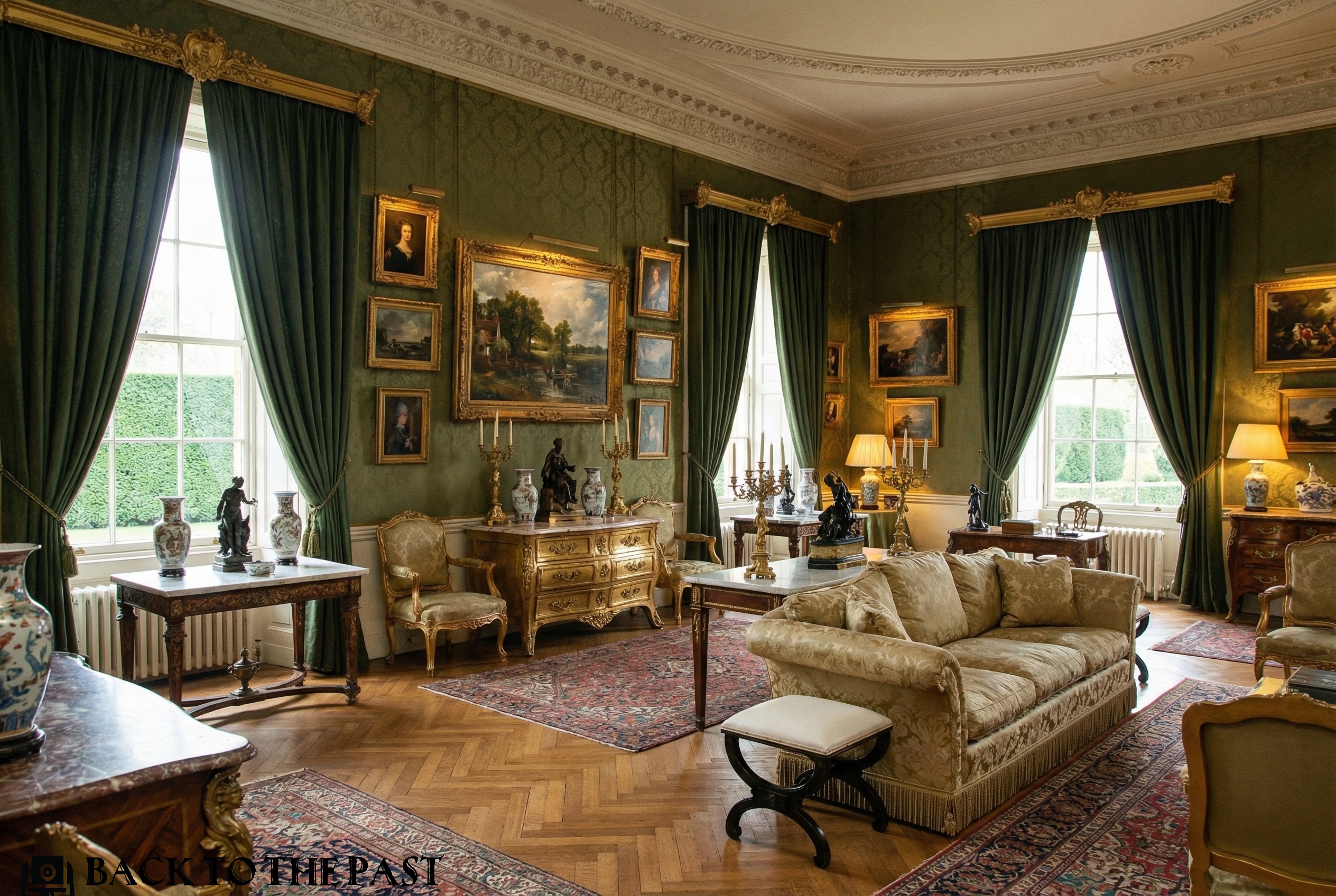
Victorian Window Stool
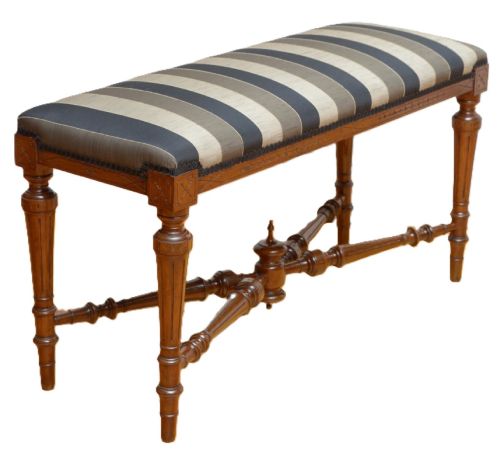
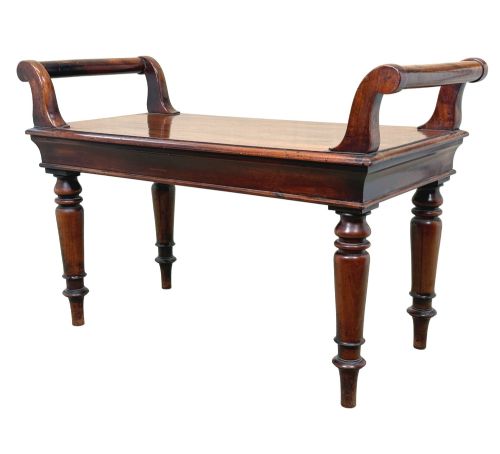
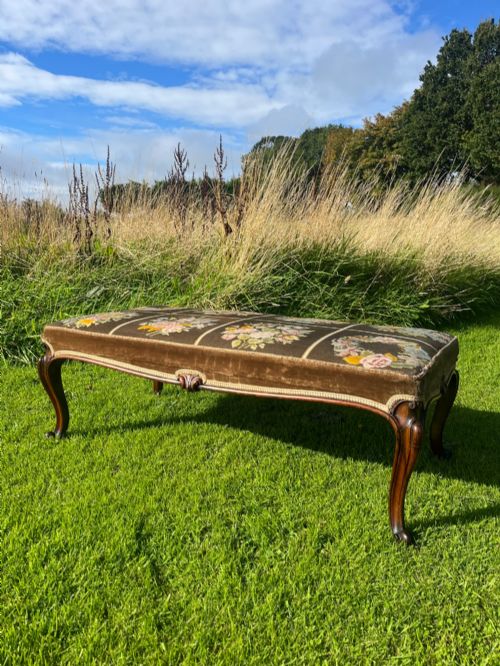
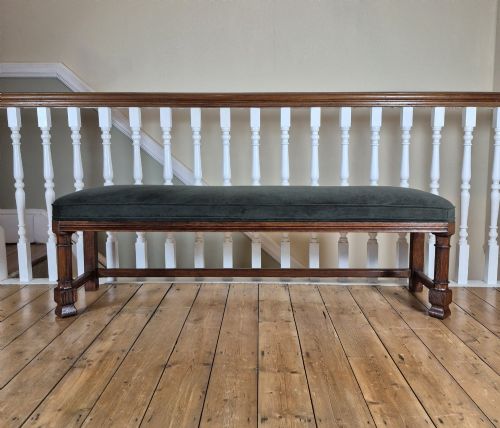
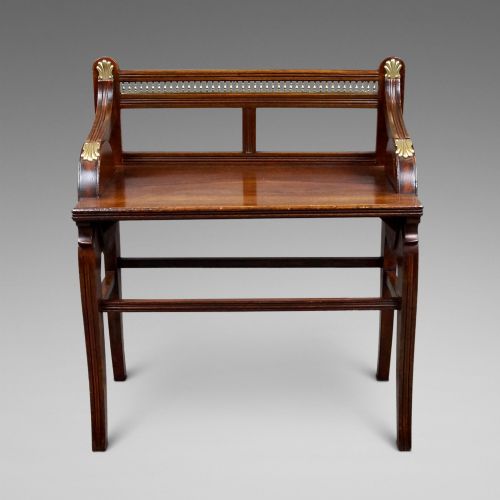
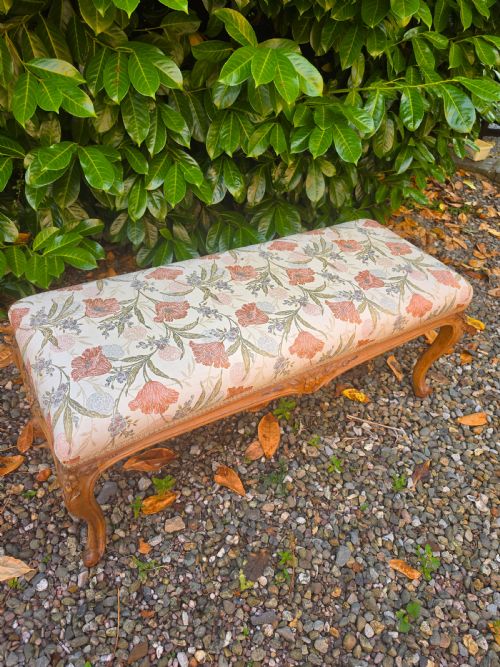
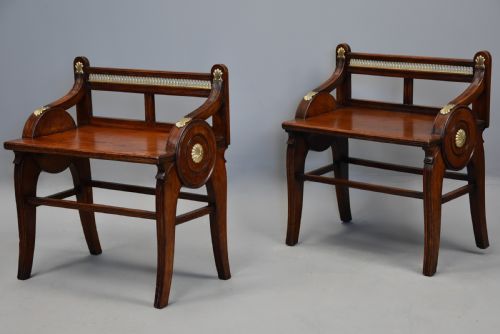
A victorian window stool generally presents as an elongated bench or low seat designed to sit beneath glazing without blocking light. These pieces appear frequently in mahogany, walnut, and oak, spanning early decades through the late nineteenth century.
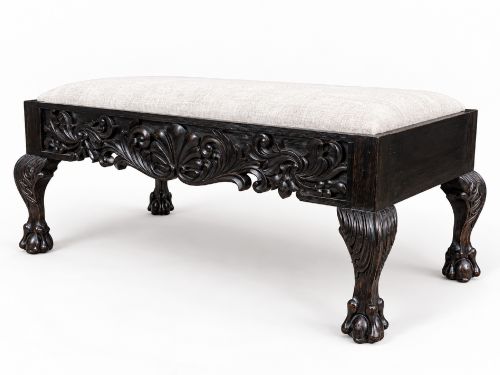
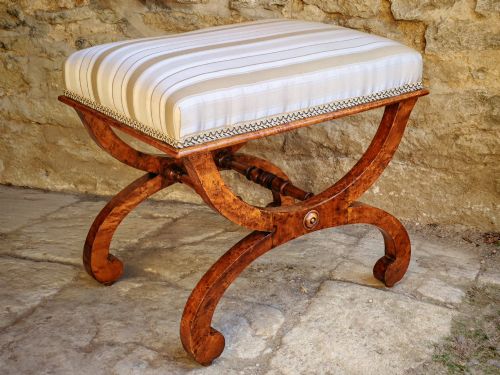
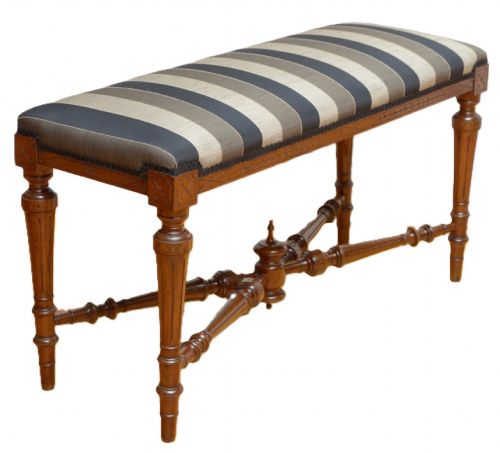
Makers produced these forms with diverse secondary uses, including piano duet seating, hall benches, and dressing stools. The listings reveal formats ranging from simple x-frame constructions to elaborate Gothic Revival and Aesthetic Movement designs.
Proportions vary from compact single stools to generous country house ottomans and long window seats. Buyers encounter pieces clad in cane, plain linen, velvet, and buttoned leather.
Materials and construction
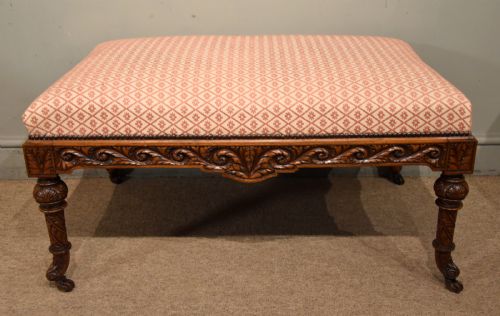
Cabinetmakers utilised dense hardwoods like mahogany, walnut, rosewood, and oak for the structural frames, often employing carved ornamentation or parcel-gilt details. Turning, peg joints, and fluted legs feature prominently across the recorded examples.
Upholstery methods involved horsehair and webbing beneath textiles such as velvet, leather, and woven fabrics. Caning also appears as a primary seating surface on lighter ebonised or oak frames.
Victorian Window Stool Retail Price Guide 2026
Typical asking prices for victorian window stool among the pieces listed under this phrase on Sellingantiques today, from the lower quarter to the upper quarter. They describe what is for sale here now, not the wider market.
Carved hunting dog heads peer from the wooden frames of specific nineteenth-century walnut stools.
Assessing the standard
Quality rests upon the weight of the timber framing and the crispness of any hand-carved decorative elements. Superior examples demonstrate tight joinery and substantial secondary woods.
The standard of upholstery and the choice of covering fabric influence the finish of a piece. Original or sympathetic restoration preserves the integrity of the frame more effectively than heavy alterations.
James Shoolbred·Charles Nosotti·Hallett And Sons
The Victorian Window Stool Glossary
- X-frame
- A structural form utilising crossed stretchers or legs shaped like an elongated letter X. This design provides robust support for long seats and benches.
- Duet stool
- An extended seating form designed to accommodate two people side by side. These pieces often feature hinged lids or long upholstered pads.
- Gothic Revival
- A nineteenth-century design style drawing inspiration from medieval architecture. Pieces in this manner display pointed arches, tracery, and heavy carved oak.
- Aesthetic Movement
- A late-nineteenth-century style emphasising artistic visual qualities over strict historical revival. These items frequently utilise ebonised finishes and distinct linear forms.
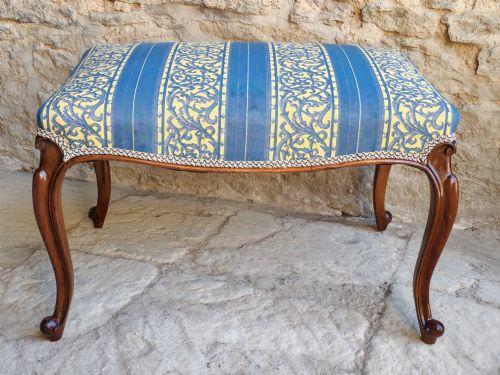
- Cabriole leg
- A furniture leg that curves outward in a convex arc and then bends inward in a concave arc, terminating in a foot. This shape appears frequently on mid-nineteenth-century seating.
Victorian Window Stool: Frequently Asked Questions
What is a victorian window stool used for?
These long seats fit neatly beneath window sills to provide low seating without blocking natural light. They also serve functionally as hall benches or piano duet seats.
Many examples include hinged tops or internal storage spaces for blankets and sheet music. Their low profile makes them adaptable for placement at the foot of a bed or beside a fireplace.
How do I date a window stool?
Dating relies upon observing the primary timber, leg style, and construction methods used in the frame. Mahogany and rosewood frequently indicate earlier nineteenth-century periods, while ebonised finishes and specific revival styles point toward later decades.
Details such as peg joints, hand-carved motifs, and secondary woods help narrow the production era. Makers' stamps, where present, offer direct confirmation of the workshop and date.
Where should I place a window stool at home?
The traditional placement is directly beneath a low window recess to create a quiet spot for reading or viewing. They also function well along empty hallway walls or within spacious dressing rooms.
Longer formats work effectively as bedroom benches placed at the base of a bed. Their slender proportions ensure they occupy minimal floor space while adding seating capacity.
Are these stools suitable for daily use?
Solid hardwood frames and sturdy joinery ensure these pieces remain robust for everyday sitting. Modern reupholstery often reinforces the internal webbing and padding for improved comfort.
Routine care involves gentle dusting of the wooden surfaces and appropriate cleaning for the specific upholstery fabric. Selecting pieces with sound structural frames guarantees long-term durability in a modern home.