

Victorian Wardrobe with Drawer
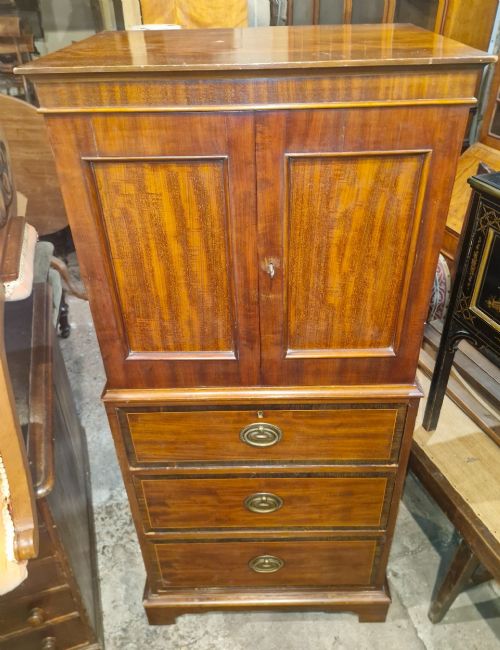
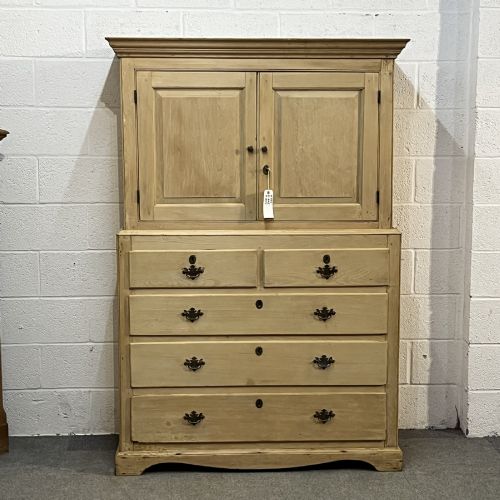
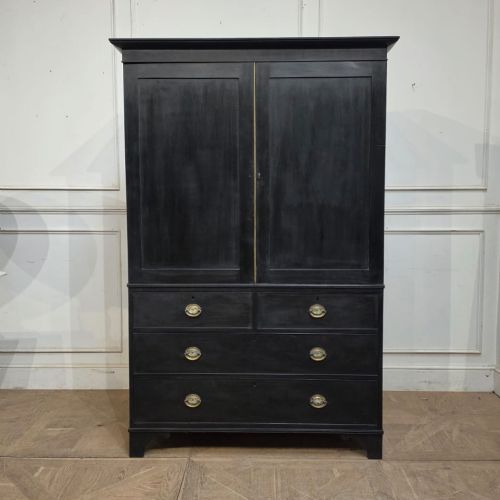
A victorian wardrobe with drawer provides deep bedroom storage through tall hanging space combined with practical lower chest compartments.
Victorian Wardrobe with Drawer
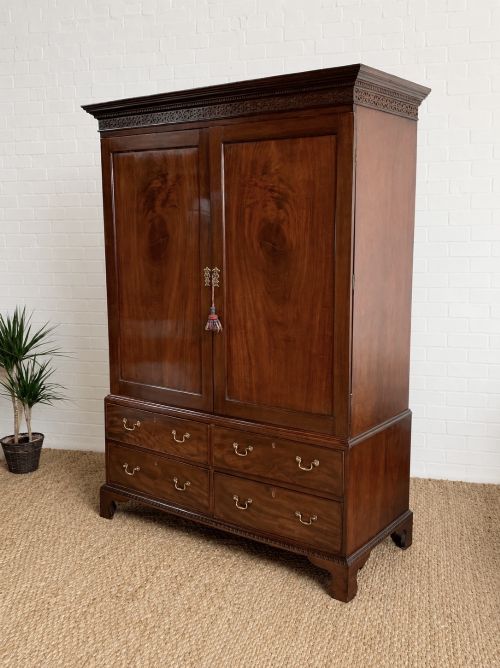
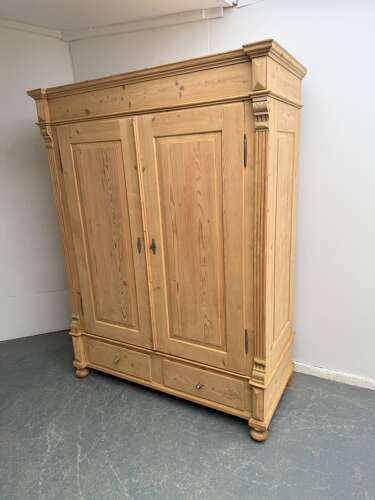
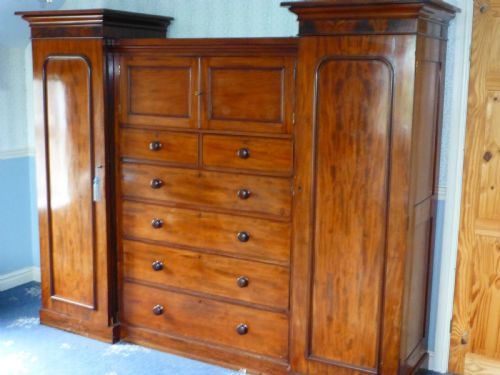
A victorian wardrobe with drawer brings together substantial hanging capacity and integrated chest storage within nineteenth century proportions. These pieces range from modest pine bedroom units to grand mahogany combination compactums.
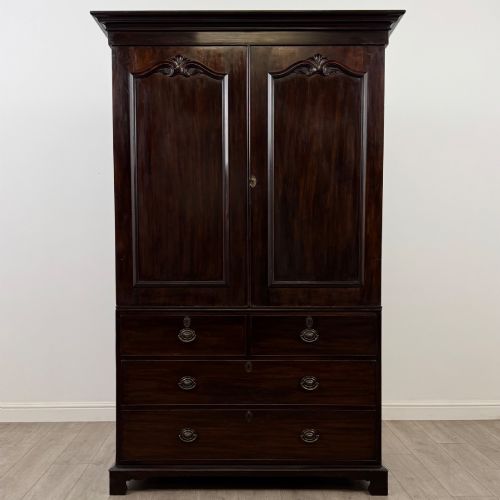
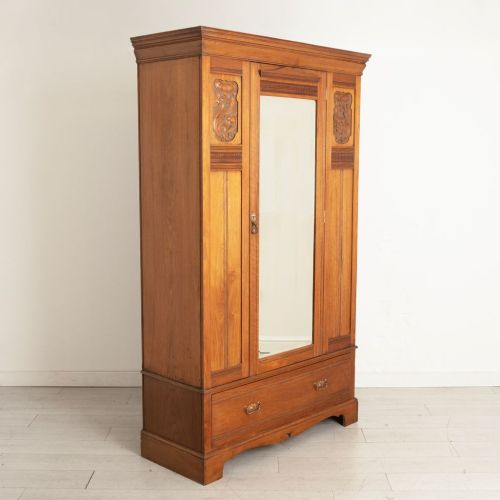
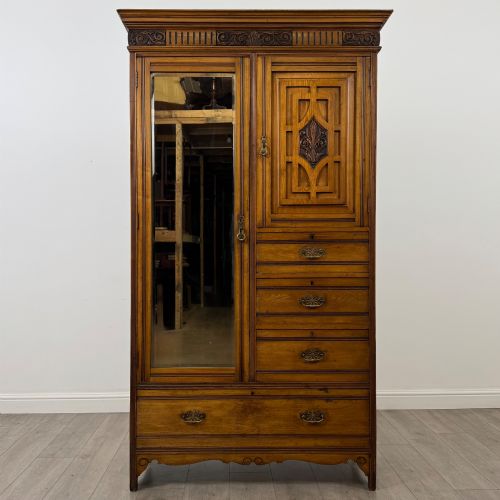
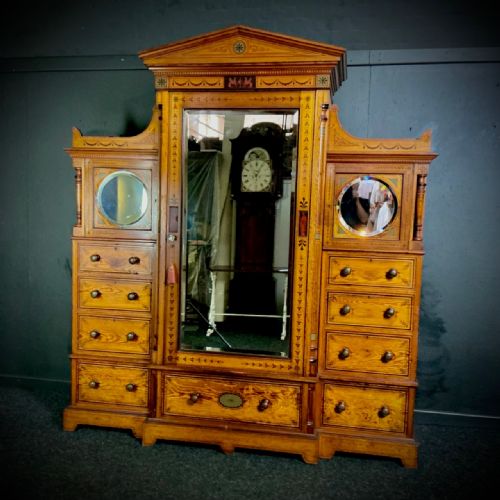
The primary forms appearing here span traditional wardrobes, linen presses, and compactum designs originating across the Victorian period and the early twentieth century. Buyers encounter single door child variants alongside large multi-piece constructions fitted with mirror doors and bottom drawers.
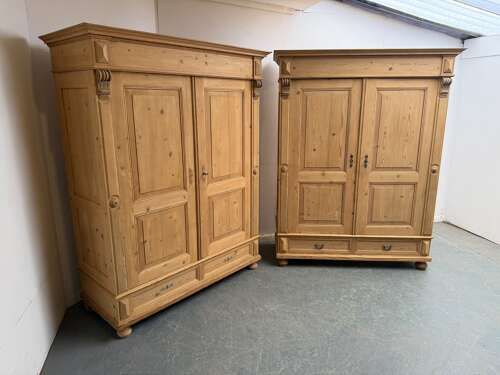
Makers utilised diverse regional timbers to construct these storage items, resulting in distinct visual characters. Whether sourced from humble pine farmhouse workshops or constructed in polished mahogany and burr walnut, each piece centres on combining wardrobe space with functional drawers.
How they were made
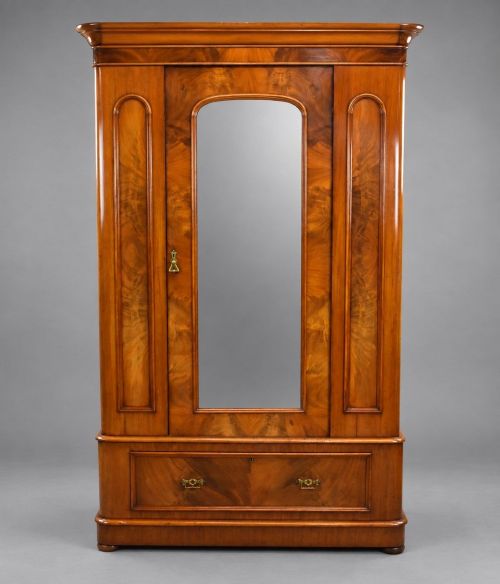
Cabinet makers built these pieces using solid timbers like mahogany, ash, satin walnut, maple, and pitch pine, often enhanced with flame mahogany veneers or burr walnut panels. Brass hardware, iron fittings, and glass elements completed the structural composition.
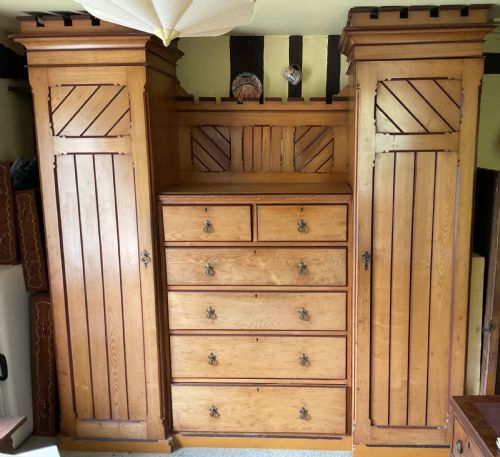
Many large examples employed knockdown construction methods so the massive wooden frames could be transported and assembled in bedrooms. Details such as blind fretwork cornices, columned supports, and integrated drawer sets demonstrated skilled nineteenth century joinery.
Victorian Wardrobe with Drawer Retail Price Guide 2026
Typical asking prices for victorian wardrobe with drawer among the pieces listed under this phrase on Sellingantiques today, from the lower quarter to the upper quarter. They describe what is for sale here now, not the wider market.
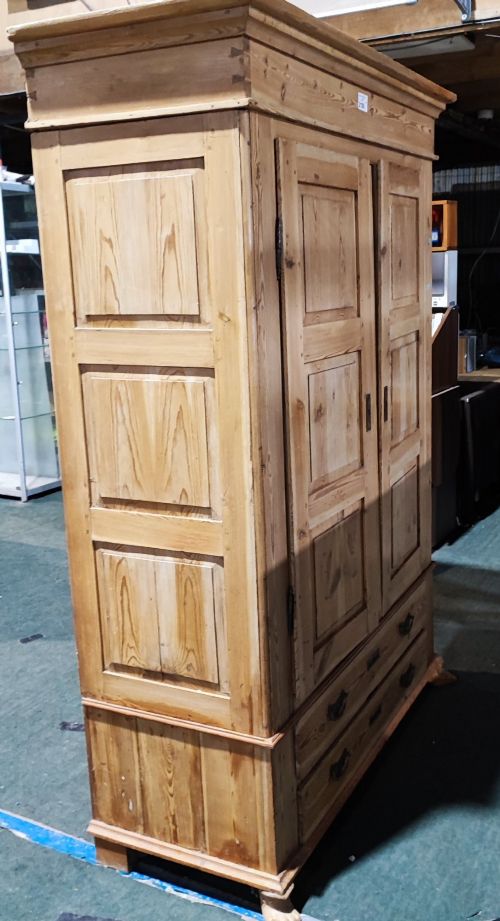
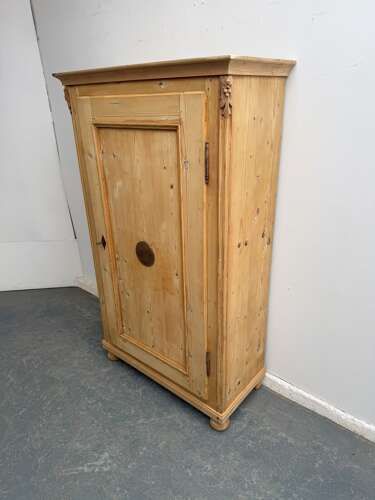
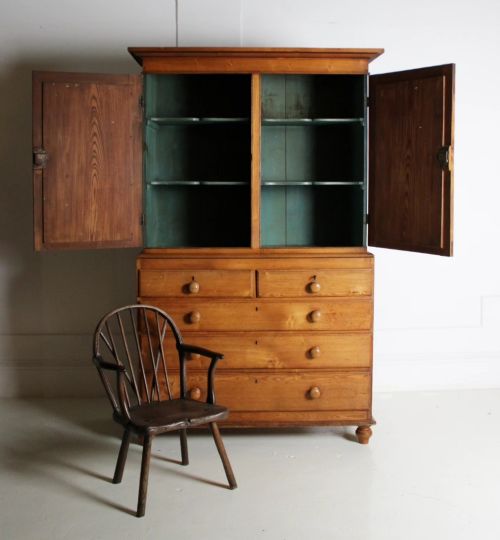
A very quirky pine cupboard unit with drawers arrives with the helpful ability to partially dismantle itself when you are not looking.
What varies in quality
The distinction between standard utility furniture and high quality cabinet work rests on timber selection and decorative execution. Elaborate grain patterns in burr walnut or flame mahogany elevate an item above plain pine storage cupboards.
Architectural detailing such as carved cornices, columned facades, and sophisticated fitted interiors separate standard two door wardrobes from complex combination compactums and linen presses.
Gillows
The Victorian Wardrobe with Drawer Glossary
- Compactum
- A multi-functional wardrobe combining hanging space, shelves, and multiple drawers in one unit. This efficient design maximises bedroom storage capacity.
- Linen Press
- A tall storage cabinet featuring upper shelving or hanging areas paired with lower drawers. These items traditionally stored household linens and garments.
- Knockdown
- Furniture designed to dismantle into modular sections for easier transport and installation. Large nineteenth century wardrobes frequently utilised this practical engineering.
- Cornice
- The decorative moulded projection finishing the top of a cabinet. Elaborate versions sometimes feature blind fretwork carving.
Victorian Wardrobe with Drawer: Frequently Asked Questions
How do I assemble a knockdown wardrobe?
Knockdown wardrobes dismantle into modular sections such as cornices, sides, bases, and doors for transport. Assembly typically involves interlocking panels or internal timber bolts.
Ensure the wardrobe rests on level flooring during setup to keep the doors and lower drawers running smoothly within their frames.
What is the difference between a wardrobe and a compactum?
A standard wardrobe focuses primarily on vertical hanging space for garments behind full length doors. A compactum integrates hanging space with dedicated drawers and internal shelving.
This multi-purpose combination provides comprehensive bedroom storage within a single footprint.
How are pine and mahogany wardrobes cared for?
Waxed pine surfaces benefit from occasional application of traditional beeswax to nourish the wood and maintain a soft sheen. Polished mahogany requires gentle dusting with a dry cloth and protection from direct sunlight.
Avoid placing these wooden cabinets near heat sources to prevent timber shrinkage.
How can I date a nineteenth century wardrobe?
Dating relies on observing timber choices, construction techniques, and stylistic markers across the nineteenth century. Early pieces often feature flame mahogany or pine, while later Victorian items incorporate satin walnut and mirror doors.
Hardware styles and assembly methods also provide reliable indicators of age.