

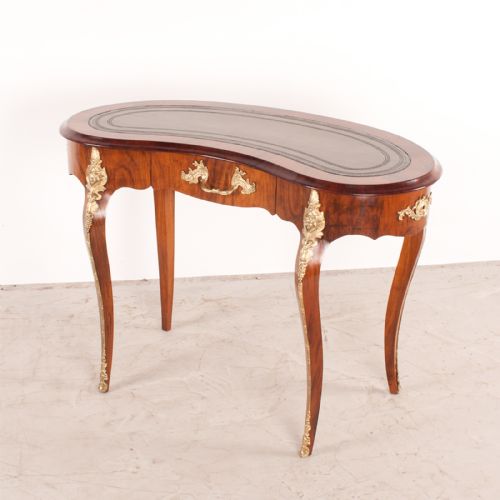
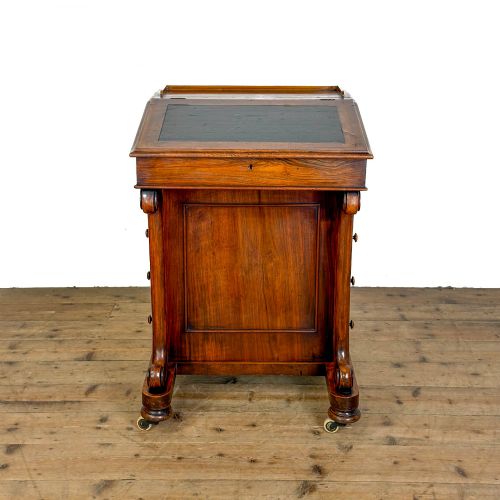
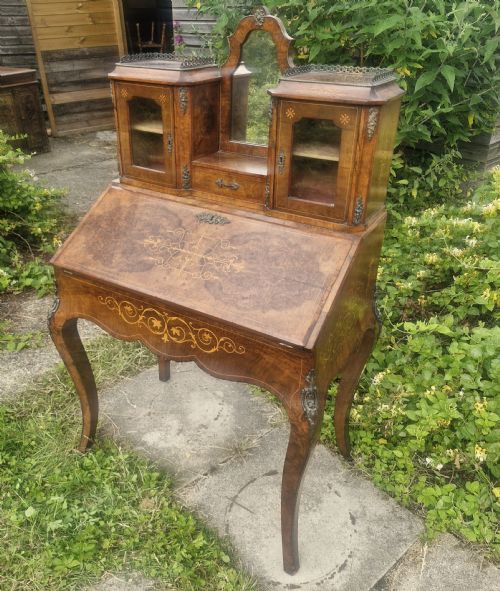
Victorian Walnut Writing Bureau
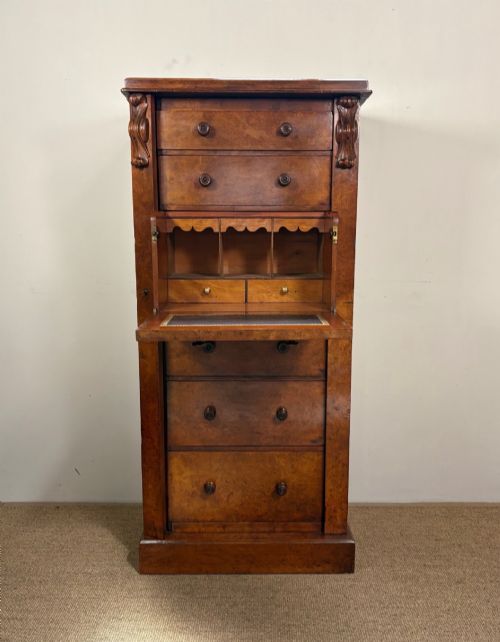
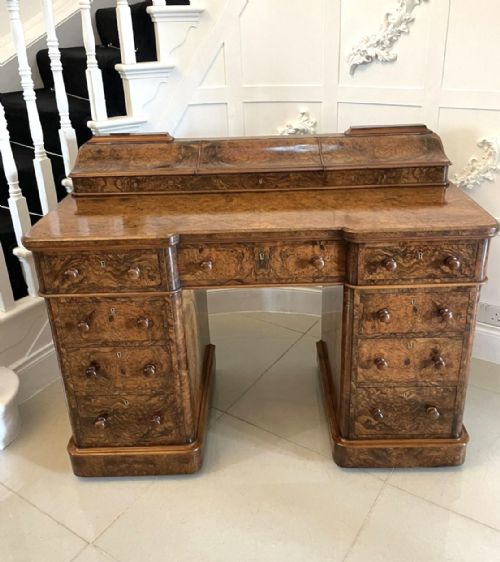
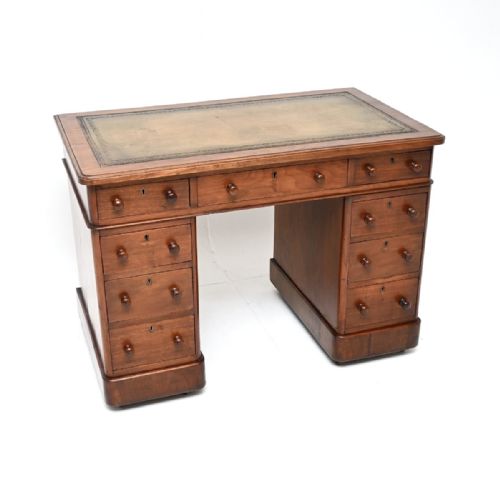
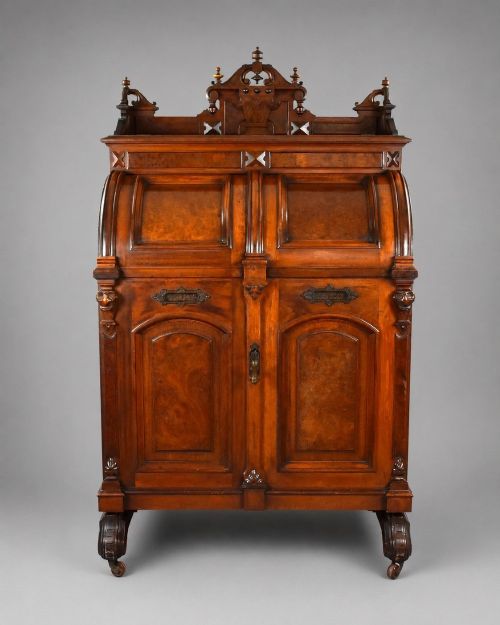
A victorian walnut writing bureau brings solid nineteenth-century timber and enclosed workspace into a room.
Victorian Walnut Writing Bureau
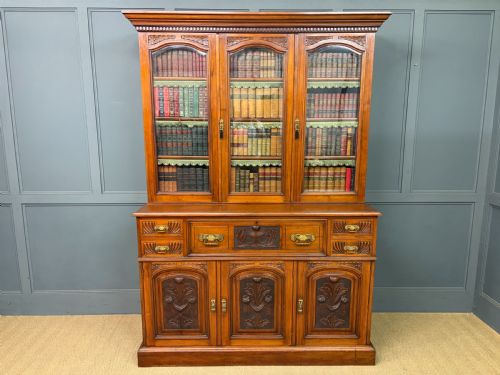
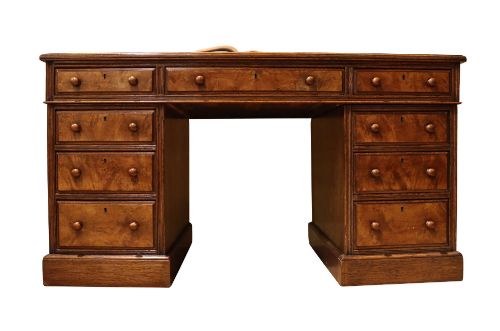
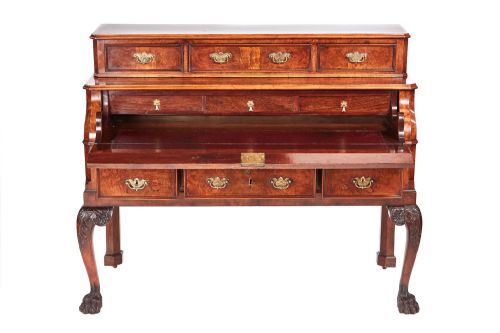
A victorian walnut writing bureau encompasses compact davenports, pedestal desks, and elaborate secretaire bookcases designed for domestic correspondence. Most pieces encountered on this page date from the mid-nineteenth century onward, spanning the Victorian era through the late 1800s.
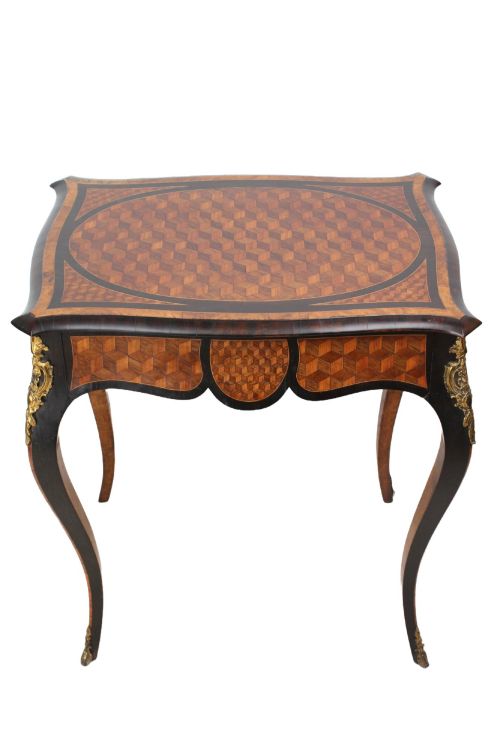
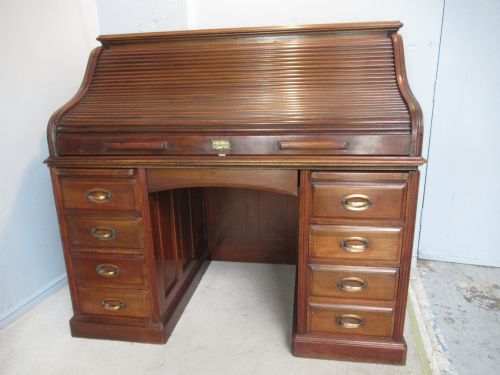
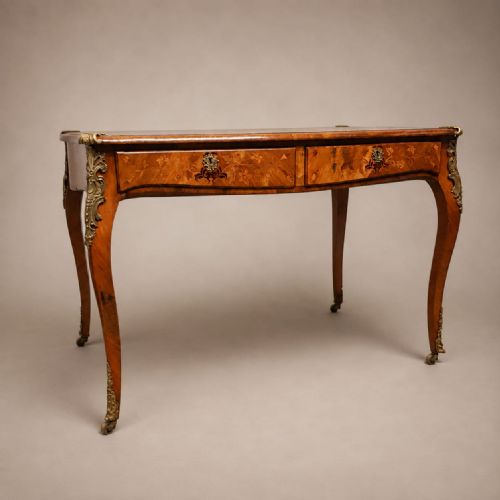
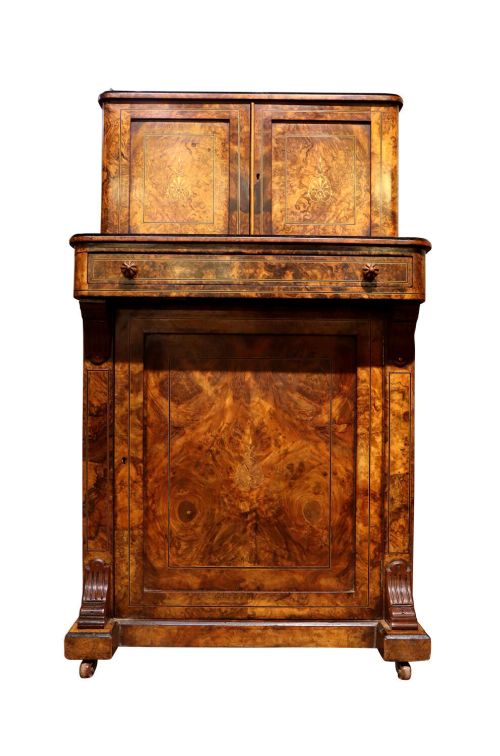
The form ranges from small ladies writing desks such as the bonheur du jour to substantial kneehole desks and roll top formats. Cabinetmakers utilised burr walnut, plain walnut, and occasionally ebonised timber to create fitted writing compartments.
Materials and Construction
Makers selected walnut and heavily figured burr walnut veneers applied over secondary timbers to construct these writing bureaus. Interiors frequently incorporated contrasting satinwood drawers alongside leather writing surfaces.
Detailing often included brass hardware, ormolu mounts, and intricate marquetry or parquetry inlay. Structural joinery accommodated drop fronts, pigeonholes, and stationery compartments within compact desk bodies.
Some davenport desks conceal tiny secret compartments originally designed for holding postage stamps and inkwells.
Standards of Execution
Finer examples distinguish themselves through the choice of burr walnut veneer symmetry and the complexity of internal satinwood fittings. Superior execution shows in crisp carving, tight marquetry work, and substantial brass or ormolu mounts.
The distinction between standard commercial output and workshop pieces by notable makers lies in the depth of internal planning and timber selection. Secondary woods and the execution of hidden drawers reveal the original maker's investment of time.
JAS Shoolbred·Maple & Co.
The Victorian Walnut Writing Bureau Glossary
- Burr walnut
- Timber taken from the wart or burl of a walnut tree, yielding highly swirled grain patterns. Cabinetmakers sliced this wood into decorative veneers for desk and bureau surfaces.
- Davenport desk
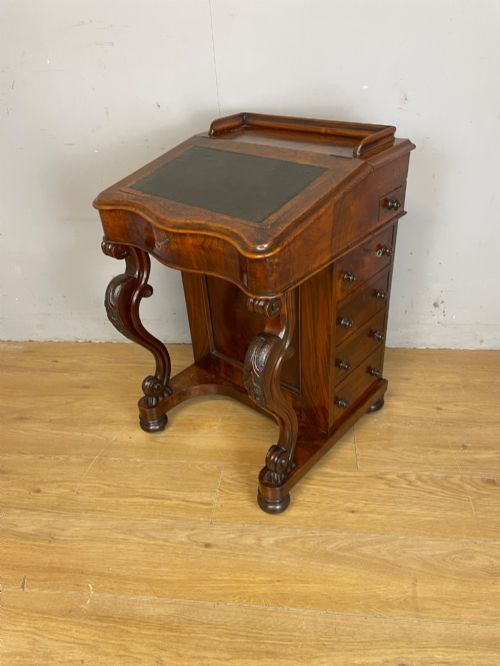
- A compact small writing desk featuring a sloping lid and side drawers. The form gained popularity during the Victorian period for use in private sitting rooms.
- Secretaire bookcase
- A tall cabinet combining a bookshelf upper section with a drop-front writing drawer or desk compartment below. It concealed correspondence materials behind decorative panel doors.
- Bonheur du jour
- A light ladies writing desk featuring a small tiered superstructure with shelves and small drawers above the main writing surface. These pieces often displayed extensive marquetry inlay.
- Ormolu
- Gilded bronze ornamentation applied to furniture mounts and decorative accents. It added bright metallic contrast against dark walnut surfaces.
Victorian Walnut Writing Bureau: Frequently Asked Questions
What is a davenport desk?
A davenport desk is a compact form of a victorian walnut writing bureau featuring a sloped writing lid and drawers opening to the side.
These pieces were designed for domestic correspondence in smaller rooms where a full-sized pedestal desk would take up too much floor space.
How do I use a bureau daily?
You open the fall-front or lift the sloping lid to reveal a fitted interior with small drawers and pigeonholes for stationery.
The inset leather writing surface provides a stable platform for modern notebooks or laptop computers while keeping papers hidden when closed.
How do I date a walnut desk?
Dating relies on stylistic markers such as French revival influences, ormolu mounts, and specific cabinet construction methods seen across the nineteenth century.
Pieces carrying maker stamps or distinct Victorian census characteristics help narrow the manufacturing period to specific decades.
Where were these desks placed?
These writing furniture pieces belonged in private drawing rooms, libraries, or ladies boudoirs for managing personal letters and household accounts.
Their finished backs and compact proportions allowed them to sit away from walls in the centre of rooms.