

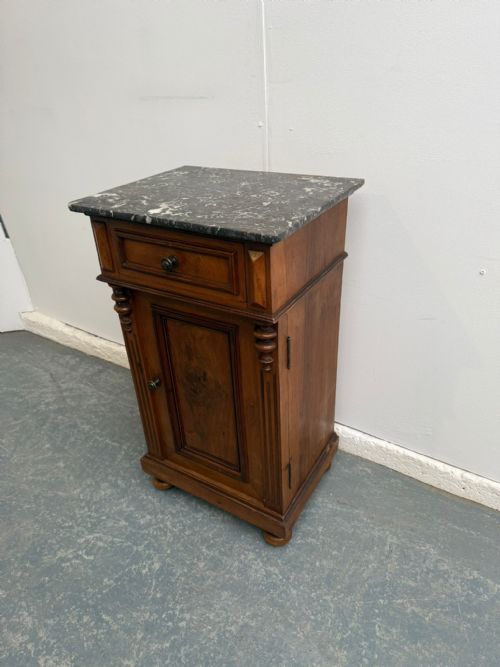


Victorian Walnut Pedestal Cabinet
A victorian walnut pedestal cabinet offers rich timber grain and useful bedside storage, rooted in nineteenth-century craftsmanship.
Victorian Walnut Pedestal Cabinet
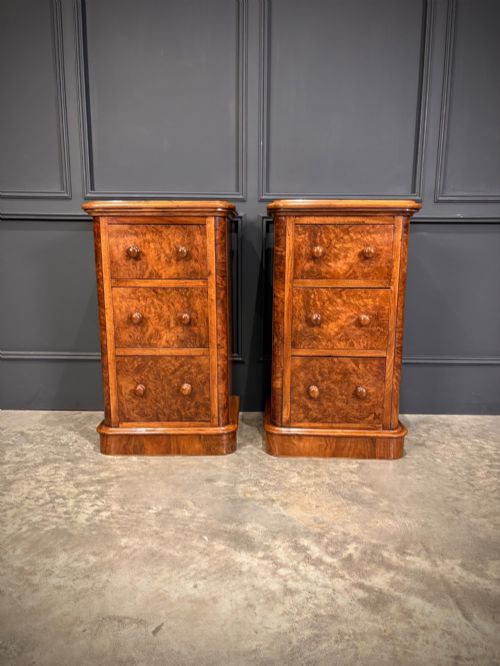
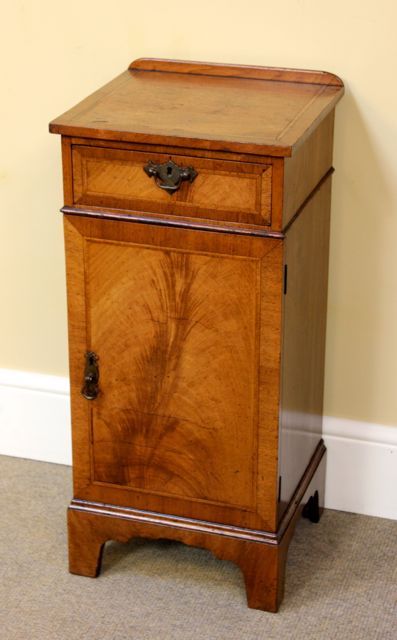
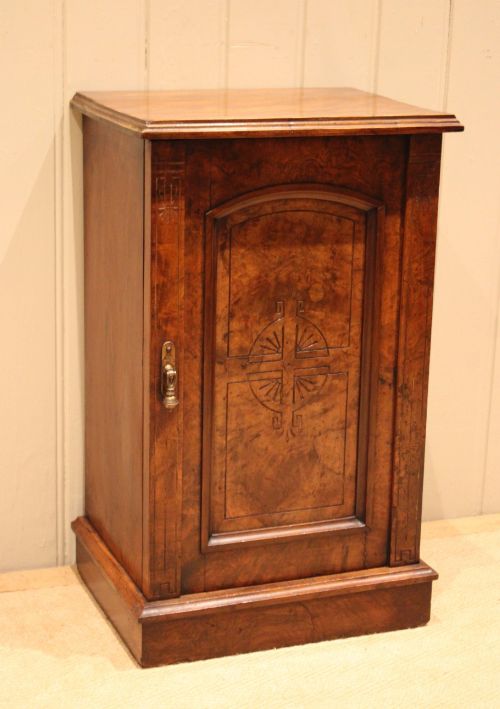
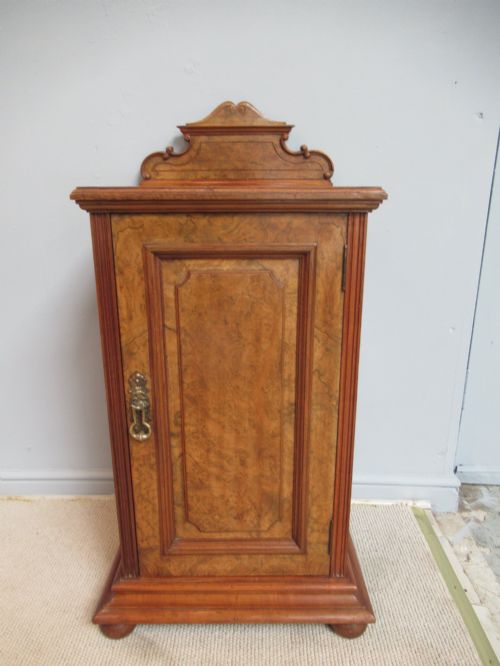
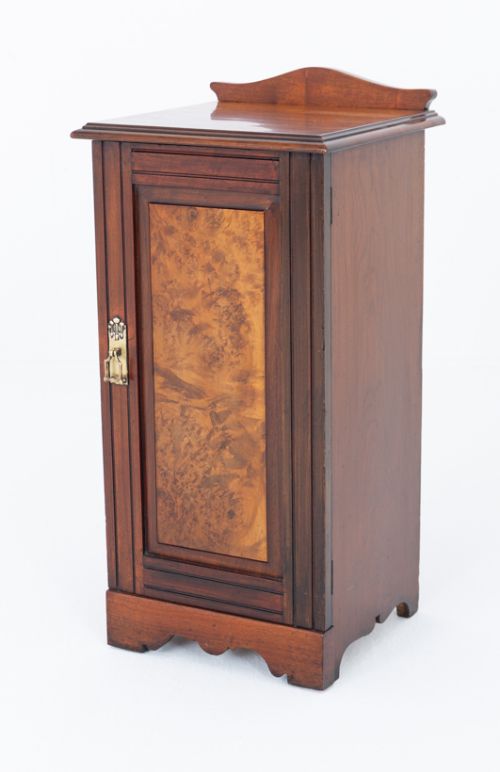
A victorian walnut pedestal cabinet typically takes the form of a bedside chest, cupboard, or locker designed to sit neatly beside a bed while providing enclosed storage. These items emerge primarily from the nineteenth century, spanning decades from the eighteen-sixties through to the Edwardian period.
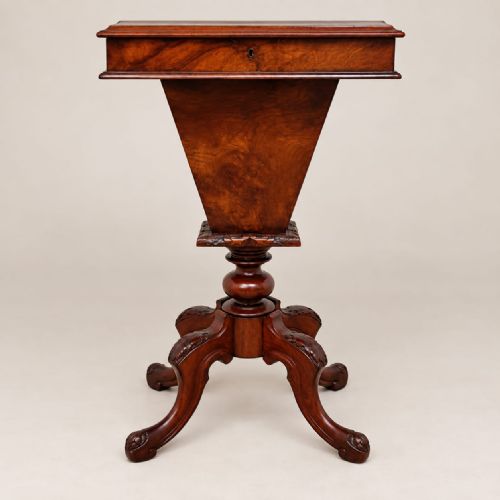
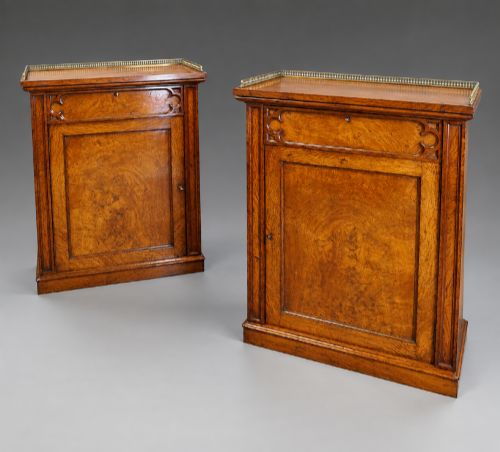
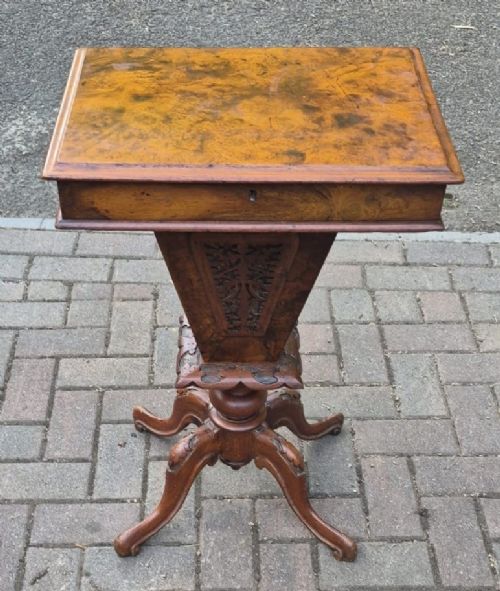
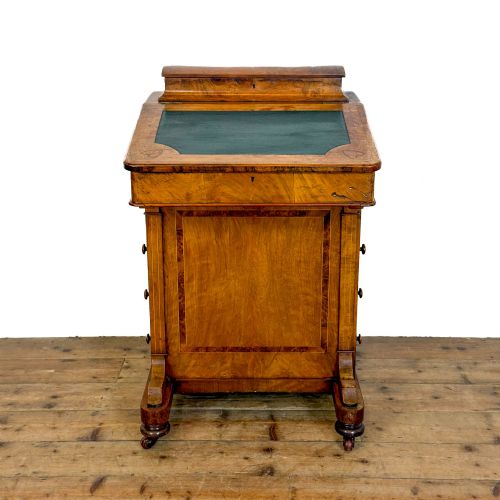
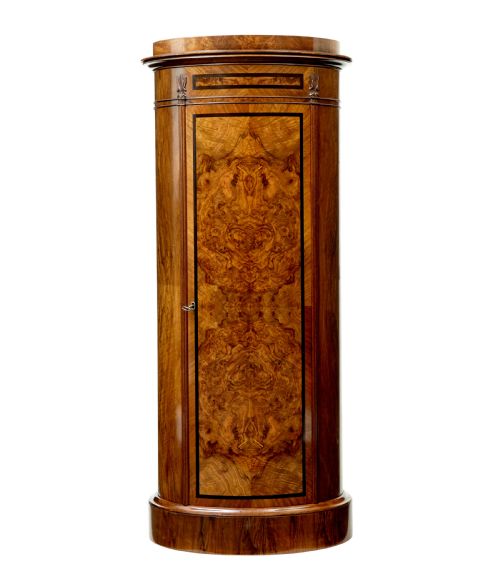
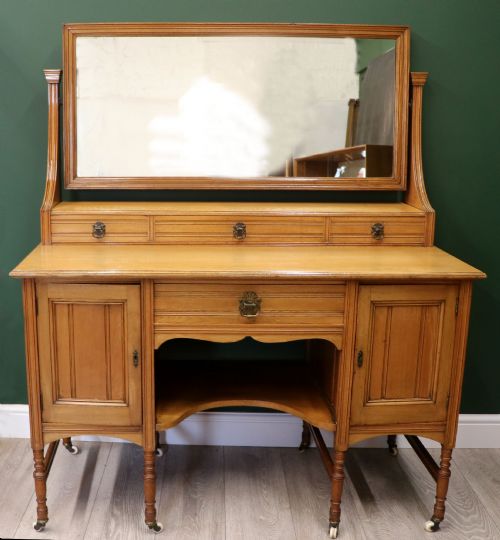
Beyond standard bedside lockers, the search phrase encompasses related pedestal forms including side cabinets, Davenport desks, washstands, and sewing tables. Walnut is the defining timber, often selected for its figured grain or burr patterns that give each piece a distinct surface character.
Makers and cabinetmakers of the period employed various regional styles, ranging from plain Victorian utility to Gothic Revival, Aesthetic Movement, and Queen Anne Revival designs. Buyers frequently encounter pairs or single cupboards featuring marble tops, brass mounts, or inlaid marquetry.
How they were made
Cabinetmakers relied on solid walnut and pine carcases overlaid with decorative burr walnut or figured walnut veneers to create rich, swirling grain patterns on doors and drawer fronts. Secondary timbers such as oak and pine appear in drawer linings and internal framing.
Decorative embellishments often include brass hardware, ormolu mounts, and delicate floral marquetry inlay set directly into the walnut surface. Many bedside and cylindrical cabinets are finished with inset marble tops designed to provide a durable, water-resistant upper surface.
Listings feature walnut, burr walnut, marble, glass, and brass across Victorian, Edwardian, and Aesthetic Movement periods.
What varies in quality
The degree of figuration in the walnut veneer largely dictates the visual impact of the piece, with heavily burred surfaces representing the more ambitious end of nineteenth-century production. Finer examples incorporate specialised details such as crossbanding, hand-carved mouldings, or ormolu mounts.
Structural refinement separates standard utility furniture from exceptional cabinet work, visible in the precision of the dovetail joints and the integration of matching pairs. The inclusion of original marble tops or intact marquetry inlay further distinguishes the upper tier of surviving examples.
The Victorian Walnut Pedestal Cabinet Glossary
- Burr walnut
- A specialised timber veneer harvested from the wart-like growths on walnut trees, prized for its complex swirling grain patterns.
- Crossbanding
- A narrow strip of veneer laid perpendicularly around the border of a panel or drawer front to frame the central grain.
- Marquetry
- The art of applying decorative pieces of wood veneer to a structure to form intricate floral or geometric designs.
- Ormolu
- Gilt bronze mounts applied as decorative highlights to nineteenth-century cabinet work and desks.
- Davenport
- A compact pedestal desk featuring a sloping writing surface above a bank of drawers.
Victorian Walnut Pedestal Cabinet: Frequently Asked Questions
What is a Victorian walnut pedestal cabinet used for?
These cabinets served primarily as bedside lockers or pot cupboards to store chamber pots and personal items within nineteenth-century bedrooms. Their compact pedestal footprint makes them equally suited for modern use as bedside tables or small lamp stands.
Inside the enclosed cupboard space, small shelves often provided orderly storage for books or night-time accessories. The flat or marble top offered a convenient surface for a water jug, candlestick, or bedside lamp.
How do I identify burr walnut?
Burr walnut displays a dense, swirling pattern of tiny eyes and intricate grain formations rather than straight, parallel wood lines. This distinctive appearance comes from distorted growth nodes on the tree, yielding highly decorative veneers.
Cabinetmakers reserved this prized material for prominent surfaces like drawer fronts and cabinet doors. Plain walnut was typically used for structural rails, carcase sides, and secondary framing.
Why do some cabinets have marble tops?
Marble tops provided a durable, stain-resistant surface that could easily withstand spilled water or medicine in a Victorian bedroom. They were particularly common on bedside cabinets and washstands where daily ablutions took place.
These stone slabs were usually inset directly into the wooden frame of the cabinet top. White or grey veined marble varieties were the standard choice for nineteenth-century workshops.
Are these cabinets found in pairs?
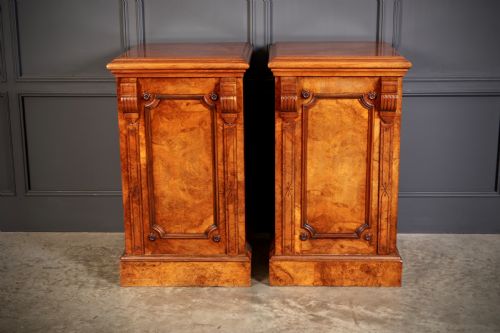
Pairs of bedside cabinets do survive from the Victorian era, though single cupboards appear much more frequently on the market. Matching pairs were originally commissioned to flank large double beds in nineteenth-century homes.
Finding a matched pair with identical burr walnut figuring and hardware requires patience. Single cabinets remain a popular choice for asymmetric bedroom layouts or smaller rooms.