

Vintage Walnut Side Cabinet
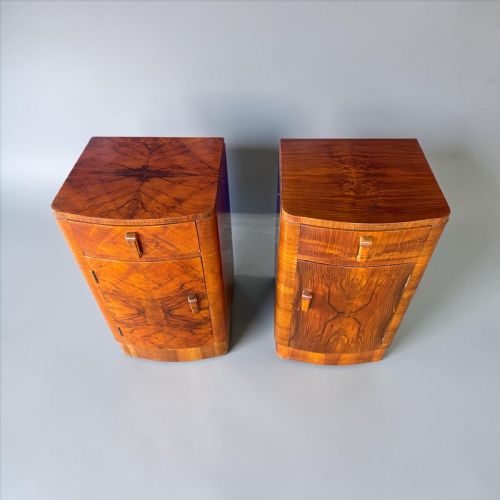
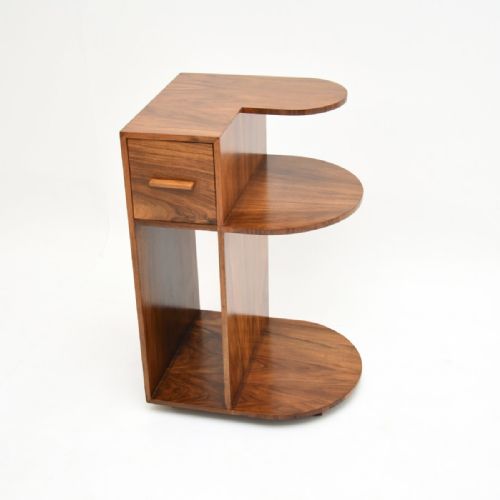
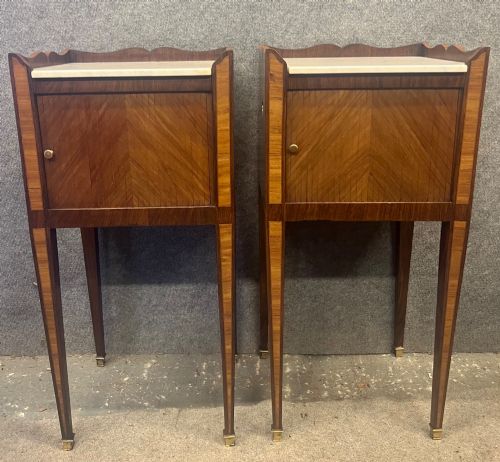
A vintage walnut side cabinet brings rich grain and practical surface space to a room, ranging from compact Art Deco bedsides to French marble-topped commodes.
Vintage Walnut Side Cabinet
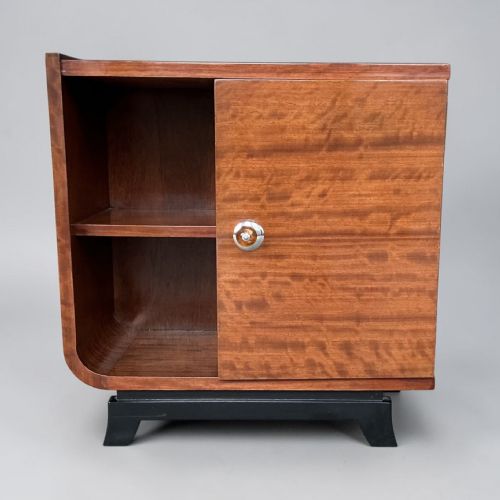
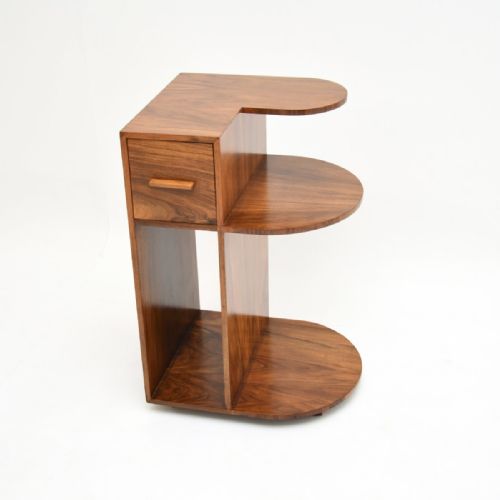
A vintage walnut side cabinet encompasses a diverse range of smaller storage and display furniture designed for domestic interiors. When searching for this phrase, buyers encounter pieces spanning the nineteenth and twentieth centuries, including Victorian salon pieces, Edwardian examples, and striking 1930s Art Deco designs.
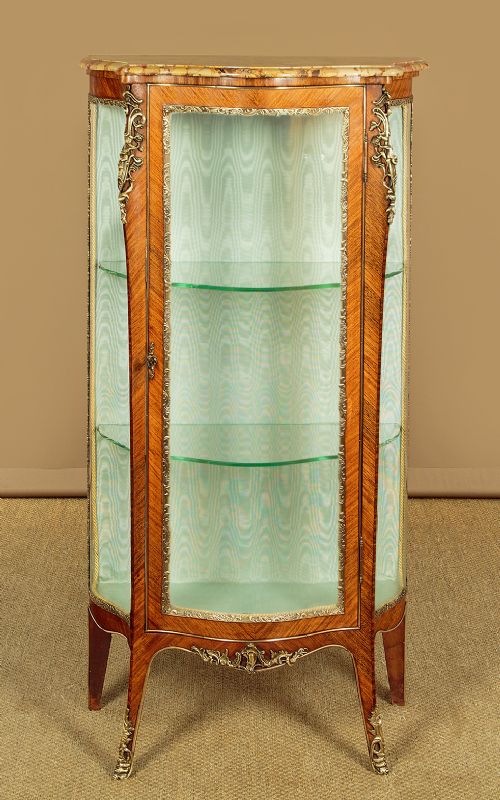
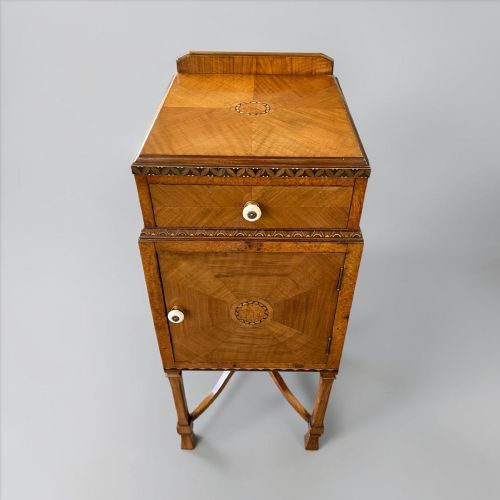
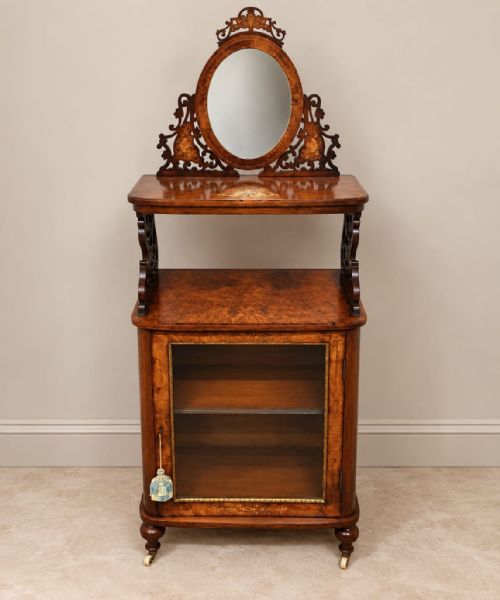
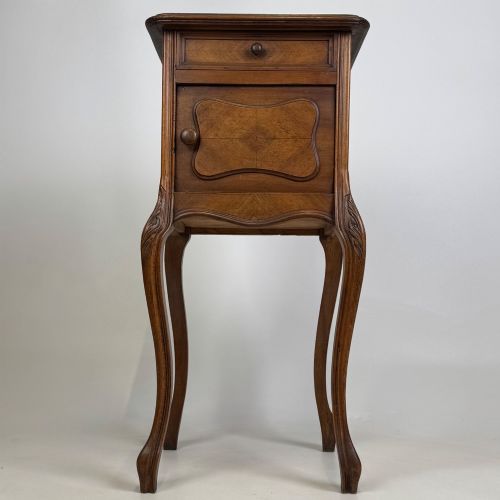
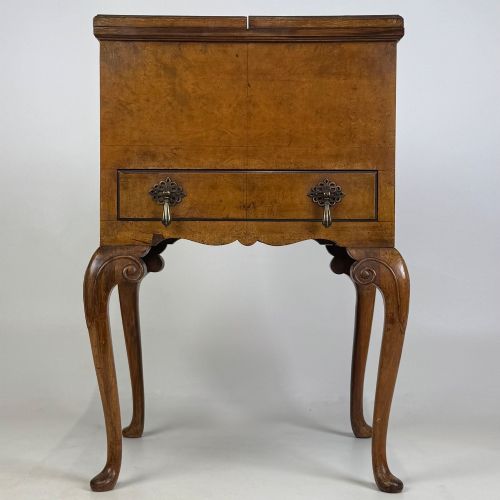
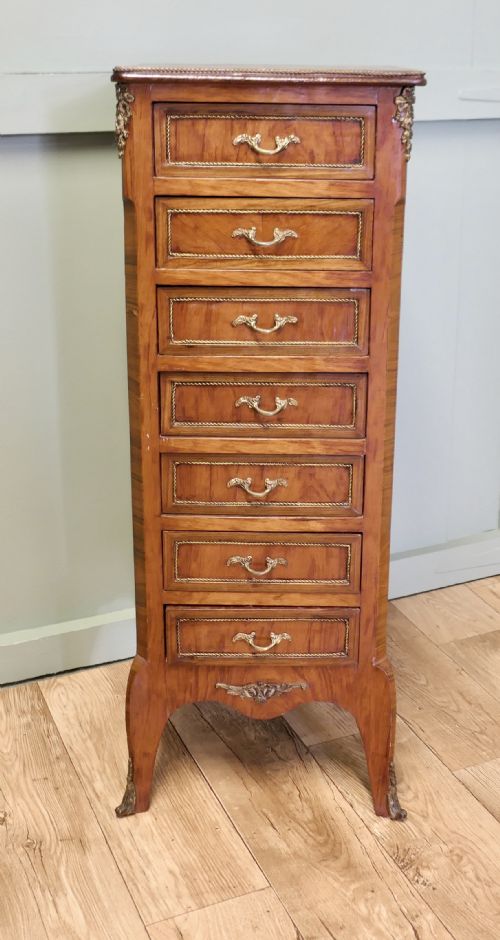
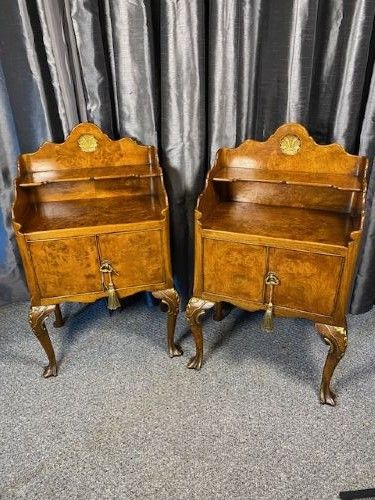
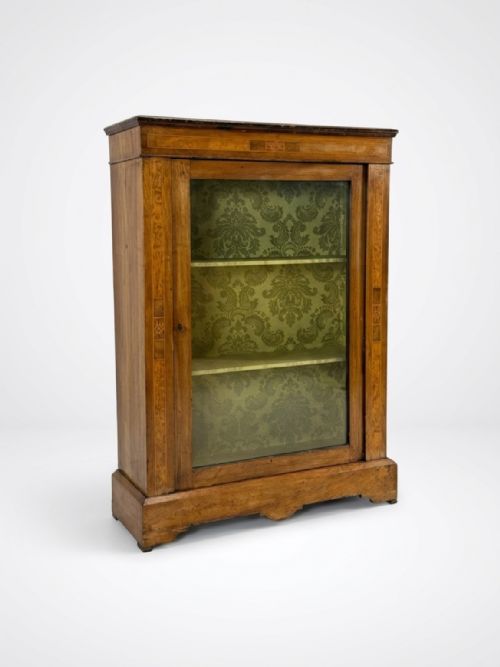
The selections on this page feature forms such as bedside tables, lamp tables, commodes, pier cabinets, and small vitrines. French provincial and Louis XV style influences appear alongside English Victorian and Edwardian craftsmanship, offering varied proportions and silhouettes for modern rooms.
Burr walnut and figured veneer surfaces dominate the forms, frequently paired with marble tops, brass mounts, or marquetry inlay. These smaller cabinets serve multiple functions within a home, acting as bedside storage, lamp supports, or compact display units.
Materials and construction methods
Makers utilised solid walnut and decorative veneers, notably burr walnut and figured walnut, to create rich patterned surfaces on carcases and drawer fronts. Marquetry inlay, satinwood accents, and carved details further ornamented the timber across different stylistic periods.
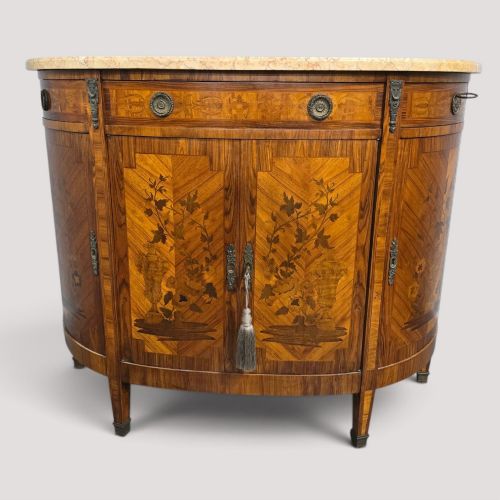
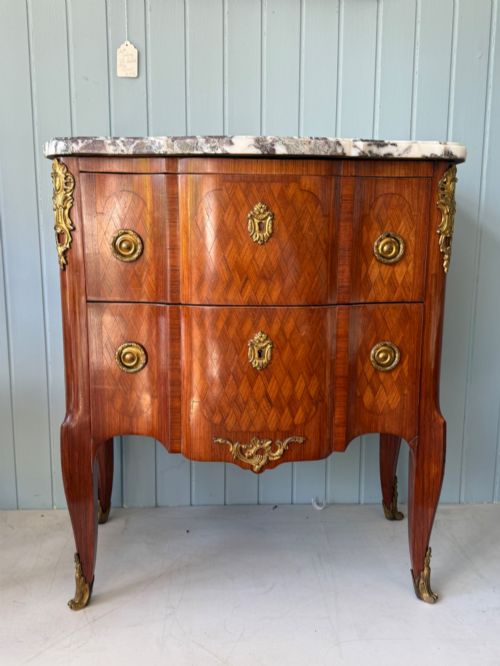
Marble tops in shades of grey featured prominently on French commodes and bedside cabinets, providing a durable and decorative surface. Ormolu mounts and brass hardware completed the construction of many continental pieces, contrasting with the polished timber.
Cabinets incorporated framing techniques suited to the period, from nineteenth-century Victorian joinery to streamlined 1930s Art Deco construction. Turned legs, console supports, and pedestal bases provided structural foundation for the varied cabinet forms.
Listings span the Victorian era, Edwardian period, and the 1930s, incorporating materials such as walnut, burr walnut, marble, and ormolu.
Assessing quality in walnut furniture
The standard of timber selection largely dictates the distinction between ordinary and exceptional pieces. Cabinets featuring symmetrical burr walnut figures or intricate marquetry inlay demonstrate greater craftsmanship than plain veneered surfaces.
Original mounts, integrated marble tops, and intact brass hardware preserve the integrity of the piece. The finesse of carved details on French Louis XV style frames or Edwardian mouldings indicates the level of attention given by the maker.
Walter Carter Harrods
The Vintage Walnut Side Cabinet Glossary
- Burr walnut
- A decorative timber veneer taken from the growth growths of a walnut tree. It produces highly figured, swirling patterns prized in cabinet making.
- Commode
- A low chest of drawers or cabinet with doors, originating in France. These pieces frequently feature marble tops and decorative marquetry.
- Ormolu
- Gilt bronze mounted on furniture as decorative feet, handles, or mounts. This technique was widely utilised in French cabinet making.
- Marquetry
- The art of applying pieces of veneer to a structure to form decorative patterns. Floral and geometric motifs appear across nineteenth and twentieth-century cabinets.
- Vitrine
- A glass-fronted cabinet designed for displaying small objects or porcelain. These items often stand on slender cabriole legs.
Vintage Walnut Side Cabinet: Frequently Asked Questions
Where should I place a vintage walnut side cabinet?
These compact cabinets suit bedrooms as bedside tables or lamp stands where surface space is required next to a bed. They also function well in living rooms and hallways to display objects or store small items.
The varied heights and widths available allow them to fit into alcoves or smaller corners without overwhelming a room's proportions.
How do I care for walnut veneer furniture?
Dust the timber regularly with a soft, dry cloth to prevent dirt buildup on the polished surface. Avoid placing wooden cabinets in direct sunlight or near heat sources to protect the veneer.
Treat marble tops with gentle cleaning products designed for stone to prevent staining from liquids or oils.
Are marble top cabinets French or English?
Marble top cabinets are predominantly French in origin, appearing frequently on nineteenth-century commodes and twentieth-century bedside tables. The grey marble provided a practical surface for washing or placing items.
English walnut cabinets of the same eras generally featured solid timber or veneered wooden tops rather than stone.