
Antique Bedside Storage Cabinets
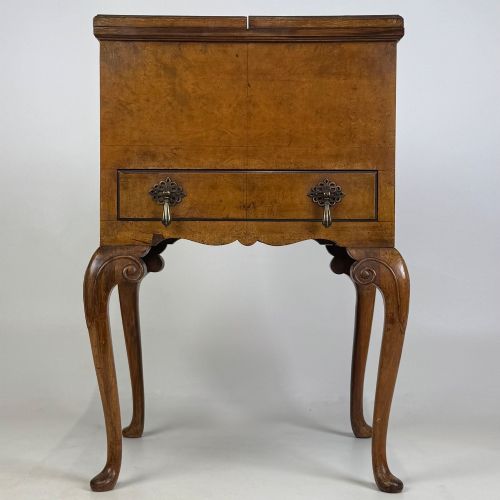
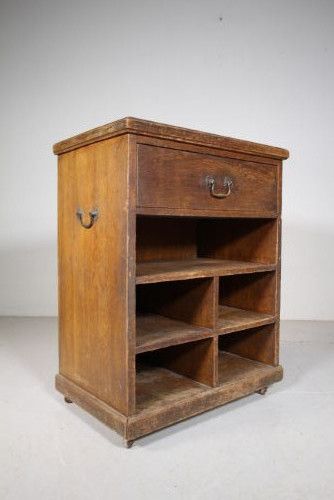
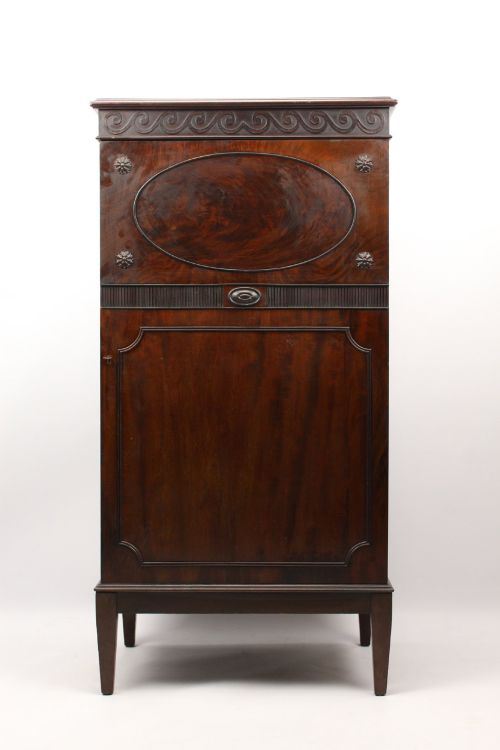
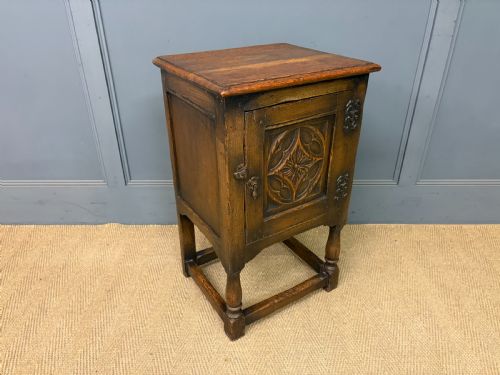
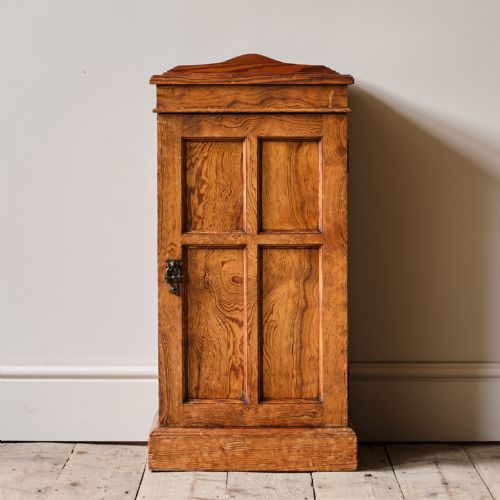
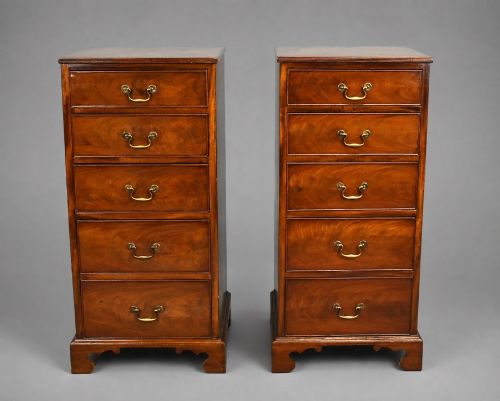
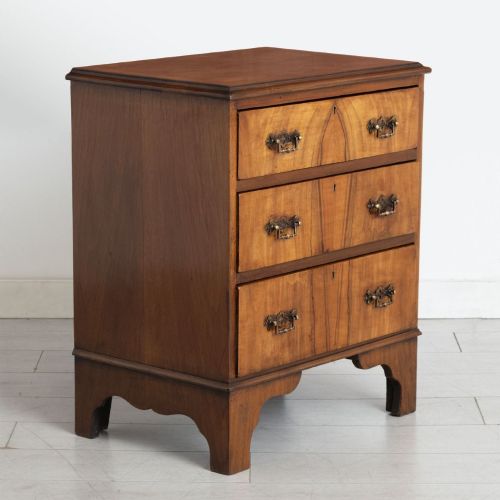
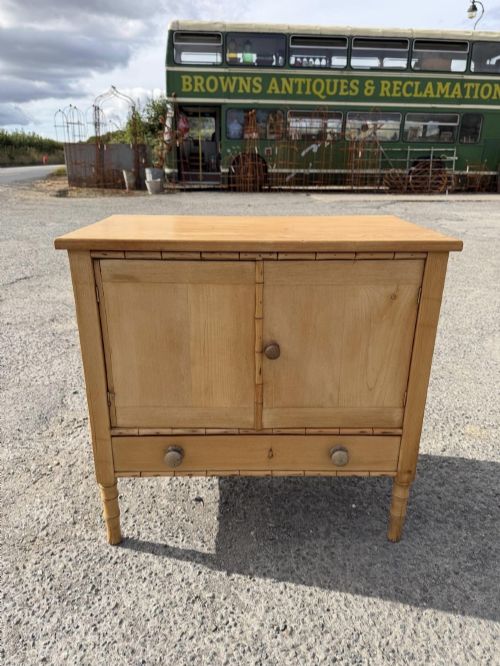
These antique bedside storage cabinets bring compact utility to a bedroom, offering concealed space in mahogany, oak, walnut and pine.
Antique Bedside Storage Cabinets
When you search for antique bedside storage cabinets, you find a practical range of small chests, pedestal cupboards and pot cupboards designed to sit beside a bed. The pieces listed here span the Georgian, Victorian and Edwardian periods, stretching into the nineteen-thirties with Art Deco designs and revival styles.
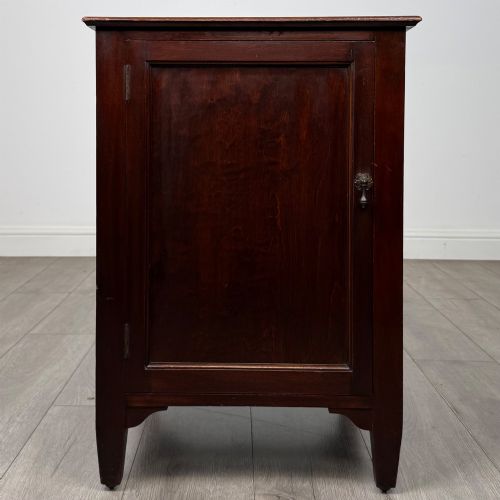
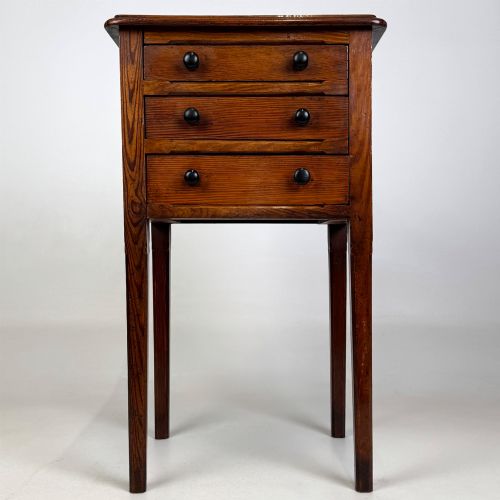
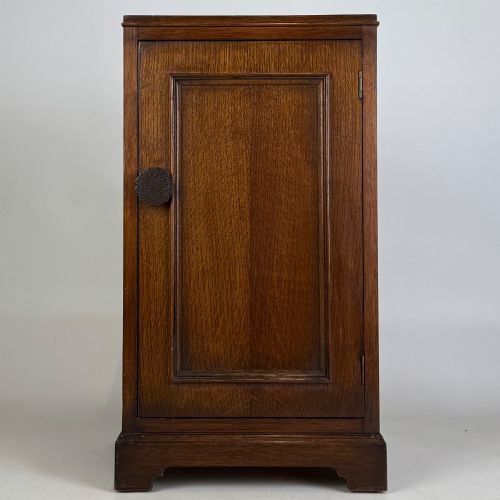
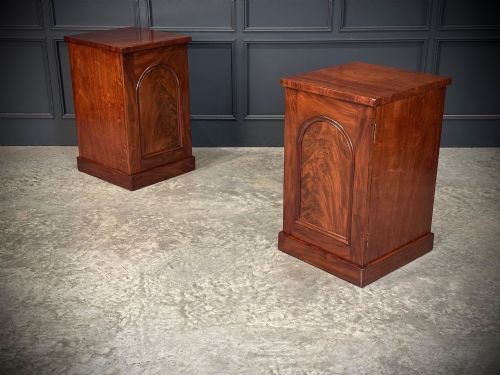
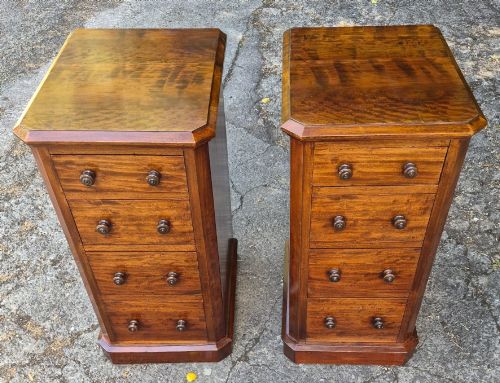
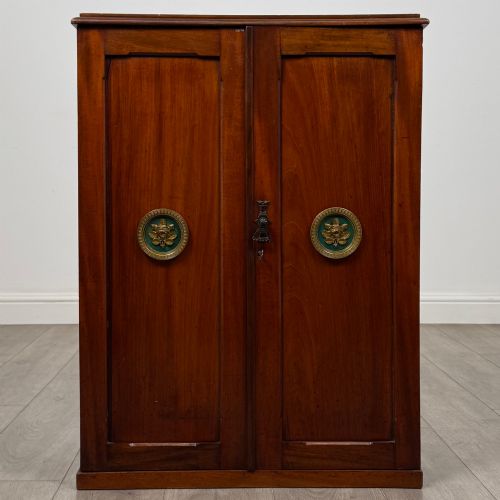
You are most likely to meet mahogany and oak examples from the nineteenth and early twentieth centuries, configured as single doors, small drawers or open shelves. Form follows function closely, resulting in compact footprints intended to hold chamber pots, books or personal items out of sight.
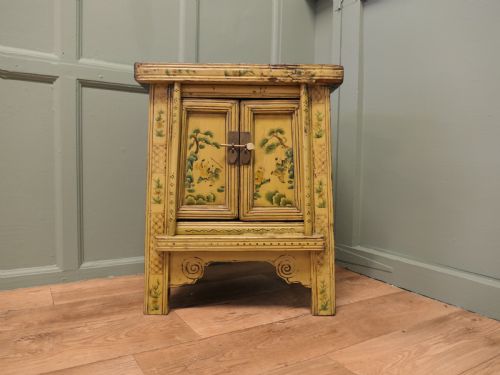
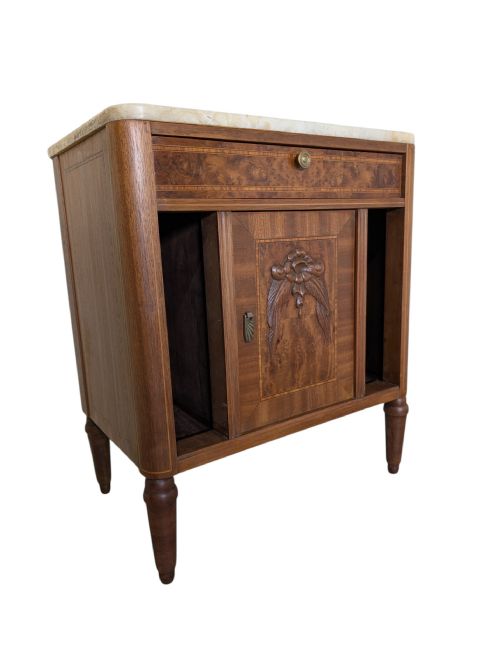
The selection includes matched pairs alongside individual pieces, taking varied forms such as Chinoiserie decorated cabinets, faux bamboo pine, and marble-topped bedside cupboards. Each variant reflects the domestic habits and interior tastes of its specific decade of production.
Materials and construction methods
Cabinet makers relied heavily on hardwoods like mahogany, walnut and oak, often selecting figured veneers such as flame mahogany or burr walnut for visible surfaces. Carved details, inlay and brass hardware appear frequently across the periods, complementing structural timbers like pine and pitch pine used for carcases and interiors.
Construction techniques balanced stability with appearance, employing dovetail joints for drawer construction and panelled doors for cupboards. Marble tops provided durable, wipe-clean surfaces on specific nineteenth-century pieces, while painted finishes such as red and cream Chinoiserie introduced decorative colour to pine and timber bases.
Listings feature bedside storage in mahogany, oak, walnut, burr walnut, pine, brass and marble across Victorian, Edwardian and Art Deco periods.
Distinguishing quality in construction and finish
Quality rests upon the selection of timber and the precision of the cabinet work, distinguishing simple utilitarian cupboards from refined bedroom furniture. Finer pieces display well-figured veneers, crisp carving and careful timber matching across drawer fronts and door panels, whereas simpler items rely on plain stained oak or pine.
The integrity of the internal structure, the smoothness of drawer operation and the originality of brass handles or marble slabs separate standard examples from superior ones. Proportions and decorative restraint also mark out better pieces, whether executed in plain mahogany or styled with Georgian revival details.
Denby and Spinks·Heals
The Antique Bedside Storage Cabinets Glossary
- Pot cupboard
- A small bedside cabinet originally built to enclose a chamber pot behind a single door. These compact pieces now function as standard bedside storage.
- Pedestal cupboard
- A tall, narrow cabinet with a single door opening to interior shelves or space. They often appear as matched pairs flanking a bed.
- Burr walnut
- A prized timber veneer taken from the knotted growths of walnut trees. It yields complex, swirling grain patterns highly valued on nineteenth-century cabinet doors.
- Faux bamboo
- Wood turned and carved to imitate natural bamboo stalks. This decorative technique appears on nineteenth-century pine and hardwood furniture.
Antique Bedside Storage Cabinets: Frequently Asked Questions
What is a pot cupboard?
A pot cupboard is a small enclosed bedside cabinet historically designed to hold a chamber pot. They typically feature a single door and sometimes a small drawer above.
Today, these compact units serve as versatile bedside tables for modern storage needs while retaining their traditional proportions.
Are bedside cabinets usually found in pairs?
Many antique bedside cabinets survive as matched pairs, though single pieces are equally common due to changing bedroom layouts over the centuries. Pairs were traditionally manufactured for twin beds or grander double bed arrangements.
Matching pairs command distinct interest from collectors seeking symmetry on both sides of a bed.
What woods were used for bedside cabinets?
Mahogany, oak and walnut dominate the selection, ranging from plain timbers to highly figured flame mahogany and burr walnut veneers. Softer woods like pine and pitch pine also appear, sometimes finished with paint or faux bamboo carving.
Choice of wood frequently corresponds to the period and stylistic preferences of the original maker.
How do I date an antique bedside cabinet?
Dating relies on combining stylistic clues, construction methods and timber choices observed across different eras. Georgian and Victorian pieces show distinct proportions and joinery compared to later Edwardian or Art Deco examples.
Details like brass hardware, drawer dovetailing and decorative motifs help narrow down the decade of production.