


Victorian Walnut Bedside
A victorian walnut bedside piece brings warmth and practicality to a bedroom, offering concealed storage alongside a bed.
Victorian Walnut Bedside
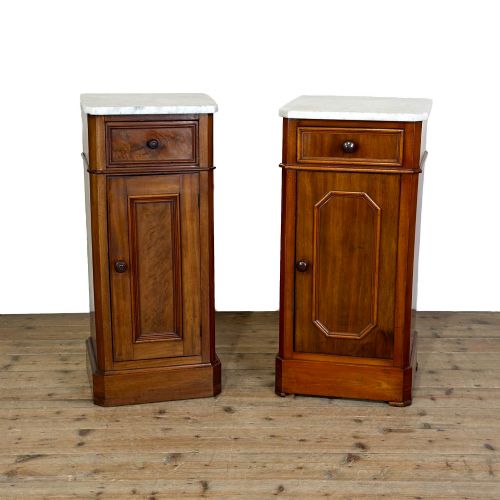
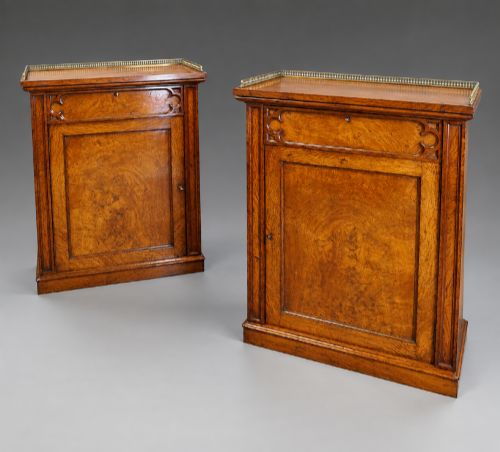
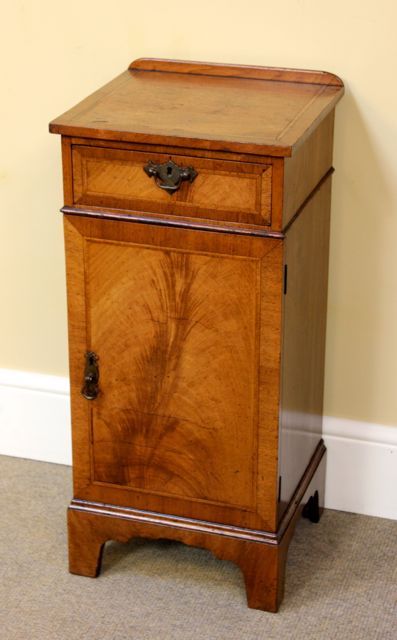
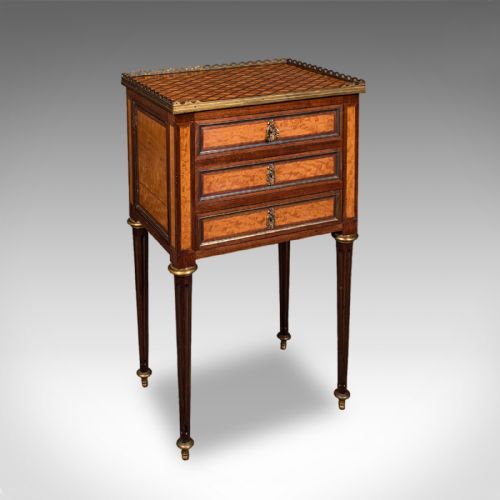
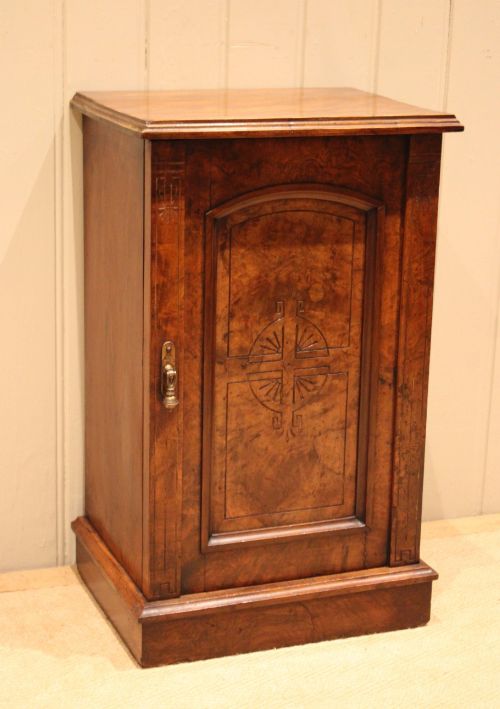
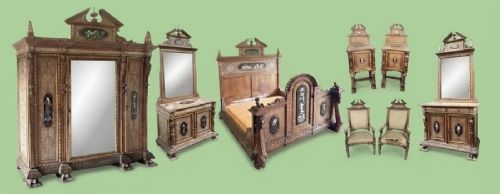
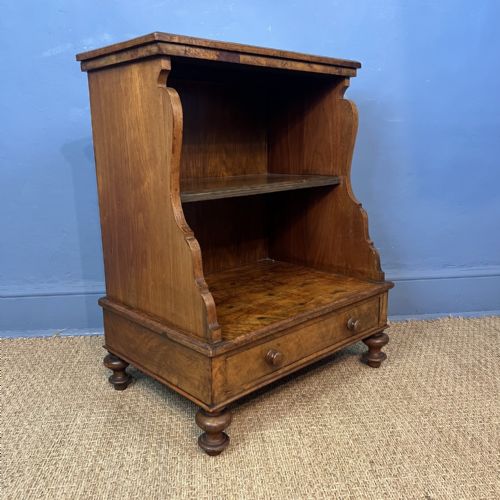
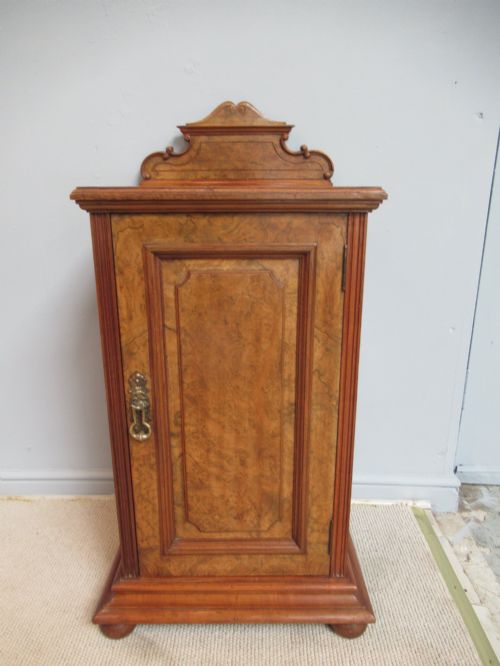
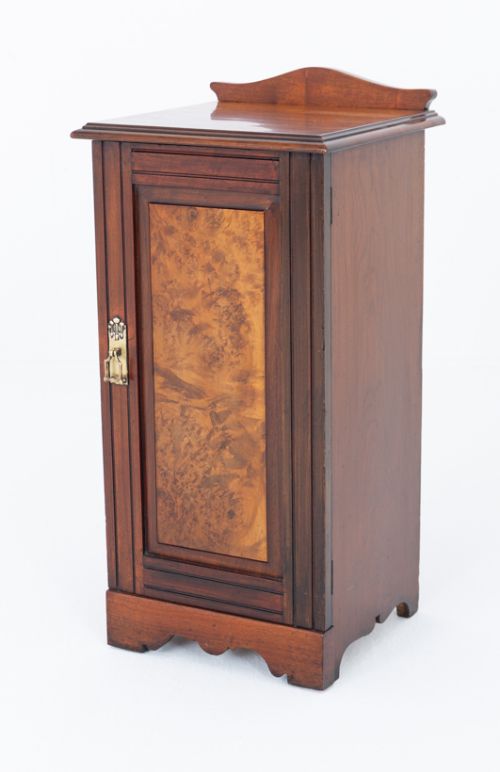
A victorian walnut bedside piece serves as a functional bedroom cabinet or small chest, designed to sit beside a sleeping berth. These items appear primarily as single cupboards, pedestals, or matching pairs dating from the nineteenth century.
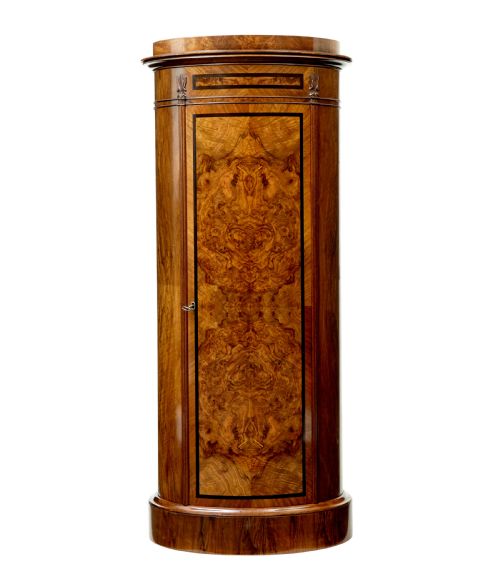
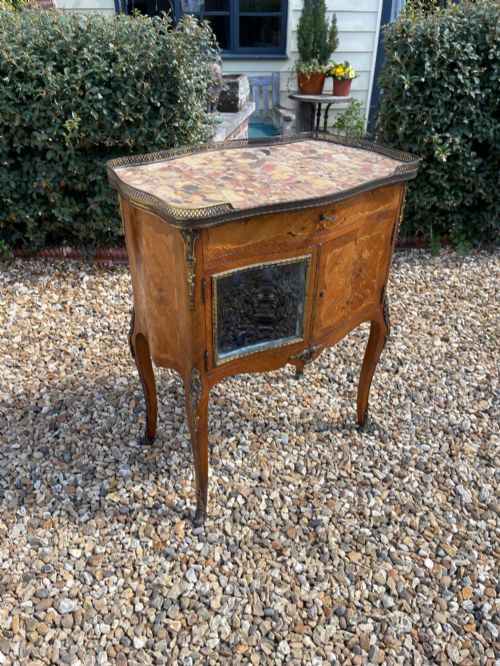
The domestic forms vary from traditional pot cupboards with single doors to small multi-drawer chests, lockers, and marble-topped nightstands. French revival influences and cylindrical shapes also emerge among the standard rectangular carcases.
How They Were Made
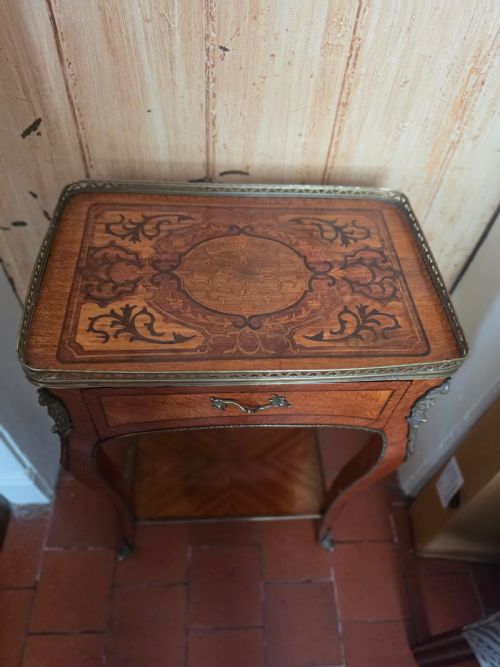
Cabinet makers utilised solid timber and structural pine carcases overlaid with decorative walnut veneers, particularly burr and figured varieties. Marquetry inlay, brass mounts, and polished marble tops frequently complete the construction of finer examples.
Internal elements often include single shelves within cupboards or closely fitted banks of small drawers. Joinery methods reflect nineteenth-century workshop practices, combining hand-cut dovetails with applied mouldings.
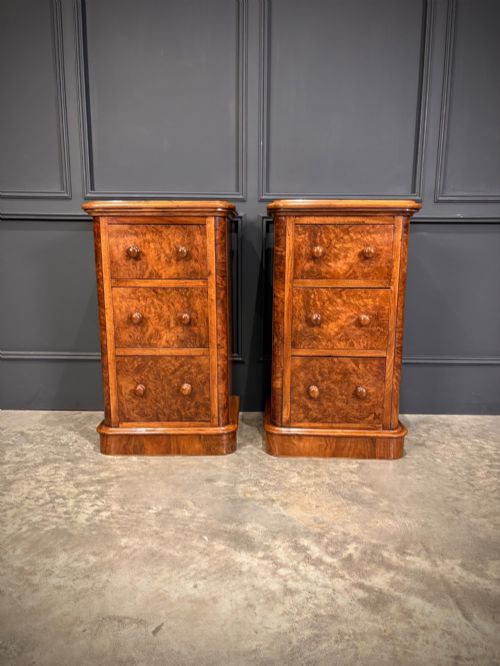
The archive records frequent examples of modular four-drawer chests and single-door pedestals originating from the Victorian era.
What Varies in Quality
The standard of a victorian walnut bedside piece depends heavily on the selection of the wood veneer and the crispness of any carved or inlaid details. Figured and burr surfaces display intricate grain patterns that elevate the visual depth of the cabinet.
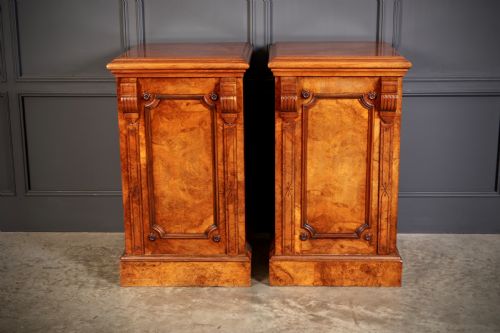
Structural integrity and original hardware, such as brass drawer pulls or lock escutcheons, separate standard utilitarian items from exceptional workshop productions. Matched pairs command particular attention due to the difficulty of sourcing uniform pieces.
Waring & Gillows·Trapnell & Gane·M. Woodburn
The Victorian Walnut Bedside Glossary
- Burr walnut
- A prized timber cut from growths on walnut trees, showing swirling, knotted grain patterns. It provides a highly decorative surface for nineteenth-century cabinet doors and drawer fronts.
- Pot cupboard
- A dedicated bedside cabinet historically designed to house a chamber pot behind a single door. Many examples now function simply as general storage lockers.
- Marquetry
- The art of applying small pieces of veneer to form decorative patterns and floral motifs. This technique distinguishes high-status decorative cabinets.
- Pedestal
- A tall, narrow freestanding cabinet design. These units often contain internal shelving or tiers of small drawers.
- Lockers
- An alternative nineteenth-century term for bedside chests or small storage cabinets. They typically feature multiple drawers or enclosed shelving.
Victorian Walnut Bedside: Frequently Asked Questions
What is a pot cupboard?
A pot cupboard is a small enclosed bedside cabinet originally designed to conceal a chamber pot.
Today, these compact cupboards serve as convenient bedside storage for books and personal items.
How do I spot burr walnut?
Burr walnut displays a dense, swirling cluster of small knots and intricate grain patterns across the timber surface.
Cabinet makers used these figured veneers on prominent exterior surfaces to create visual richness.
Are marble tops original?
Many nineteenth-century bedside cabinets incorporated inset marble slabs to provide a durable, wipe-clean surface for water jugs and lamps.
These stone tops were fitted directly into the timber frame during the initial manufacturing process.
Why buy a matching pair?
Matching pairs provide symmetrical balance on either side of a larger bed frame in a master bedroom.
Finding two identical nineteenth-century cabinets is uncommon, as many survived over the decades as single items.