





Victorian Wall Shelves
When you need victorian wall shelves, you are looking at practical nineteenth-century display furniture designed to lift ornaments, books, and mirrors off the floor.
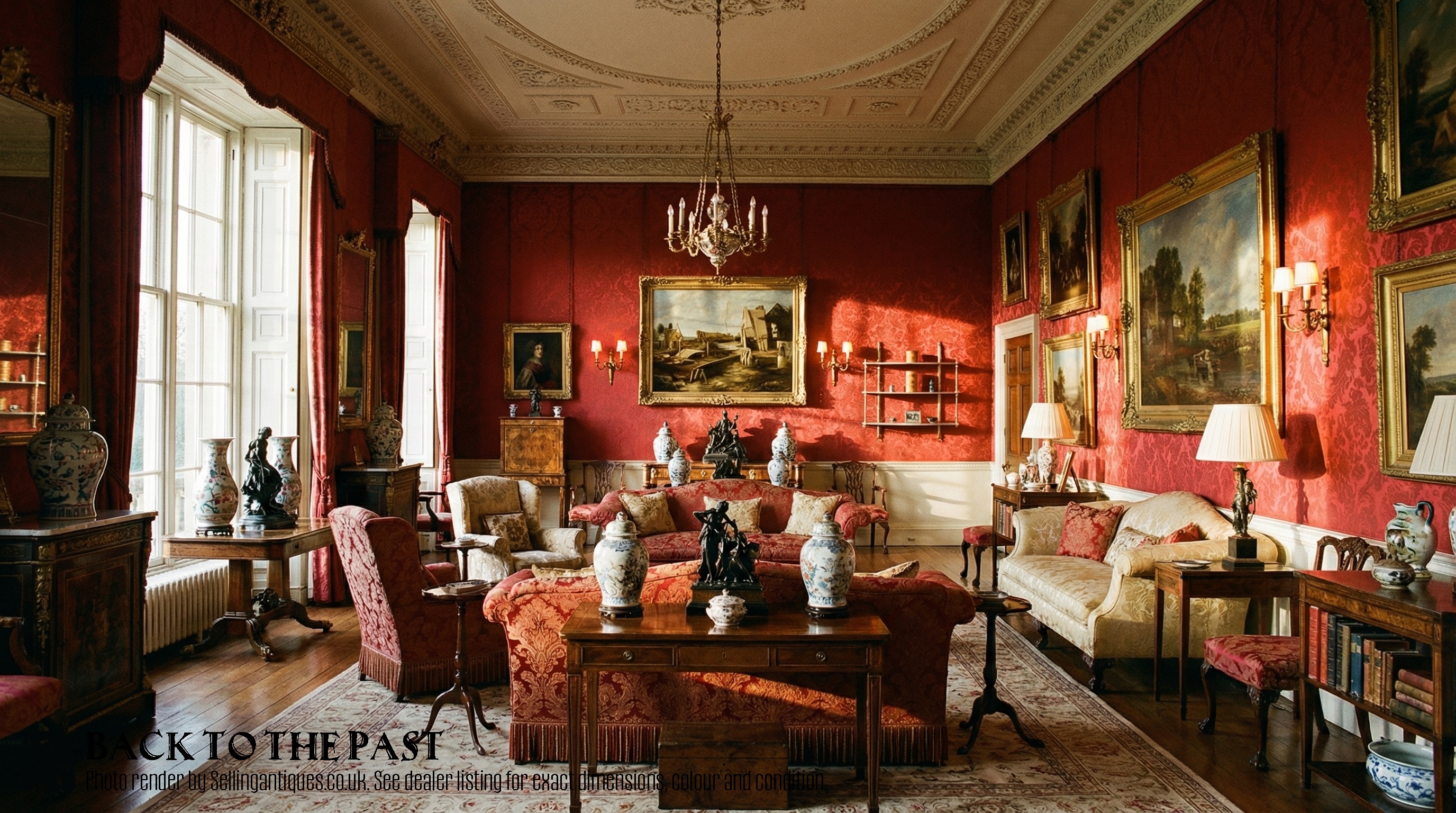
Victorian Wall Shelves
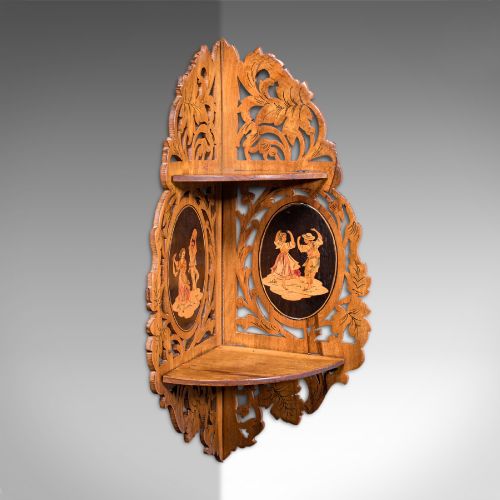
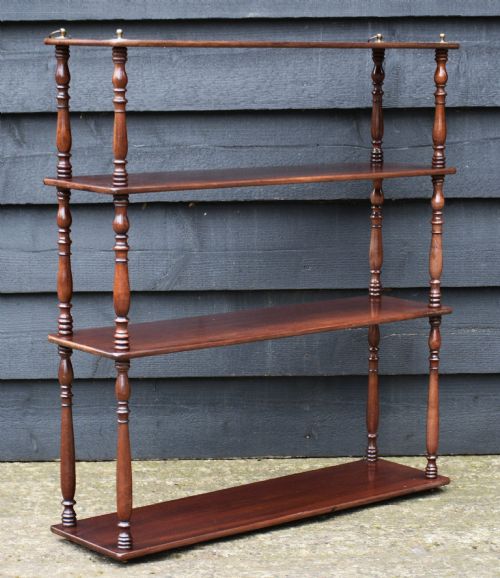
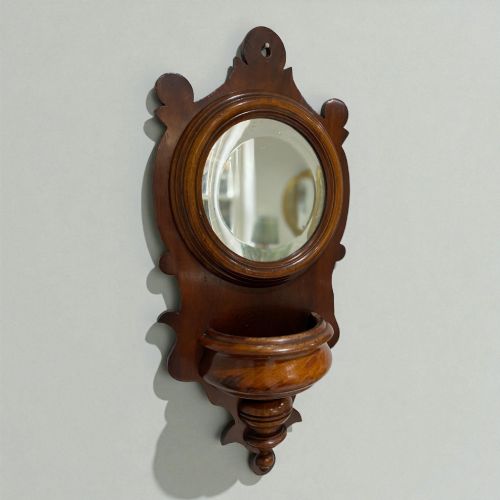
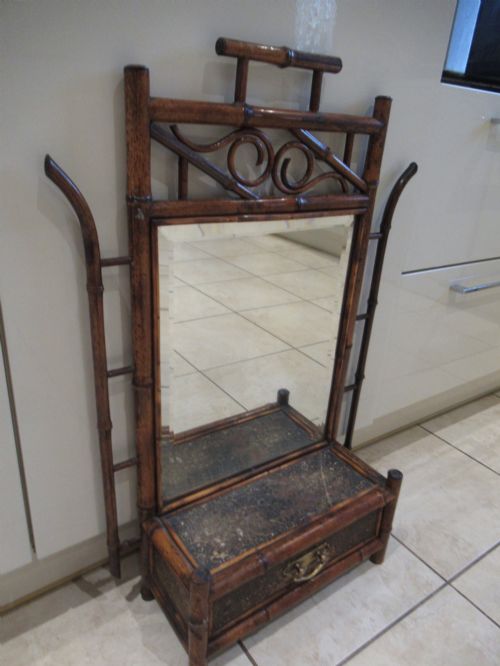
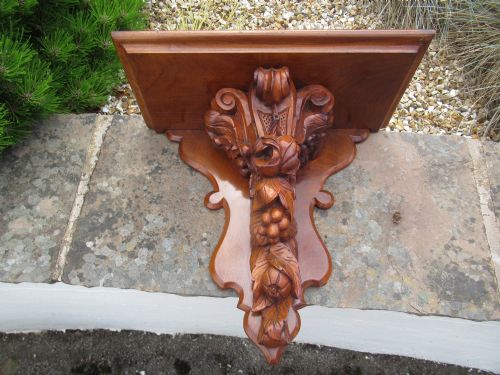
When searching for victorian wall shelves, buyers encounter multi-tiered hanging display furniture primarily originating from the nineteenth century. The examples met most frequently on this page comprise solid mahogany or walnut multi-tier hanging shelves, alongside corner brackets and mirrored display combinations.
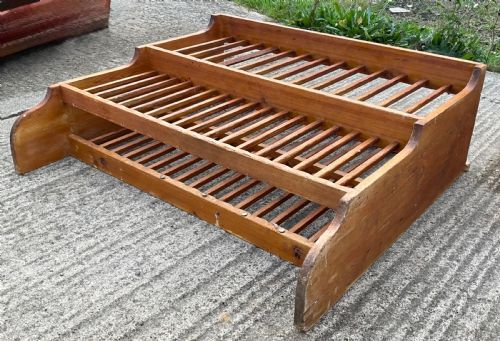
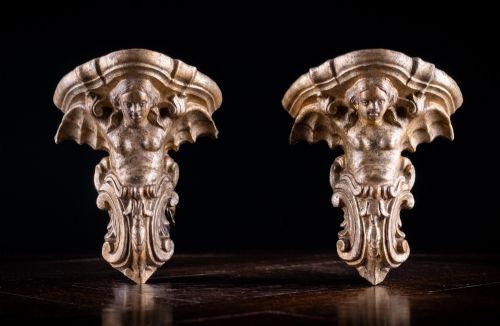
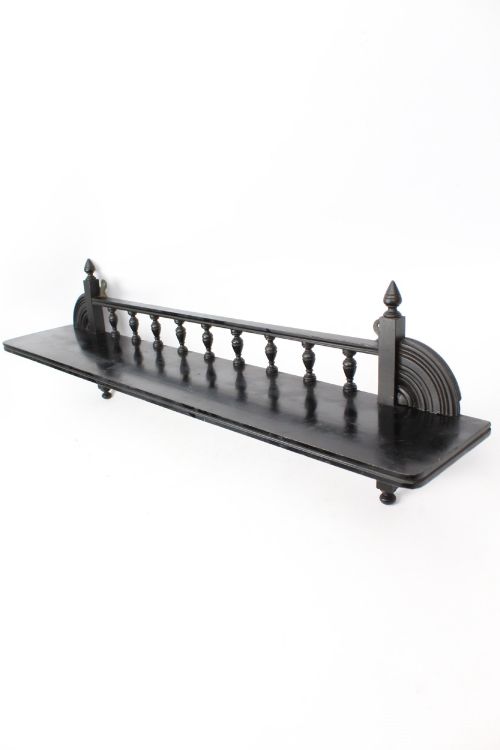
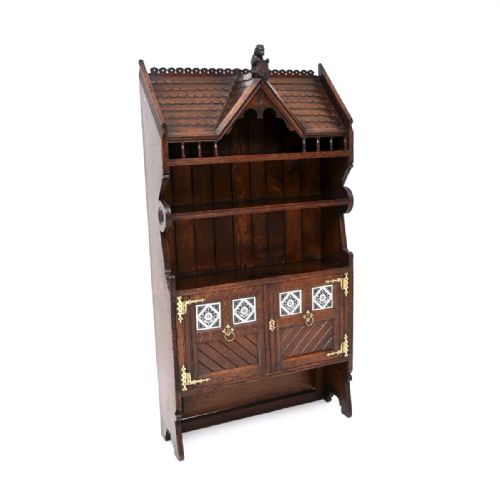
Makers and workshops constructed these pieces in forms ranging from simple two-tier pine kitchen racks to elaborate gothic revival bookcases and gilt gesso mirrored ledges. Styles span standard victorian vernacular to aesthetic movement ebonised designs, french chateau influences, and sorrento inlaid olive wood.
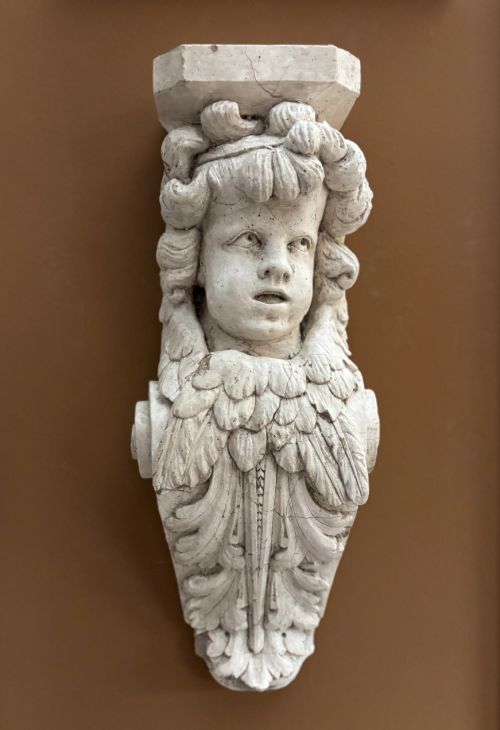
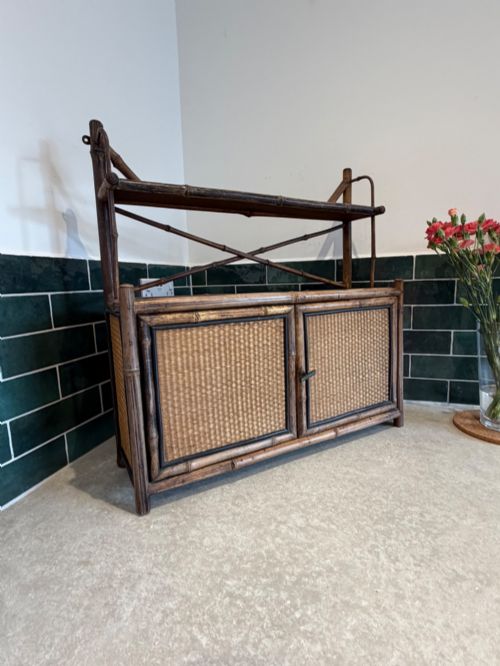
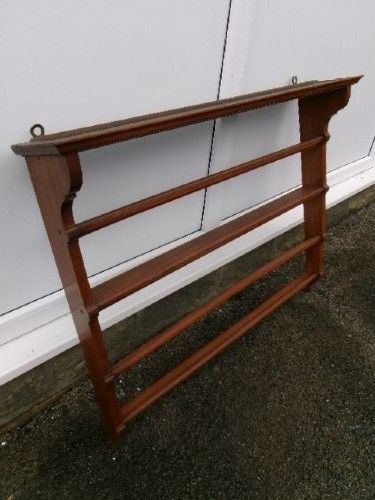
Functional variations include graduated shelving depths, integrated cupboards, and galleried edges designed to secure ceramics and glassware safely against the wall. Pieces frequently merge display surfaces with structural corbels, girandoles, or small cabinets intended for parlours and bedrooms.
Materials and Construction
Cabinetmakers built these wall fixtures using dense hardwoods such as mahogany, walnut, and oak, alongside softer pine, satin birch, and elm for regional or domestic utility pieces. Workshops enhanced decorative surfaces with giltwood, gesso, brass fittings, marquetry inlay, and parcel-ebonising.
Construction relied on dovetailed joints, turned supports, fret-cut pierced brackets, and applied carved corbels to sustain weight while maintaining visual lightness. Mirrors incorporated bevel-cut glass plates held within carved or gilded frames.
Victorian Wall Shelves Retail Price Guide 2026
Typical asking prices for victorian wall shelves among the pieces listed under this phrase on Sellingantiques today, from the lower quarter to the upper quarter. They describe what is for sale here now, not the wider market.
Listings show wall shelves executed in mahogany, walnut, oak, and pine, spanning the early nineteenth century through to nineteen-ten.
Judging Quality and Execution
Quality separates according to the precision of timber selection, the crispness of carved scrollwork, and the structural integrity of tier supports. Superior examples display dense, figured mahogany or walnut grain, finely turned spindles, and robust mounting points that integrate cleanly into the design.
Lower-tier items utilise plainer pine or simpler joins with minimal ornamentation, whereas top-tier production incorporates detailed fret-cutting, intact original gilding, brass gallery rails, and balanced proportions across multiple tiers.
George Edmund Street·Cottier and Co·Liberty and Co
The Victorian Wall Shelves Glossary
- Corbel
- A projecting bracket of stone, wood, or other material supporting a weight. In these listings, carved wooden corbels often support shelf tiers.
- Gesso
- A plaster mix applied to wood surfaces as a base for gilding or painting. Victorian makers used gesso extensively on gilt frames and ornamental brackets.
- Whatnot
- An open set of multi-tiered shelves used for displaying ornaments and bric-a-brac. These items appear both as freestanding furniture and wall-mounted variants.
- Girandole
- A branched candle holder fixed to a wall, frequently incorporating a mirror. Late nineteenth-century examples often combine small display ledges with reflective glass.
- Overmantel
- A decorative structure placed above a fireplace mantelpiece. Surviving pieces frequently integrate mirror plates and small display shelves.
Victorian Wall Shelves: Frequently Asked Questions
How were victorian wall shelves mounted?
Cabinetmakers fitted brass screw eyes, plates, or integrated hanging brackets directly into the structural backing boards or vertical uprights of each piece. This allowed the weight of the timber and displayed objects to transfer securely against wall fixings.
Heavier multi-tier bookcases and mirrored cabinets required robust wall anchors to support the combined load of books and ceramics safely.
What rooms did they use them in?
Households placed these shelves primarily in parlours, drawing rooms, and bedrooms to display decorative plates, pocket watches, small books, and portrait miniatures. Kitchens and pantries utilised utilitarian pine versions for storing crockery and spice racks.
Hallways also accommodated smaller bracket shelves and mirror combinations for holding incoming post or providing a final glance before leaving the house.
How do I distinguish walnut from mahogany?
Mahogany exhibits a straight, tight grain with reddish-brown tones that typically darken richly over time under traditional polish. Walnut displays a more pronounced, swirling grain pattern featuring darker chocolate streaks and contrasting lighter figure highlights.
Both timbers received widespread use throughout the nineteenth century, though walnut gained particular favour during aesthetic and revival periods for its decorative surface movement.
Are mirror-backed shelves original?
Many surviving nineteenth-century display shelves feature integrated bevel-cut mirror plates set into the back panel to reflect light and enhance displayed ornaments. These mirrored inserts formed part of the original design in aesthetic and late victorian drawing-room furniture.
Inspection of the original backing boards, glass oxidation, and rebate construction helps confirm whether the mirror glass dates to the period of manufacture.