


Victorian Wall Relief
These Victorian wall relief pieces bring carved depth, cast metal, and moulded plaques into domestic interiors from the nineteenth century.
Victorian Wall Relief
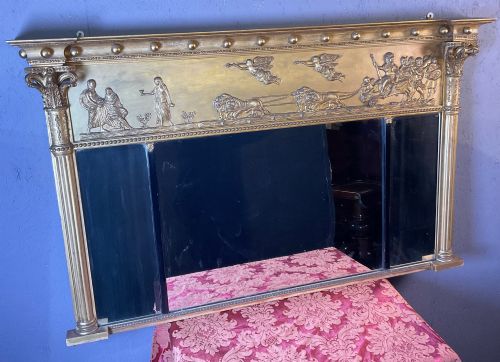
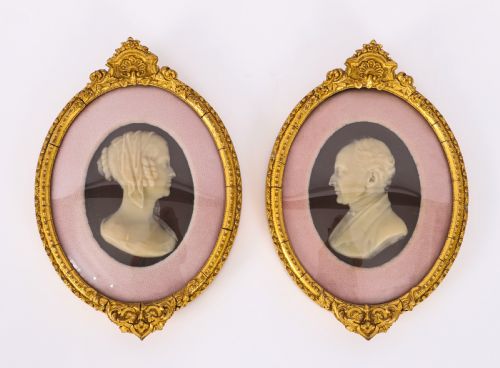
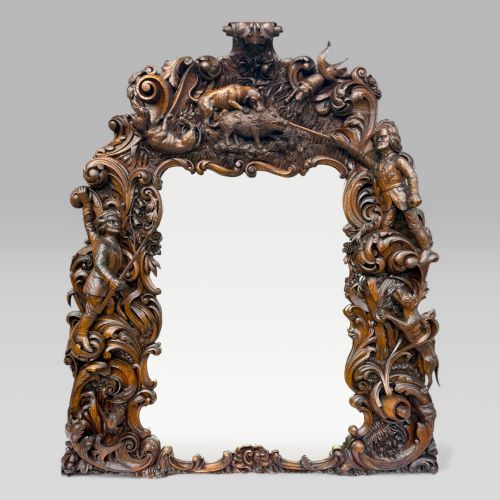
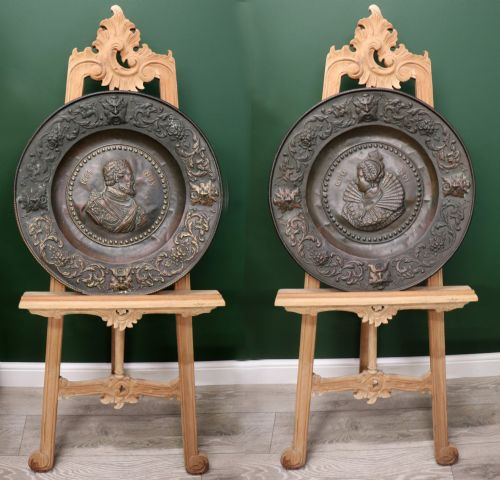
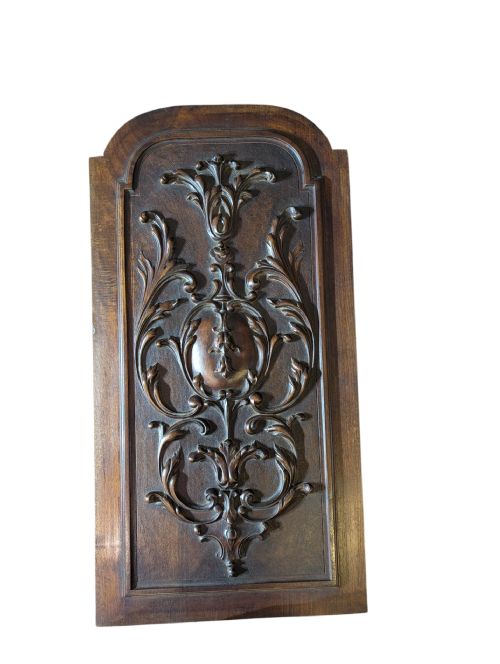
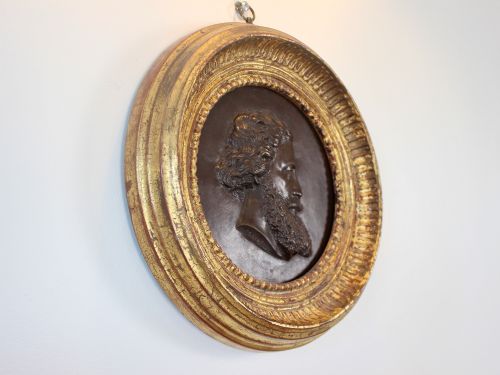
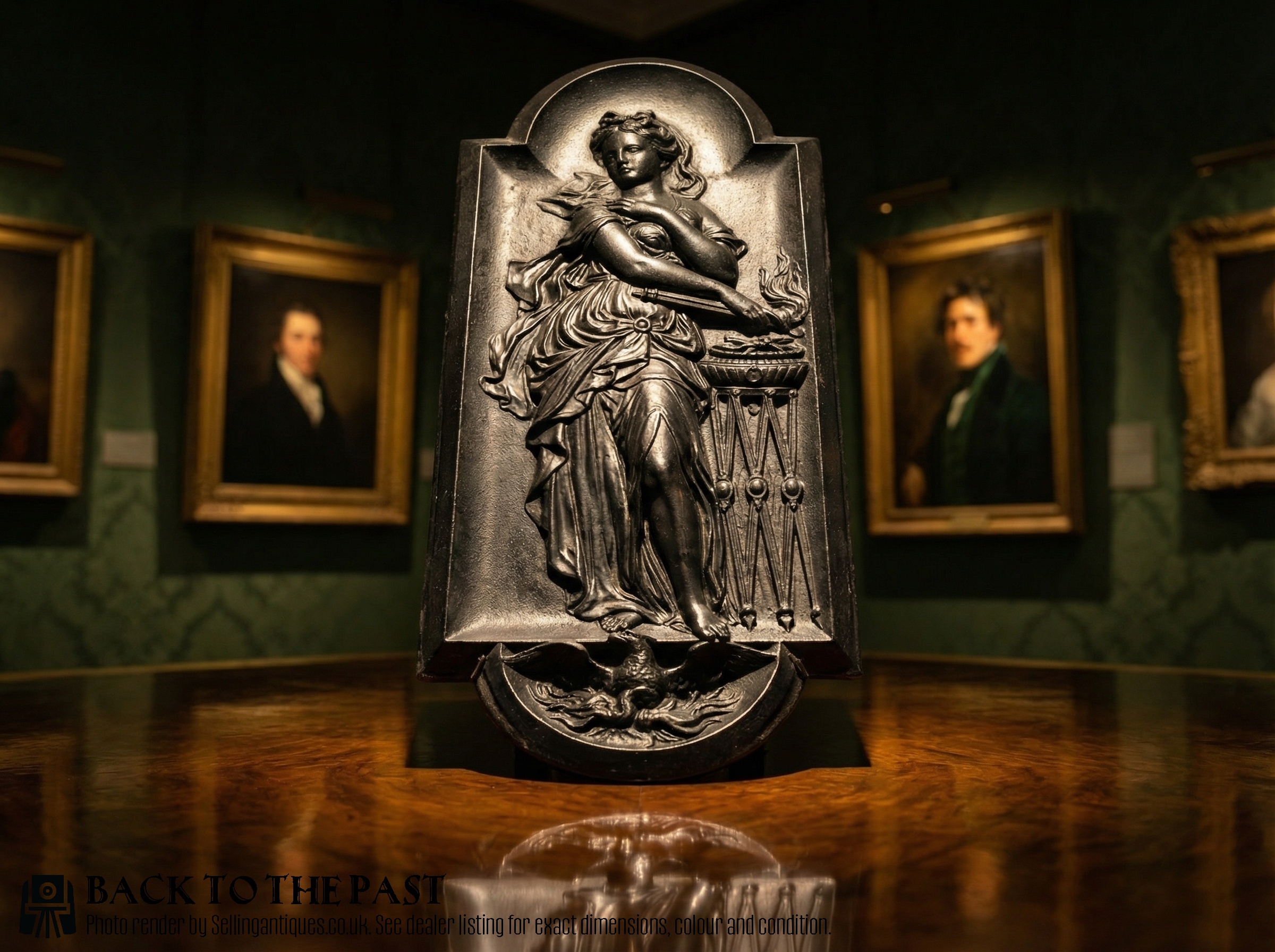
When you search for a victorian wall relief, you encounter sculptural panels, plaques, and mounted carvings made to hang flat against a room's surface. These objects emerge from nineteenth-century workshops in materials spanning carved timber, cast bronze, earthenware, and gesso.
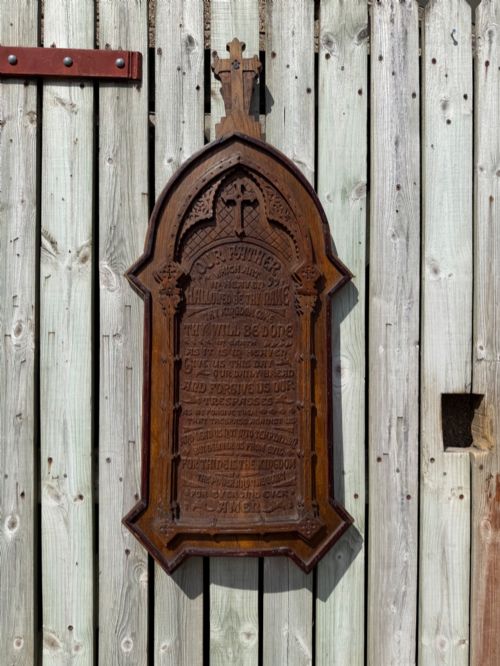
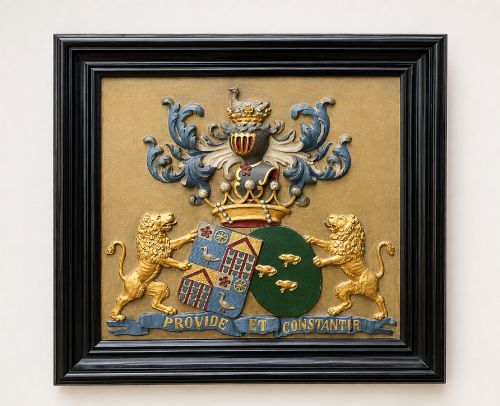
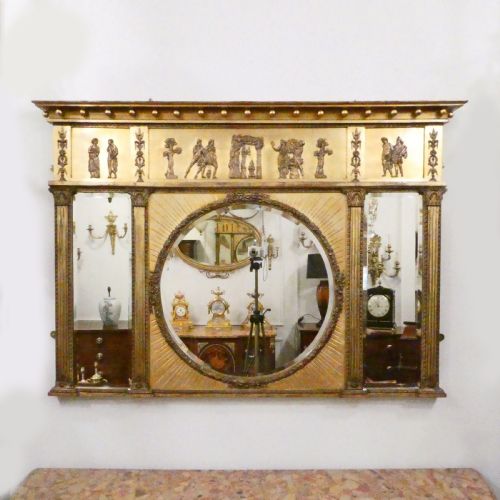
You meet subjects ranging from classical mythology and medieval heraldry to hunting trophies and portraits of historical figures. Many items derive from architectural salvage, overmantel mirrors, or decorative wall panels conceived during the Gothic Revival and Arts and Crafts movements.
Materials and construction
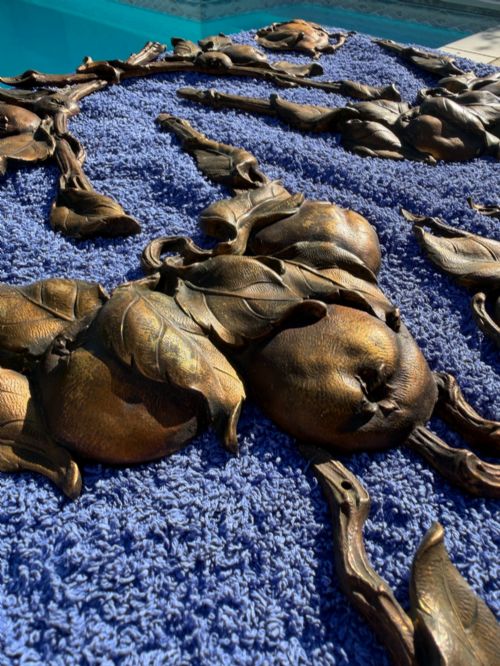
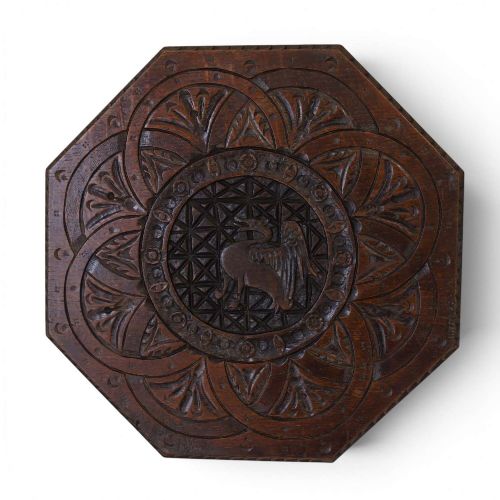
Maker's hands shaped these pieces using traditional carving in oak, walnut, and fruitwood alongside modelling in gesso, terracotta, and wax. Metalwork items utilise cast bronze, copper, and white metal, often with gilded or bronzed patination applied to the surface.
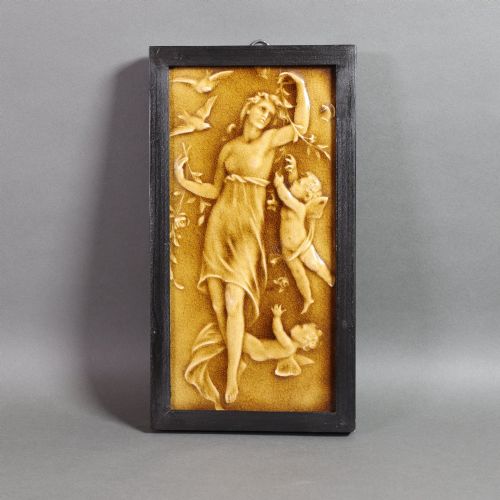
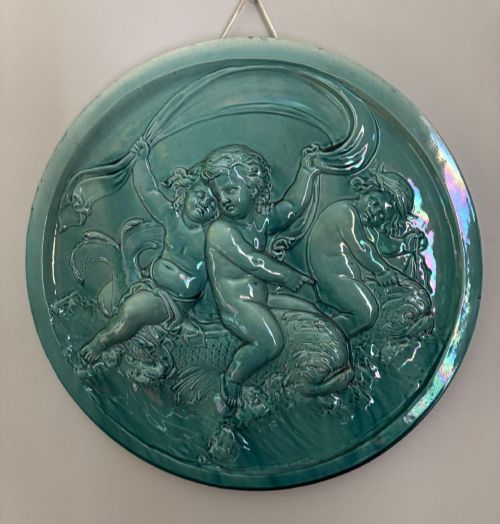
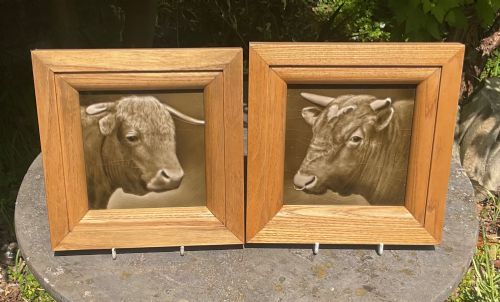
Pottery and tile plaques employ earthenware and majolica fired with coloured glazes. Woodcarvings frequently deploy high relief techniques where figures project significantly from their backing panels.
A refugee monkey family in America finds permanent repose upon an Austrian terracotta wall plaque.
Distinguishing quality
Quality rests upon the crispness of the modelling and the depth of the undercut carving, which separates a spirited artisan piece from a mechanical casting. Master carvers and named foundries achieve anatomical precision and subtle drapery folds that lesser workshops blur.
The choice of material and the preservation of original patination dictate longevity and visual weight. Heavy oak panels and finished bronzes retain their integrity, whereas moulded gesso relies entirely on the stability of its wooden armature.
Poix Blin·Van Rijckevorsel & Verheijen·Clement Messier·Sherwin & Cotton·Mainfroy·Ernst Wahliss·Smith Beck & Beck·Gustav Grohe·Carlhian & Corbiere London
The Victorian Wall Relief Glossary
- Relief
- Sculpture where the figures project from a flat background. High relief involves figures standing out by more than half their natural depth.
- Gesso
- A plaster mixture applied to wood surfaces and moulded to form decorative ornament. It provides a smooth base for subsequent gilding.
- Overmantel
- A decorative panel, mirror, or relief positioned directly above a fireplace mantelpiece. These pieces often anchor the decorative scheme of a nineteenth-century room.
- Majolica
- Opaque tin-glazed earthenware decorated with bright colours. It gained immense popularity during the Victorian period for decorative wall plaques.
- Heraldry
- The design and display of armorial bearings and coats of arms. Carved or cast heraldic plaques often recorded marriage alliances and lineage.
Victorian Wall Relief: Frequently Asked Questions
How were wall reliefs used in Victorian homes?
Homeowners mounted these sculptural panels in principal reception rooms, libraries, and hallways to display taste, learning, or lineage. They served as focal points above mantelpieces, within wall panelling, or as standalone framed artworks.
Larger architectural elements often originated from secular and ecclesiastical buildings before finding new life in domestic interiors. Smaller plaques and ceramic tiles offered an accessible way to introduce classical and natural motifs into ordinary parlours.
What subjects are most common on these plaques?
Portraits of historical figures, classical deities such as Neptune and Diana, and hunting scenes dominate the inventory. Religious texts, heraldic marriages, and allegorical figures also appear frequently across the period.
Arts and Crafts pieces often favour natural forms, maiden figures, and stylised flora. Black Forest carvings lean heavily towards woodland animals and deep forest trophies.
How do I identify the period of a wall relief?
Examine the stylistic vocabulary, which shifts from heavy Renaissance Revival and Gothic Revival forms in the mid-century to lighter Art Nouveau lines by the eighteen-nineties. Material choices and mounting hardware also offer clues to the decade of production.
Signatures, foundry marks, and registration stamps stamped into the bronze or ceramic provide the most reliable dating evidence. Stylistic markers like semi-nude maidens point directly towards the Arts and Crafts era.
How should I hang a heavy wooden or bronze relief?
Ensure the fixing engages directly with structural wall studs or employs heavy-duty masonry anchors rated for the specific weight of the object. Bronze plaques and dense oak panels require robust load-bearing brackets rather than simple picture wire.
Check that the hanging hardware integrated into the back of the antique remains stable and secure. Professional installation is advisable for large overmantels and architectural salvage pieces.