


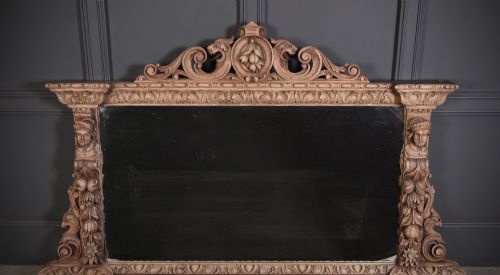

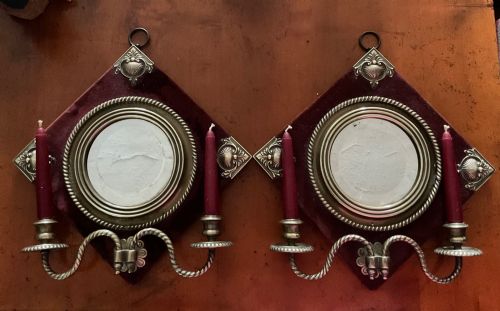


Victorian Wall Light Mirror
These Victorian wall light mirror pieces combine reflective glass with illumination, bringing warmth and period character to any room.
Victorian Wall Light Mirror
A victorian wall light mirror combines a reflective surface with candle sconces or lighting brackets designed to hang securely on a wall. Buyers searching this phrase seek functional illumination paired with decorative glass that enlarges smaller spaces.
The pieces on this page span the Victorian era, the late nineteenth century, nineteen hundred, eighteen eighty, and the Edwardian period. Forms range from girandoles and candle sconces to maple, oak, and brass framed wall mirrors.
Makers and designers drew upon Victorian, Rococo Revival, Chinoiserie, and French Neo-Renaissance styles. These varied aesthetics allowed makers to produce items suited for both formal reception rooms and intimate boudoirs.
Materials and construction methods
Craftsmen utilised traditional materials including glass, mirror glass, brass, giltwood, metal, maple, oak, and velvet. These substances provided the structural rigidity and decorative sheen required for wall-hung lighting and reflection.
Carpenters and metalworkers shaped frames through carving, casting, and gilding, mounting reflective mirror glass and metal sconce arms securely to the wooden or bronze backplates. The integration of gilt carvings and velvet backings demonstrated meticulous workshop assembly.
Victorian Wall Light Mirror Retail Price Guide 2026
Typical asking prices for victorian wall light mirror among the pieces listed under this phrase on Sellingantiques today, from the lower quarter to the upper quarter. They describe what is for sale here now, not the wider market.
Parisian workshop E.G left behind numbered bronze girandoles, proving that nineteenth-century interior lighting came with serial numbers.
Distinguishing quality across examples
Quality rests in the crispness of the carving, the weight and finish of the brass or bronze, and the preservation of the original giltwood surfaces. Superior examples display refined detail in stylistic elements like Rococo Revival curves or Chinoiserie motifs.
The integrity of the mirror glass and the secure attachment of the sconce arms separate ordinary production from finer workshop output. Well-preserved framing timbers such as maple and oak maintain structural stability without excessive repair.
E.G Paris
The Victorian Wall Light Mirror Glossary
- Girandole
- A branched wall sconce fitted with a mirror to multiply the effect of the candlelight. These pieces frequently feature ornate gilt or bronze frames.
- Sconce
- A wall-mounted lighting fixture designed to hold candles or lamps. They are often paired with mirrors to enhance room illumination.
- Giltwood
- Wood that has been treated with gold leaf or a gold-coloured finish. This material reflects candlelight brilliantly in period interiors.
- Chinoiserie
- A decorative style reflecting European interpretations of Chinese artistic traditions. It appears on frames with distinctive painted or lacquered motifs.
Victorian Wall Light Mirror: Frequently Asked Questions
What is a wall light mirror?
A wall light mirror is a decorative looking glass fitted with integrated candle sconces or lighting arms. This combination allowed homeowners to illuminate spaces while creating an illusion of depth.
Such items served as functional art pieces in hallways and principal rooms during the nineteenth century.
Where were they placed originally?
These pieces typically hung between windows or above mantelpieces to catch and multiply ambient light. Their dual function saved table space while brightening darker corners of period homes.
Placing them strategically maximised the glow from candles before the widespread adoption of electric lighting.
How do I care for antique mirrors?
Maintain the glass and frames using dry, soft cloths to remove dust without disturbing historic finishes. Avoid commercial chemical sprays that can damage aged silvering or delicate giltwood.
Ensure wall fixings remain secure to support the combined weight of the timber, metal, and glass safely.
How do I identify a Victorian piece?
Examine the construction materials, framing techniques, and stylistic cues such as Rococo Revival flourishes or heavy brass casting. Surviving labels, stamps, or backplate numbering can also point towards specific periods.
Comparing the wood species, including maple and oak, helps establish the likely manufacturing era.