



Victorian Velvet Lined Box
These victorian velvet lined box selections comprise period containers crafted to hold personal treasures, finished with soft textile interiors.
Victorian Velvet Lined Box
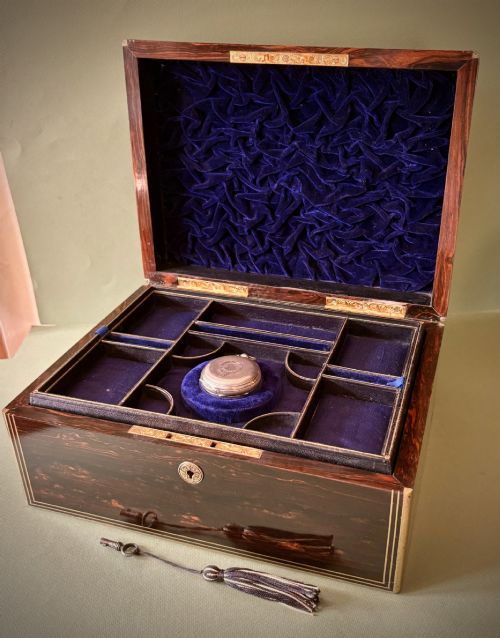
When you search for a victorian velvet lined box, you enter a diverse field of nineteenth-century and early twentieth-century receptacles designed to protect valuable items. The forms range from jewellery chests and decanter boxes to specialised instrument cases and display tables.
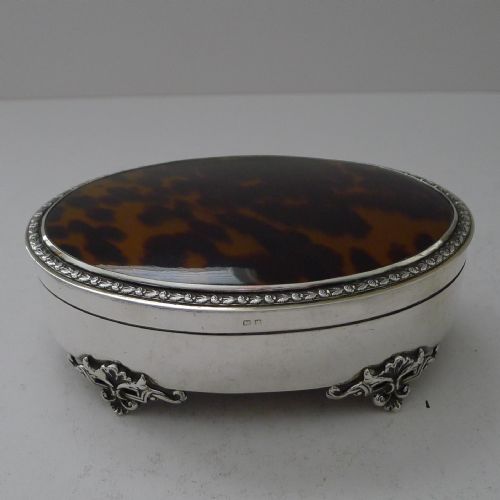
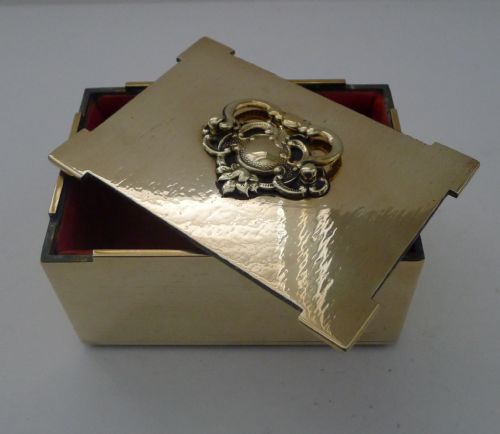
The pieces on this page span the Victorian and Edwardian eras, incorporating English and French origins. Buyers encounter domestic containers finished in mahogany, rosewood, walnut, coromandel, oak, leather, and brass mounts.
Beyond standard jewellery boxes, the selection includes tramp art wooden boxes, key cupboards, scent caskets with cut glass bottles, and campaign silverware trunks. Each object reflects the utilitarian and decorative requirements of its original owner.
How they were made
The construction of these containers relies on hardwoods such as mahogany, rosewood, and walnut, often enhanced by brass mounts or decorative inlay. Cabinetmakers utilised durable joinery to build rigid frames capable of housing fitted compartments and delicate mechanisms.
Interiors feature velvet linings designed to cushion contents ranging from jewellery and scientific instruments to decanters and silverware. Protective outer layers of leather or crocodile skin appear alongside exposed timber finishes and tramp art carving techniques.
Listings feature items from the Victorian and Edwardian periods utilising mahogany, rosewood, walnut, brass, glass, and velvet.
What varies in quality
Quality in a victorian velvet lined box lies in the integration of its interior fittings with the integrity of the exterior case. Pieces with fully fitted compartments, original glass bottles, or working brass hardware demonstrate superior original commissioning.
The choice of cabinet timber and the precision of decorative elements, such as brass mounts or wood inlay, separate standard utility boxes from exceptional presentation pieces. The condition of the velvet lining and the retention of original locks or keys further distinguish individual examples.
W.E Hill
The Victorian Velvet Lined Box Glossary
- Coromandel
- A dense, heavily figured exotic timber utilised for high-end nineteenth-century decorative boxes and travel cases. It provides a dark, striated surface texture.
- Bijouterie table
- A glass-topped display table designed to showcase small decorative items and jewellery beneath the surface. These pieces lift on hinged frames for interior access.
- Tramp art
- A folk art style of woodwork created by chipping and notching small pieces of salvaged wood together in geometric layers. Boxes in this style display textured, relief surfaces.
- Campaign trunk
- A portable storage chest built for travel, featuring reinforced corners and recessed handles for transport. These items utilise robust woods like oak and brass hardware.
- Scent casket
- A decorative container specifically built to hold glass bottles for perfumes or spirits. They frequently incorporate velvet or silk lining to secure the vessels during transit.
Victorian Velvet Lined Box: Frequently Asked Questions
What were velvet lined boxes used for?
These containers served specific storage and transport functions for affluent households. Interiors were partitioned to hold jewellery, scientific instruments, cutlery, or glass bottles securely.
Owners kept them on dressing tables, in studies, or packed them inside travel luggage for journeys. The velvet lining protected delicate surfaces from scratching during handling.
How do I date a Victorian box?
Dating relies on identifying timber choices, construction methods, and hardware styles associated with the nineteenth century. Species like coromandel and rosewood point towards specific decades of high-end cabinetmaking.
Maker plaques, registration marks, and lock stamps can also narrow down the year of production. stylistic influences shift from ornate Victorian carving toward Edwardian restraint.
Are the velvet interiors original?
Many boxes retain their period textile linings, showing age-appropriate wear consistent with nineteenth-century use. The texture and colour of the fabric often match the expected output of the period.
Evaluating the fit of the lining against the wooden partitions helps determine authenticity. Professional restoration may occasionally replace degraded fabrics in surviving pieces.
How should I clean wood and velvet?
Wooden exteriors require gentle dusting and occasional waxing suitable for antique cabinet surfaces. Avoid harsh chemical cleaners that can strip original finishes and patinas.
Velvet interiors benefit from careful surface vacuuming using a low-suction brush attachment. Moisture must be kept away from old fabrics to prevent staining or shrinkage.