

Victorian Vanity Seating
Victorian vanity seating brings low stools, dressing chairs and piano seats into the bedroom, offering practical charm for the dressing table.
Victorian Vanity Seating
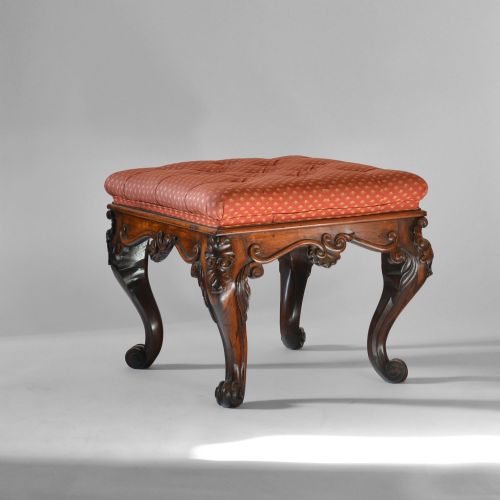
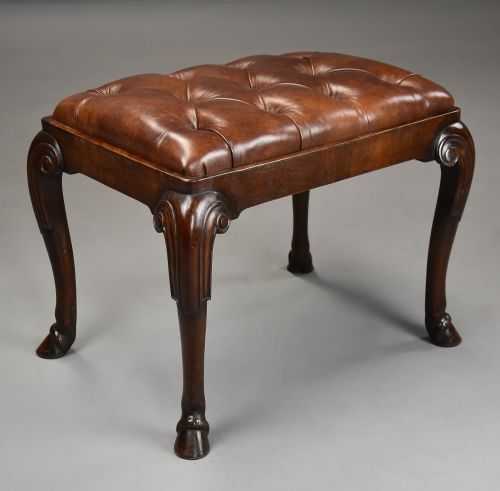
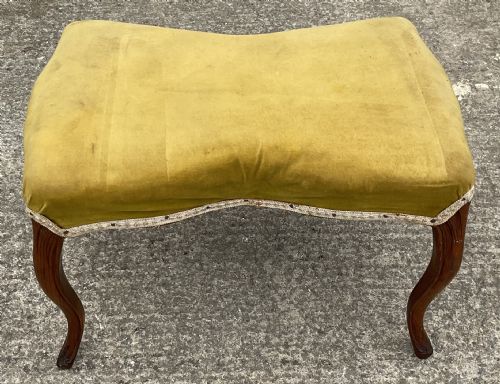
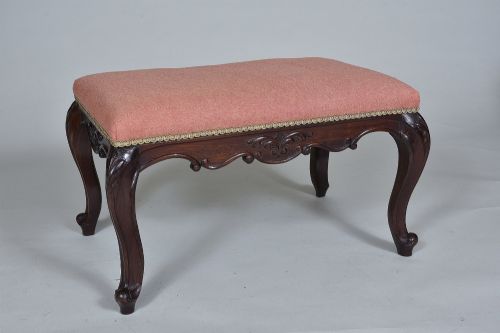
When you search for Victorian vanity seating, you are looking at small chairs and stools designed for the bedroom, dressing room or parlour. These pieces date principally from the nineteenth century, spanning periods from William IV through to the Edwardian era. You will most frequently meet dressing table stools, piano stools and low bedroom chairs on this page.
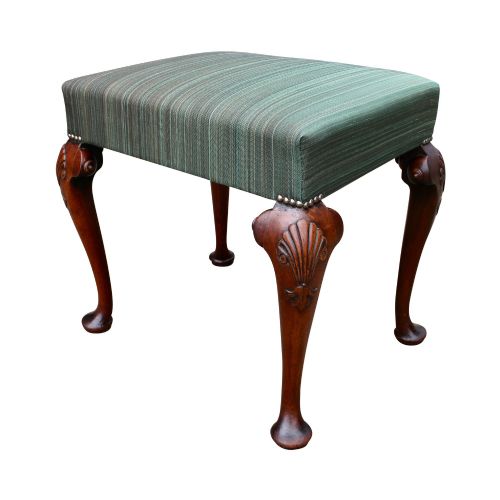
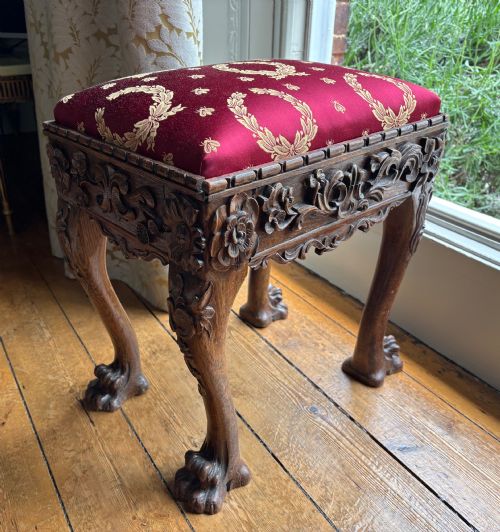
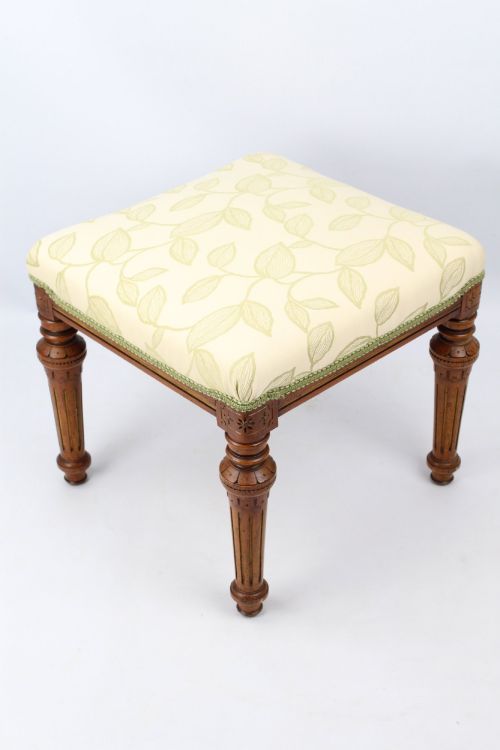
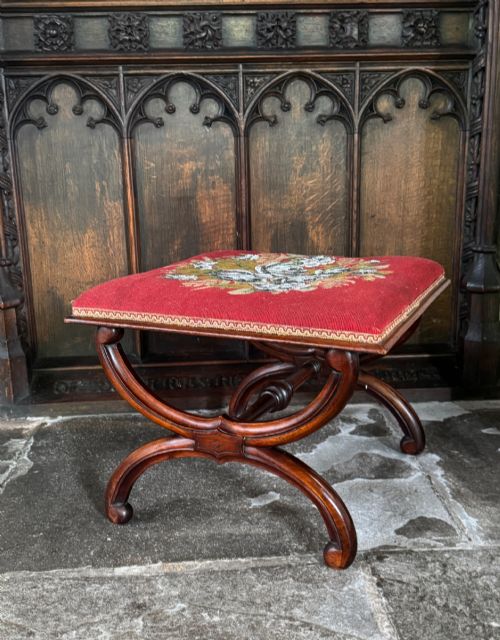
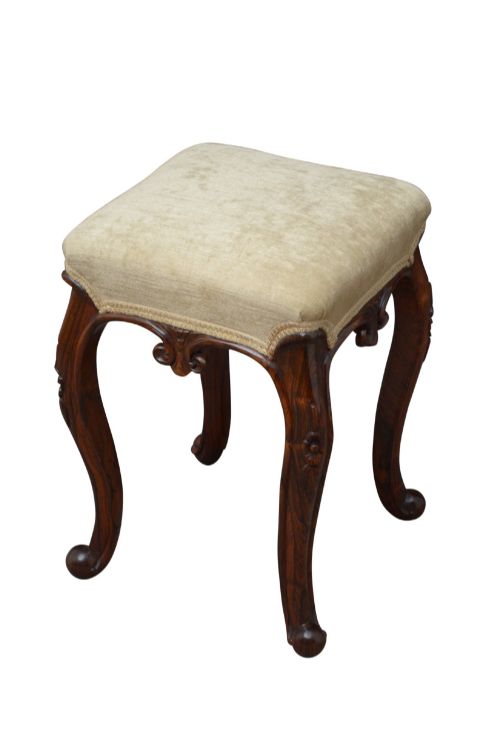
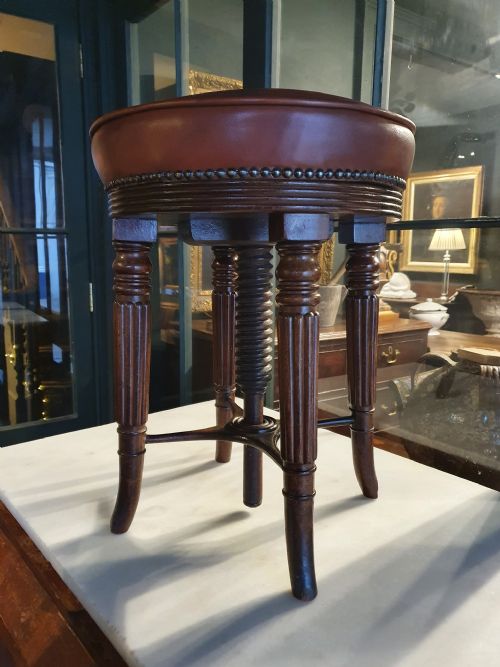
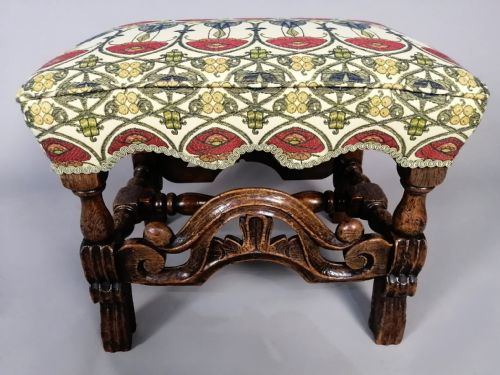
The forms vary from simple X-frame stools and revolving seats to cabriole-legged chairs with upholstered backs. Materials range from dense timbers such as mahogany, walnut and rosewood to lighter woods like satinwood and yew. Makers adopted diverse historical styles, incorporating Queen Anne revival curves, Rococo carvings and Aesthetic movement lines.
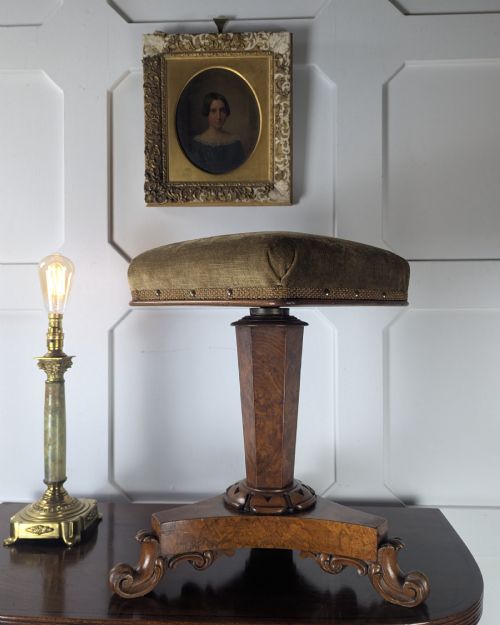
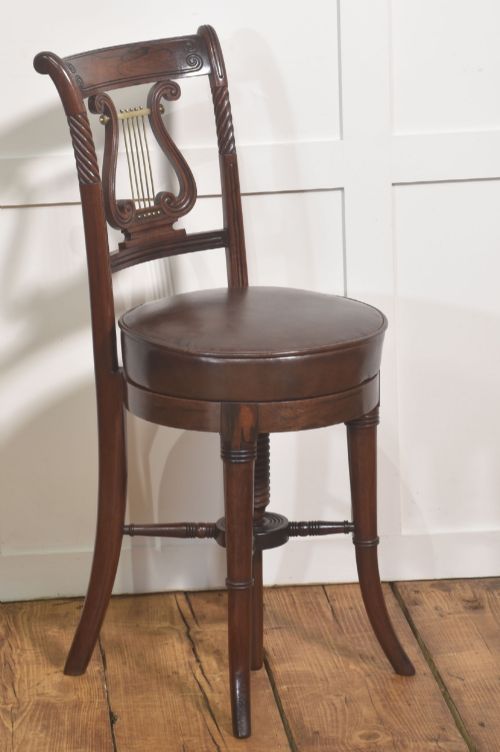
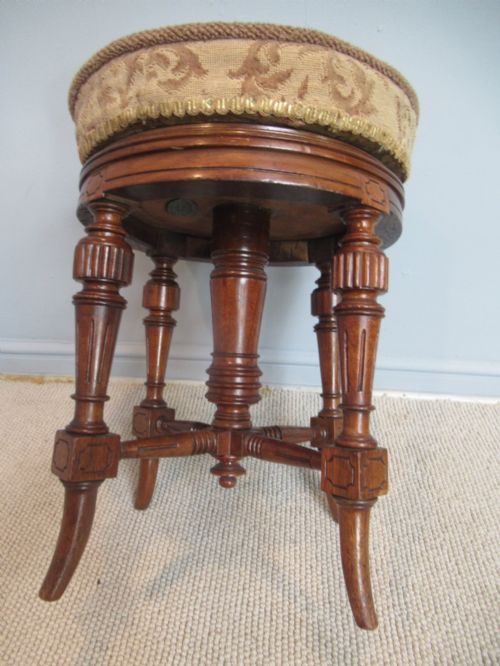
Stools and low chairs serve specific domestic functions, often featuring adjustable heights for dressing tables or revolving mechanisms for keyboards. The seating itself relies on textile coverings, ranging from beadwork and leather to velvet and modern fabric replacements. Each piece reflects the refined domestic comfort demanded by nineteenth-century households.
Materials and construction
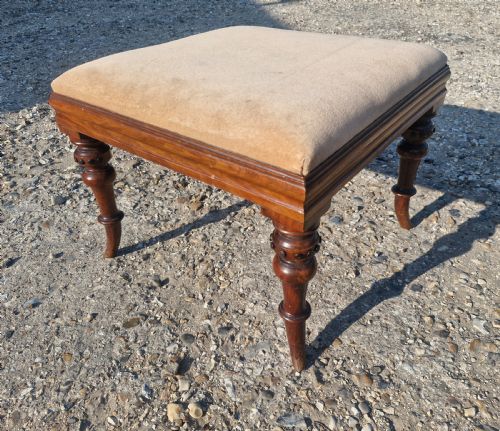
Cabinetmakers constructed these frames using durable hardwoods like mahogany, walnut and rosewood, alongside exotic timbers such as goncalo alves and teak. Joinery methods relied on traditional techniques to support frequent adjustments and daily use. Carved details, giltwood finishes and turned legs reveal the hand labour involved in their production.
Upholstery formed a central part of the construction, utilising textiles like velvet, leather, wool and woven rattan over supportive stuffing. Adjustable piano stools and revolving dressing seats incorporated brass mechanical components to alter height smoothly. Makers also utilised satinwood and ebonised finishes to satisfy shifting aesthetic tastes across the decades.
Some Victorian piano stools turn endlessly, inviting children to test their dizziness before practising scales.
Distinguishing quality in the selection
Quality rests in the crispness of the hand-carved woodwork and the selection of figured timbers like walnut and rosewood. Superior pieces demonstrate balanced proportions and secure joinery in frames such as X-frame stools or cabriole-legged dressing chairs. Lesser examples often feature plain secondary woods and softer, less defined ornamentation.
The sophistication of the mechanical elements, particularly in adjustable piano stools and revolving seats, distinguishes finer examples from basic models. Original upholstery and retained textiles add integrity, whereas poorly executed modern reupholstery can obscure the underlying framework. Harmony between the carved style, such as Queen Anne revival or Rococo, and the timber choice dictates the overall standing of an item.
The Victorian Vanity Seating Glossary
- Cabriole leg
- A furniture leg that curves out and then in, resembling the leg of an animal. This form appeared frequently on Victorian dressing table stools and chairs.
- X-frame
- A furniture base formed by intersecting curved or straight members shaped like an X. It provides sturdy support for stools and vanity seating.
- Revolving stool
- A seat mounted on a threaded spindle or swivel mechanism that allows it to turn. These were common for piano practice and dressing tables.
- Satinwood
- A durable, yellowish wood with a lustrous grain used for fine furniture and decorative veneers. Late nineteenth-century pieces often utilised this material.
- Giltwood
- Wood that has been coated with a thin layer of gold leaf or gilt. This finish appeared on decorative Victorian and Edwardian seating.
Victorian Vanity Seating: Frequently Asked Questions
What is Victorian vanity seating used for?
These pieces provide low seating intended for dressing tables, bedrooms and music rooms. They accommodate grooming and piano practice where standard chairs would prove too tall.
The compact forms allow them to tuck neatly beneath dressing tables when not in use. Their decorative frames also add a considered touch to bedroom interiors.
Are piano stools and dressing stools different?
Piano stools frequently incorporate revolving mechanisms or screw-threaded adjustments to alter the seating height for musicians. Dressing stools tend to be fixed in height and focus on decorative upholstery to match bedroom suites.
Despite their distinct original functions, both types served similar domestic spaces. Many share comparable dimensions and aesthetic styles.
What woods were commonly used?
Cabinetmakers favored dense hardwoods such as mahogany, walnut and rosewood for their strength and rich grain patterns. Lighter timbers like satinwood and yew appeared in later nineteenth-century designs.
Exotic woods including teak and goncalo alves also featured in specific pieces. Gilt finishes were applied to oak and other woods to achieve a more ornate appearance.