





Victorian Urn Stand
A victorian urn stand elevates decorative vessels, plants, and heating vessels to create a deliberate focal point within a room or garden scheme.
Victorian Urn Stand
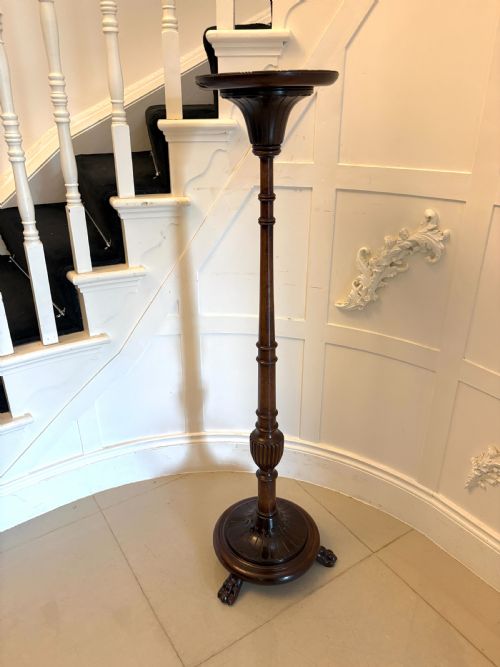
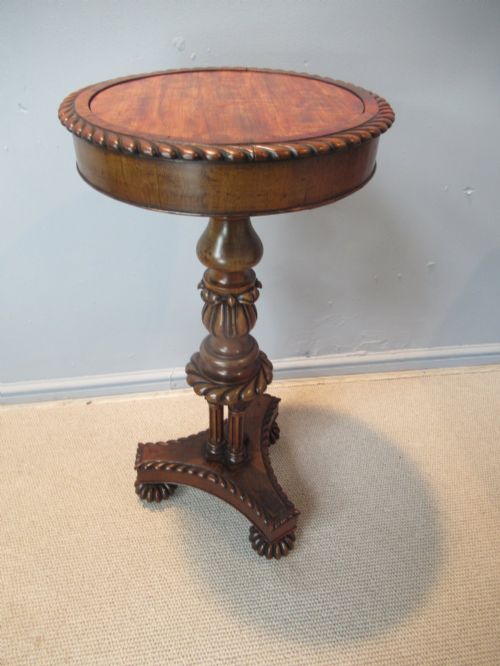
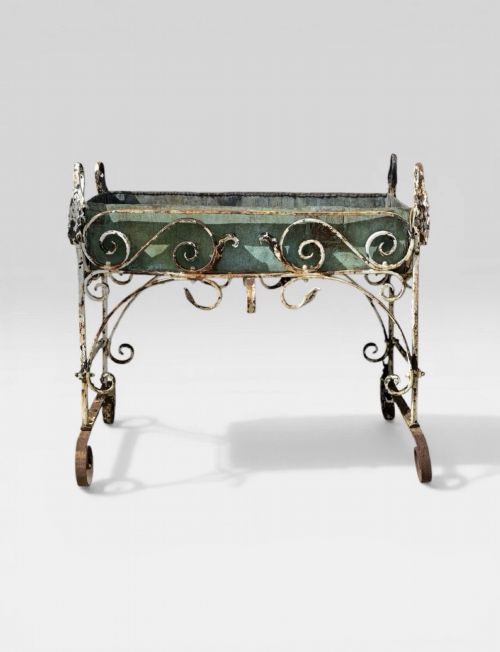
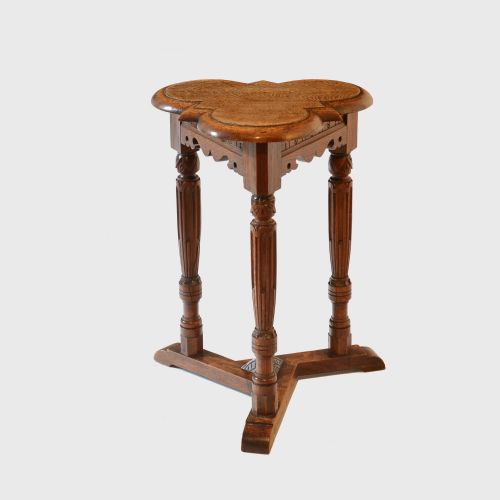
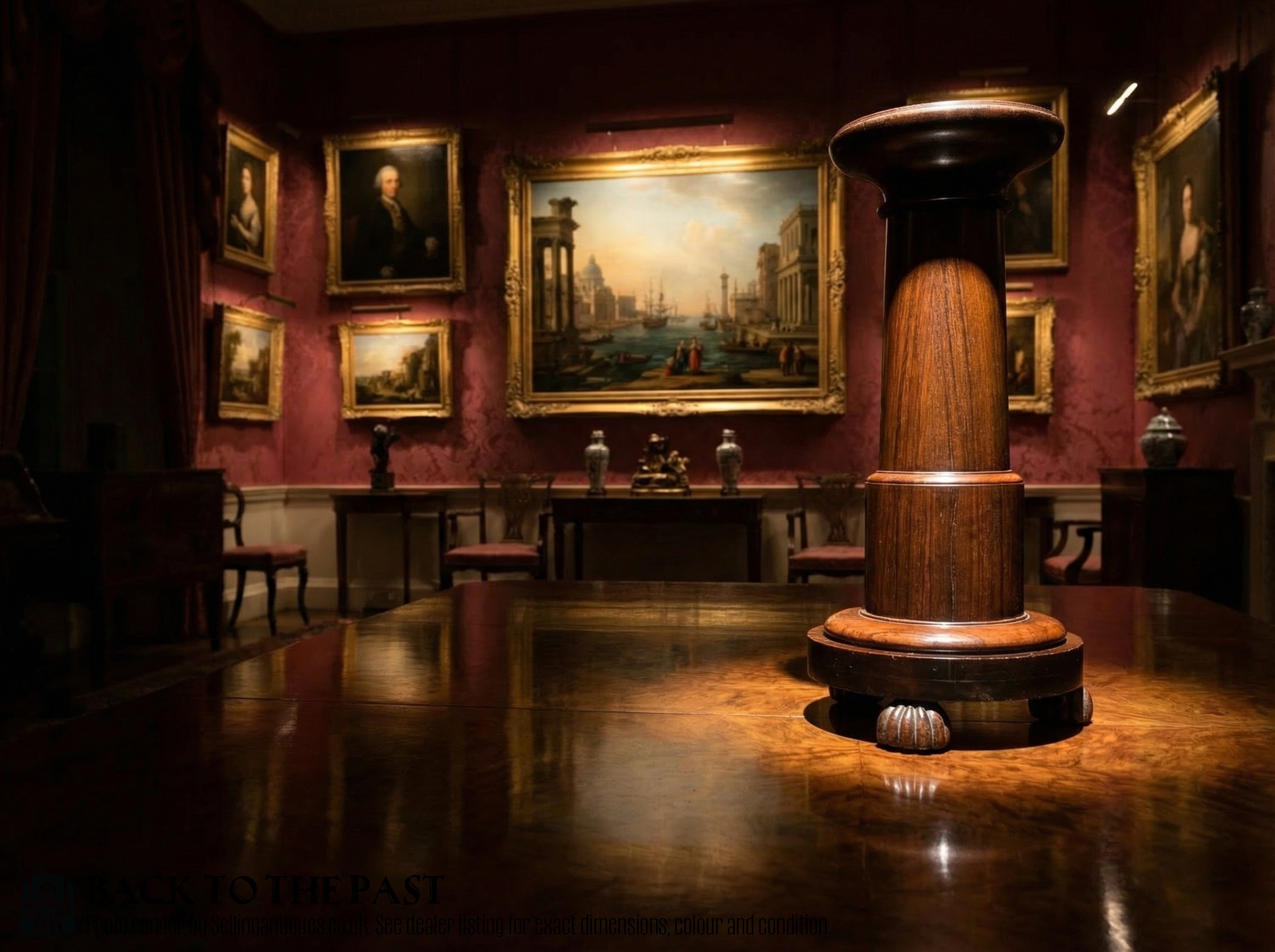
A victorian urn stand encompasses a varied group of furnishings designed to elevate planters, jardinieres, and ornamental vessels. The selection frequently includes tall mahogany torchères, cast iron garden plinths, and occasional tables intended for display.
Originating predominantly from the nineteenth and early twentieth centuries, these examples reflect styles ranging from classical revival to aesthetic movement tastes. Formats stretch from indoor walnut columns to robust outdoor iron campana supports.
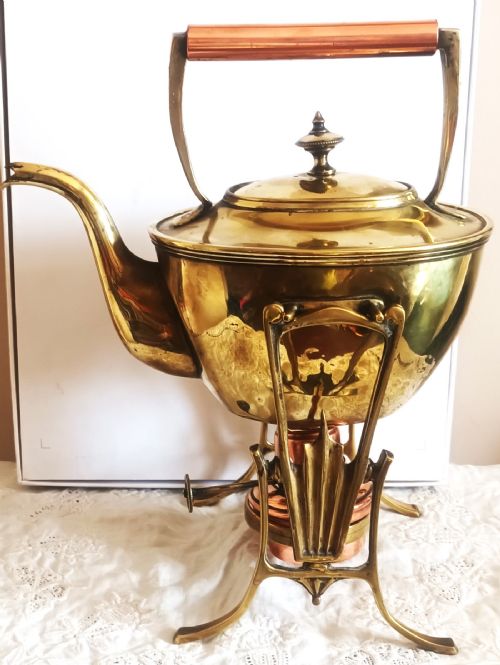
Buyers also encounter related apparatus such as brass and silver plated spirit kettles fitted to dedicated metal stands. These functional vessels share the primary characteristic of resting upon an elevated base or support.
How they were made
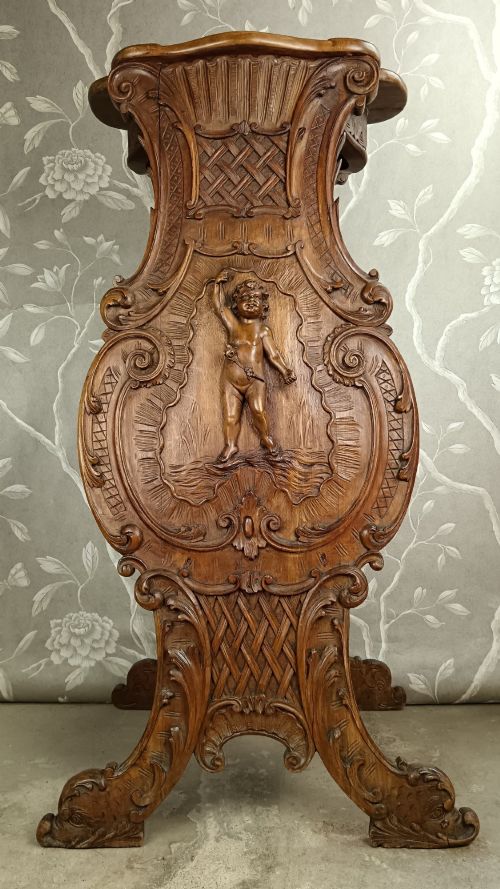
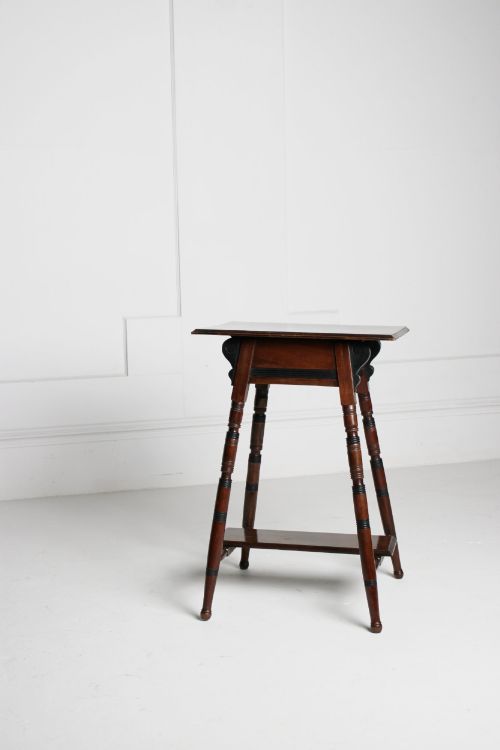
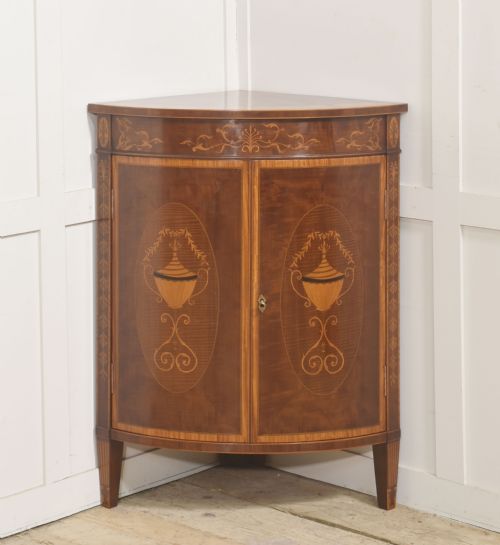
Carpenters and cabinetmakers utilised dense timbers such as mahogany, walnut, satinwood, and oak, often employing turning and hand carving to shape slender columns and tripod stems. Inlaid details and ebonised finishes surface across indoor lamp tables and torchères.
Foundries produced robust outdoor furniture utilising cast iron and wrought iron, forming garden urns and campana planters alongside pressed brass jardiniere stands. Metalworkers also combined copper, brass, and silver plating for interior spirit kettles and heating stands.
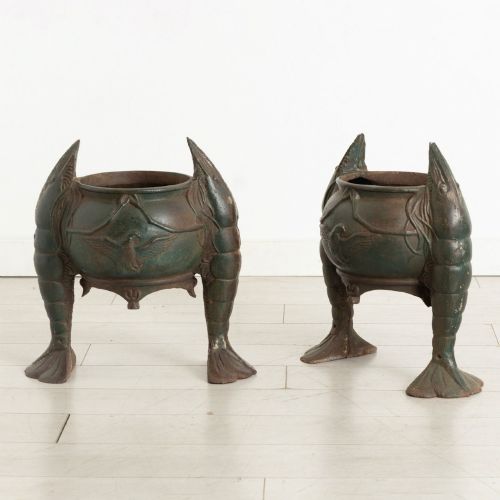
Cast iron planters shaped precisely as marine shrimp demonstrate the Victorian fondness for whimsical garden ornamentation.
What varies in quality
Distinction in these pieces lies in the crispness of carved ornamentation, such as acanthus leaves and turned architectural detailing on timber columns. Superior examples demonstrate careful timber selection, including flame grain mahogany or figured walnut, matched with stable structural joinery.
Druce & Co London·Shoolbred·William Soutter & Sons·Dunfermline Clay Company·Coalbrookdale·Clement Massier
The Victorian Urn Stand Glossary
- Torchère
- A tall, slender stand or pedestal designed specifically to support a lamp, vase, or decorative urn. These pieces typically feature a small circular top above a turned column and three-footed base.
- Campana
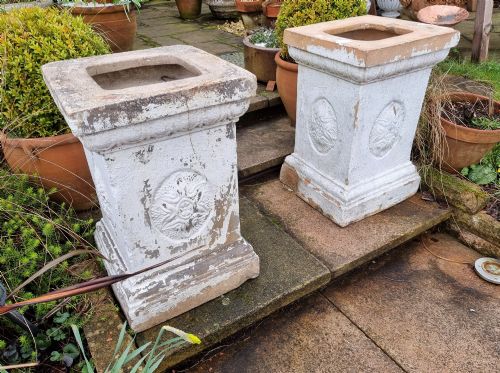
- A classical bell-shaped garden urn, frequently mounted on a square plinth or pedestal base. The form derives from ancient Roman models.
- Spirit Kettle
- A water heating vessel suspended over a small spirit burner, mounted upon a dedicated metal stand. These items were utilised for tea service within nineteenth-century reception rooms.
- Plinth
- A heavy rectangular or square base supporting a column, statue, or garden urn. They provide structural stability and visual elevation.
Victorian Urn Stand: Frequently Asked Questions
What is a victorian urn stand used for?
These pieces function primarily to raise planters, vases, and decorative urns to a more prominent viewing height. Indoor examples frequently support table lamps or floral arrangements within reception rooms.
Outdoor iron variations anchor garden paths and patios by displaying large campana urns or cast iron planters. The elevated placement protects delicate surfaces and draws the eye to decorative vessels.
How do I identify a spirit kettle stand?
Spirit kettle stands feature a metal frame, often brass, copper, or silver plate, equipped with a small central burner beneath a suspended ring. The matching kettle rests securely within this metal collar.
These apparatuses appeared frequently in nineteenth and early twentieth-century households for heating water at the tea table. The inclusion of the original burner indicates a complete set.
What is the difference between a torchere and a pedestal?
A torchère is a specific type of tall, slender stand traditionally built to hold a light source or decorative object on a small platform. They frequently showcase elaborate wood turning and carved tripod bases.
A pedestal or plinth generally presents a broader, more architectural profile designed to bear the weight of heavy stone, terracotta, or cast iron garden urns.
Where should I place an antique urn stand?
Indoor wooden torchères and lamp tables suit corners, hallways, or beside seating where they can display small ornaments or lighting safely. Stable floors prevent wobbling on slender pillar legs.
Cast iron and wrought iron garden urn stands belong outdoors on patios, lawns, or terraces where weather-resistant materials withstand the elements while framing garden vistas.