
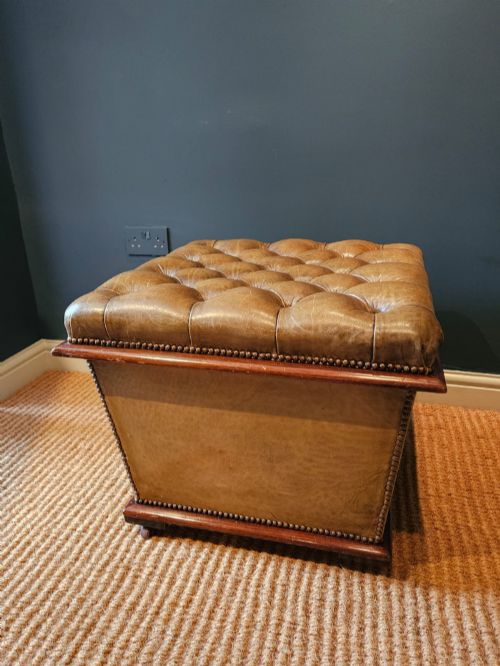
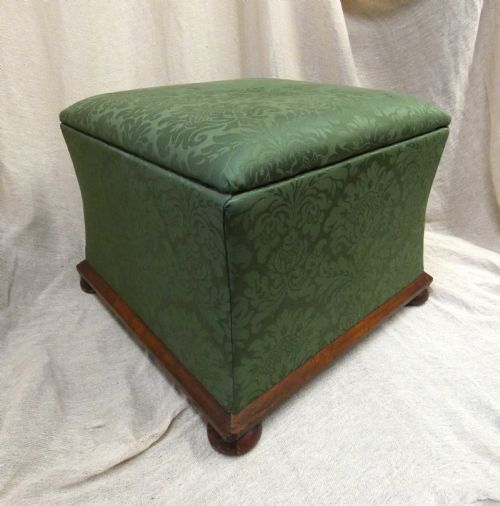


Victorian Upholstered Box
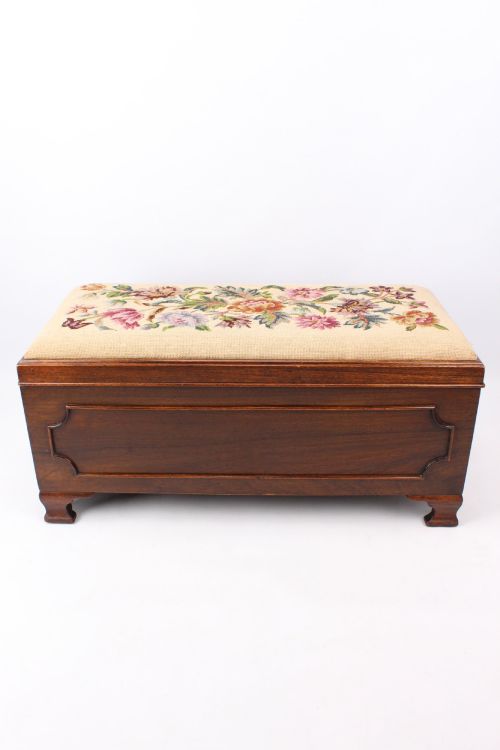
A victorian upholstered box combines internal storage with padded seating, offering a practical seating and containment solution for period interiors.
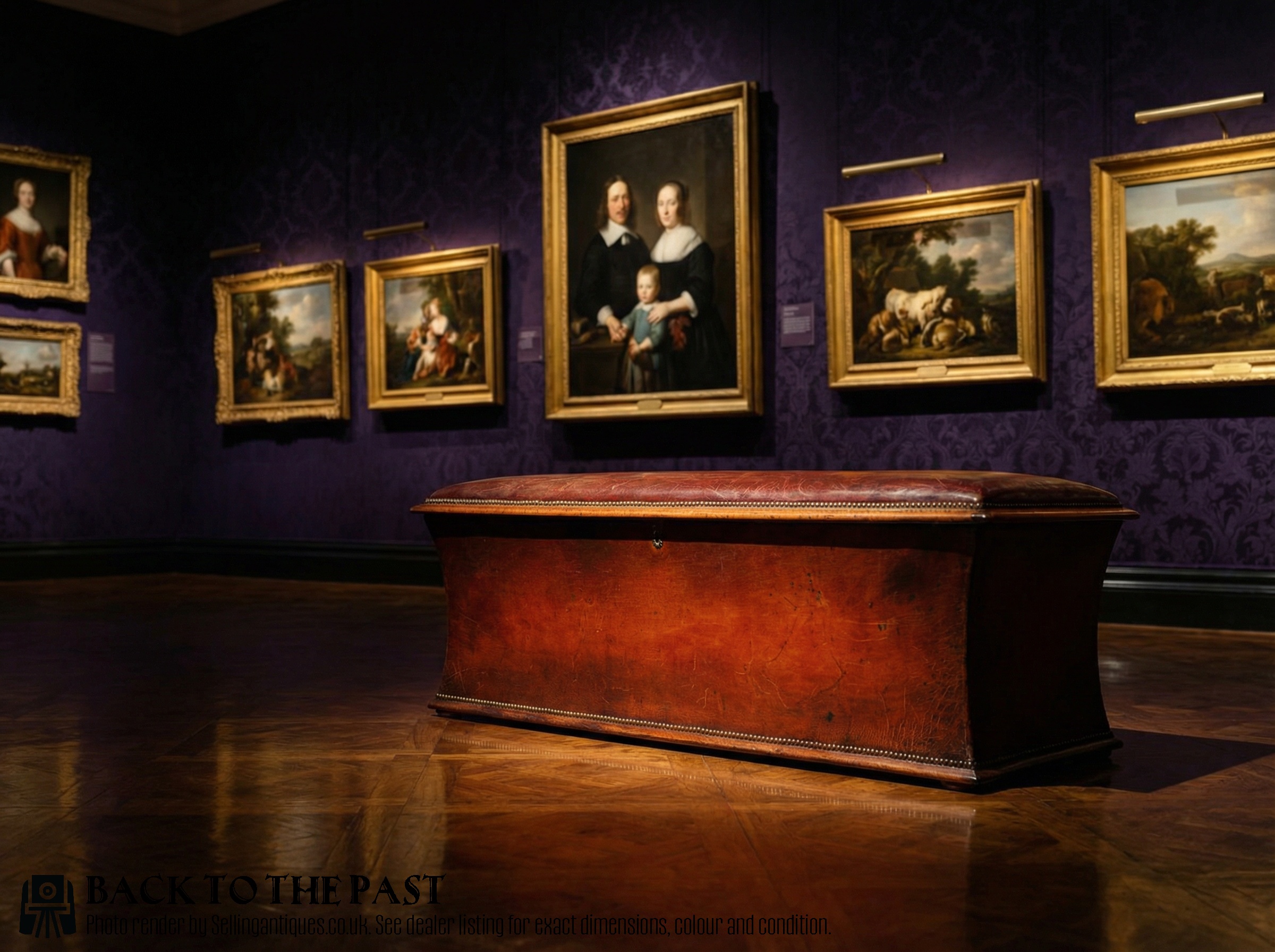
Victorian Upholstered Box
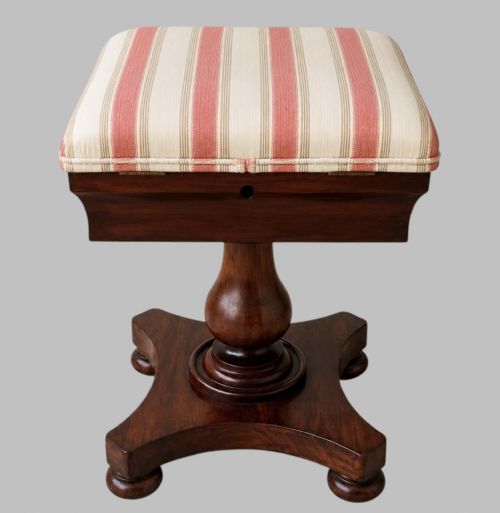
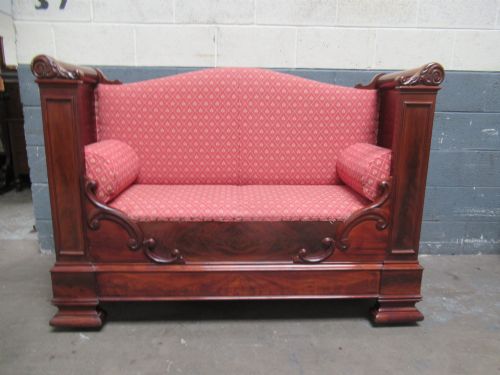
When you search for a victorian upholstered box, you encounter a range of functional furniture pieces designed to store blankets, linen, or sewing items while providing a padded top for sitting. The selection spans standard ottomans, blanket boxes, piano stools, and storage chests originating primarily from the nineteenth century.
Mahogany and rosewood appear frequently alongside pine and walnut, shaped in styles that include William IV, Regency, and Gothic Revival. These items function as flexible seating and storage units suitable for bedrooms, living rooms, and hallways.

Materials and Construction
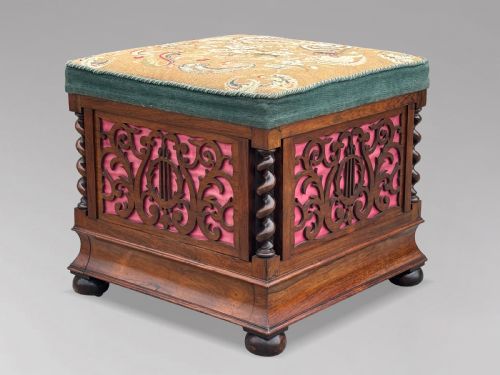
Cabinet makers constructed the foundational carcase using timbers like mahogany, rosewood, walnut, and pine, joined to create a sturdy internal compartment. Upholstery techniques applied wool, velvet, leather, or specialised fabric over padding to form the hinged or removable seat.
Brass fittings frequently secure hinges and handles, while decorative surface treatments incorporate needlework, gros-point tapestry, crewel work, or embossed metal detailing.
The listings feature woods including mahogany, rosewood, walnut, birch, and pine alongside fabrics like velvet, leather, and wool.
Quality and Craftsmanship
The distinction between standard examples and superior pieces rests on the choice of timber and the complexity of the frame geometry, such as concave shaping. Finer pieces display dense hardwoods like rosewood or mahogany paired with original textile work.
Internal joinery and the preservation of original fabric or leather upholstery dictate the integrity of the piece. Substantial storage chests with well-maintained framing represent higher tiers of craftsmanship.
Hallett & Sons
The Victorian Upholstered Box Glossary
- Ottoman
- A padded seat or stool with an enclosed storage compartment accessed via a hinged lid.
- Gros-point
- A heavy counted-thread needlework technique often used for durable upholstery on seat covers.
- Concave
- Curving inward, describing the shaped profile of certain box seat sides.
- Canterbury
- A partitioned low stand or stool originally designed for holding sheet music or books.
- Kist
- A traditional regional term for a wooden chest or storage trunk.
Victorian Upholstered Box: Frequently Asked Questions
What is a victorian upholstered box used for?
These pieces serve a dual purpose as both a seat and a concealed container for household items like blankets, bedding, or needlework. They provide convenient surface utility without sacrificing floor space in smaller rooms.
Historically, variations such as piano stools and sewing boxes accommodated specific domestic hobbies, while larger chests held heavier linens.
How do I identify a genuine period piece?
Examination of the internal timber construction, secondary woods, and hand-cut joinery helps confirm nineteenth-century origin. Evidence of ageing on the brass hinges and the character of the internal lining provide additional clues.
Stylistic markers like Gothic Revival motifs or Regency proportions align the construction with documented design periods.
Where should I place an ottoman in my home?
These boxes fit well at the foot of a bed for storing spare pillows and blankets, or beside a fireplace as an extra seat. Their low profile ensures they do not obstruct views or pathways within a hallway or living area.
The enclosed storage keeps clutter out of sight while maintaining an accessible surface for daily use.
Are the fabrics usually original?
Most surviving pieces have undergone reupholstering at some point during their lifespan to maintain usability. Finding examples with original needlework, crewel work, or leather is less common.
When replacement fabric matches the period style, it preserves the visual character of the furniture while ensuring structural integrity.