

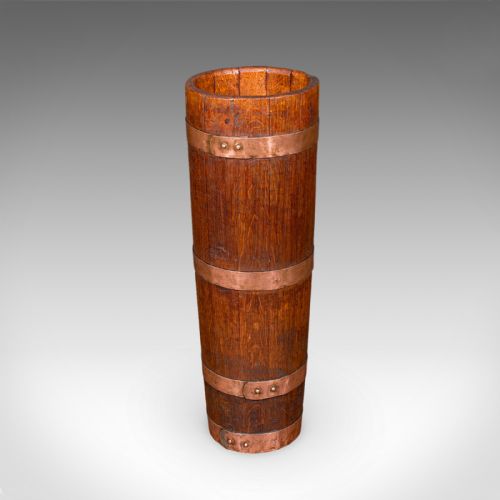


Victorian Umbrella Vessel
A victorian umbrella vessel is a practical hallway furnishing designed to hold wet walking gear, bringing nineteenth-century utility and decorative presence to an interior.
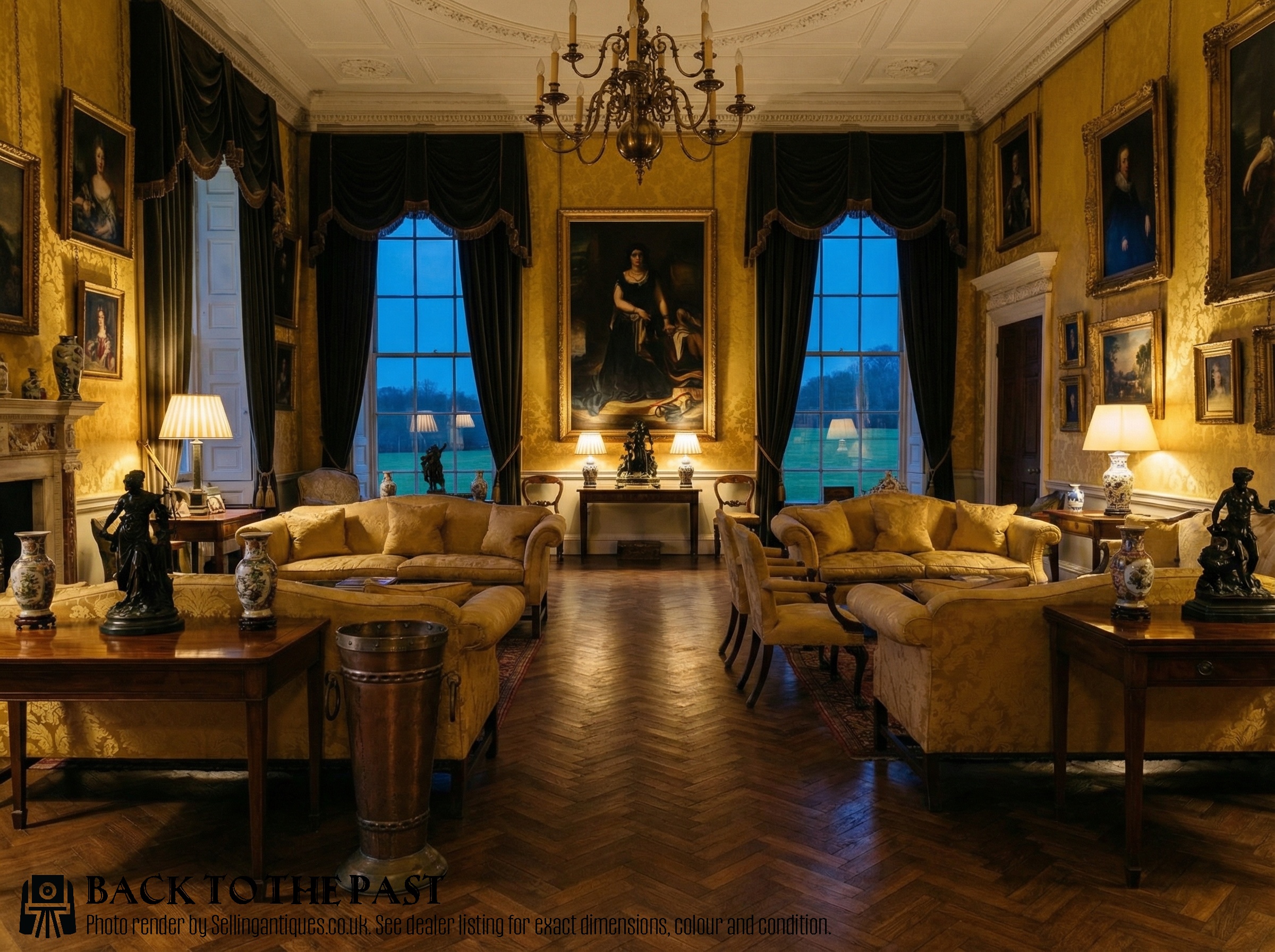
Victorian Umbrella Vessel
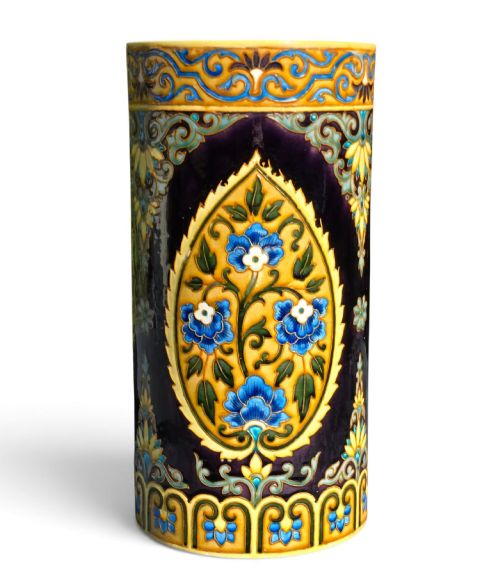
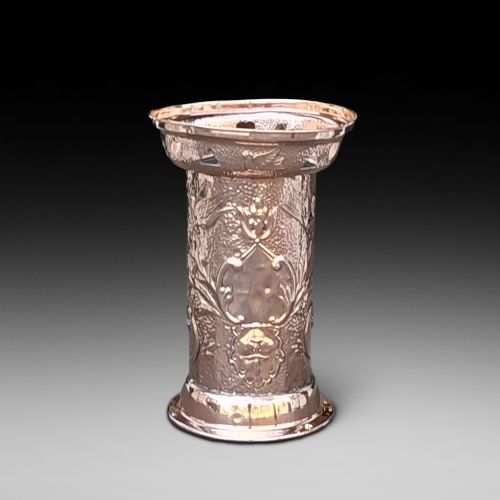
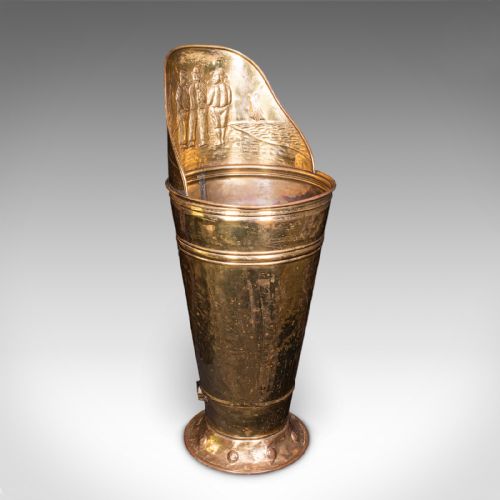
When you search for a victorian umbrella vessel, you find a collection of nineteenth-century hall furnishings designed to contain walking sticks, canes, and wet umbrellas. The pieces take diverse forms across this selection, including coopered oak barrels, hammered copper buckets, and glazed ceramic stands.
Most examples you meet on this page date from the Victorian era and the turn of the twentieth century. They range from simple country house oak containers to sophisticated Art Nouveau metalwork and decorated art pottery.
How they were made
Makers utilised durable materials suited to damp conditions, combining metals such as brass and copper with robust hardwoods like oak and mahogany. Coopered construction uses tight wooden staves bound with metal hoops to hold water without leaking.
Ceramic versions employ heavy earthenware, saltglaze stoneware, or glazed pottery shaped into cylindrical vessels and fired with decorative glazes. Metal stands often feature hand-hammered surfaces and applied brass mounts.
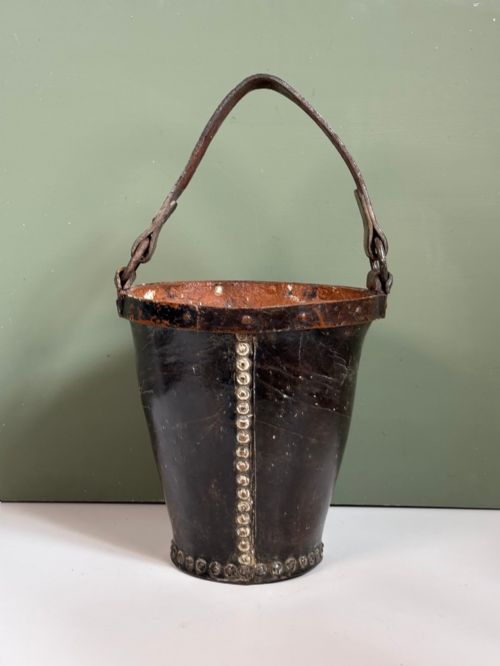
Some nineteenth-century leather buckets were boiled to harden the hide before being utilised for holding wet walking sticks.
What varies in quality
The distinction between ordinary and superior pieces rests on the ambition of the design and the integrity of the materials. Hand-hammered metalwork with considered proportions or ceramic vessels featuring complex glazes display greater artisan skill.
Original construction details, such as tight coopered joints in oak barrels or authentic period brass mounts, separate standard utility items from more decorative examples produced by known ceramic factories.
Théodore Deck
The Victorian Umbrella Vessel Glossary
- Coopered
- Constructed from wooden staves bound together with metal hoops, much like a traditional barrel. This method ensures the vessel remains watertight.
- Saltglaze stoneware
- A heavy ceramic pottery type created by throwing salt into the kiln during firing, producing a characteristic textured surface.
- Art Nouveau
- A decorative style popular around 1900 characterised by fluid, organic lines and floral motifs often seen on metal and ceramic stands.
- Majolica
- A type of earthenware coated with an opaque tin glaze and painted with brightly coloured metallic oxide designs.
- Iznik-revival
- A nineteenth-century artistic movement imitating the colourful geometric and floral ceramic patterns of historic Turkish pottery.
Victorian Umbrella Vessel: Frequently Asked Questions
What is a victorian umbrella vessel?
A victorian umbrella vessel is a nineteenth-century container designed specifically for hallways to store walking sticks, canes, and wet umbrellas.
These pieces use durable materials like copper, brass, oak, and stoneware to handle wet items without damaging domestic floors.
Where were these vessels placed?
These pieces sat in entrance halls, boot rooms, and porches of nineteenth-century houses for everyday convenience.
Guests and residents placed their wet gear inside upon entering the home to keep the main living spaces dry.
How do I care for wooden barrels?
Wooden coopered barrels benefit from occasional conditioning to keep the oak staves from drying out in heated modern rooms.
Using a removable inner metal or plastic liner protects the historic wood from standing water and dampness.