





Vintage Copper Umbrella Stand
These vintage copper umbrella stand options bring practical hall storage to life through hammered metal, riveted iron, and coopered oak.
Vintage Copper Umbrella Stand
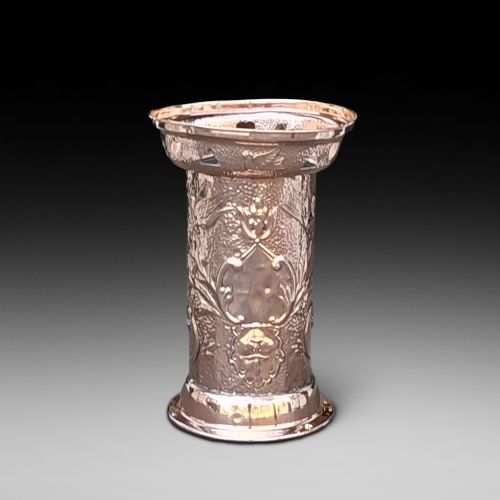
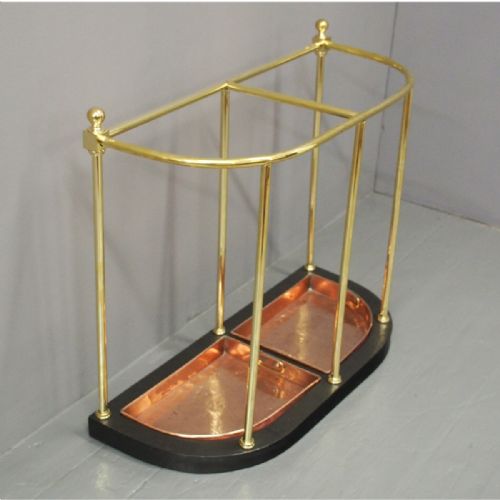
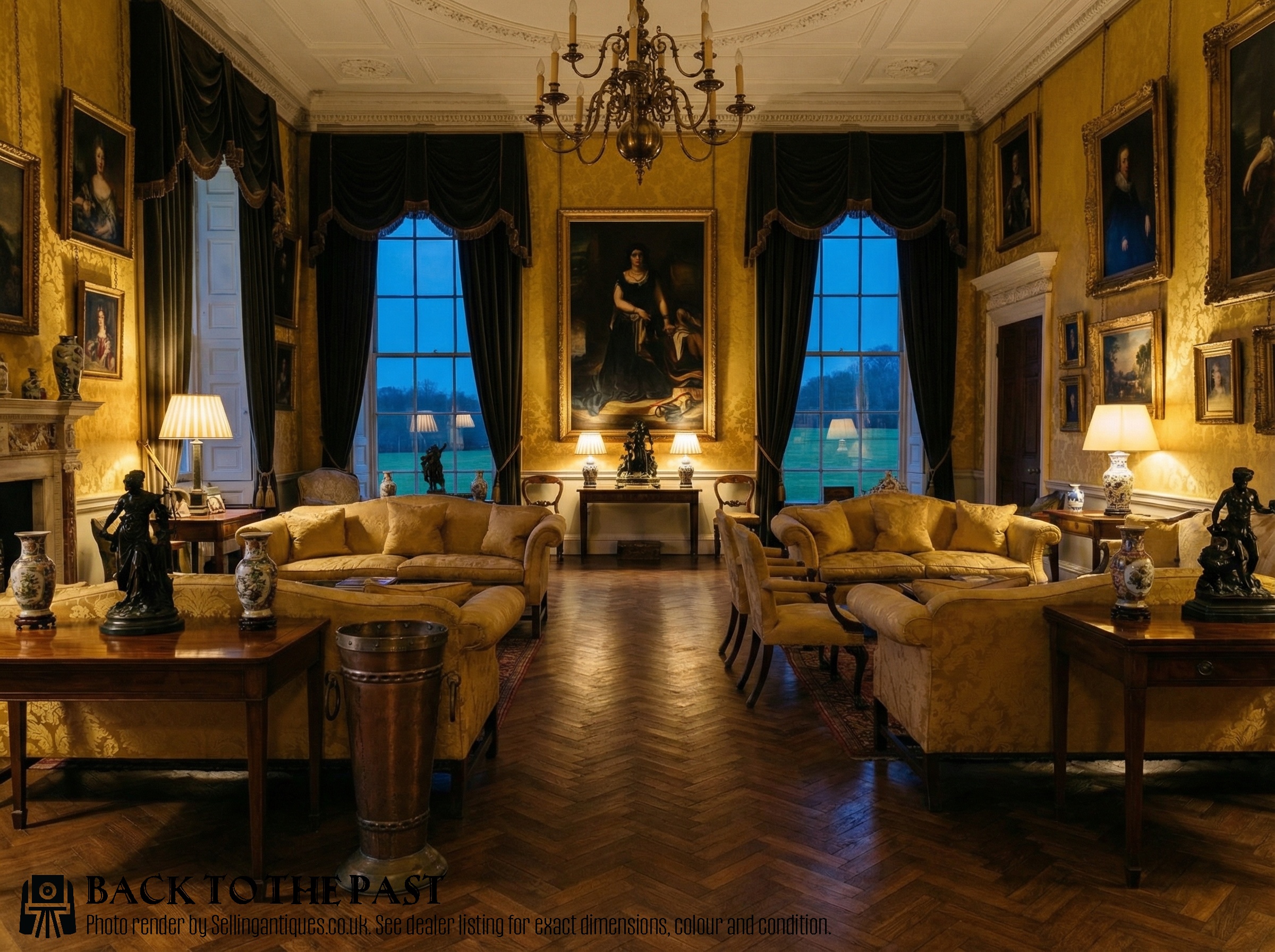
When you search for a vintage copper umbrella stand, you encounter hall furnishings that bridge the gap between utility and decorative arts. The selections span the nineteenth century through the early twentieth century, taking the form of buckets, barrels, and dedicated stick stands. Most examples merge rich copper bodies with contrasting structural elements like iron bands or brass fittings.
The Arts and Crafts movement dominates the aesthetic of these pieces, alongside Victorian and Art Nouveau expressions. You find tall cylindrical vessels designed to hold wet walking sticks and umbrellas in a grand entrance hall. Oak coopered barrels and wrought iron details often accompany the copper work, showing the robust construction methods of the period.
Materials and construction methods
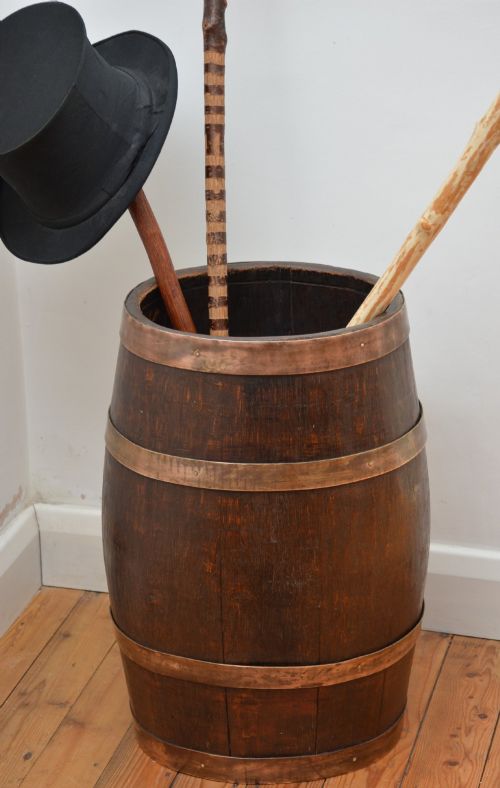
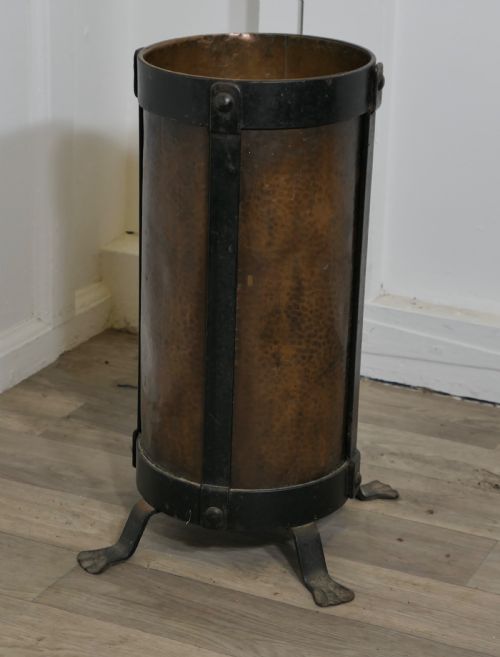
Makers shaped sheet copper into cylindrical bodies, frequently securing the seams with heavy riveting. Iron bindings and brass mounts provided necessary rigidity to the top rims and bases. Many pieces relied on traditional cooperage techniques, joining wooden staves with metal bands to form watertight barrels.
Surface treatment relied on natural metal finishing, displaying the warm tones of beaten copper alongside blackened iron and polished brass. The combination of metals served both a structural purpose and an aesthetic one, highlighting the utilitarian origins of buckets and water vessels adapted for hallway use.
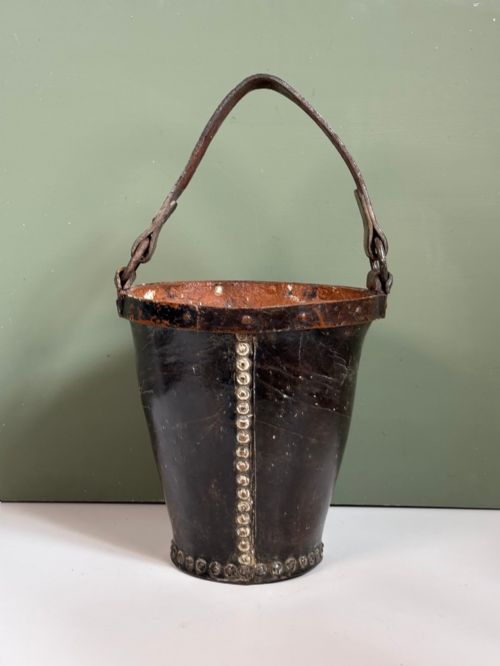
Listings feature copper combined with brass, iron, oak, and boiled leather across Victorian and Arts and Crafts periods.
Assessing quality in metalwork and woodwork
The distinction between standard utility items and superior examples lies in the weight of the metal and the crispness of the hand-beating. Finer pieces display deliberate hammer marks and balanced proportions, with tightly fitted iron bands and substantial handles. Lesser examples show thinner gauge copper that dents easily and lacks structural rigidity.
Integration of secondary materials also dictates the grade of the piece. Oak barrels with precise stave work and intact linings hold their form better over decades. The harmony between the copper body and the iron or brass mounts reveals the care taken by the original maker.
The Vintage Copper Umbrella Stand Glossary
- Arts and Crafts
- A design movement valuing handcraft, honest materials, and simple forms over mass production. This style appears frequently on copper stick stands from the turn of the twentieth century.
- Coopered
- Built from wooden staves bound together with metal hoops, much like a traditional barrel. Oak umbrella stands often utilise this method.
- Art Nouveau
- A style characterised by organic, flowing lines and plant-inspired motifs. It influences the decorative surface patterns found on certain copper umbrella holders.
- Stick Stand
- A piece of hallway furniture designed specifically for holding walking canes, riding crops, and umbrellas. They share similar forms with umbrella buckets.
Vintage Copper Umbrella Stand: Frequently Asked Questions
How do I clean a copper umbrella stand?
Maintenance requires gentle dusting and occasional wiping with a soft cloth to preserve the natural patina. Avoid harsh chemical cleaners that strip away the aged surface character.
Leaving the metal untouched generally maintains historical integrity. Many collectors prefer the darker, oxidised tones developed over generations of domestic use.
Were these originally umbrella stands?
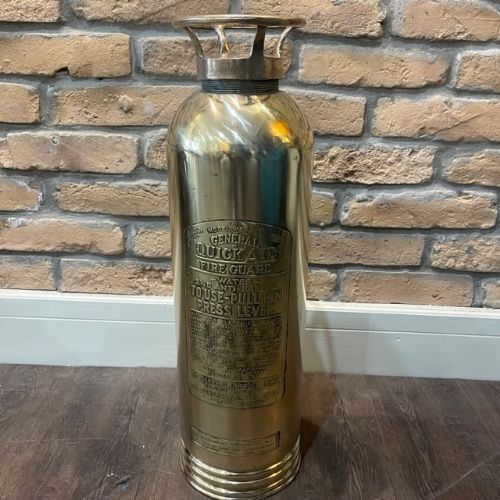
Many items designed for different domestic or industrial purposes found new life as umbrella holders in hallways. Water barrels, fire buckets, and leather vessels frequently served this role.
Adaptability defined country house interiors, where durable metal containers easily accommodated wet sticks and umbrellas. The robust construction suited them well for daily entrance hall duty.
How do I date a copper stand?
Dating relies on examining the construction techniques, such as the style of riveting, the thickness of the metal, and the accompanying woodwork. Victorian pieces often lean towards heavy brass mounts and coopered oak.
Arts and Crafts examples from around nineteen hundred typically feature hand-hammered surfaces and stylised plant motifs. Comparing the form to established period styles helps narrow the decade of manufacture.
Are these stands watertight?
Original metal buckets and coopered barrels were generally built to hold liquid, but age can alter their performance. Seams may loosen or develop tiny gaps after decades of service.
Placing a modern saucer or liner inside protects wooden floors from residual moisture. This simple precaution allows you to use antique metal vessels safely in a dry hallway.