

Victorian Two Over Two Chest
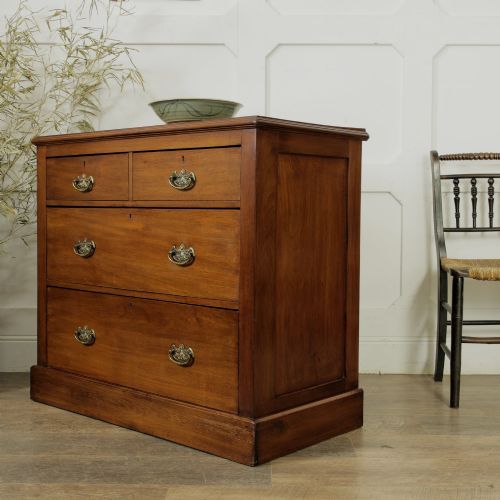
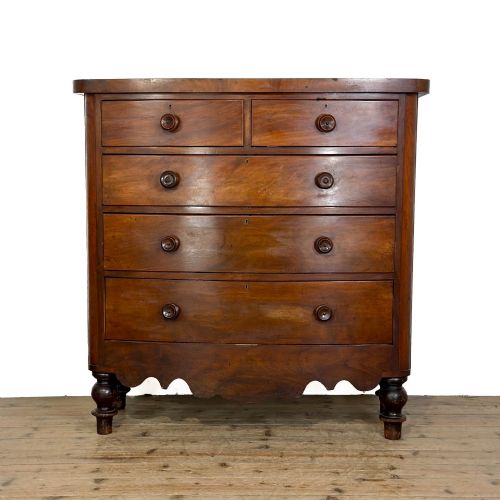
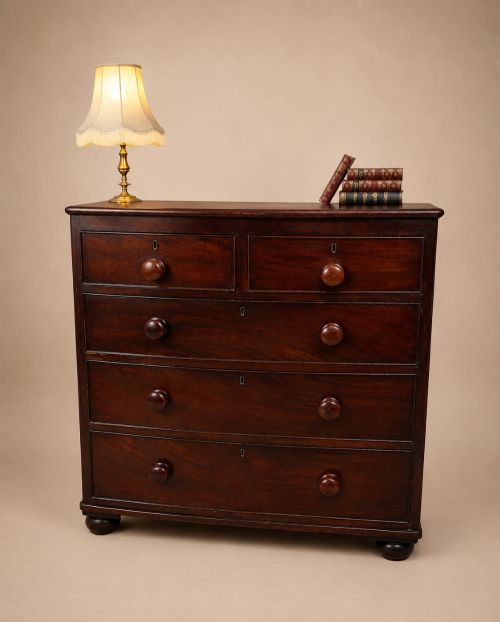
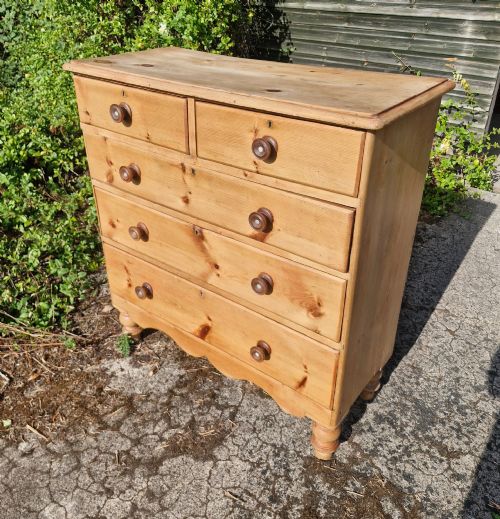
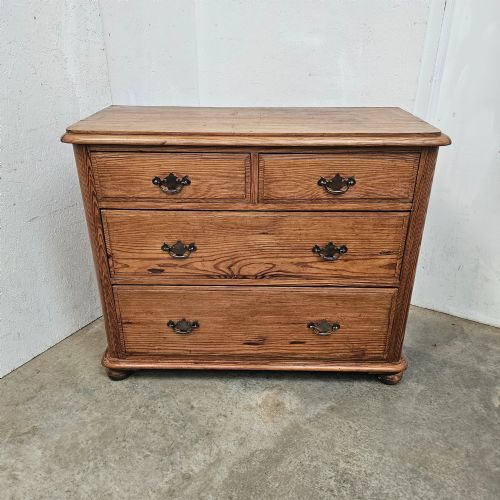
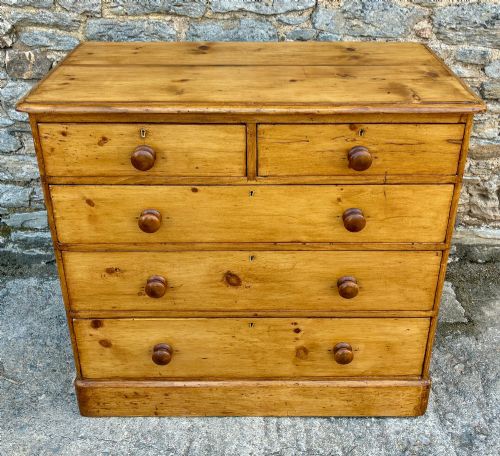
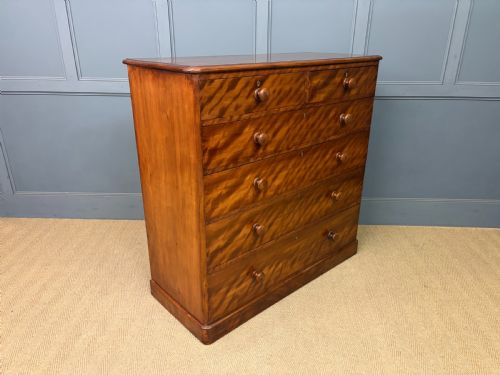
A Victorian two over two chest offers sturdy bedroom storage built from timber, mahogany, and pine with characteristic smaller drawers above larger ones.
Victorian Two Over Two Chest
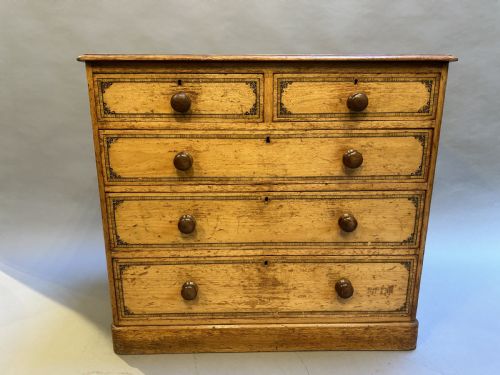
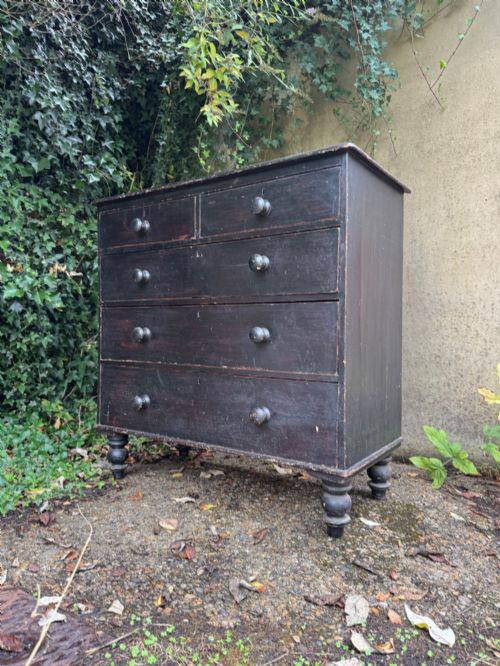
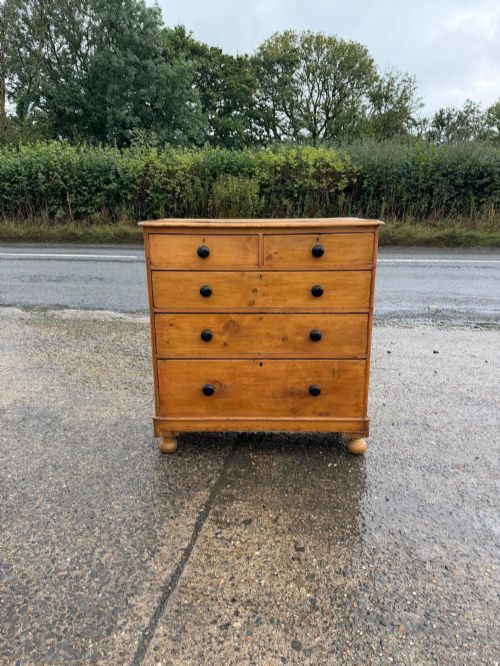
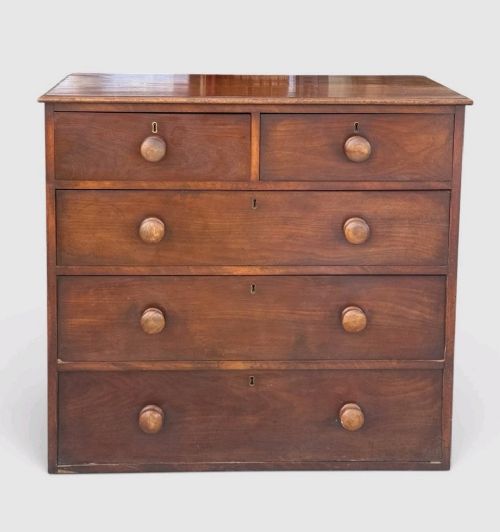
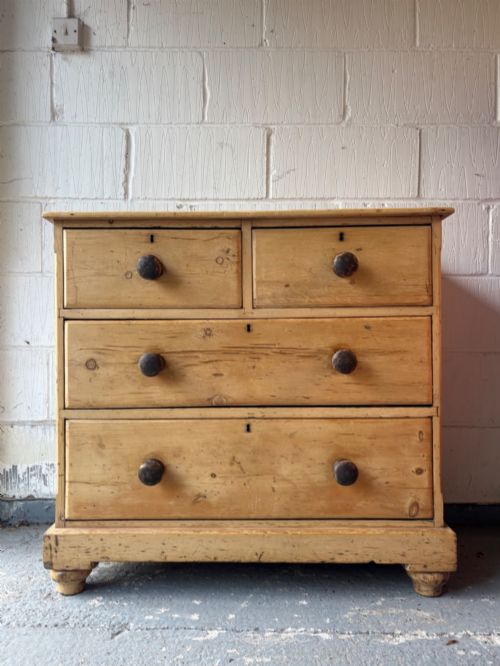
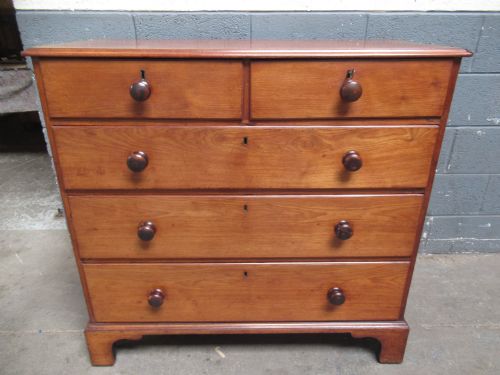
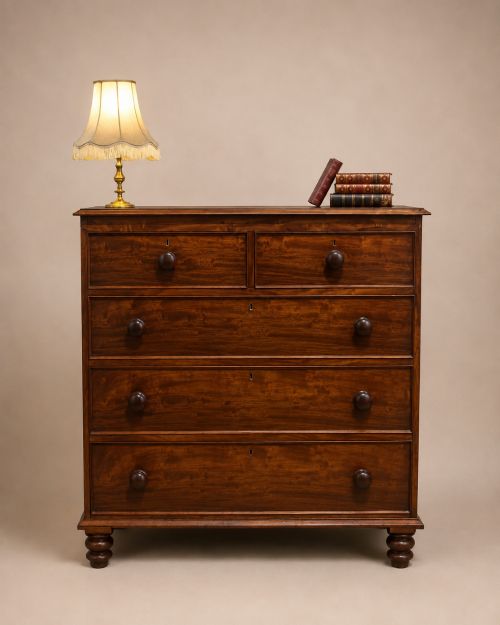
A victorian two over two chest provides bedroom storage through a distinct drawer arrangement featuring two smaller upper drawers positioned above two wider lower drawers. These pieces appear across the nineteenth century, spanning the Victorian and Edwardian periods.
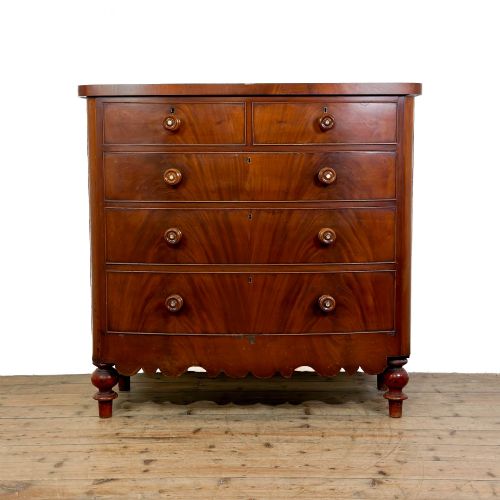
The form exists in varied woods including mahogany, flame mahogany veneer, satinwood, and pine. Pieces emerge from distinct stylistic traditions ranging from English country and Victorian country to the Aesthetic Movement.
Makers construct these chests as functional bedroom storage furniture. Examples arrive finished in original paint, scumbled finishes, stencilled details, or waxed pine.
How They Were Made
Cabinet makers utilised solid timber alongside flame mahogany veneer over wood bases. Surfaces feature wax, original paint, or scumbled and stencilled treatments applied directly to pine and mahogany.
Drawers incorporate brass handles, metal fittings, and wooden bun handles. Construction relies on traditional timber joining methods suited to nineteenth century workshop production.
Several pine chests wear layers of original paint and scumble, having spent centuries tucked into quiet country bedrooms before reaching the market.
What Varies in Quality
Quality rests upon the choice of materials and the preservation of original surfaces. Mahogany and figured flame mahogany veneer sit alongside everyday pine, while surviving original paintwork or scumble finishes elevate a piece above stripped examples.
Construction integrity and hardware retention separate standard utility items from finer examples. Original brass or wooden bun handles and clean drawer operation indicate superior workshop execution.
Heal & Son·Howard and Sons
The Victorian Two Over Two Chest Glossary
- Bow front
- A convex curved cabinet front that projects outward in a smooth arc. This shape appears on several mahogany examples.
- Scumble
- A decorative painting technique involving a translucent top layer over a lighter base colour to simulate grain. It appears on country pine pieces.
- Flame mahogany veneer
- A thin sheet of wood sliced from timber showing a distinctive flame-like grain pattern applied to a secondary wood core. It creates a highly decorative drawer front.
- Bun handle
- A rounded, protruding wooden knob shaped like a small bun. These appear frequently on nineteenth-century pine chests.
- Aesthetic Movement
- A late nineteenth-century design style emphasising visual beauty over narrative content. Pieces from this movement utilise specific decorative details.
Victorian Two Over Two Chest: Frequently Asked Questions
How do I style a chest?
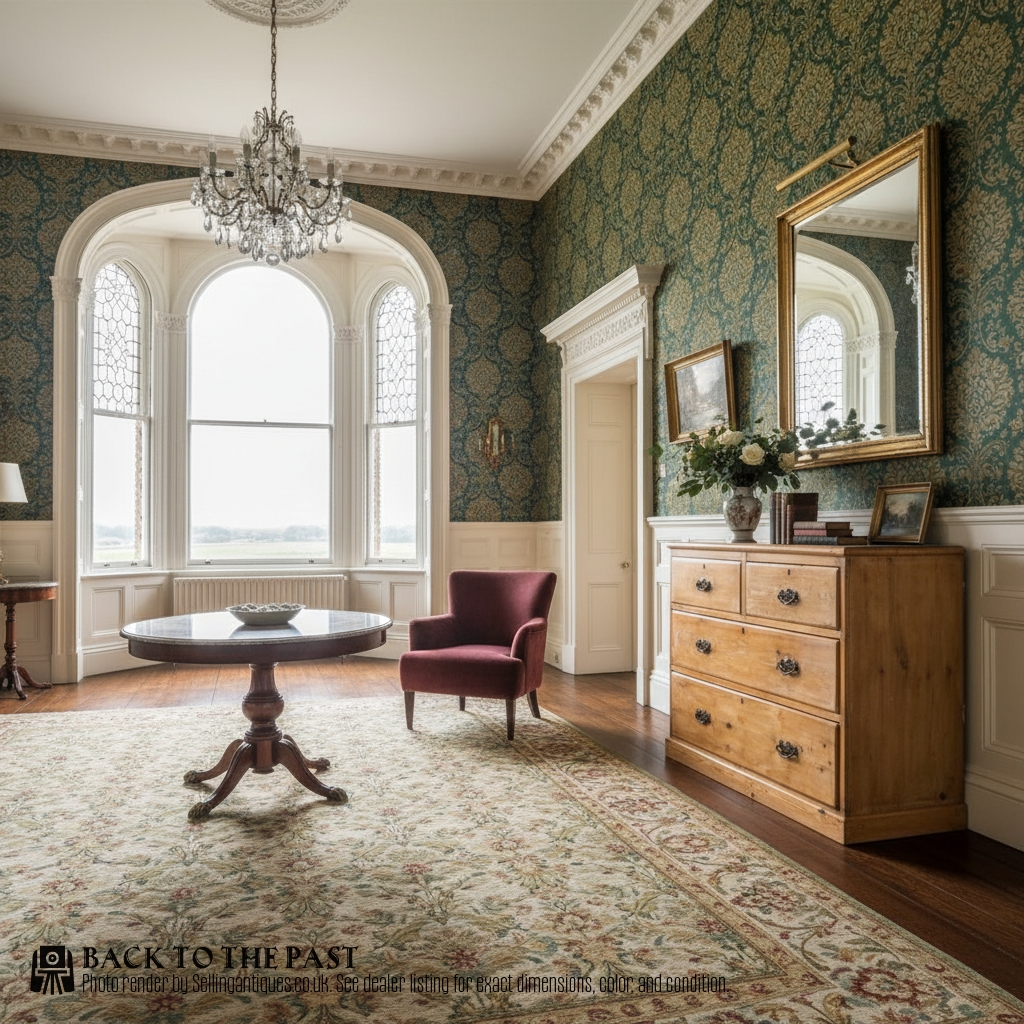
Position the chest against a bedroom wall to serve as a primary storage unit for clothing and linens. The flat top surface accommodates lamps, mirrors, or decorative objects.
Ensure adequate clearance in front of the piece for the drawers to pull out fully. Pair the timber tones with complementary furniture from the nineteenth century.
What wood was used?
Cabinet makers built these chests using mahogany, satinwood, and various pines. Higher-tier examples frequently feature flame mahogany veneer across the drawer fronts.
Secondary timbers support the internal framing and drawer box construction. Surfaces are finished with wax, paint, or scumble glaze.
Are pine chests original?
Many pine chests survive with their original paint, scumbled finishes, or stencilled decoration intact. Other pieces have been stripped of later paint layers to reveal the raw timber underneath.
Waxed finishes applied to stripped pine provide a smooth, clean surface while retaining the historic character of the wood. Original hardware helps confirm untouched status.
How old is my chest?
Dating relies on stylistic markers, construction methods, and materials associated with the Victorian and Edwardian eras. Pieces span from the early nineteenth century through to the Edwardian period.
Specific design movements like the Aesthetic Movement or Georgian influences provide narrower chronological brackets. Maker stamps, where present, offer precise attribution.