

Natural Pine Storage Chest
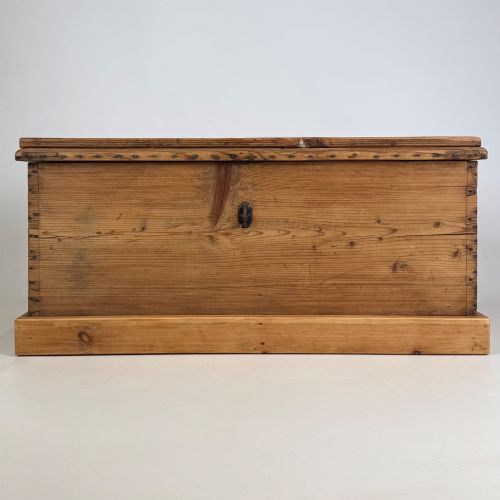
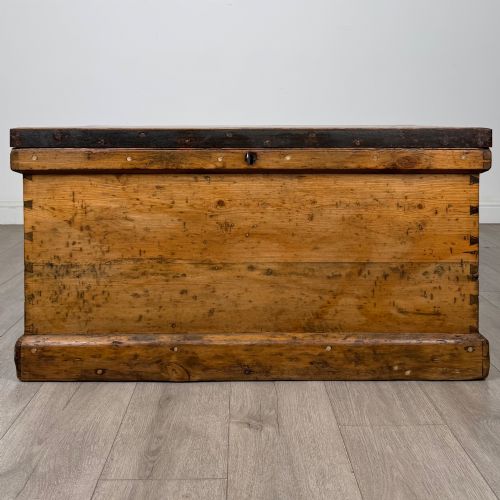
A natural pine storage chest brings honest utility and warm grain to any room, offering robust containment for blankets, linen or household goods.
Natural Pine Storage Chest
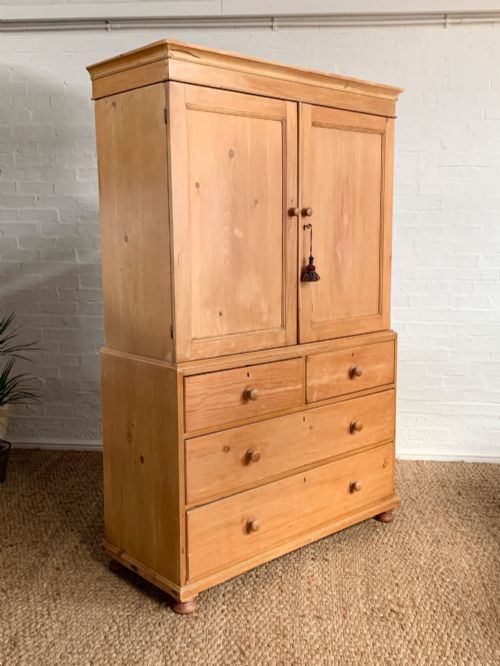
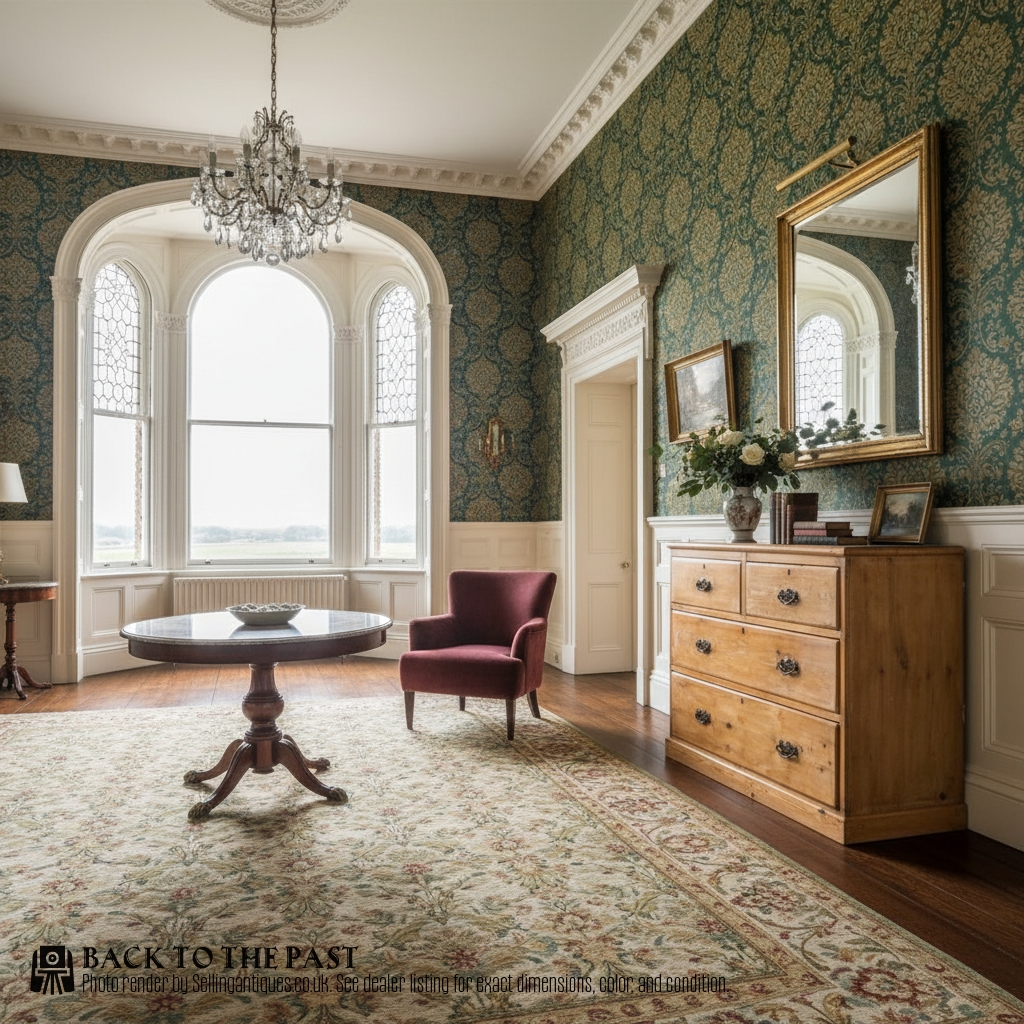
Buyers seeking a natural pine storage chest encounter sturdy vessels designed primarily for utilitarian service in homes, workshops and rural properties. The pieces recorded here span several centuries and periods, drawing heavily from the Victorian era alongside Georgian and Edwardian examples.
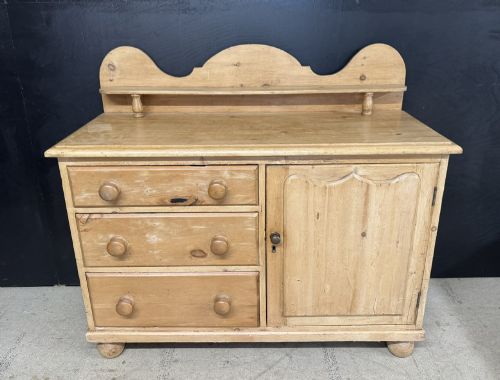
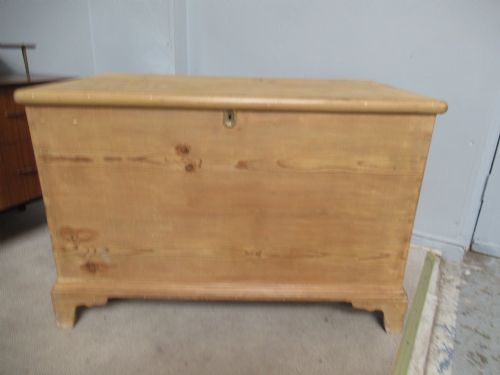
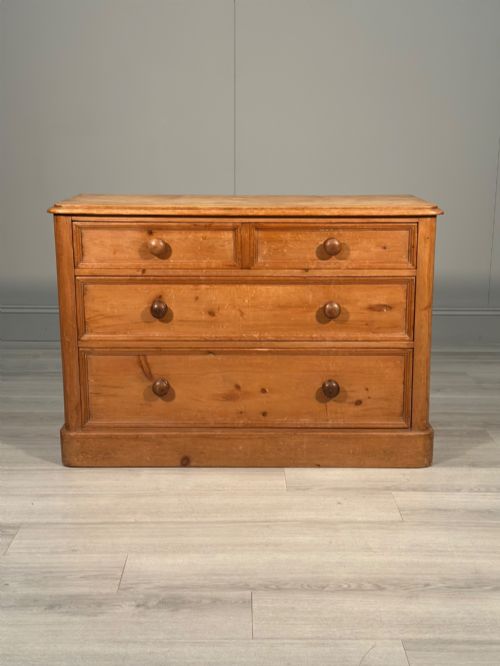
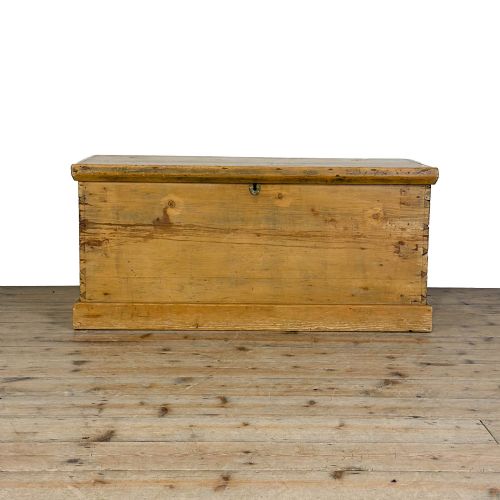
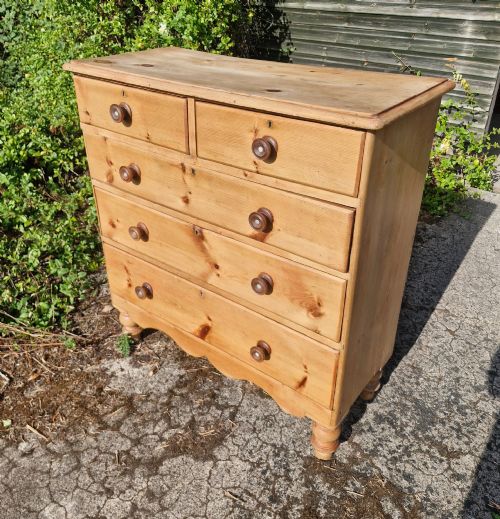
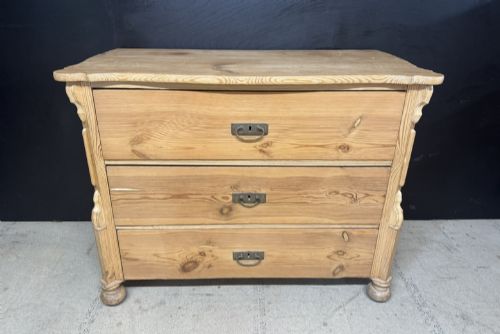
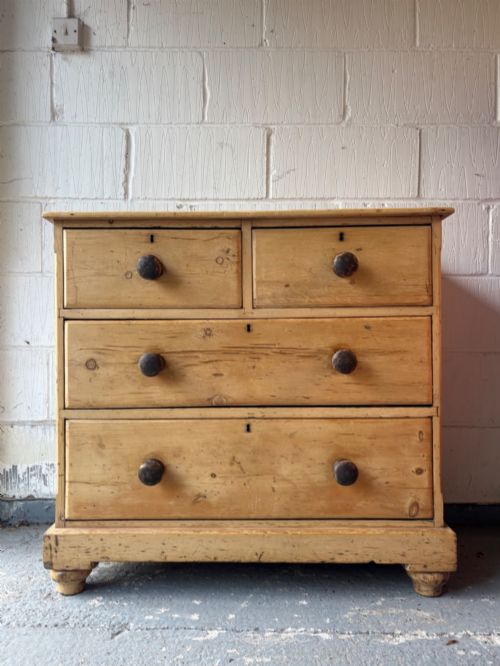
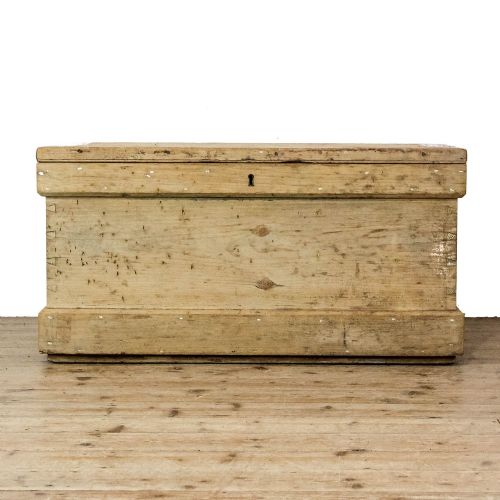
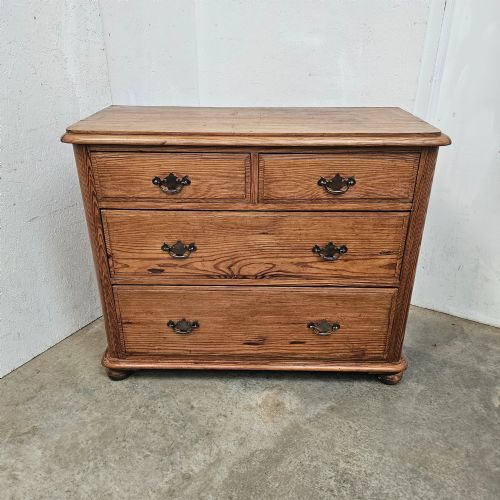
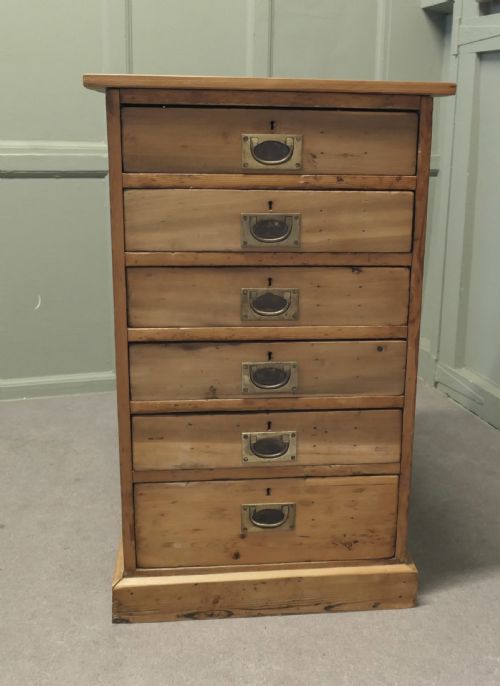
The dominant forms meeting this search include blanket boxes, mule chests, tool chests, trunks and multi-drawer chests of drawers. Plain plank construction and panelled walls predominate, often finished with wax or left scrubbed to reveal the raw timber beneath.
Materials and construction methods
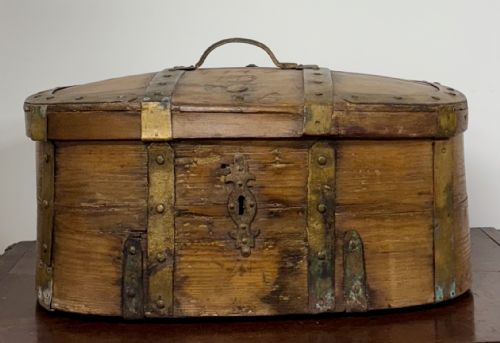
Makers relied principally upon pine, pitch pine and oregon pine for the primary carcases, utilising domestic and imported conifers for their workable grain and durability. Iron and brass hardware - such as carrying handles, strap hinges and robust locks - provided the necessary functional reinforcement for heavy transit and daily use.
Joinery methods depended on the intended function, combining dovetailed corners on finer blanket boxes with simpler nailed or rebated joints on utilitarian storage boxes. Surfaces were typically waxed, scrubbed or left plain, allowing the natural knots and growth rings of the softwood to form the visual character.
Some pine storage chests double as impromptu seating, quietly enduring decades of boots, books and restless pets.
Distinguishing quality in timber storage
Quality rests upon the integrity of the timber selection and the precision of the joinery rather than ornamental excess. Superior examples display tight, stable grain with minimal knot displacement and cleanly cut dovetails at the corners.
The retention of original iron or brass handles, working locks and uncompromised internal timber floors separates honest utilitarian pieces from those subjected to excessive modern reconstruction or harsh chemical stripping.
The Natural Pine Storage Chest Glossary
- Scrubbed pine
- Timber surfaces cleaned repeatedly with water and a stiff brush, removing old finishes to leave a pale, matte texture.
- Blanket box
- A deep rectangular chest hinged at the top, traditionally utilised for storing woollen blankets and household textiles.
- Mule chest
- A storage chest featuring one or more drawers beneath the main lifting compartment, bridging the form of a box and a chest of drawers.
- Bun handle
- A small, rounded wooden knob attached to drawer fronts for gripping, commonly found on Victorian case furniture.
- Pitch pine
- A resinous North American pine species yielding a harder, heavily grained timber frequently utilised for robust furniture.
Natural Pine Storage Chest: Frequently Asked Questions
What were these pine chests used for?
These chests served primarily as heavy-duty receptacles for household textiles, garments, tools and personal belongings in domestic settings.
Their robust timber construction allowed them to withstand frequent moving between rooms or during travel before fitted wardrobes and built-in cupboards became standard.
How do I clean a waxed pine chest?
Maintenance requires gentle dusting with a dry or slightly damp cloth followed by the occasional application of a traditional beeswax polish.
Avoid commercial silicone sprays or excessive moisture, which can degrade the soft pine grain and strip the historic patina.
Are these chests heavy to move?
Solid softwood construction makes most of these chests manageable for two people, though larger Victorian and Georgian examples with multiple drawers carry substantial weight.
Original side handles, where fitted, assist with lifting, but care should be taken to support the base rather than straining carrying hardware.
How do I date an old pine chest?
Dating relies on observing construction clues such as hand-cut dovetails, backboards, hardware types and overall proportions typical of the Georgian, Victorian or Edwardian periods.
Tool marks and the type of timber preparation - whether hand-sawn boards or machine-milled panels - further narrow the likely era of manufacture.