
Wooden Apothecary Cabinet
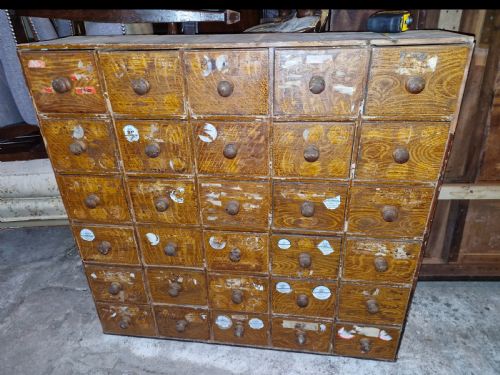
A wooden apothecary cabinet stores remedies and brings utilitarian utility into modern interiors.
Wooden Apothecary Cabinet
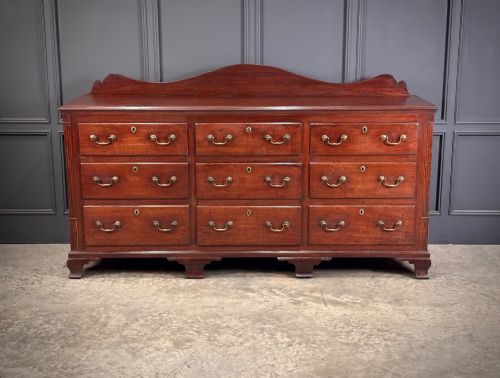
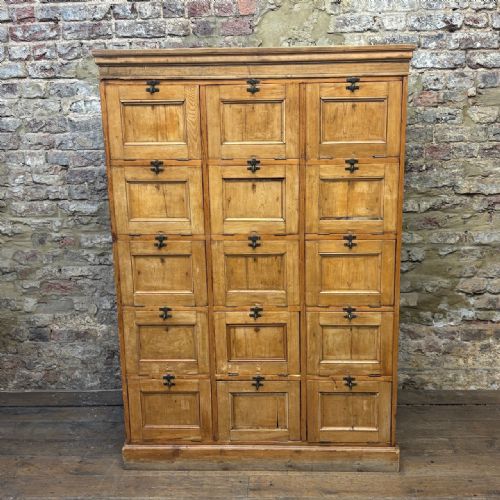
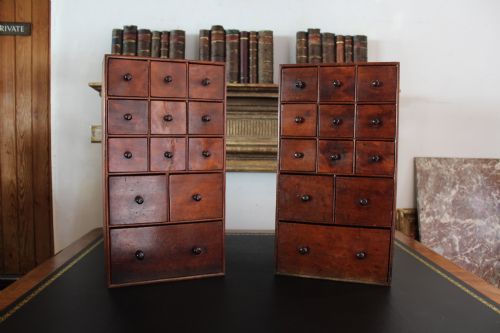
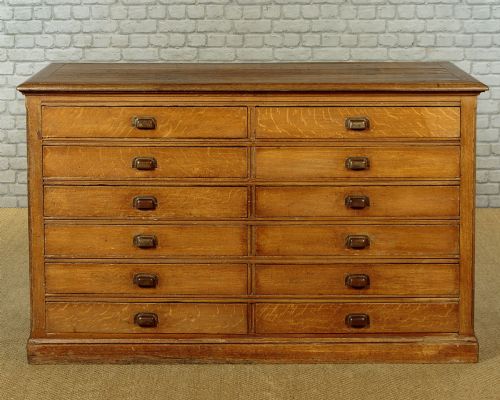
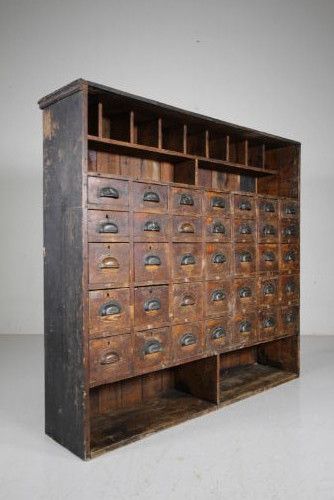
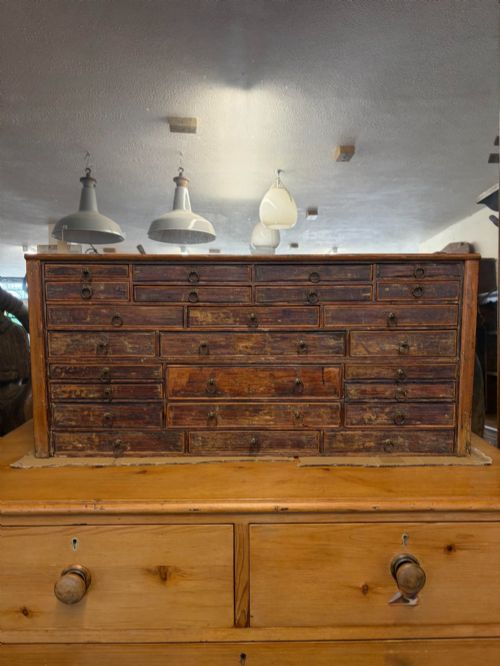
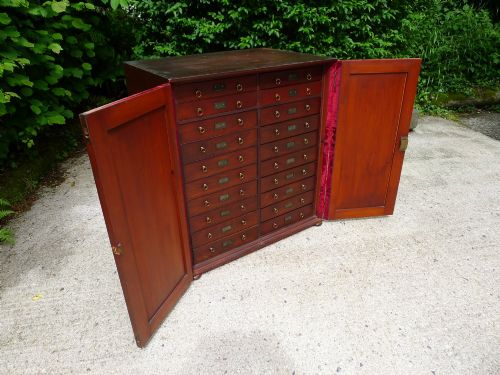
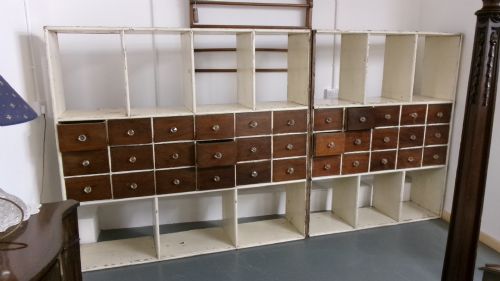
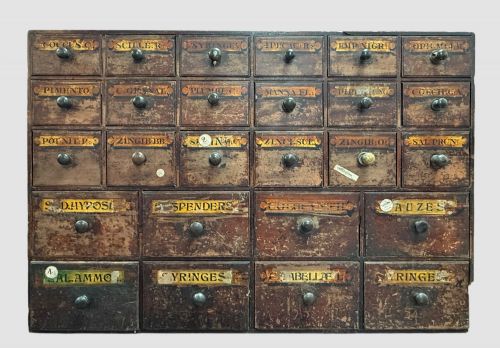
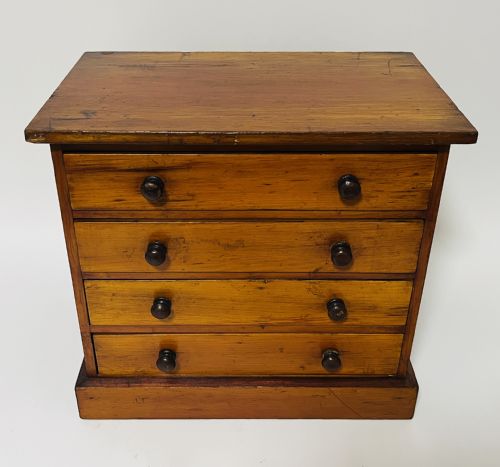
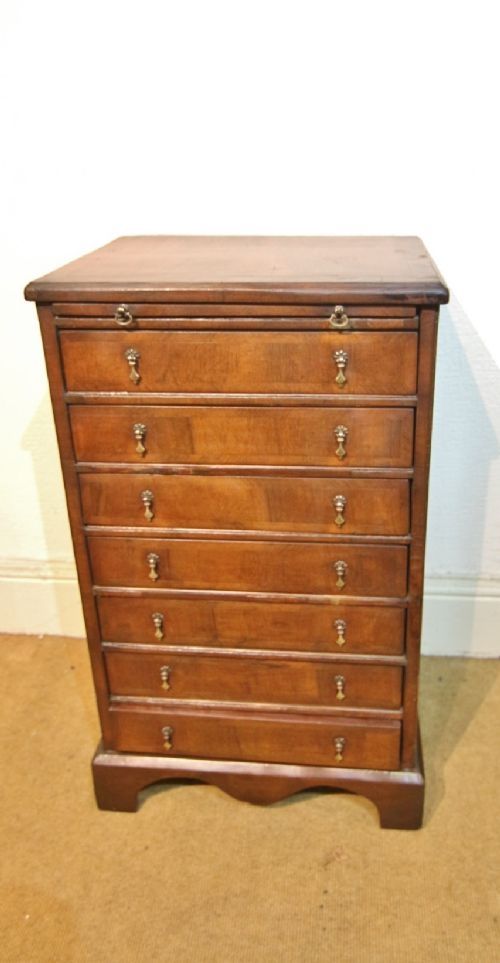
A wooden apothecary cabinet gathers multi-drawer banks, spice cupboards, and medical chests designed for sorting small items. Buyers searching for a wooden apothecary cabinet find pieces originating from the eighteenth century through to the nineteen-twenties.
The selections span functional chemist shop fittings alongside smaller carrying boxes and collectors cabinets. Domestic spaces receive these compact banks of drawers and wall-hanging spice boxes quite readily.
Origins stretch across Georgian, Victorian, and Edwardian eras, encompassing industrial workshops and country homes. Simple pine storage sits alongside polished mahogany and walnut forms.
How they were made
Carpenters utilised timbers such as mahogany, oak, pine, deal, and fruitwood to construct these multi-drawer units and cabinets. Joinery methods prioritise sturdy drawer construction to support frequent access to contents.
Brass handles, pulls, and key escutcheons punctuate the wooden surfaces alongside iron fixtures. Glass panels appear on specific display doors and countertop units.
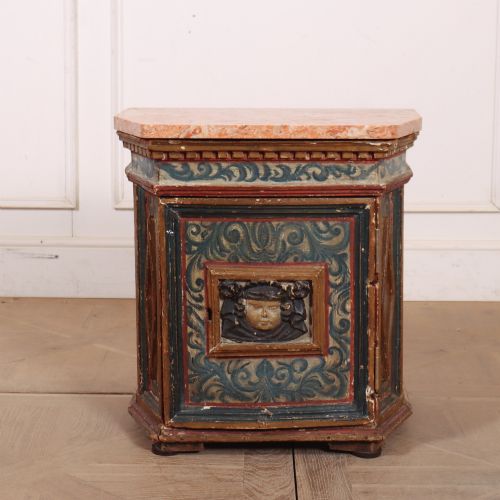
Painted finishes and stained treatments alter the raw timber, protecting the exterior while retaining the natural grain.
Listings feature pieces constructed from pine, mahogany, oak, fruitwood, and teak, spanning the eighteenth to the twentieth centuries.
What varies in quality
The precision of the internal drawer fit and the density of the chosen timber establish the primary standard. Dense hardwoods like mahogany command attention for their durability compared to softer deal or pine constructions.
Original hardware, including brass pulls and functional locks with keys, elevates the integrity of an antique cabinet. Retained paint or polished surfaces demonstrate how well a piece has survived decades of working use.
Luxmore of Ilfracombe·D Napier and Sons
The Wooden Apothecary Cabinet Glossary
- Bank of drawers
- A multi-drawer unit designed for high-density storage. These pieces feature numerous small compartments built for organising materials.
- Spice cupboard
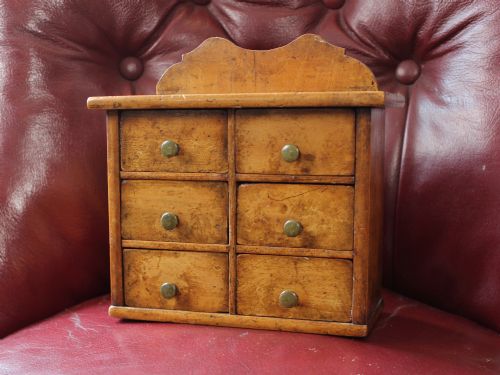
- A small wall-mounted or countertop cabinet containing internal small drawers. They originate from domestic and utilitarian contexts.
- Collector cabinet
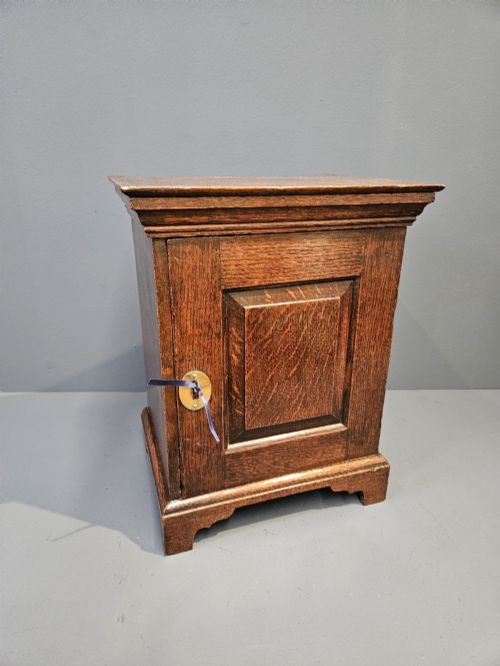
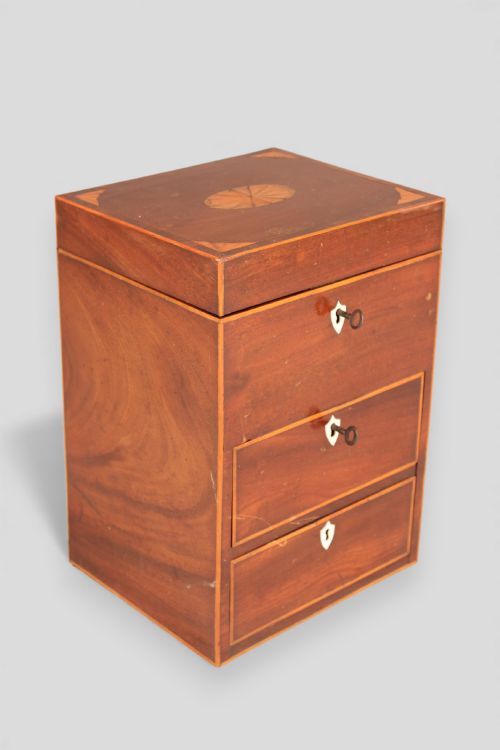
- A specialised piece intended for housing specimens, coins, or small objects. These often include locking doors to protect contents.
- Chemist shop fitting
- Large-scale cabinetry sourced directly from commercial pharmacies. They represent heavy-duty utilitarian design from the nineteenth century.
- Homeopathic chest
- A portable wooden box housing partitioned sections for medicines. These boxes often retain specialised interior fittings.
Wooden Apothecary Cabinet: Frequently Asked Questions
What is a wooden apothecary cabinet used for?
These cabinets originally stored medical remedies, dried herbs, and compounding ingredients in a chemist shop or home setting. The numerous small drawers kept specific substances separated and organised for quick retrieval.
Today, modern owners repurpose these multi-drawer banks to store stationery, craft supplies, jewellery, and small household items. Their compartmentalised nature suits desktop organisation and display.
How do I date a wooden apothecary cabinet?
Dating relies on observing construction methods, timber choices, and hardware styles across Georgian, Victorian, and Edwardian periods. Eighteenth-century examples often feature heavier oak or mahogany timbers with hand-cut dovetailing.
Later nineteenth-century pieces introduce stained deal, pine, and mass-produced brass hardware. Specific production markers include commercial shop origins or designated chemist labels.
Are these cabinets made of solid wood?
Construction primarily utilises solid timbers including pine, oak, mahogany, walnut, and fruitwood. Carpenters selected these robust materials to endure the daily demands of commercial storage and medical use.
Secondary woods sometimes appear on internal drawer linings and back panels. Painted and stained finishes are common across both utilitarian and domestic pieces.
What is the difference between a cabinet and a spice cupboard?
Apothecary cabinets typically form large multi-drawer banks or tall storage units designed for commercial pharmacies and substantial collections. They prioritise vertical storage capacity across numerous shallow drawers.
Spice cupboards are smaller wall-hanging or countertop boxes featuring an internal arrangement of miniature drawers. They serve domestic kitchens and smaller storage requirements.