
Victorian Tripod Plant Stand
A victorian tripod plant stand raises foliage and lamps on three slender legs, offering practical display height and traditional character.
Victorian Tripod Plant Stand
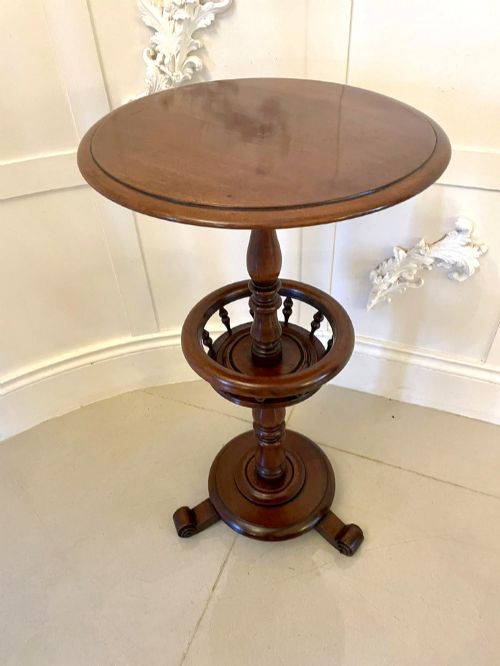
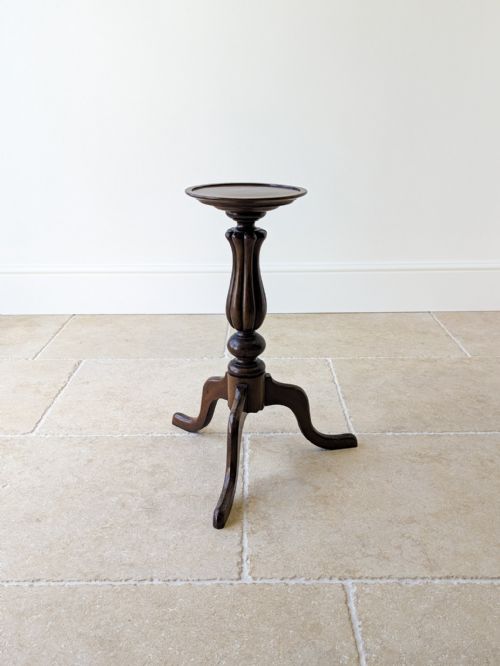
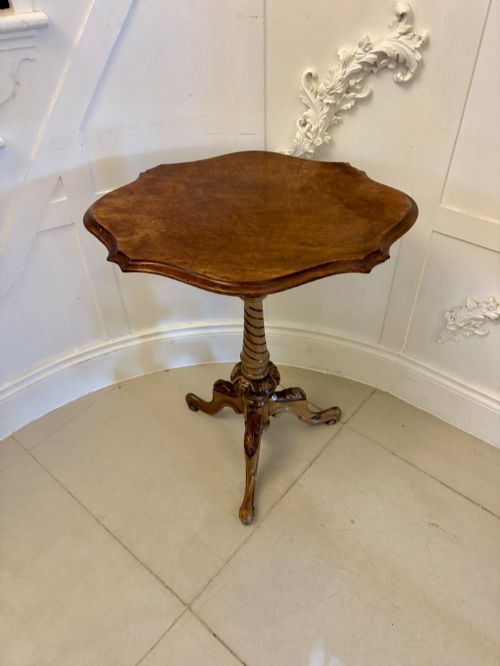
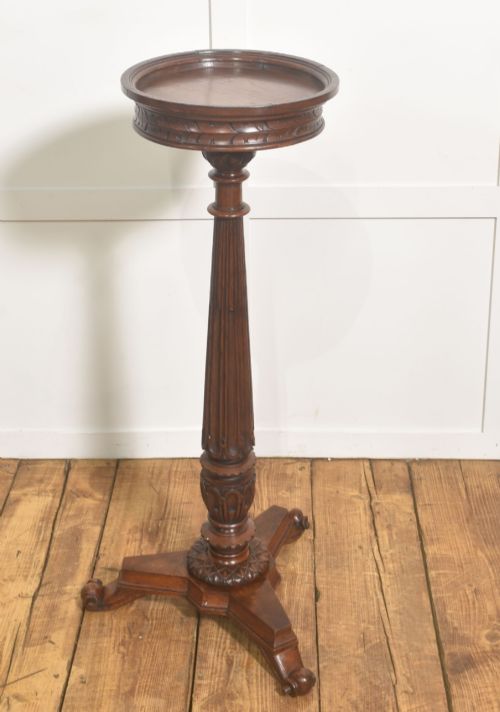
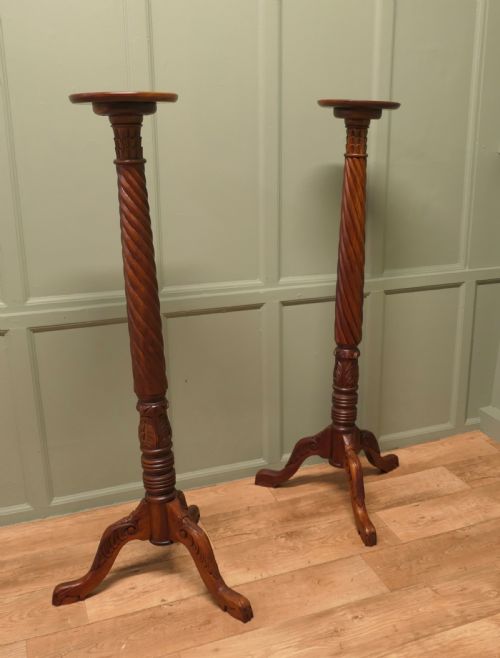
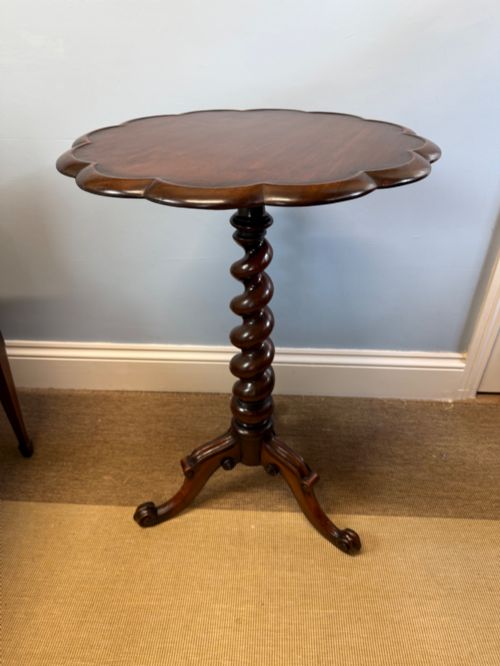
A victorian tripod plant stand combines a raised platform with a three-legged base designed to support plants, lamps, or decorative objects. You meet these pieces in various forms across the nineteenth century, including torcheres, pedestals, and occasional tables.
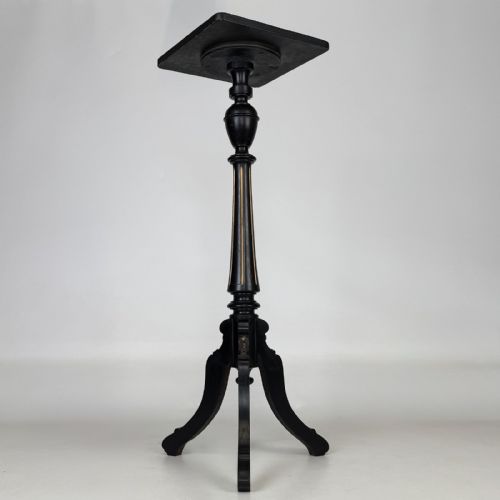
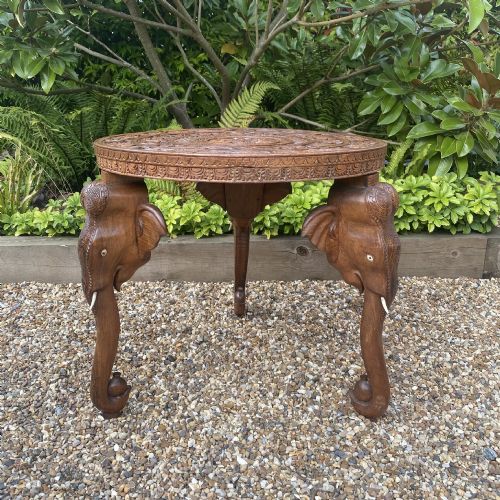
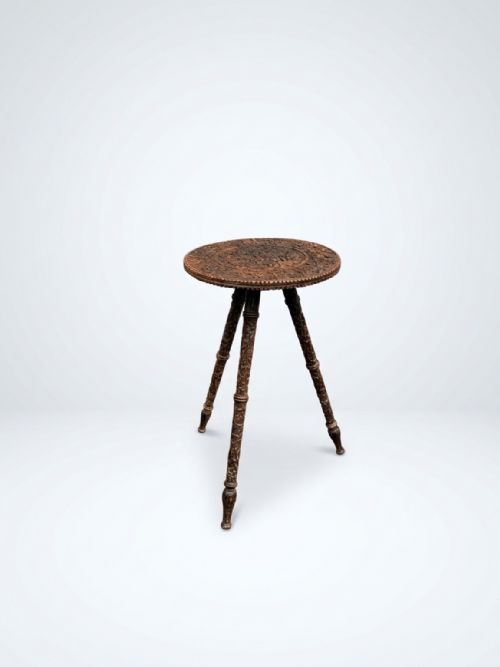
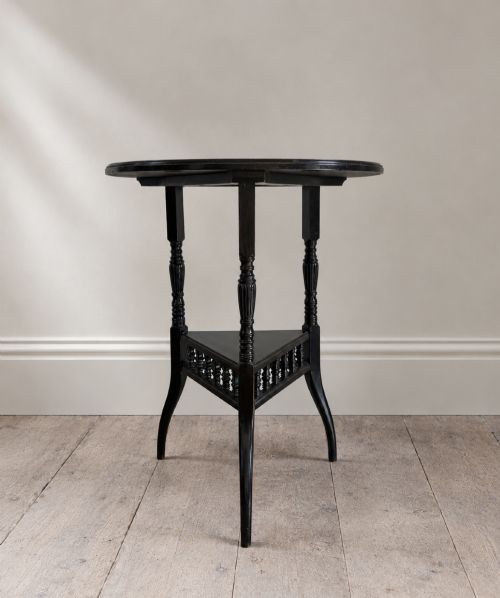
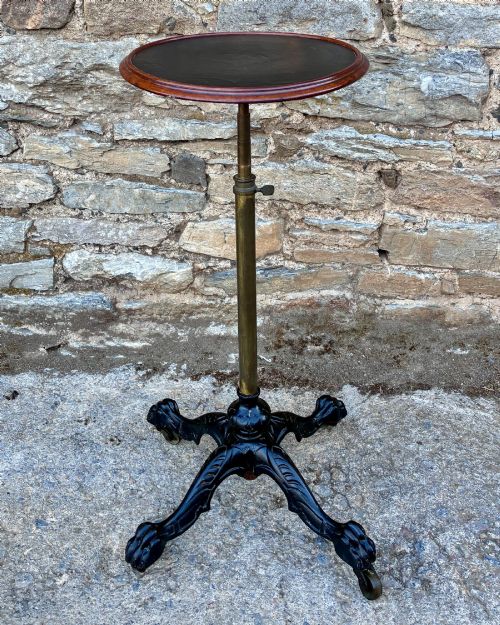
Makers produced these stands in mahogany, walnut, oak, and ebonised wood, alongside cast iron variants for garden settings. Stylistic influences range from Gothic Revival and Aesthetic Movement to Anglo-Indian carving.
The surviving inventory spans multiple decades of the nineteenth century and stretches into the early twentieth century. Buyers encounter both simple turned shafts and heavily carved sculptural columns.
Materials and construction
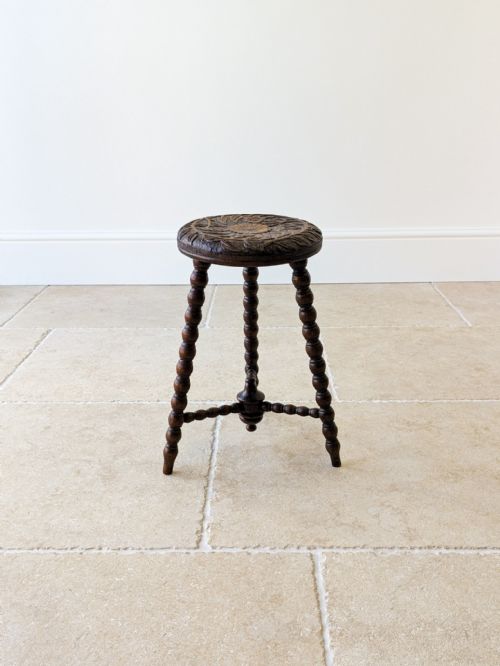
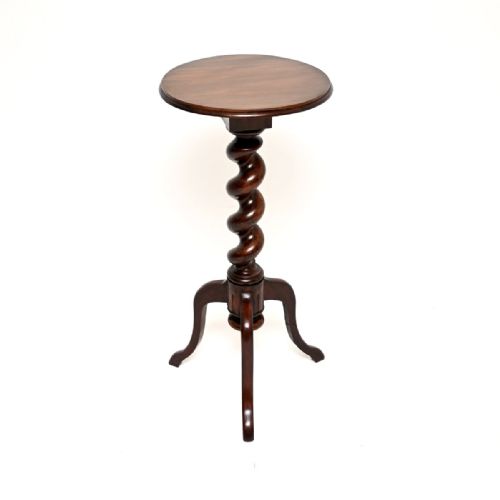
Cabinet makers utilised dense hardwoods such as mahogany and walnut for structural stability and fine turning work. Turning techniques created barley twist columns and bobbin legs on central shafts.
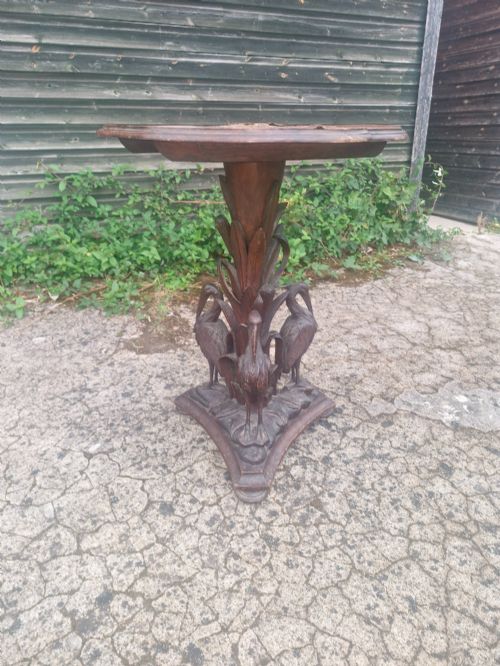
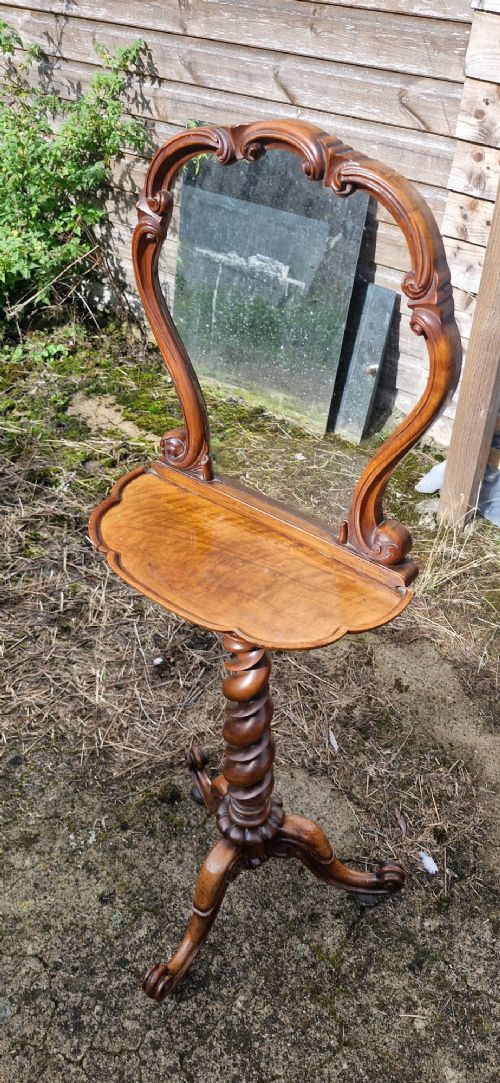
Carving added surface texture through chip-carved geometric patterns and sculptural elements like grape vines or animal figures. Ebonising provided a dark, painted finish mimicking exotic ebony wood.
Listings feature woods such as mahogany, walnut, oak, and teak alongside cast iron.
Evaluating craftsmanship
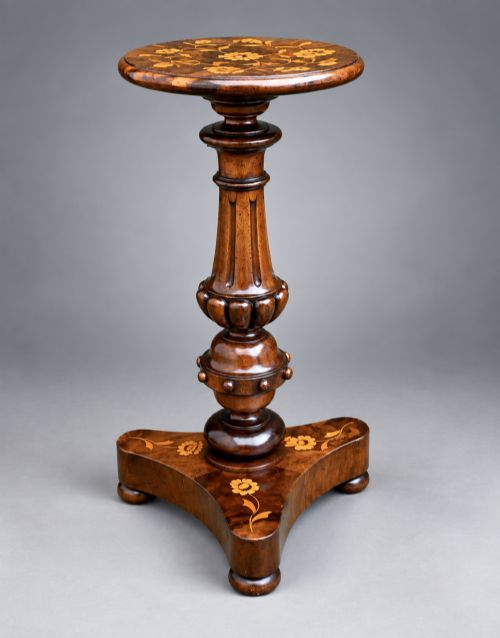
Quality rests in the precision of the joinery where the three legs meet the central pillar, ensuring a steady stance without wobble. Superior examples display crisp, deep hand-carving rather than shallow, machine-routed detailing.
The selection of timber grain on circular tops dictates the visual appeal of the piece. Well-figured mahogany or walnut exhibits rich natural patterns that elevate the overall presence of the stand.
Gillows
The Victorian Tripod Plant Stand Glossary
- Torchere
- A tall stand designed to hold a lamp or candle. These pieces provide elevated display surfaces in corners or beside seating.
- Tripod base
- A support structure utilising three legs radiating from a central column. This design ensures stability on uneven floor surfaces.
- Barley twist
- A spiral turning technique resembling a twisting rope. Cabinet makers applied this pattern to the vertical stems of stands and tables.
- Ebonisation
- A chemical or painting process that stains light wood black to imitate ebony. This finish gained popularity during the Aesthetic Movement.
- Jardiniere
- An ornamental pot or stand for holding plants and flowers. These items often feature decorative carving or metal liners.
Victorian Tripod Plant Stand: Frequently Asked Questions
What were victorian tripod plant stands used for?
These pieces served primarily to elevate potted plants, oil lamps, or decorative ornaments above floor level to catch better light and improve room arrangement.
Victorian households placed them in corners, beside windows, or next to armchairs where a standard table took up too much floor space.
How do I spot a genuine period piece?
Examine the timber shrinkage, joint construction, and hand-tool marks beneath the top and around the leg blocks. Period stands show appropriate wear patterns and traditional joinery methods rather than modern metal screws.
Turned columns and hand-carved details exhibit minor irregularities characteristic of nineteenth-century workshop production.
Can these stands support heavy plants?
Most tripod stands safely hold standard household potted plants, but heavy ceramic pots require careful balancing over the centre of the three legs.
Stands built from dense hardwoods like mahogany offer better structural weight capacity than lighter occasional tables.
How do I care for polished wood surfaces?
Dust the timber regularly with a dry, soft cloth and apply quality beeswax periodically to nourish the grain. Avoid placing stands in direct sunlight or near heat sources to prevent wood splitting.
Use protective pads beneath plant pots to stop water rings from damaging the antique polish.