
19th Century Pedestal Stand
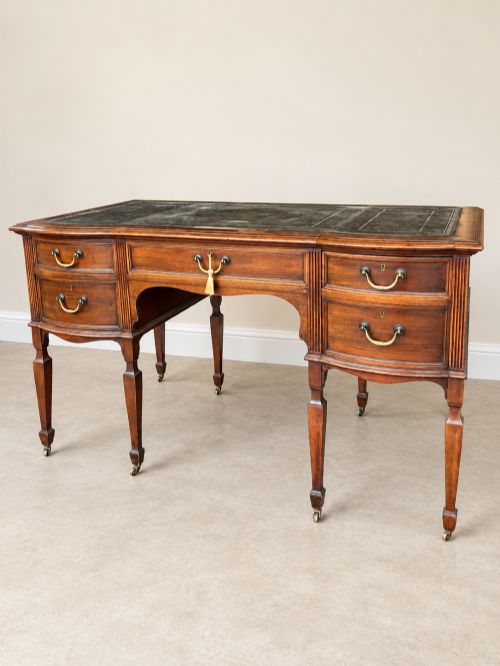
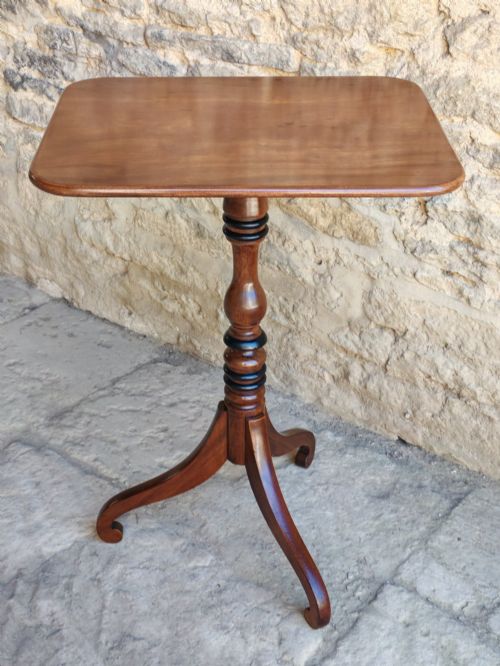
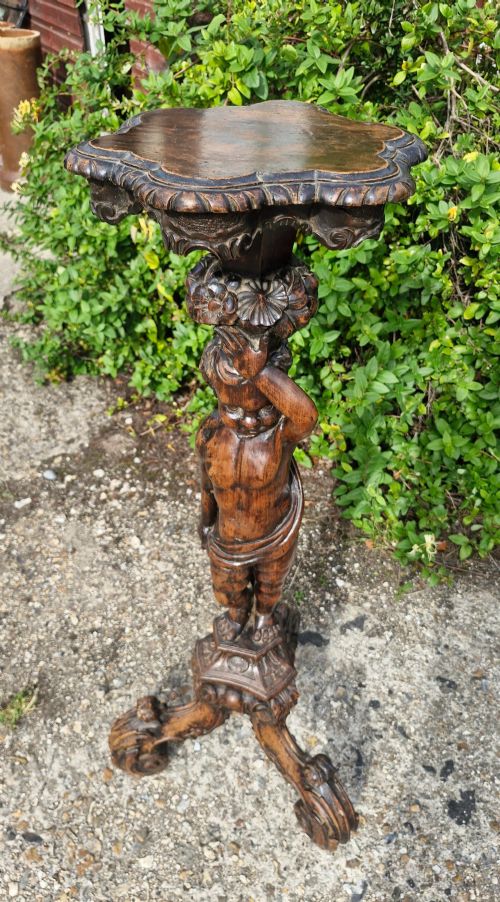
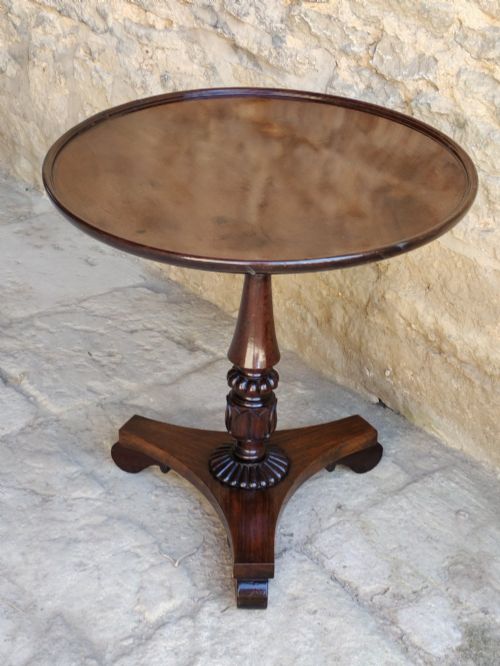
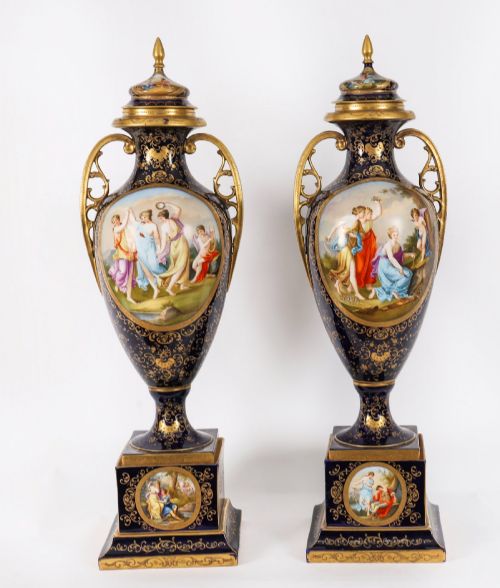
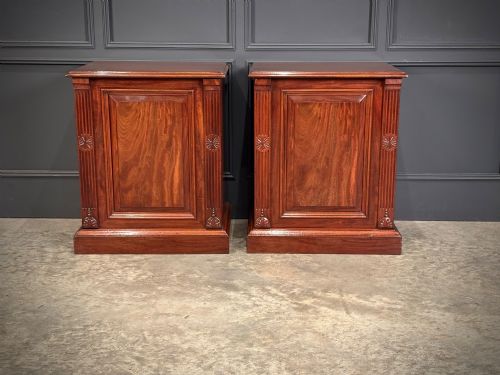
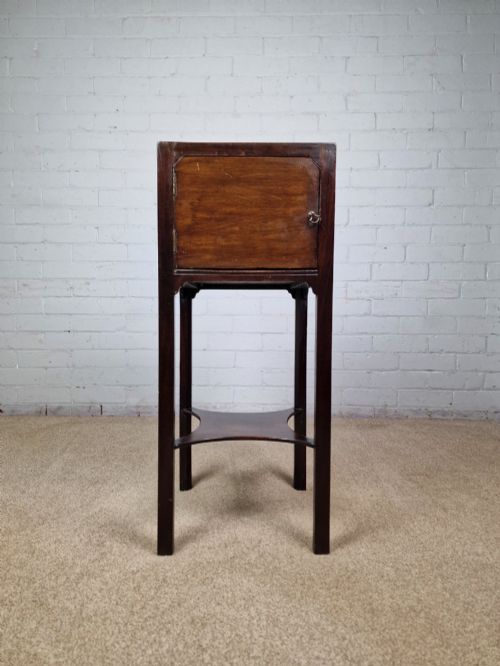
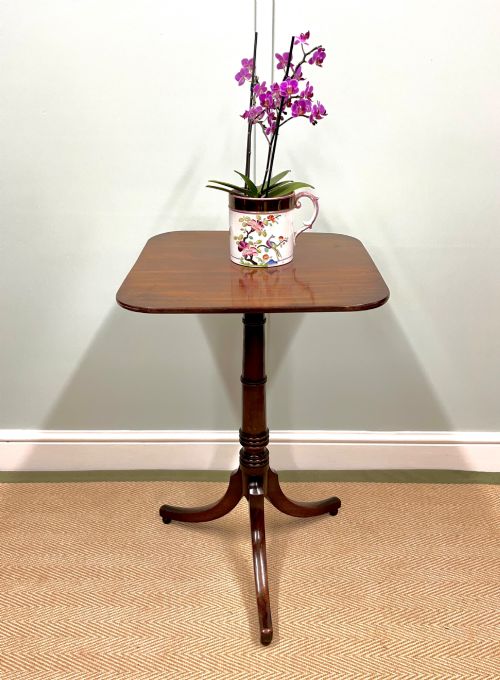
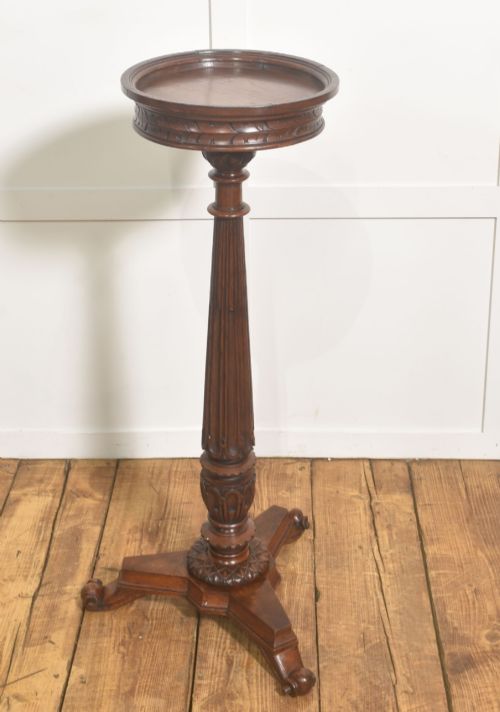
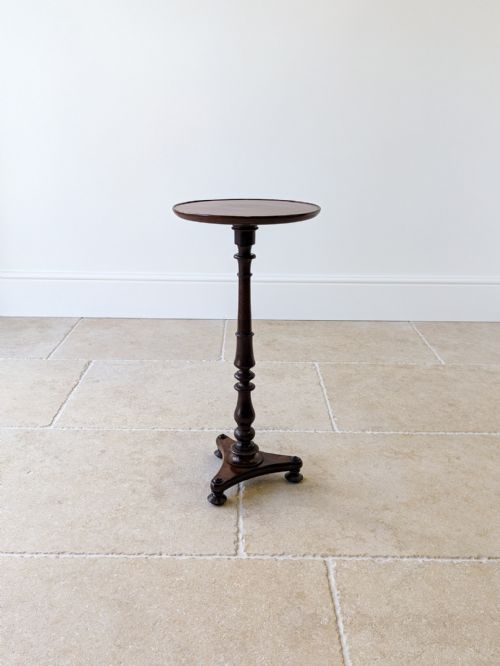
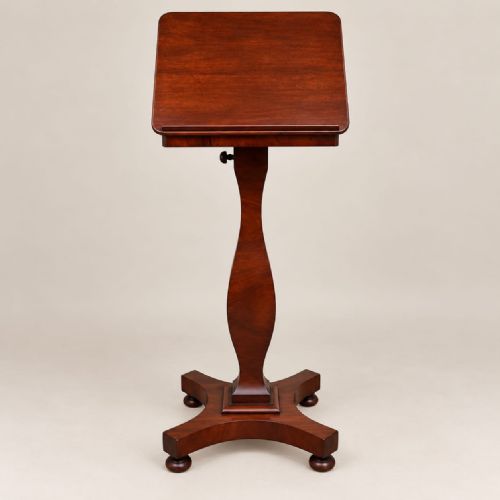
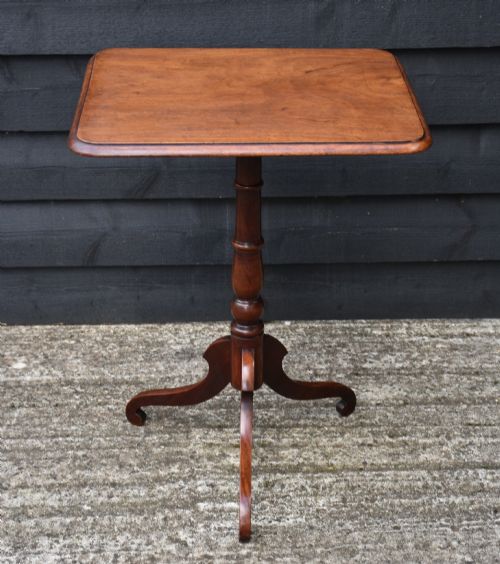
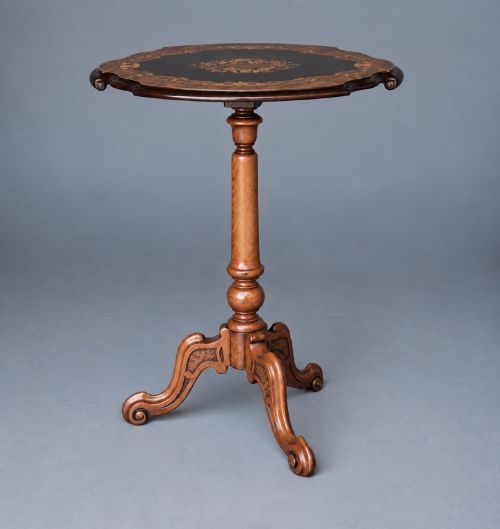
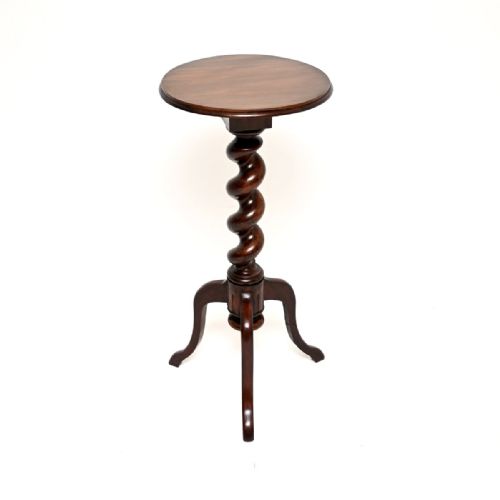
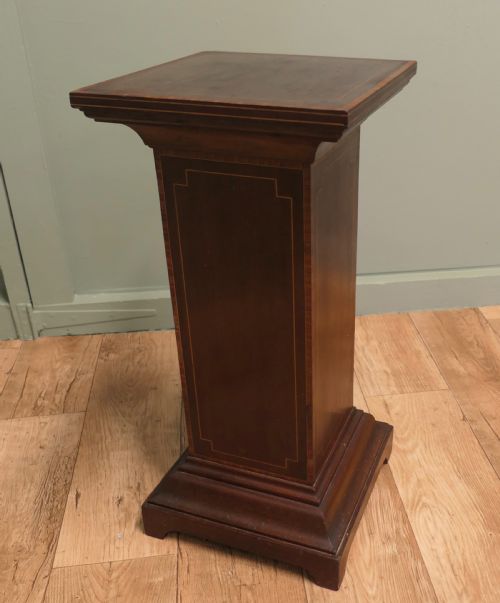
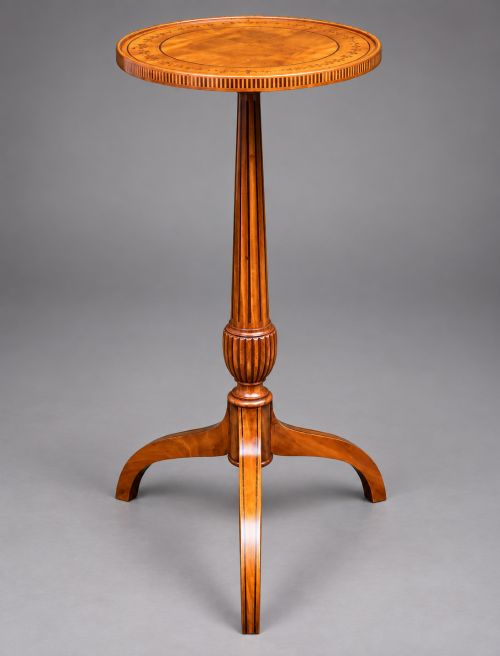
These pieces comprise a 19th century pedestal stand, built to elevate lamps, plants or art and anchor a traditional room with solid timber and classical form.
19th Century Pedestal Stand
A 19th century pedestal stand serves to elevate decorative objects, lamps, or plants within a room. When exploring this phrase, buyers encounter forms ranging from slender columns and torchères to wine tables, tazzas, and jardinière stands.
The pieces appearing on this page stem predominantly from Victorian, Regency, and William IV periods. Mahogany remains the most frequent wood, accompanied by rosewood, walnut, and painted or ebonised finishes.
Origins stretch across British workshops, Sweden, Italy, and China, reflecting diverse aesthetic revivals. Forms include tripod bases, central columns, and tilt-top mechanisms designed for domestic utility.
Materials and Construction
Cabinet makers utilised dense hardwoods such as mahogany, rosewood, and walnut for stability on slender shafts and tripod legs. Inlays of satinwood, marquetry, and burr wood veneers add surface contrast to tops and columns.
Decorative elements incorporate cast brass, ormolu collars, and gilt bronze. Certain pieces integrate carved Italian walnut, porcelain tazzas, and structural marble or onyx components.
Joinery methods include turned central shafts, tilt-top actions, and sturdy tripod or pedestal bases. Ebonised finishes and painted surfaces appear alongside polished natural wood grains.
Listings span multiple materials, combining mahogany, brass, rosewood, walnut, paint, marble, porcelain, and ormolu across various nineteenth-century forms.
Factors That Separate the Range
The distinction between tiers rests on timber selection and the precision of the carving. Finely figured mahogany, burr wood, and dense rosewood indicate higher workshop standards than plain fruitwood or standard pine.
Execution of decorative details governs overall merit, visible in crisp acanthus carvings, secure brass ormolu mounts, and intricate marquetry. Structural integrity in tilt-top mechanisms and weighted bases also defines better examples.
Gillows·Coalport·Sèvres·Limoges
The 19th Century Pedestal Stand Glossary
- Torchère
- A tall, slender stand designed specifically to support a candle or lamp. These elevated supports often feature carved wooden columns or tripod bases.
- Tazza
- A wide, shallow cup or saucer mounted on a stem and foot, utilised for display. They appear in porcelain, glass, or metal during the nineteenth century.
- Tilt-top table
- A table equipped with a mechanism that allows the surface to pivot to a vertical position when not in use. This design saved space in period drawing rooms.
- Teapoy
- A small box or chest mounted on a central pedestal, originally used for storing tea. Regency examples frequently showcase fine rosewood and internal compartments.
19th Century Pedestal Stand: Frequently Asked Questions
What is a 19th century pedestal stand used for?
These furnishings were designed to display decorative objects, support oil lamps, or elevate indoor plants within nineteenth-century drawing rooms and halls.
They function today in much the same way, providing height and architectural interest to empty corners or beside seating areas.
How do I identify a Regency pedestal stand?
Regency pieces often display classical proportions influenced by Greek and Roman designs, utilising dark timbers like rosewood and mahogany.
Cabinet work from this period frequently incorporates brass inlay, reeded columns, and substantial platform bases with scroll feet.
Where should I place a wine table?
Wine tables and candle stands work best beside armchairs or sofas where surfaces are needed for drinks or small lamps.
Their compact tripod or pedestal footprints allow them to fit into tight spaces without cluttering a room.
What is the difference between a torchère and a pedestal?
A torchère specifically denotes a tall, slender stand historically built to hold a light source, featuring a delicate shaft.
Pedestals can encompass broader columns and heavier plinths designed to bear the weight of large marble busts or jardinières.