


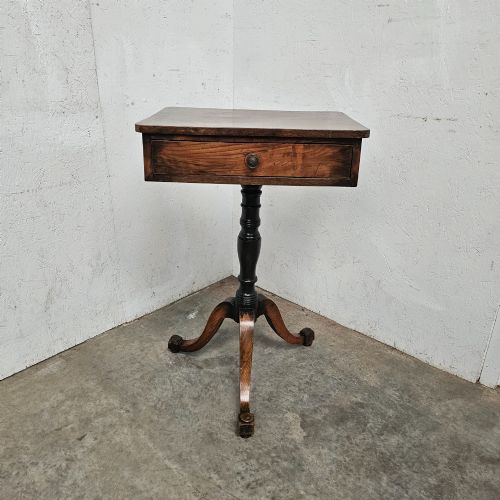
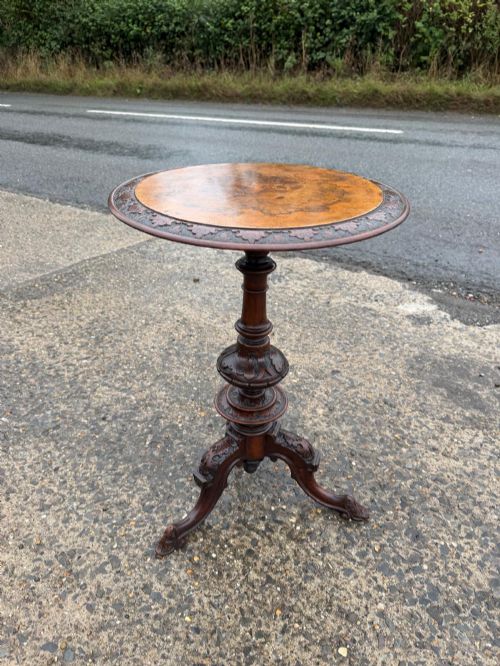
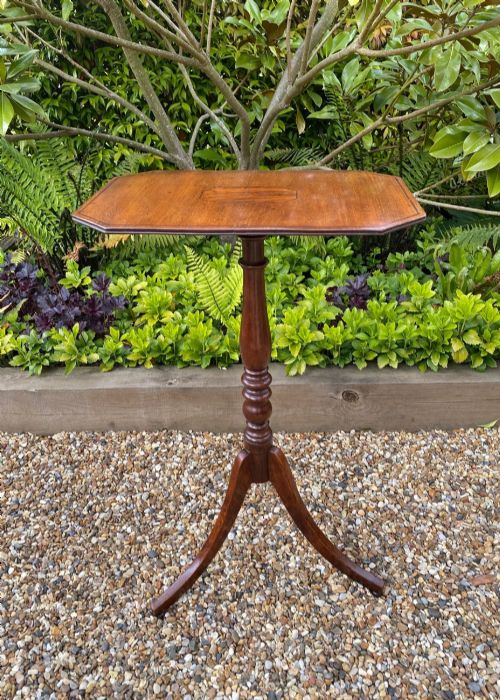
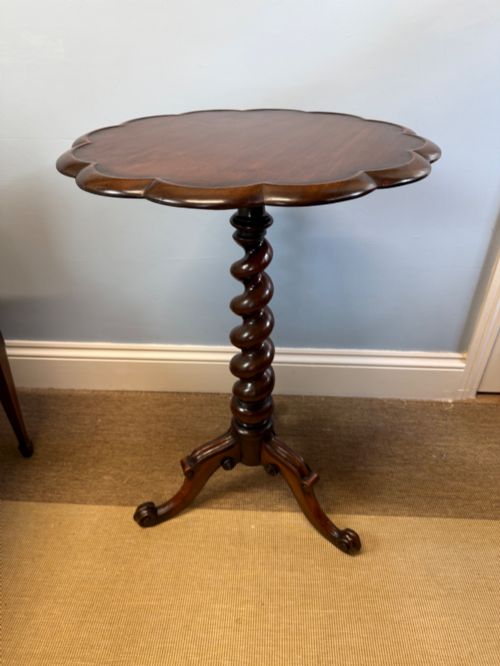
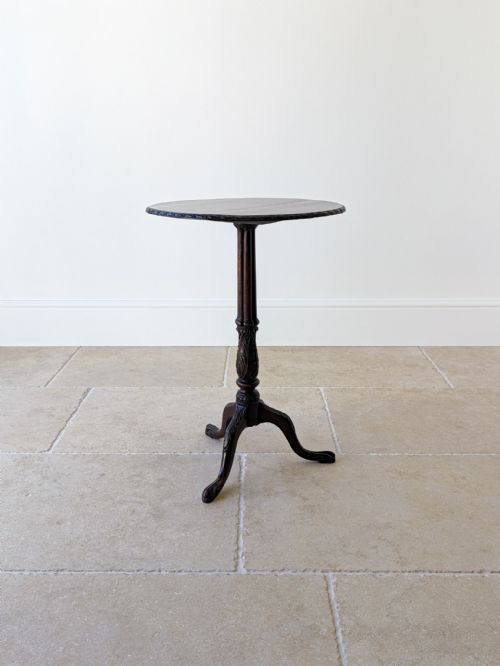
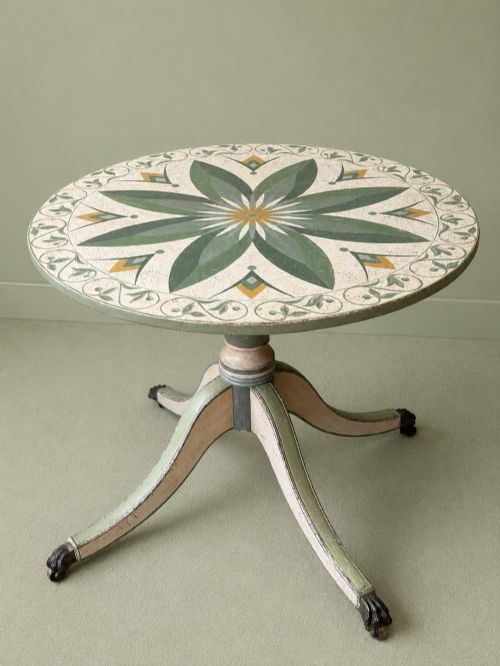
Victorian Tripod Pedestal Table
These pieces combine a central pillar with a three-legged base to provide a stable, versatile surface suited to lamps, wine, or books.
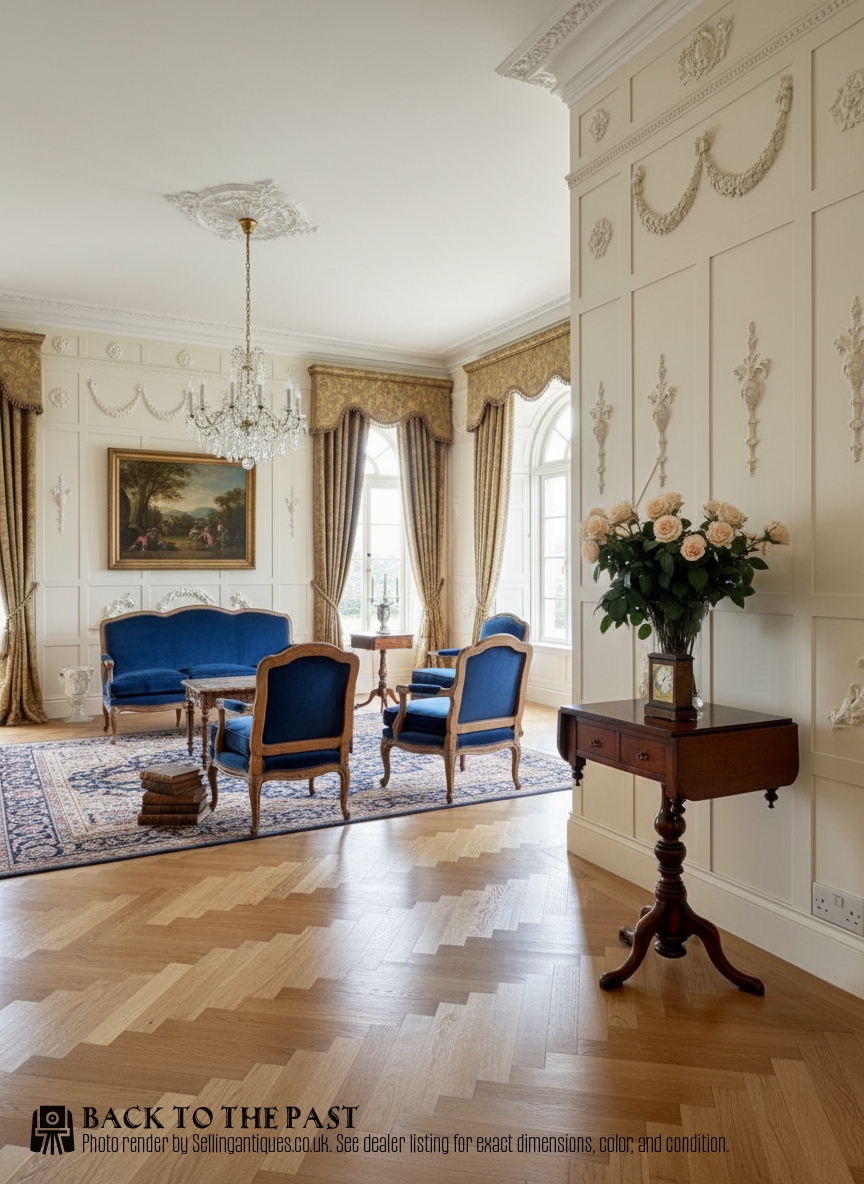
Victorian Tripod Pedestal Table
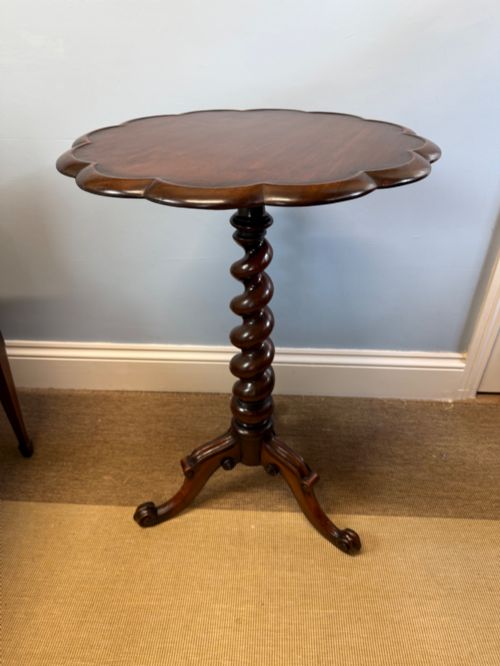
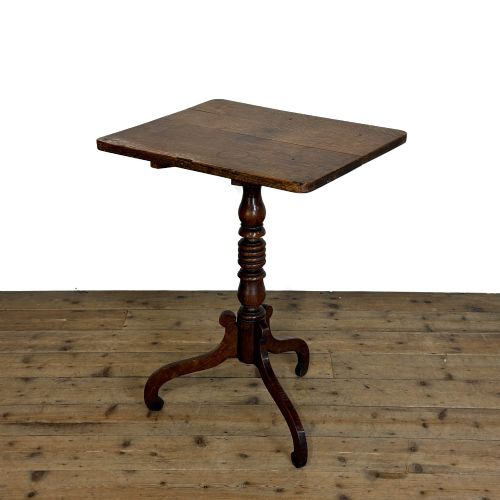
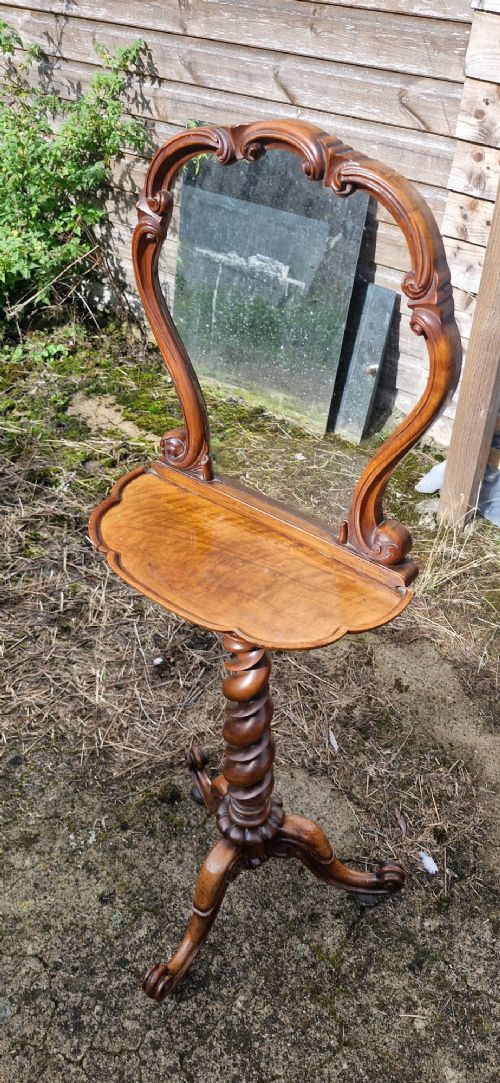
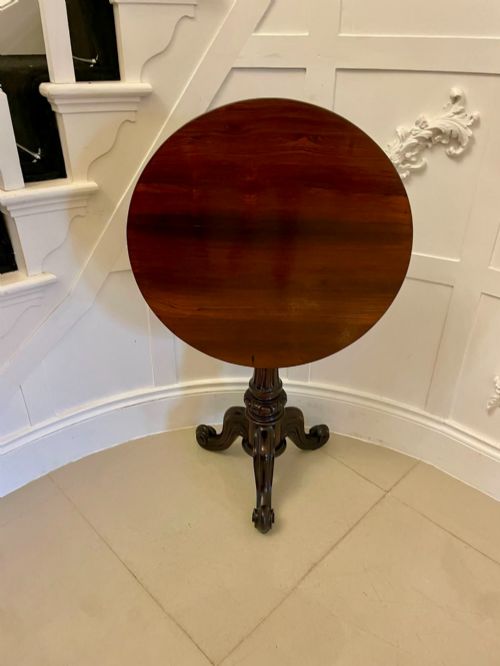
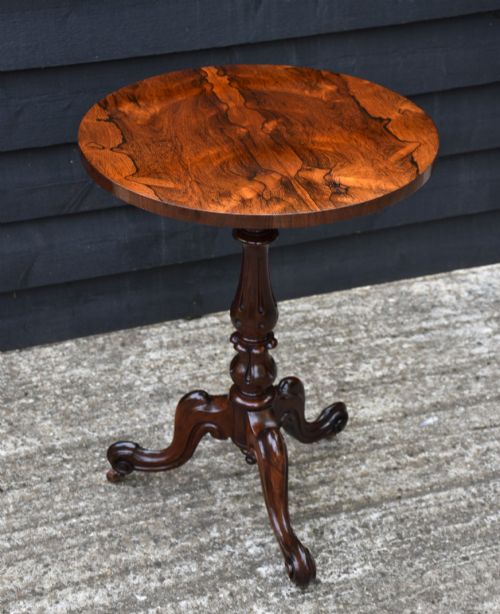
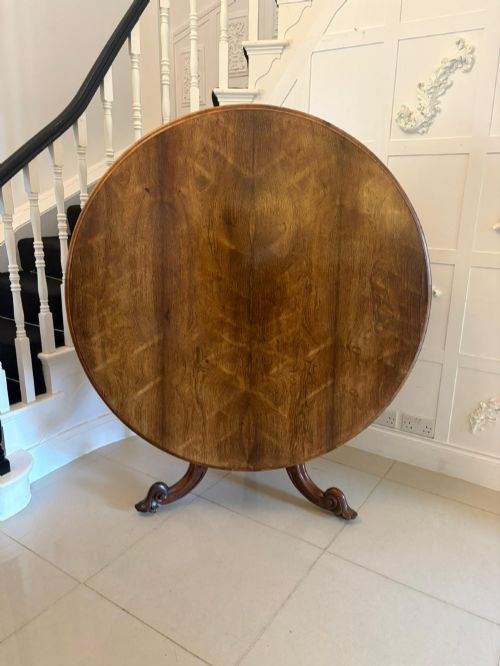
A victorian tripod pedestal table stands on a central column supported by three feet, appearing across the nineteenth century in forms such as wine tables, lamp tables, and occasional tables. These items serve domestic spaces as small surfaces for drinks, reading materials, or display, originating in periods spanning from the early eighteen hundreds through to nineteen thirty.
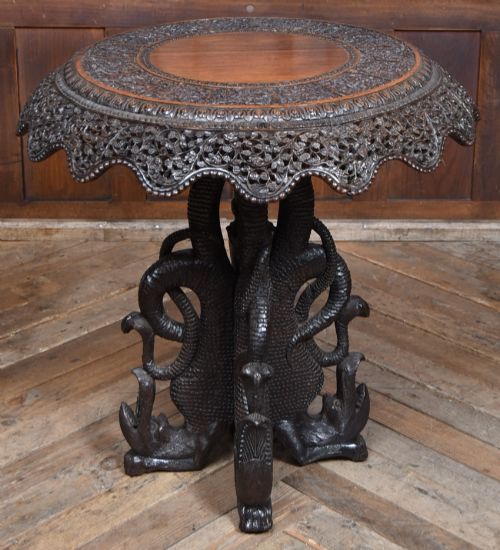
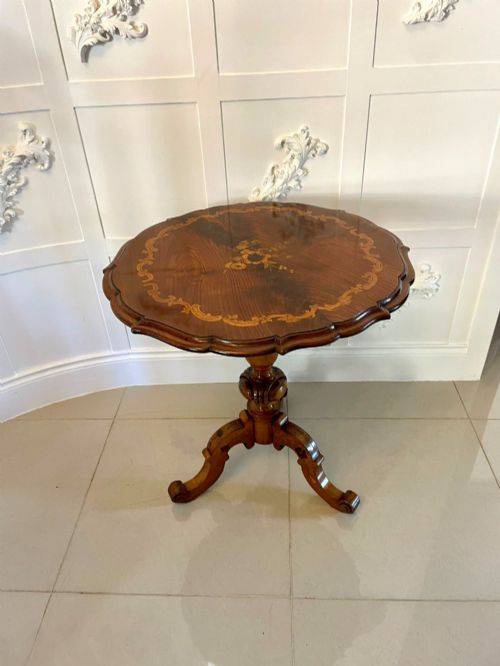
Mahogany and rosewood appear frequently among the pieces, alongside walnut, burr walnut, oak, fruitwood, and satinwood. Styles stretch from standard Victorian and Regency to revival designs including Chippendale Revival and Georgian Revival, as well as Anglo-Burmese and Italian inlaid variations.
How They Were Made
Cabinetmakers constructed these tables using solid hardwoods like mahogany, oak, and walnut, frequently applying veneers of rosewood, burr walnut, or satinwood to visible top surfaces. Marquetry inlay and decorative carving enhance specific examples, employing contrasting timbers and brass fittings.
Tilt-top mechanisms incorporate specialised wooden catches and pivot blocks that allow the circular top to release and lock into place perpendicular to the pedestal shaft. Turned central pillars connect directly to three shaped legs via tenon joints or iron brackets for stability.
Listings demonstrate materials including mahogany, brass, walnut, rosewood, burr walnut, oak, glass, and wood across nineteenth-century periods.
What Varies in Quality
The choice of timber and veneer determines much of the visual depth, with highly figured burr walnut, satinwood, and dense rosewood representing finer material selection than plain fruitwood or standard mahogany. Execution of marquetry inlay and hand-carved details on the pillar and legs indicates the level of craftsmanship invested in the piece.
Mechanical integrity defines another tier of distinction, particularly in tilt-top actions and adjustable display stands where tight joints and smooth movement separate workshop execution from utilitarian production. Stability in the tripod base relies on precise joinery at the central column juncture.
Gillows
The Victorian Tripod Pedestal Table Glossary
- Tilt-top
- A mechanism allowing the table surface to rotate and lock into a vertical position for storage against a wall.
- Tripod base
- A three-legged support structure radiating from a central pillar to provide balance on uneven floors.
- Marquetry
- The art of applying decorative pieces of veneer to a structure to form intricate geometric or floral designs.
- Pedestal
- The central vertical column supporting the upper tabletop above the three-legged base.
- Occasional table
- A small, movable piece of furniture designed for specific, intermittent household uses.
Victorian Tripod Pedestal Table: Frequently Asked Questions
What was a wine table used for?
These small surfaces held decanters, glasses, and bottles near seating areas during evening gatherings in nineteenth-century drawing rooms.
Their compact footprints allowed servants to move them easily around guests as required.
How does a tilt-top mechanism work?
A wooden catch or metal latch releases the tabletop from its horizontal seating, letting the surface pivot ninety degrees on a pivot block.
This allowed households to store the tables flat against walls to reclaim floor space when rooms were unoccupied.
What timbers are most common?
Mahogany and rosewood dominate the surviving inventory, accompanied by walnut, burr walnut, and oak.
Finer versions incorporated decorative veneers like satinwood and detailed marquetry inlay.
Where should I place a pedestal table?
Their compact proportions make them suitable beside armchairs, in small hallway corners, or as lamp stands in sitting rooms.
Avoid positioning them in direct sunlight or near heat sources to protect polished wood surfaces and veneers.