


Victorian Tripod Lamp Stand
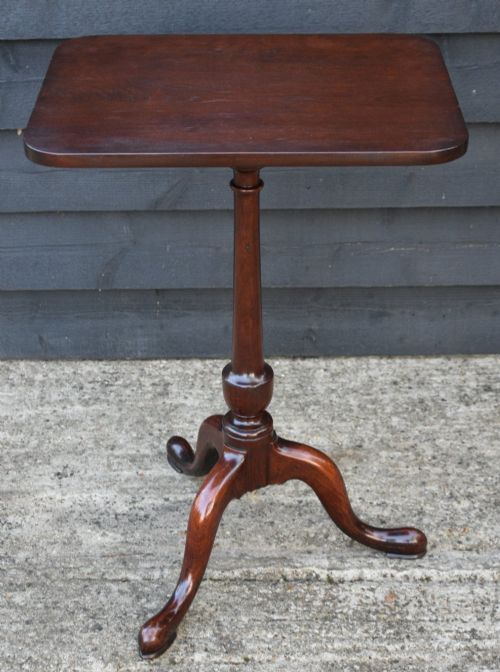
A victorian tripod lamp stand combines practical height with a steady three-legged base to hold a light or display a small object.
Victorian Tripod Lamp Stand
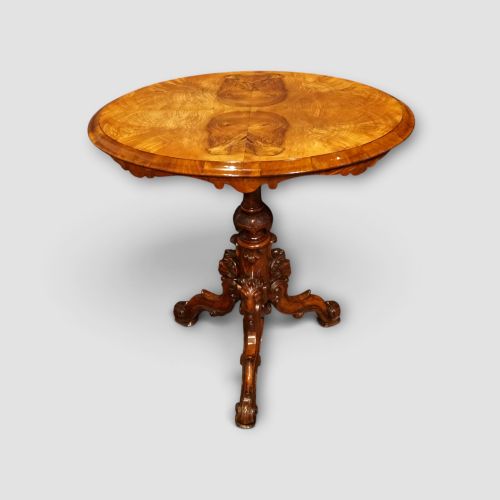
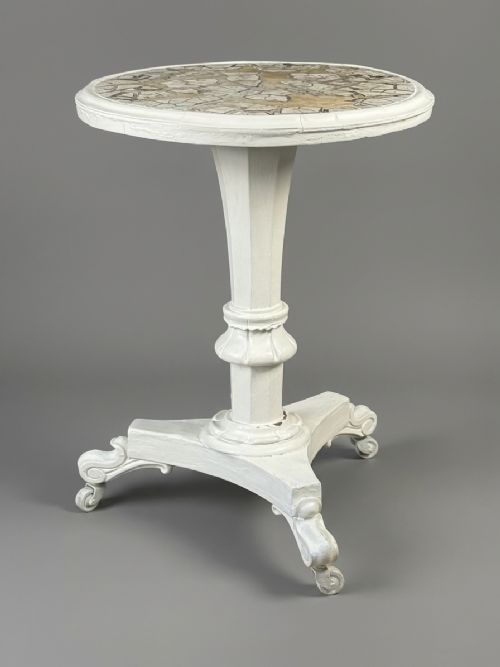
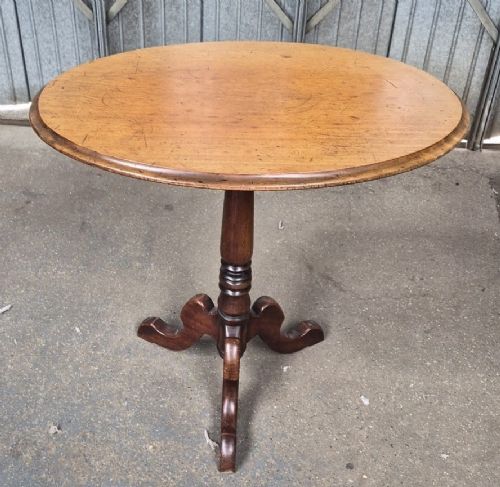
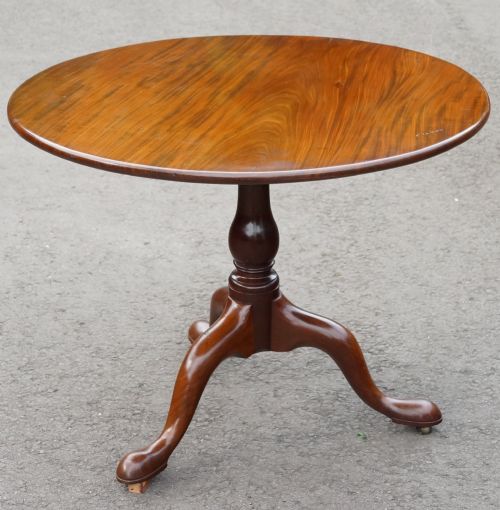
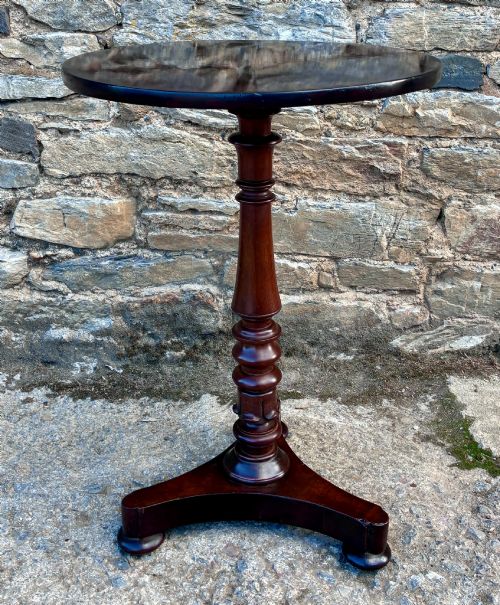
Makers and workshops constructed these pieces in forms ranging from plain mahogany wine tables to elaborately carved oak and burr walnut lamp tables. Buyers will frequently encounter side tables and standard lamps styled in the Victorian manner alongside revival interpretations.
The physical origins span standard English cabinet-making traditions to more exotic regional carving styles, including Burmese and Anglo-Indian variants. These pieces served diverse domestic functions, from holding oil lamps and candles to displaying decorative ornaments in the home.
Materials and Construction
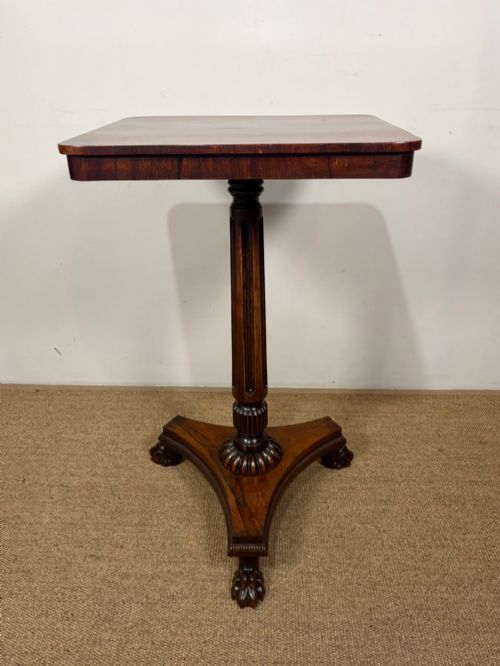
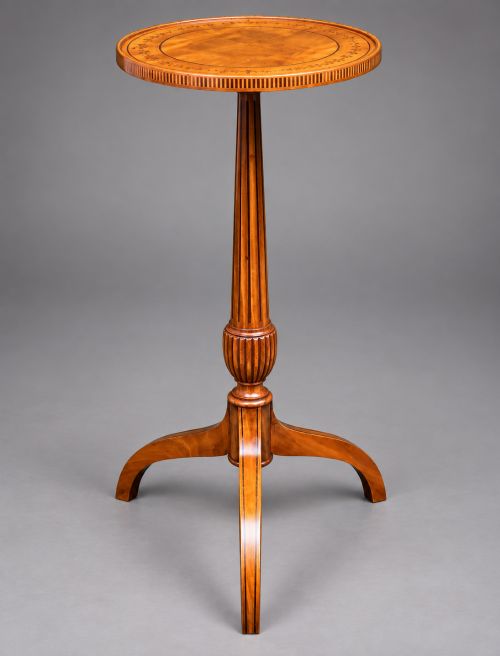
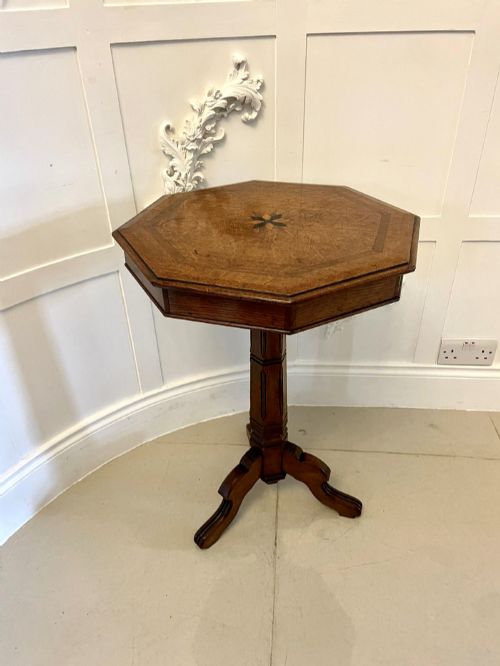
Craftsmen utilised dense hardwoods such as mahogany, walnut, rosewood, and oak for the structural frames and circular tops of these stands. Finer examples incorporate burr walnut veneers, satinwood, and delicate wood inlay to create decorative patterned surfaces.
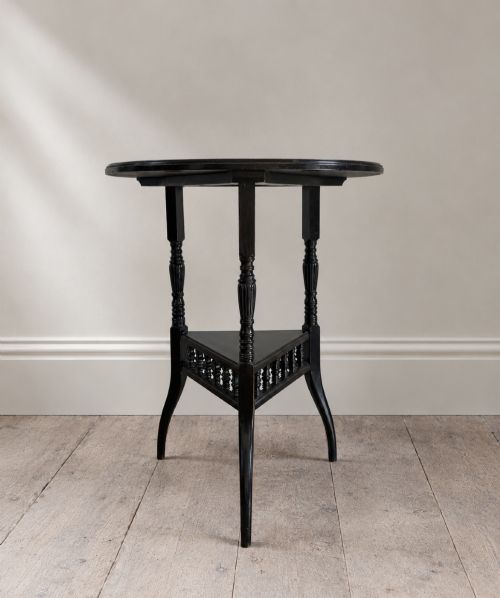
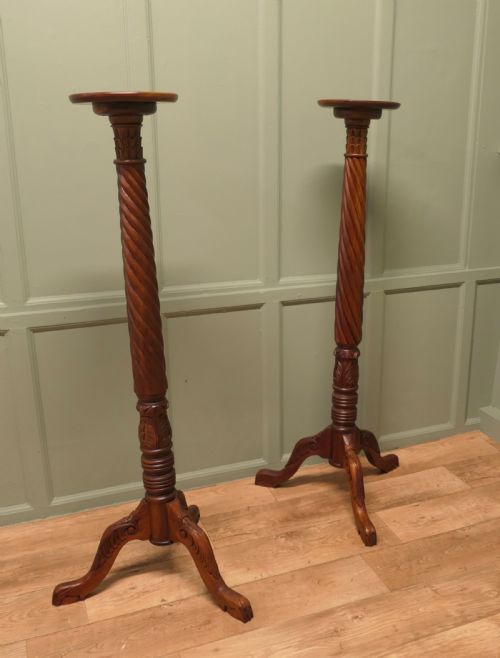
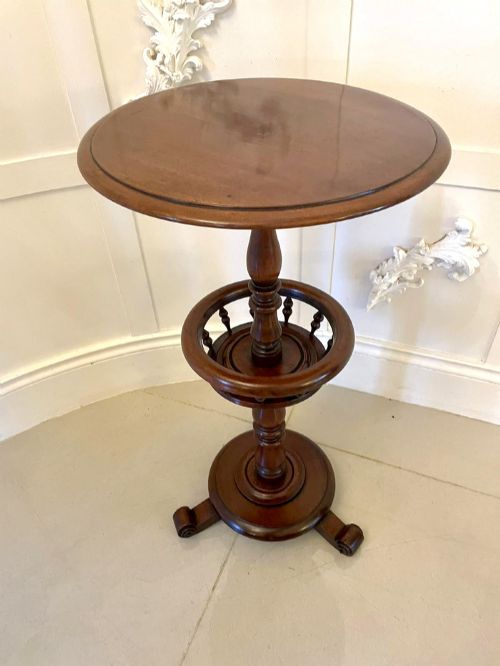
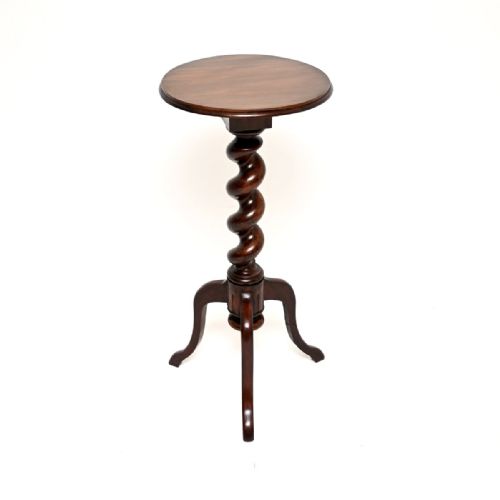
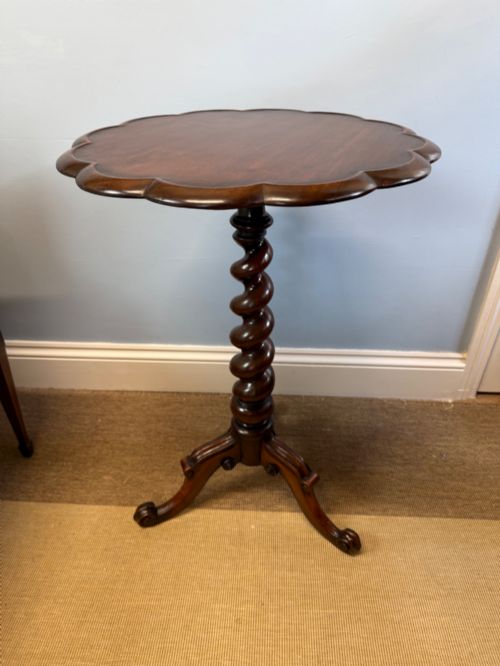
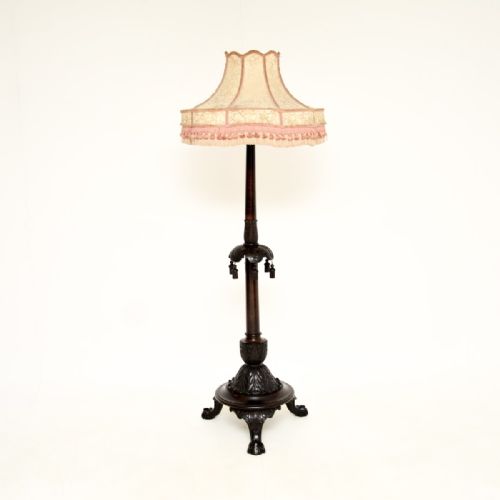
Support columns frequently display turned components such as barley twist shafts or bobbin galleries, secured to a central pillar above three splayed legs. Brass fittings, adjustable mechanisms, and occasional copper or fabric elements appear on standard floor lamps and oil-burning light fixtures.
Victorian Tripod Lamp Stand Retail Price Guide 2026
Typical asking prices for victorian tripod lamp stand among the pieces listed under this phrase on Sellingantiques today, from the lower quarter to the upper quarter. They describe what is for sale here now, not the wider market.
Listings feature woods including mahogany, walnut, rosewood, oak, satinwood, and burr walnut alongside brass and fabric elements.
Judging Quality
The distinction between ordinary and superior pieces rests on the choice of timber and the crispness of any carved decoration. Solid burr walnut tops, finely turned barley twist pedestals, and intricate floral carving indicate superior workshop execution.
Structural stability on a three-legged base depends on the precision of the central joint and the integrity of the timber legs. Original brass adjustments and well-preserved inlaid wood surfaces elevate the standing of an individual lamp stand.
Gillows
The Victorian Tripod Lamp Stand Glossary
- Tripod base
- A supporting structure featuring three legs radiating from a central pillar. This design ensures stability on uneven floor surfaces.
- Torchere stand
- A tall, slender decorative stand originally designed to hold a candle or torch. These pieces now frequently function as lamp pedestals.
- Barley twist
- A spiral turning technique resembling a twisted rope, used extensively on the central columns of tables and floor lamps. It adds a sculptural quality to the vertical shaft.
- Tilt-top
- A hinged table top that folds flat when not in use for convenient storage against a wall. This mechanism allowed smaller rooms to remain uncluttered.
- Burr walnut
- A figured wood veneer taken from the growth excrescences of walnut trees. It yields a rich, swirling grain pattern prized by cabinet-makers.
Victorian Tripod Lamp Stand: Frequently Asked Questions
What is a victorian tripod lamp stand?
It is a nineteenth-century small table or floor lamp featuring a central pedestal supported by three legs. These pieces were built to hold oil lamps, candles, or decorative items.
They appear in materials like mahogany, walnut, and brass, reflecting various revival styles of the period.
How were these stands used originally?
Households placed them beside seating areas to support lighting or beverages during evening hours. Torchere stands held candles to illuminate dark corners of a room.
Adjustable standard lamps held oil reservoirs to provide movable illumination before the widespread adoption of electricity.
What woods should I look for?
Mahogany and walnut form the majority of nineteenth-century frames, offering durability and a deep natural colour. Rosewood and satinwood appear on more decorative or inlaid occasional pieces.
Burr walnut veneers and oak carvings indicate higher levels of craftsmanship in specific regional or workshop pieces.