

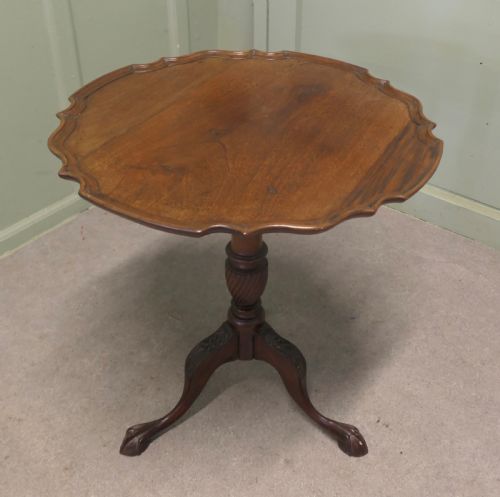
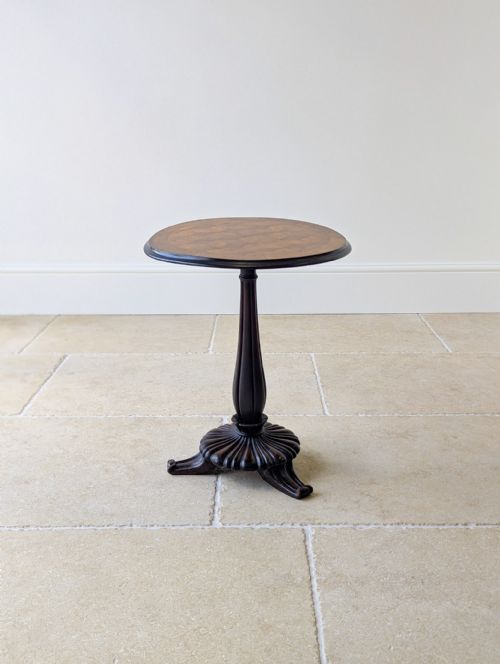
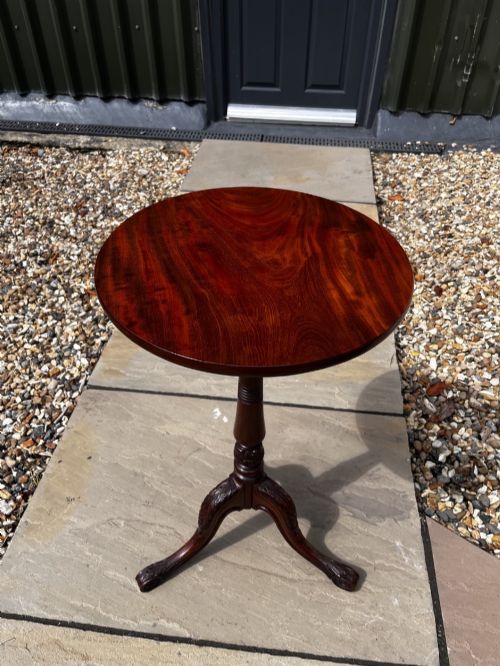
Victorian Tripod Candle Stand
A victorian tripod candle stand brings compact nineteenth-century elegance to a corner, holding light or small objects upon three slender legs.
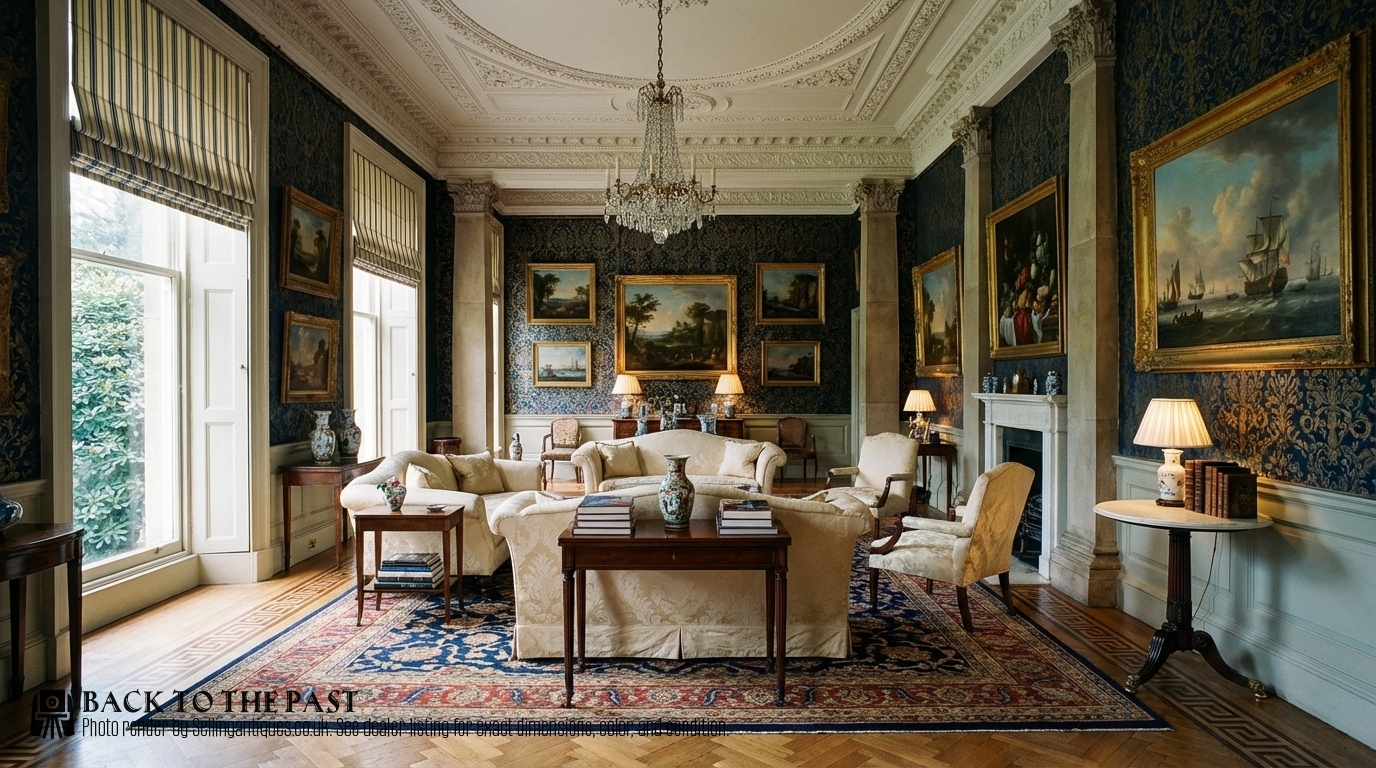
Victorian Tripod Candle Stand
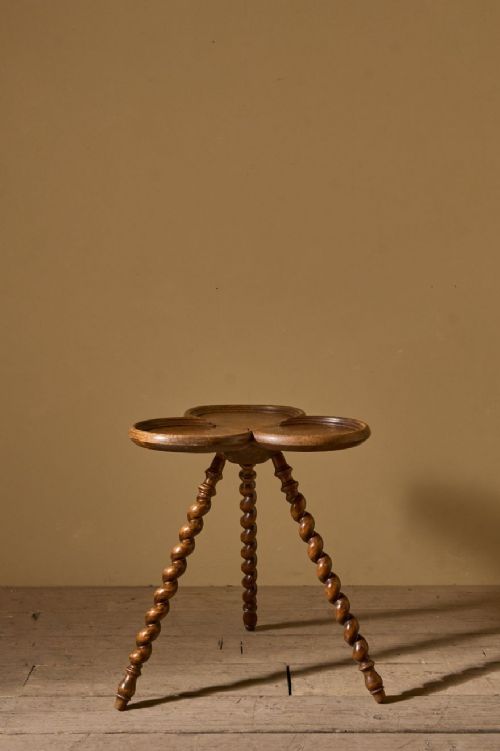
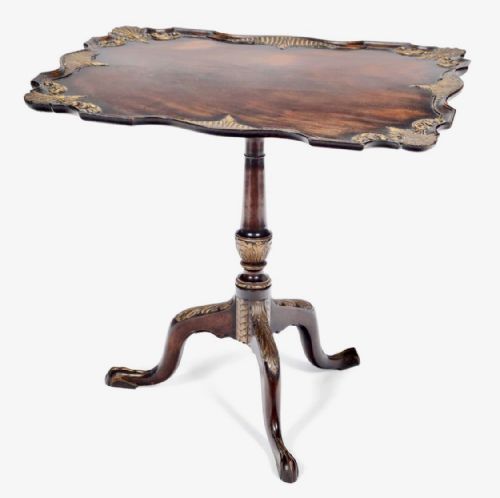
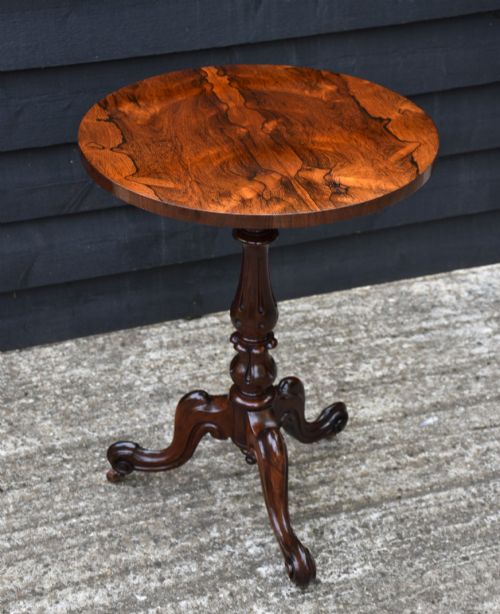
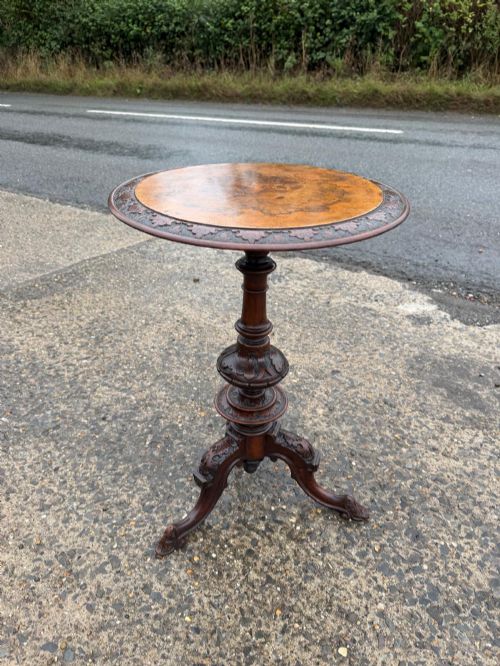
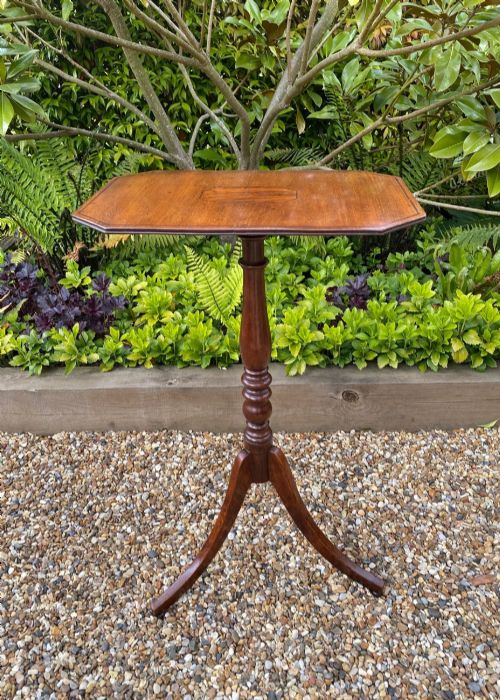
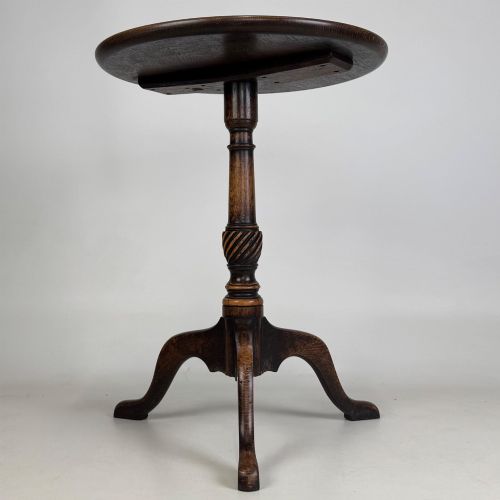
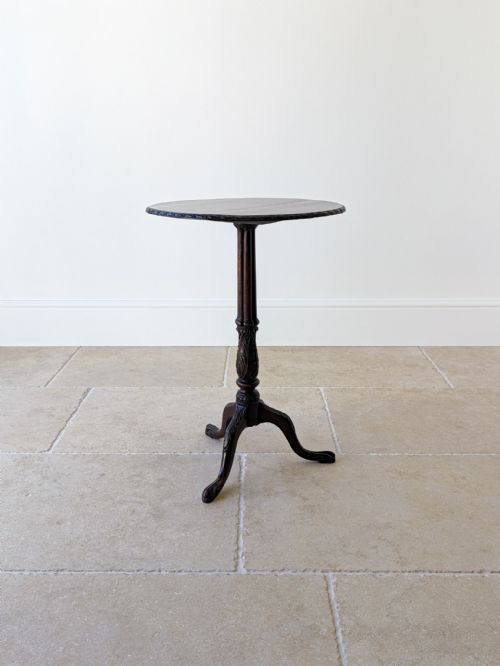
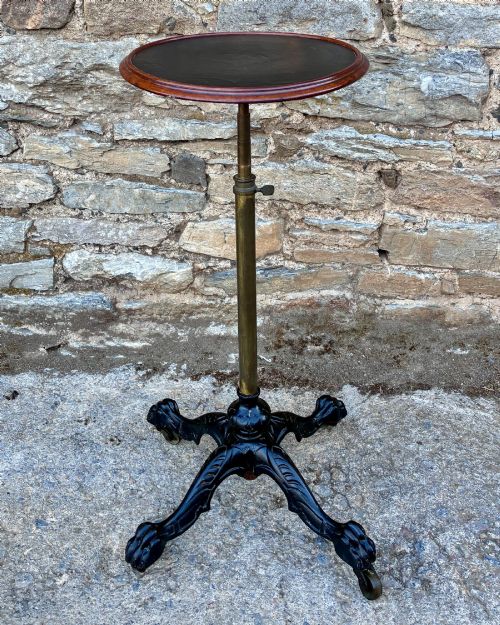
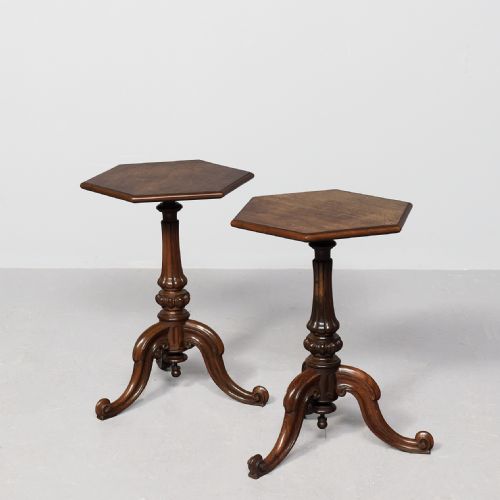
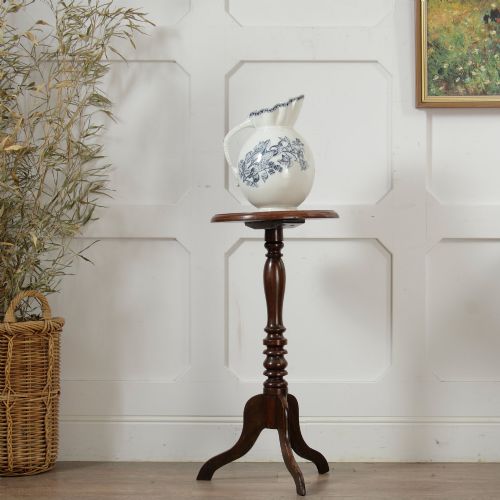
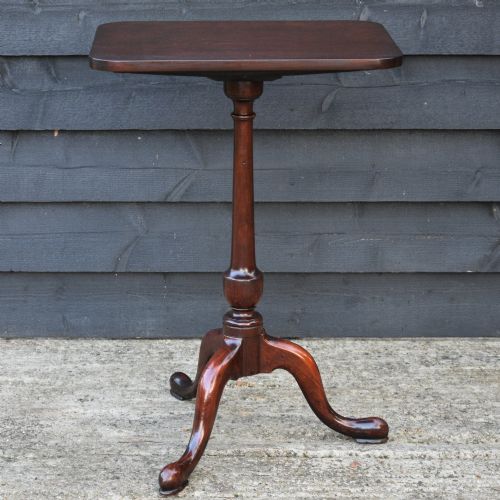
A victorian tripod candle stand typically manifests as a small circular or dish-topped table raised on a central pillar supported by three splayed legs. The listings show forms spanning wine tables, lamp tables, and torcheres created across the nineteenth century.
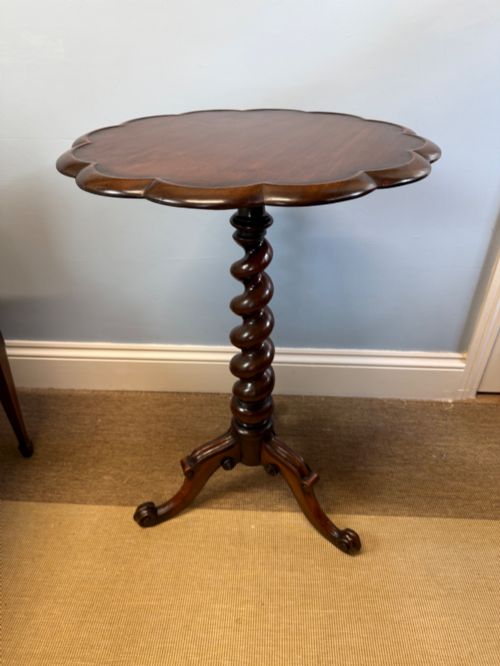
Mahogany and walnut dominate the surviving examples, often accompanied by rosewood, oak, and fruitwood. Buyers encounter variations including tilt-top mechanisms, clover-shaped tops, and bobbin galleries designed for practical domestic use.
While many date strictly to the Victorian era, the selection includes pieces influenced by Regency, William IV, and Chippendale revival styles. These compact surfaces served varied functions in period interiors, from holding illumination to displaying ornamental objects.
Materials and construction
Cabinetmakers utilised dense timbers such as mahogany, walnut, and rosewood, turning the central pedestals on lathes and shaping the tripod bases to ensure stability. Burr wood tops and fruitwood veneers appear on finer examples, adding natural pattern to small surfaces.
Joinery involved sturdy pegging and clever tilting mechanisms utilising brass catches, allowing tops to fold away when not in use. Carved details, barley twist stems, and inlaid wood patterns showcase the dexterity of nineteenth-century workshops.
Victorian Tripod Candle Stand Retail Price Guide 2026
Typical asking prices for victorian tripod candle stand among the pieces listed under this phrase on Sellingantiques today, from the lower quarter to the upper quarter. They describe what is for sale here now, not the wider market.
The listings show nineteenth-century pieces constructed from mahogany, walnut, rosewood, oak, burr walnut, and fruitwood.
Distinctions in standard
The degree of hand-carved detail and the selection of timber figure heavily separate standard production from superior pieces. Figured burr walnut veneers, parcel gilding, and finely turned bobbin galleries denote elevated workshop standards.
Structural integrity of the central pillar and the flush fit of the tripod legs dictate daily reliability. Higher-tier examples maintain original tilt-top mechanisms and unwarped circular tops without excessive modern intervention.
Gillows
The Victorian Tripod Candle Stand Glossary
- Tripod base
- A support structure consisting of three legs branching from a central column. This design provides steady balance on uneven period floorboards.
- Tilt-top
- A hinged table top that pivots vertically for storage against a wall. It allows the stand to occupy minimal space when unutilised.
- Torchere
- A tall, slender stand designed to elevate a light source or decorative object. These tall supports frequently feature barley twist stems or carved pedestals.
- Dish top
- A circular tabletop with a raised, concave rim carved from the solid wood. This feature prevents items from sliding off the small surface.
Victorian Tripod Candle Stand: Frequently Asked Questions
What was a victorian tripod candle stand used for?
These versatile stands held candles, lamps, or small personal items beside seating areas in nineteenth-century rooms. Their compact footprint allowed them to fit easily into corners or tight spaces.
They also functioned as mobile surfaces for tea service or displaying valued ornaments. When fitted with tilt-tops, they were tucked away against walls to clear floor space.
How do I distinguish a wine table from a candle stand?
Wine tables and candle stands share very similar tripod forms and dimensions, often serving interchangeable roles in period settings. Wine tables frequently feature circular or dish tops designed to hold glasses securely.
Candle stands can be taller and narrower, sometimes taking the form of a torchere to elevate a light source. The terminology often overlaps in nineteenth-century inventory records.
Are tilt-top mechanisms original on these tables?
Many nineteenth-century examples retain their working brass catches and pivoting wooden blocks beneath the tabletop. Examining the hinge area reveals wear patterns consistent with age and repeated use.
Replacements or later alterations appear occasionally, but original mechanisms remain common across mahogany and walnut specimens.
How do I fit a tripod stand into a modern room?
Their small proportions make these stands ideal for placing beside a sofa or armchair as a resting place for a drink or book. A corner or an empty hallway also provides a suitable spot for a torchere or lamp table.
The slender legs take up minimal floor area, allowing them to complement contemporary interiors without crowding the space.