

Victorian Trinket Chest
These compact repositories known as a victorian trinket chest preserve small valuables and keepsakes with period craftsmanship.
Victorian Trinket Chest
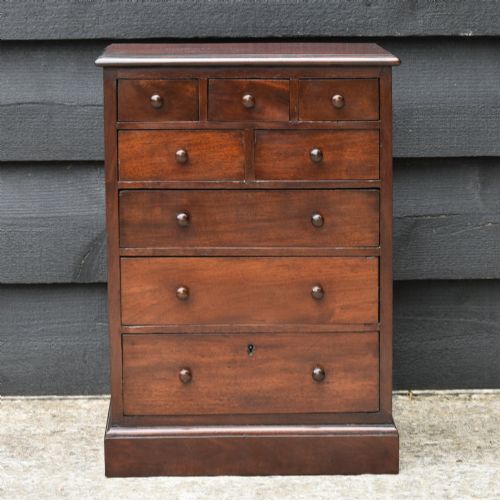
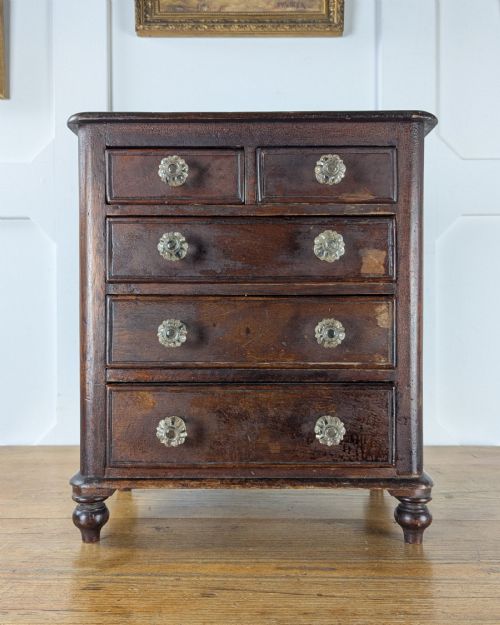
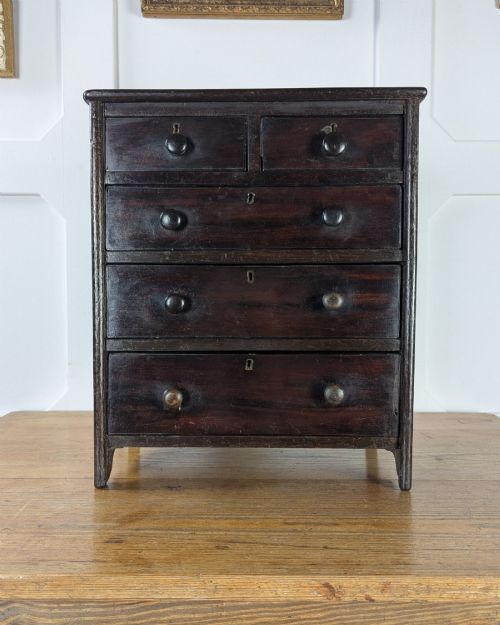
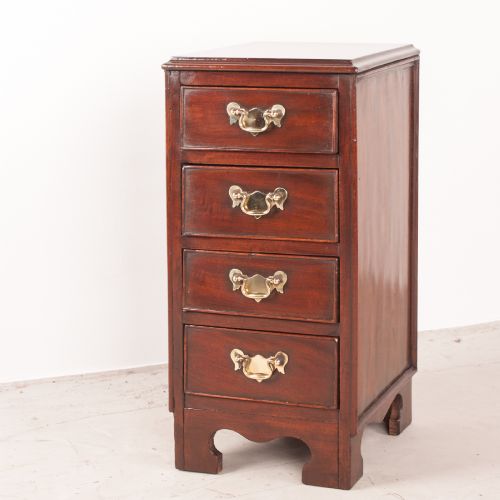
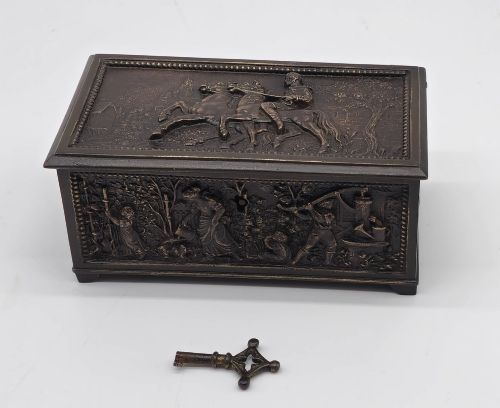
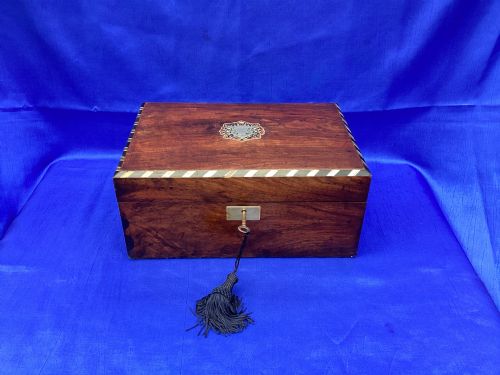
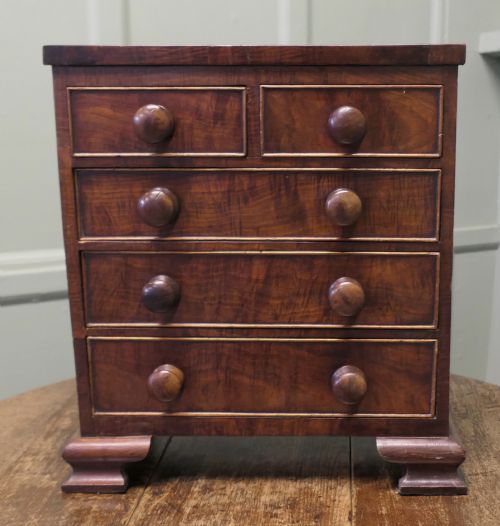
A victorian trinket chest encompasses miniature chests of drawers, jewellery boxes, caskets and tea caddies spanning the nineteenth century and adjacent decades. Buyers searching this phrase most frequently encounter mahogany and rosewood miniature drawer chests alongside fitted jewellery caskets.
Makers produced these smaller forms for dressing tables, desks and personal storage. The selection extends through Victorian, Edwardian and Georgian periods, incorporating styles such as French Chateau, Regency and Victorian Folk Art.
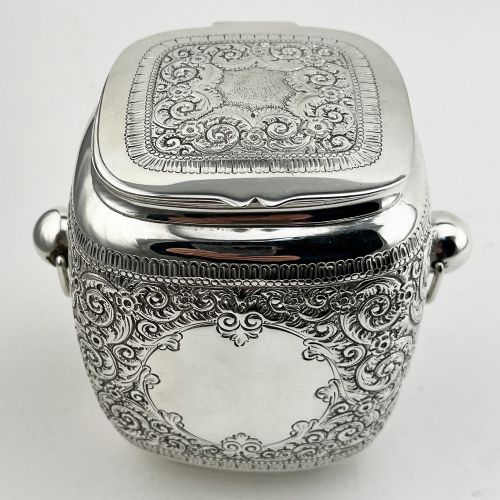
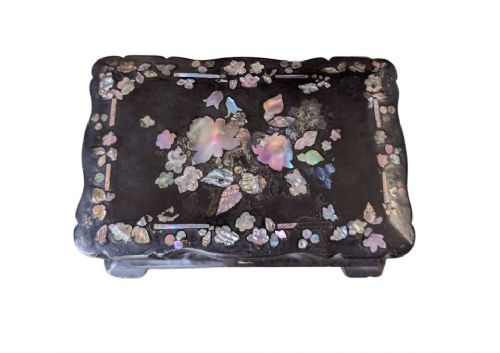
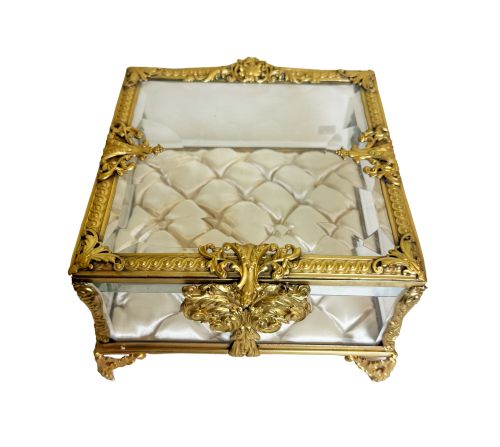
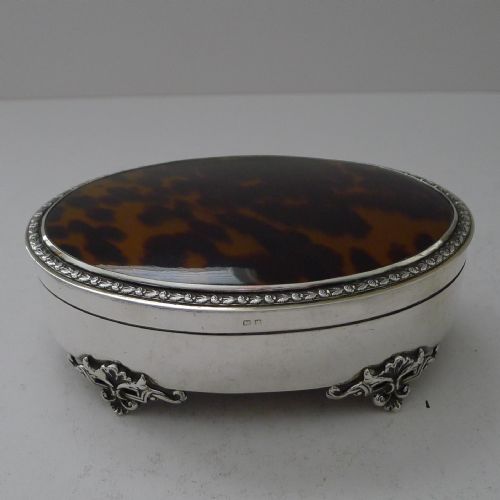
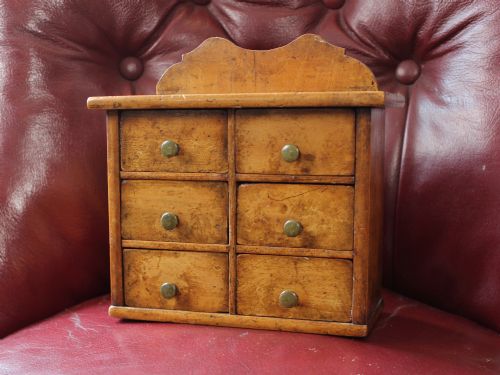
Evidence shows a heavy concentration of miniature chests of drawers styled as apprentice pieces. Alongside these stand glass, silver, tortoiseshell and mother-of-pearl boxes designed for keepsakes.
How They Were Made
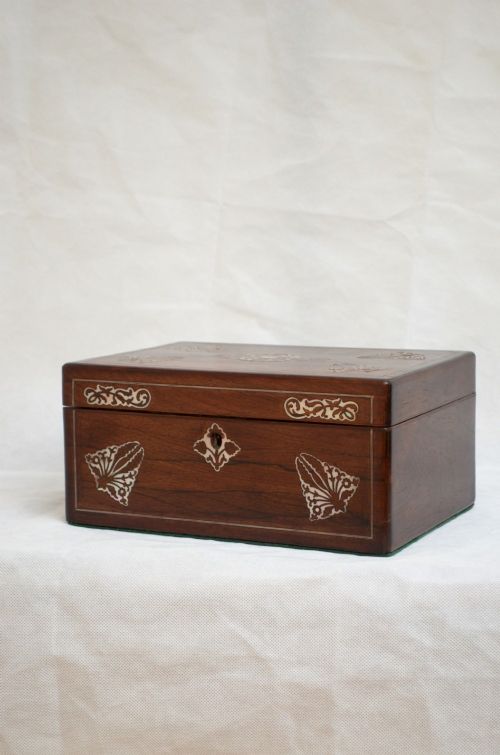
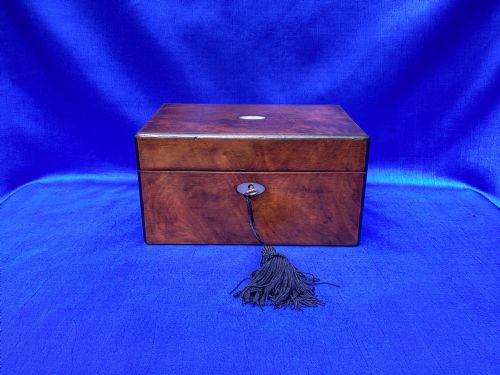
Wood forms dominate the record, utilising dense timbers like mahogany, rosewood, walnut, burr walnut, fruitwood and pine. Craftsmen shaped these into miniature bowfront chests and rectangular boxes using traditional joinery.
Decoration relied on varied surface treatments including mother-of-pearl inlay, brass mounts, engraved brass, gilt bronze frames, tooled leather and Tunbridge Ware. Interior fittings often involved silk linings, trays and compartments.
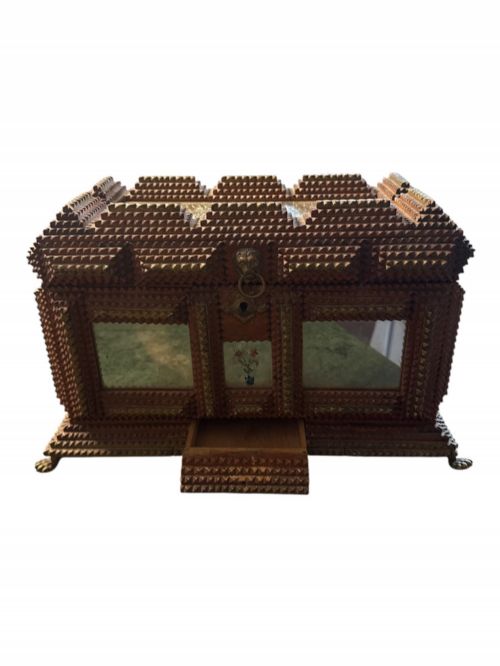
A sweet little sweetheart box made using tramp art techniques sits patiently waiting for odd buttons.
What Varies in Quality
Construction fidelity separates standard storage boxes from exceptional pieces. Superior examples utilise figured timbers such as burr walnut and amboyna paired with substantial brass mounts and intricate inlay.
Internal organisation dictates utility and value. Pieces possessing fitted trays, secret compartments, original silk linings and intact sterling silver hardware represent the upper tier of the range.
Martin Hall And Co
The Victorian Trinket Chest Glossary
- Apprentice piece
- A miniature furniture item created by a trainee craftsman to demonstrate mastery of joinery techniques. These pieces mirror full-scale chests of drawers in miniature proportion.
- Tunbridge Ware
- A form of decorative woodwork originating from Kent featuring intricate mosaic patterns made from tiny strips of naturally coloured woods. These designs frequently adorn nineteenth-century trinket boxes.
- Campaign chest
- A portable furniture form designed for military use, characterised by brass corners and inset drawer pulls. Miniature versions replicate this travel-friendly engineering.
- Tea caddy
- A container originally built for storing dry tea leaves before blending. Many survive as general trinket or jewellery storage boxes.
- Mother-of-pearl inlay
- An ornamental technique embedding lustrous shell fragments into wooden surfaces to create shimmering geometric or floral motifs.
Victorian Trinket Chest: Frequently Asked Questions
What is a victorian trinket chest?
A victorian trinket chest is a small-scale storage container made during the nineteenth century to hold jewellery, keepsakes, and personal items. These pieces range from miniature chests of drawers to fitted wooden caskets.
Craftsmen built them in various woods and decorative styles to sit upon dressing tables and desks.
How were apprentice chests used?
Apprentice chests served as practical demonstrations of skill created by woodworkers learning their trade. They replicate full-size furniture in miniature detail.
Over time, owners repurposed these small drawer units to store rings, pins, and small valuables.
What materials are common in these boxes?
Mahogany, rosewood, and walnut form the primary wooden structures of these pieces. Makers frequently embellished them with brass mounts, mother-of-pearl inlay, and tortoiseshell.
Interiors often feature fitted trays lined with fabric to protect delicate jewellery.
How do I identify a period piece?
Period identification relies on examining timber species, joinery methods, and hardware styles. Nineteenth-century examples display hand-cut dovetails and traditional finishes.
Associated materials like silver hallmarks or specific inlay techniques help narrow down the date of creation.