
Victorian Travel Trunk
Heed the weight of a victorian travel trunk, built for the journeys of another age and ready to anchor a modern room.
Victorian Travel Trunk
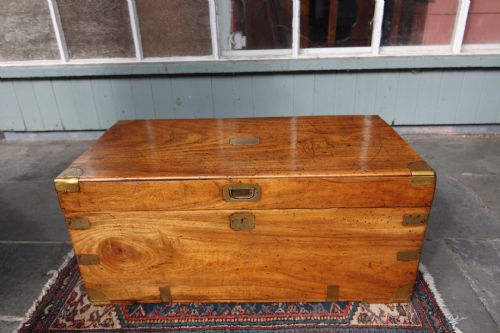
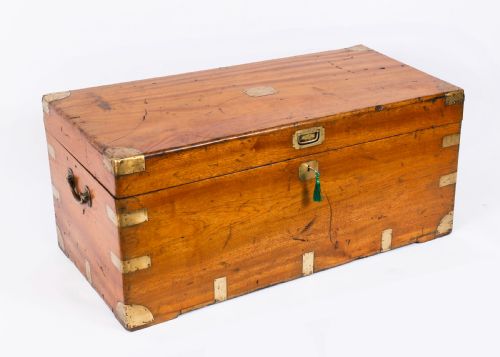
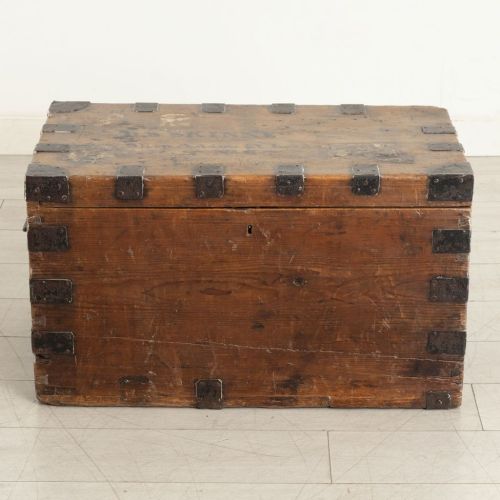
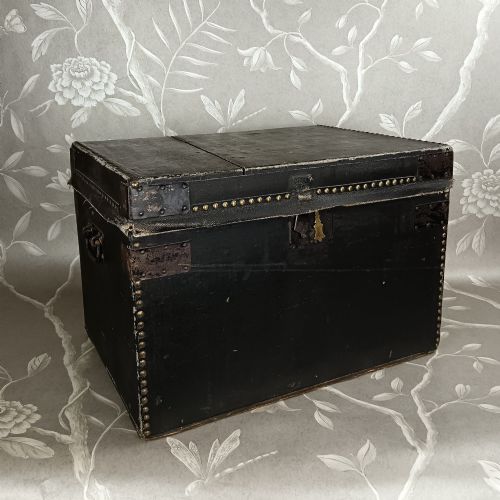
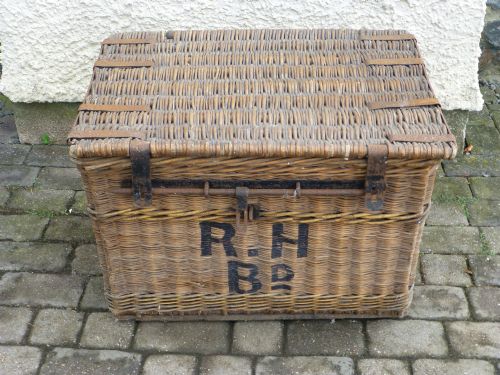
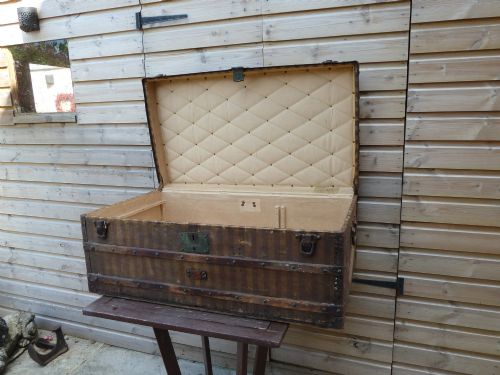
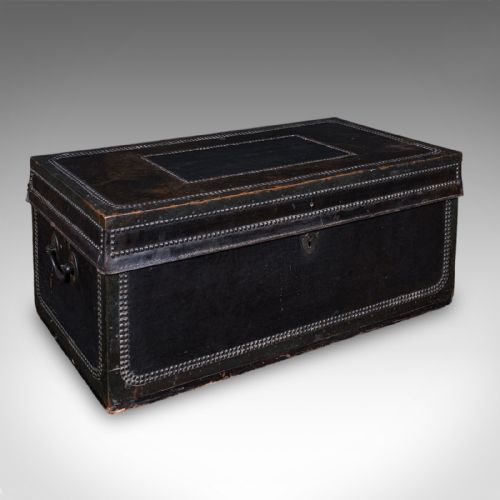
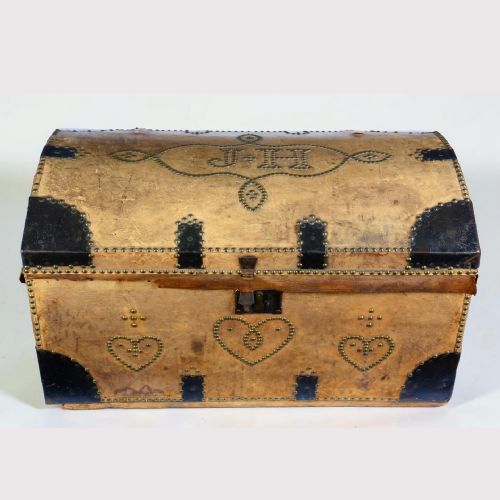
A victorian travel trunk encompasses durable luggage designed for officers, explorers and travellers during the nineteenth century. These pieces include sturdy pine and oak chests, camphorwood campaign boxes, and domed leather or canvas receptacles.
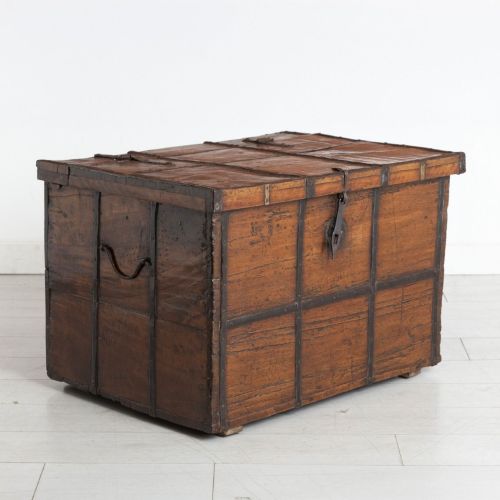
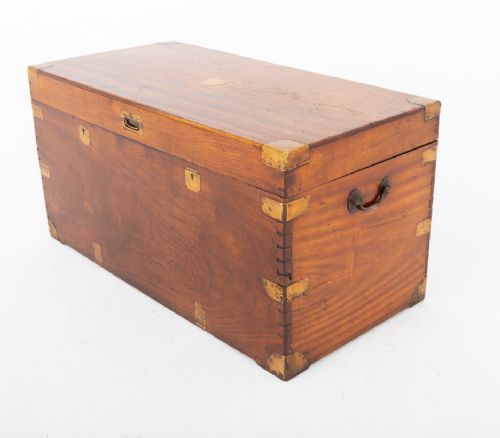
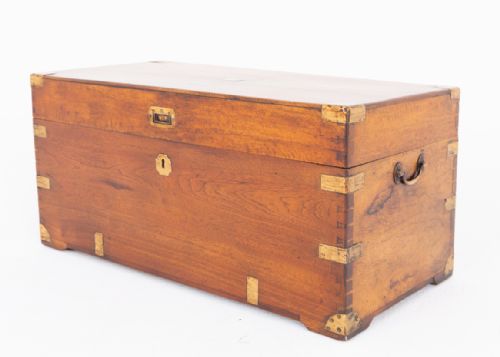
Buyers meet examples ranging from plain metal-bound pine utility chests to refined brass-cornered camphorwood pieces built for colonial service. Many retain interior compartments, linings, or original maker plaques from notable makers of the era.
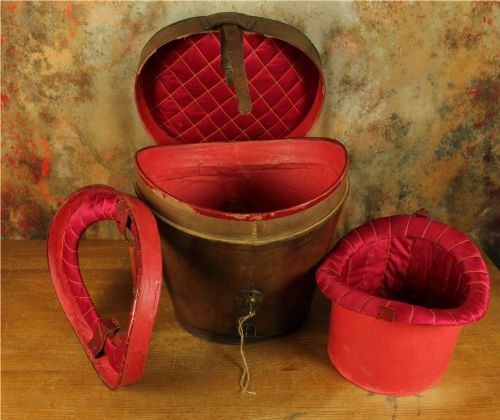
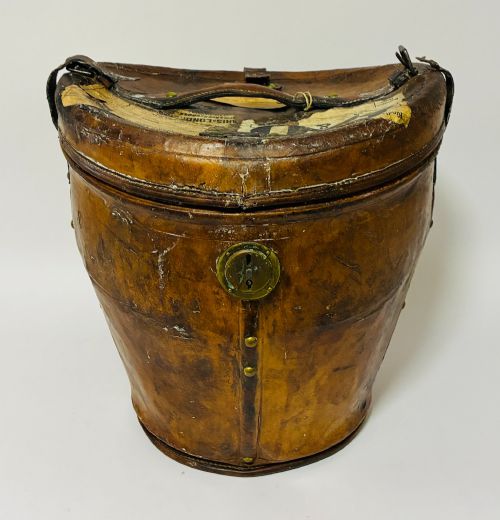
The selection extends to specialised containers such as leather hat boxes, steamer trunks, and silver chests framed in iron and steel. These objects transitioned from rugged transit duty to functional storage and coffee tables in contemporary interiors.
How They Were Made
Construction relies on solid timbers like pine, oak, teak, and fragrant camphorwood, chosen for durability and resistance to insects during transit. Wood panels are joined securely, often reinforced with exterior battens or framing.
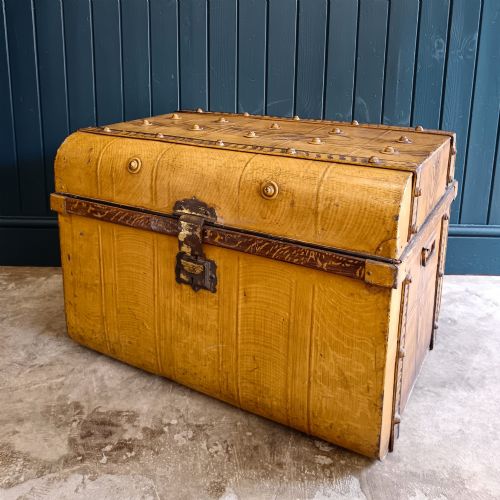
Metal components provide structural strength, utilising brass corners, iron bands, steel straps, and heavy studwork alongside functional locks and drop handles. Leather, canvas, and painted finishes protect the exterior surfaces from moisture and rough handling.
Listings feature camphorwood, pine, oak, teak, leather, and brass across nineteenth-century campaign and travel trunks.
What Varies in Quality
Quality rests in the grade of materials and the integrity of the original hardware, distinguishing utilitarian transport boxes from elite officer's luggage. Substantial brass work, dovetailed joints, and intact internal fittings elevate a piece above standard utility items.
The degree of original finish preservation, from hand-painted surfaces to unblemished leather and working locks with keys, marks the distinction between heavily weathered survivors and carefully maintained examples.
Wm. Insall of Bristol·LOUIS VUITTON·Lincoln Bennett·Arthur Wannop·Drew & Sons·Elkington
The Victorian Travel Trunk Glossary
- Campaign trunk
- A portable chest constructed in sections or fitted for military officers on active service. These typically feature recessed brass handles and protective corner brackets.
- Steamer trunk
- A low-profile luggage chest designed to fit beneath the cabin berths of ocean liners. They often feature domed or flat tops covered in canvas, leather, or painted metal.
- Camphorwood
- An aromatic hardwood native to Asia, prized for campaign furniture and trunks because its natural scent deters insects. It provides a stable, durable body for travel.
- Studwork
- Decorative or reinforcing metal pins driven into the exterior of leather or canvas trunks. This technique adds both structural grip and visual pattern along the seams.
- Hat box
- A specialised rigid container shaped to hold tall hats or bowlers securely during travel. These frequently feature internal leather strapping and fitted compartments.
Victorian Travel Trunk: Frequently Asked Questions
How were these trunks used?
Travellers packed these robust chests with clothing, books, and personal valuables for long journeys by coach, rail, and steamship. Officers carried them on military campaigns to house uniforms and equipment.
Today, they serve as decorative storage solutions, blanket boxes, and coffee tables in domestic spaces.
What woods were commonly used?
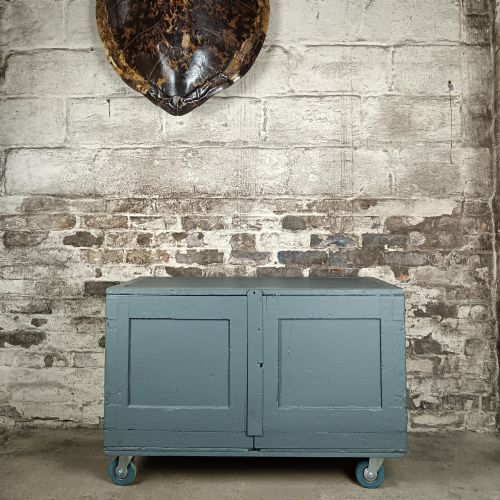
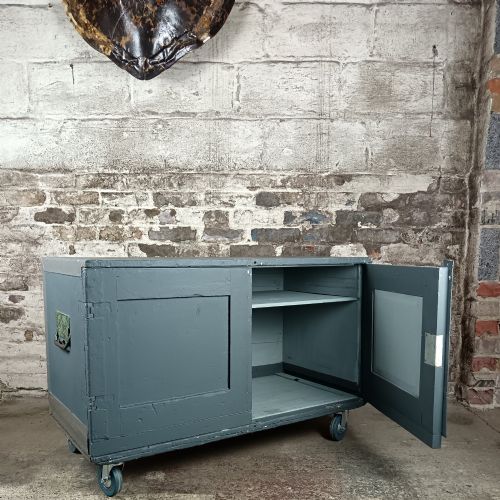
Pine appears frequently in utilitarian and domestic travelling trunks, often painted or bound with iron. Hardwoods such as oak, teak, and camphorwood are standard in military and colonial pieces.
Camphorwood was specifically selected for its insect-repellent properties in tropical climates.
Are original keys usually included?
Many surviving trunks retain their original working locks, though matching keys are less common due to loss over the decades. Specialised brass locks often bear the maker's stamp or patent details.
Replacements can sometimes be sourced, but original mechanisms add historical value.
How do I identify a campaign trunk?
Campaign pieces are distinguished by recessed brass drop handles, protective flush corners, and durable hardwoods designed for easy transport and field use. Many split into modular sections or feature fitted interiors.
Exterior iron or brass strapping further guards against the rigours of transit.