


Victorian Toilet Box
A victorian toilet box holds the bottles, brushes and trinkets of the nineteenth-century dressing table, offering neat compartments for daily grooming.
Victorian Toilet Box
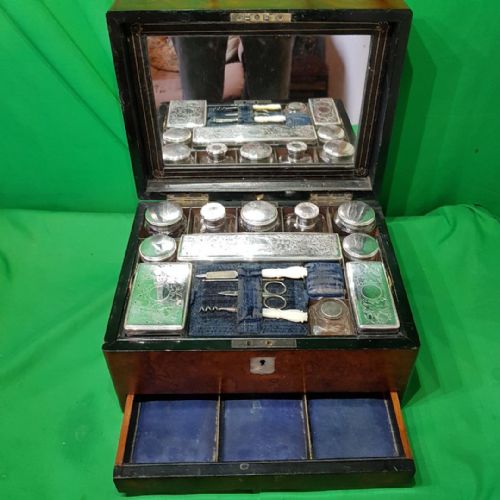
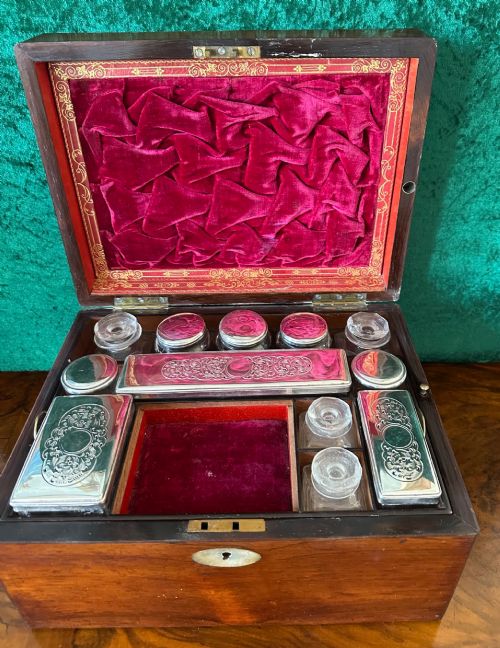
A victorian toilet box encompasses a diverse group of portable containers designed for personal grooming, cosmetics and jewellery storage. The pieces include fitted vanity cases, travelling sets and companion boxes produced during the nineteenth century.
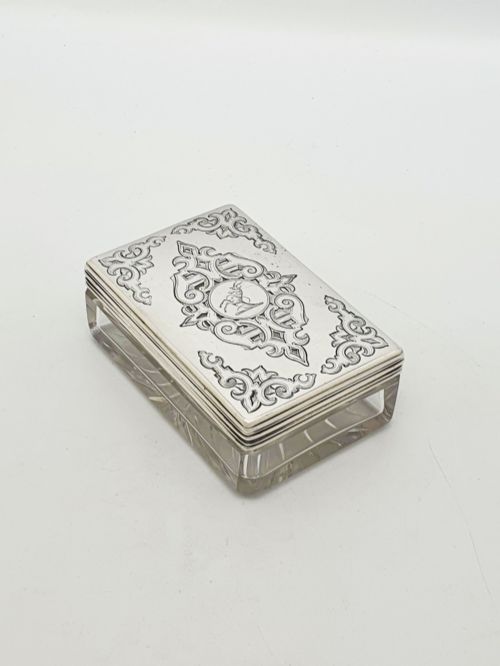
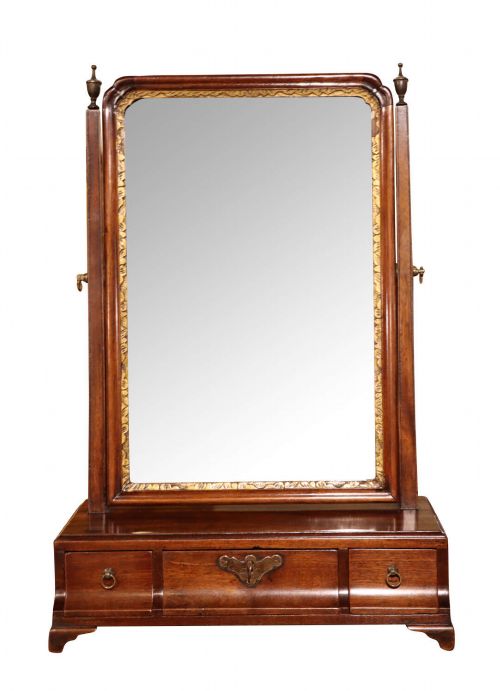
The selection ranges from large coromandel and burr walnut dressing cases lined with velvet to smaller sterling silver and cut glass trinket boxes. Swing dressing mirrors also appear alongside these boxes, reflecting the broader category of bedroom toilet furnishings.
Origins span English workshops alongside French examples, with dates stretching from the Regency era through to the late Victorian period and Edwardian years.
How They Were Made
Cabinetmakers constructed the main carcases from dense timbers such as mahogany, walnut and exotic coromandel, often embellished with brass mounts and marquetry inlay. Interiors utilised velvet linings and fitted wooden compartments to secure delicate glass bottles and instruments.
Metal components involved sterling silver, silver gilt and silver plate, frequently paired with cut glass and Clichy glass for jars and containers. Celluloid and ironstone also appear in specific fitted accessories and soap dishes.
Victorian Toilet Box Retail Price Guide 2026
Typical asking prices for victorian toilet box among the pieces listed under this phrase on Sellingantiques today, from the lower quarter to the upper quarter. They describe what is for sale here now, not the wider market.
Secret drawers within these boxes often required pressing hidden wooden springs to release compartments for private letters.
What Varies in Quality
The standard of a victorian toilet box depends upon the selection of timber veneers and the precision of the internal fittings. Finely figured burr walnut and heavily grained coromandel indicate superior cabinet work.
Makers who incorporated fully integrated sterling silver lids on glass jars and complex secret drawers elevated the utility and status of the piece. The completeness and original condition of the internal velvet and glass components dictate the overall standard.
H Mitchell·Asprey·Parkins & Gotto·Parkins and Gotto
The Victorian Toilet Box Glossary
- Coromandel
- A dense, heavily figured dark timber imported from Asia, prized for nineteenth-century luxury furniture and boxes. It displays striking grain patterns in shades of brown and black.
- Burr walnut
- Wood taken from the abnormal growth of a walnut tree, yielding intricate swirling patterns. It was frequently utilised on the exterior surfaces of high-end dressing cases.
- Swing mirror
- A tabletop glass mounted on side pivots between two upright supports, allowing the angle to be adjusted. These often incorporate small drawers in the base plinth.
- Sterling silver
- A silver alloy containing ninety-two point five percent pure silver by mass, standard for nineteenth-century box mounts and bottle lids. Hallmarks stamped into the metal indicate the assay office and year of testing.
- Clichy glass
- Nineteenth-century French glass associated with decorative jars and vanity accessories. It often exhibits distinct colour work or opacities.
Victorian Toilet Box: Frequently Asked Questions
What is inside a victorian toilet box?
These boxes typically contain fitted interiors with cut glass bottles, silver-lidded jars and velvet-lined compartments for jewellery and cosmetics. Some include folding trays and secret drawers.
Larger travel variants house complete grooming sets including brushes and instruments, while smaller examples focus strictly on trinkets and rings.
How do I date a dressing box?
Dating relies on timber choices, style markers and silver hallmarks where present. Mahogany and rosewood dominate earlier pieces, while coromandel and burr walnut gain prominence later.
Silver mounts often bear date letters corresponding to specific assay office years, which provide a precise point of manufacture.
Were these boxes meant for travel?
Many examples served as travelling cases for wealthy Victorians moving between town and country houses. They featured sturdy locks and substantial carrying handles.
Other variants remained static on dressing tables, functioning as permanent stations for daily cosmetics and jewellery.
What is the difference between a toilet box and a dressing mirror?
A toilet box is a lidded container designed to hold personal grooming items and valuables inside partitioned compartments. A dressing mirror is a tabletop glass mounted on a frame with or without small drawers beneath.
Both items shared the nineteenth-century dressing table surface to assist with personal preparation.