

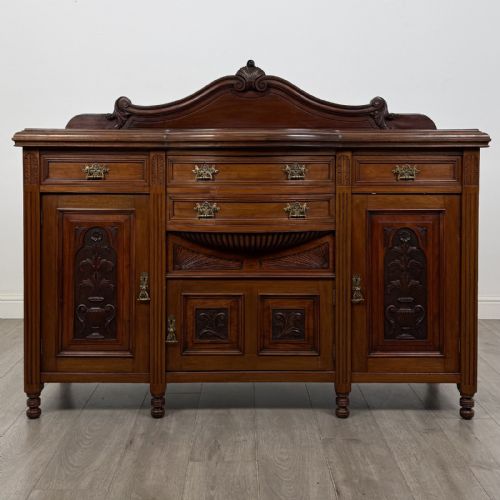
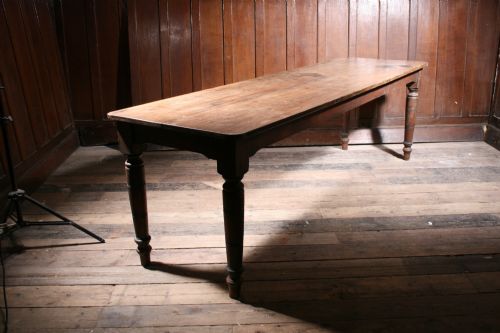
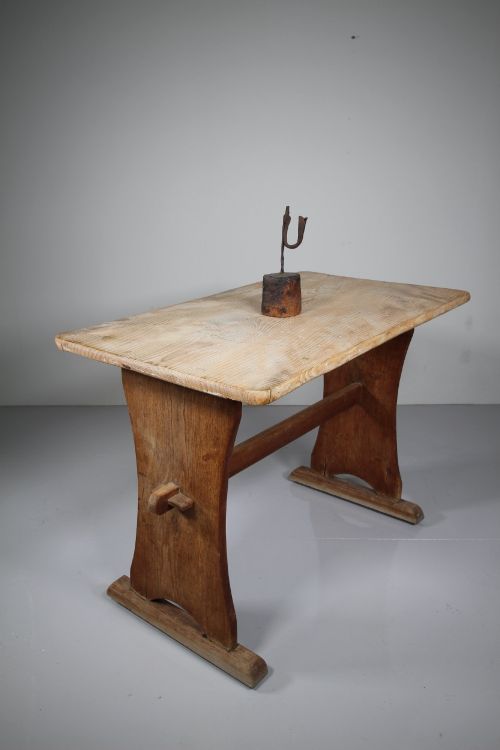
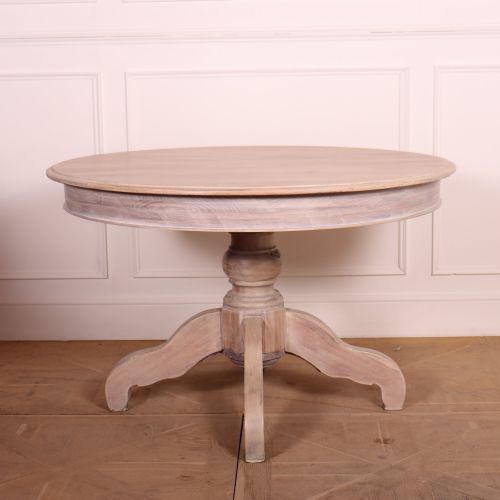

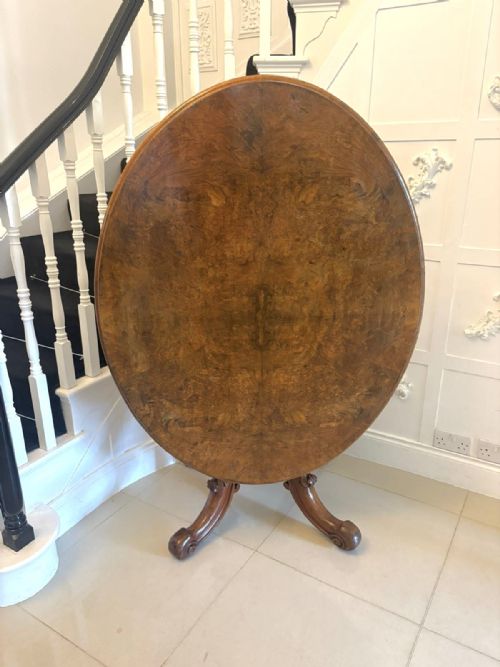
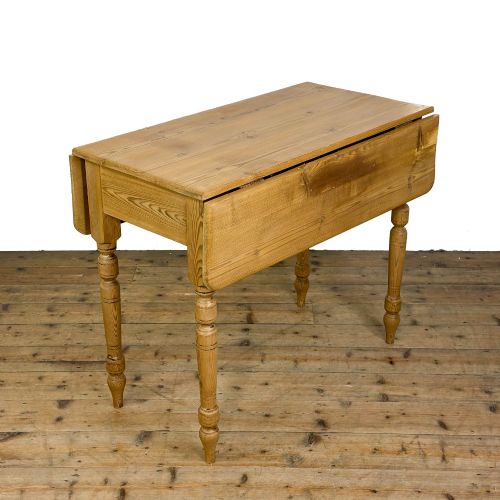
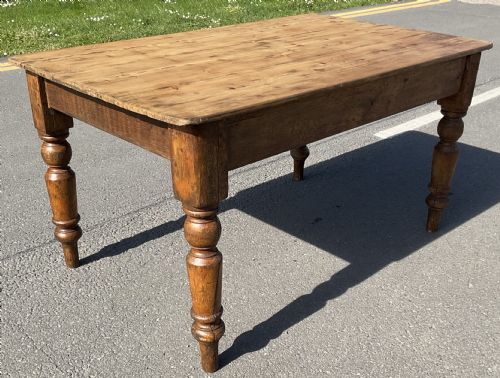


Victorian Timber Dining Table
A victorian timber dining table anchors a room with solid nineteenth century character, built from sturdy woods to serve families for generations.
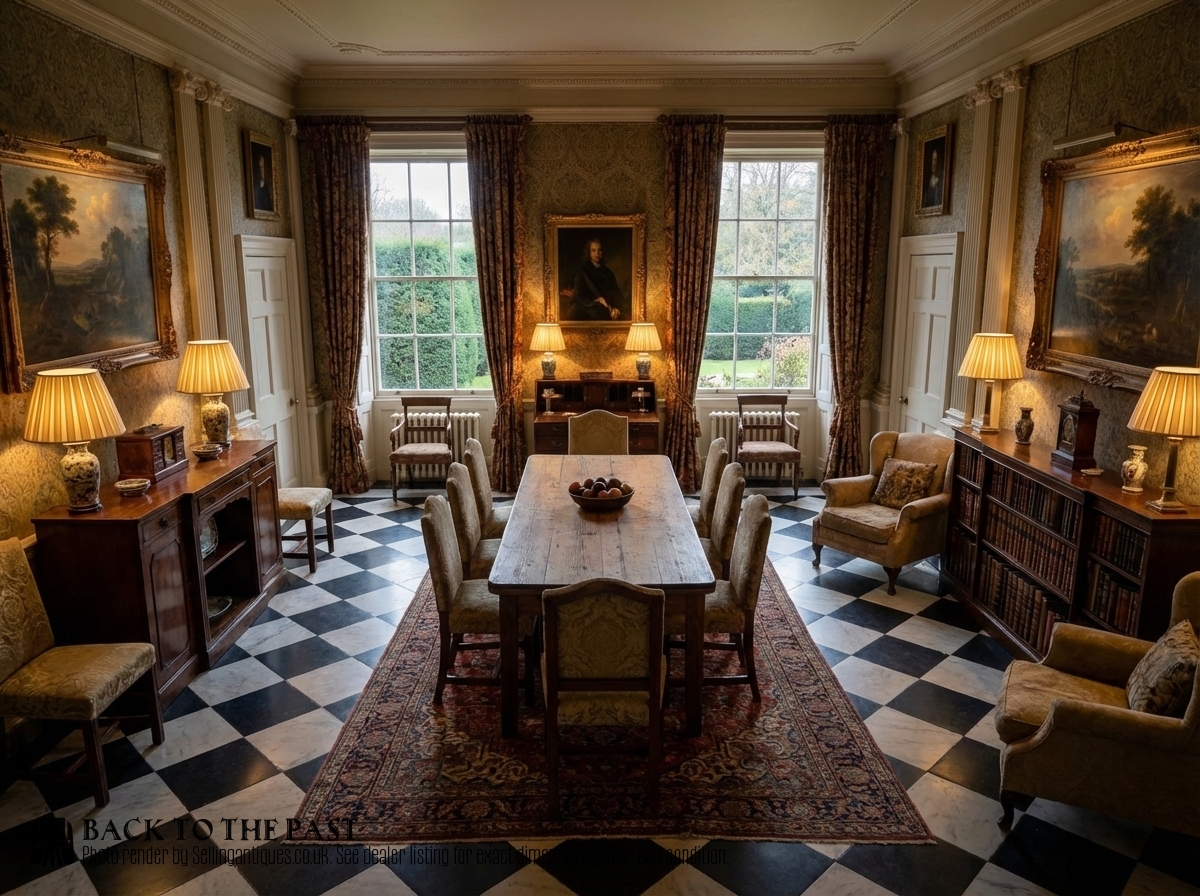
Victorian Timber Dining Table
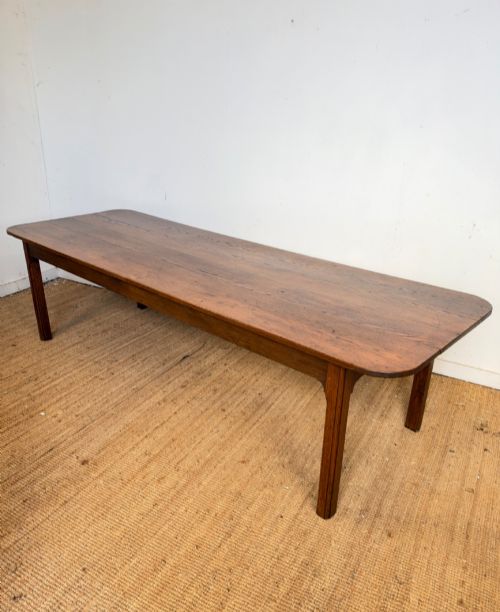
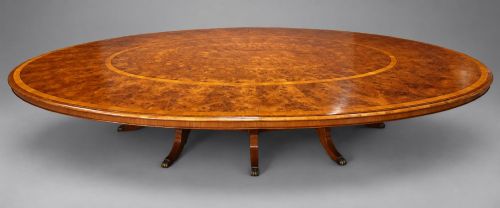
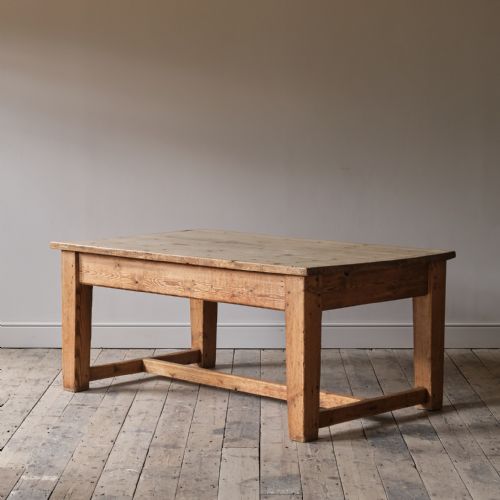
When you search for a victorian timber dining table, you encounter a robust selection of nineteenth century furniture designed for gathering and dining. The examples range from grand mahogany extending versions suited for formal rooms to sturdy scrubbed pine kitchen tables meant for daily domestic life.
Kitchen and farmhouse tables dominate the selection, frequently constructed from pine, elm, ash, or sycamore and often featuring a practical storage drawer. More formal dining spaces are represented by mahogany and walnut designs, including extending models with leaf insertions and decorative touches like brass feet or carved burr walnut details.
What varies in quality
Quality in these tables depends upon the selection of timber and the ambition of the original design. Simple working pine tables rely on honest utility and thick scrubbed tops, whereas formal dining tables display finely figured mahogany, burr walnut veneers, and sophisticated extending mechanisms.
The degree of hand carving, the integration of matching timber leaves, and the retention of original brass or bronze hardware distinguish utilitarian kitchen furniture from high status boardroom and dining pieces.
Victorian Timber Dining Table Retail Price Guide 2026
Typical asking prices for victorian timber dining table among the pieces listed under this phrase on Sellingantiques today, from the lower quarter to the upper quarter. They describe what is for sale here now, not the wider market.
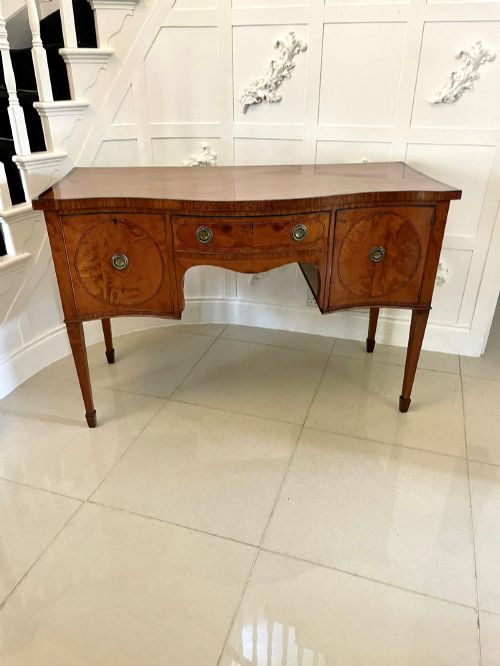
Object types span kitchen tables, extending dining tables, refectory forms, garden tables, and sideboards.
The Victorian Timber Dining Table Glossary
- Extending table
- A dining table fitted with a mechanism and removable leaves to increase its overall length. This allows the table to seat larger groups for formal meals.
- Scrubbed pine
- A wooden tabletop surface cleaned repeatedly with water and a stiff brush until smooth and pale. This treatment is typical of working farmhouse and kitchen tables.
- Drop leaf
- A table design featuring fixed centre sections with hinged flaps on either side that fold down when not in use. It provides a space saving solution for smaller rooms.
- Refectory table
- A long, narrow dining table traditionally built for communal dining halls. Nineteenth century examples often feature sturdy wooden supports and oak construction.
- Burr walnut
- A highly decorative wood veneer taken from the growth warts of walnut trees. It exhibits swirling grain patterns favoured on formal Victorian centre tables.
Victorian Timber Dining Table: Frequently Asked Questions
How do I clean a pine kitchen table?
Wash scrubbed pine surfaces with warm water and mild soap using a gentle brush along the grain. Dry the timber thoroughly to prevent water marking.
Avoid harsh chemical cleaners that strip the natural character from nineteenth century wood. Regular light oiling helps maintain the texture of working tables.
How do extending dining tables operate?
Extending tables typically utilise a central runner system that pulls apart to accept one or more separate wooden leaves. The leaves lock into place to create a stable, extended surface.
Ensure the runners are kept clean and lightly waxed so the mechanism slides smoothly without straining the antique joints.
Where were farmhouse tables used?
Farmhouse tables served as the hardworking centre of domestic life in nineteenth century kitchens and country houses. They accommodated food preparation, family meals, and daily household tasks.
Their practical design often included a single drawer for storing utensils and thick timber tops built to withstand heavy daily use.
How do I date a Victorian table?
Examine the timber species, construction methods, and hardware style to determine the period. Nineteenth century pieces often show hand cut joinery marks and specific regional wood choices like elm or sycamore.
Comparing the legs, such as square section supports versus turned wood, helps narrow down the decade within the Victorian era.