
Victorian Tiered Table
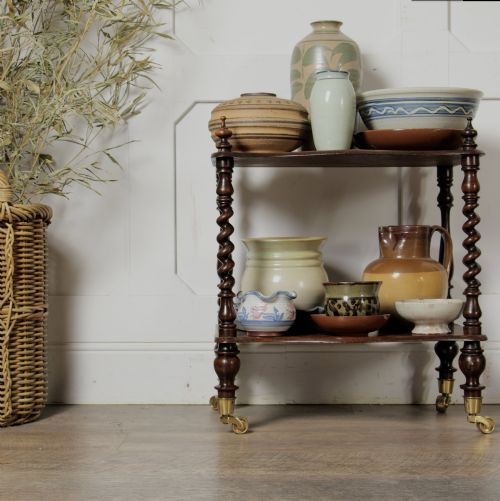
A victorian tiered table brings multiple display surfaces and rich timber character into a room.
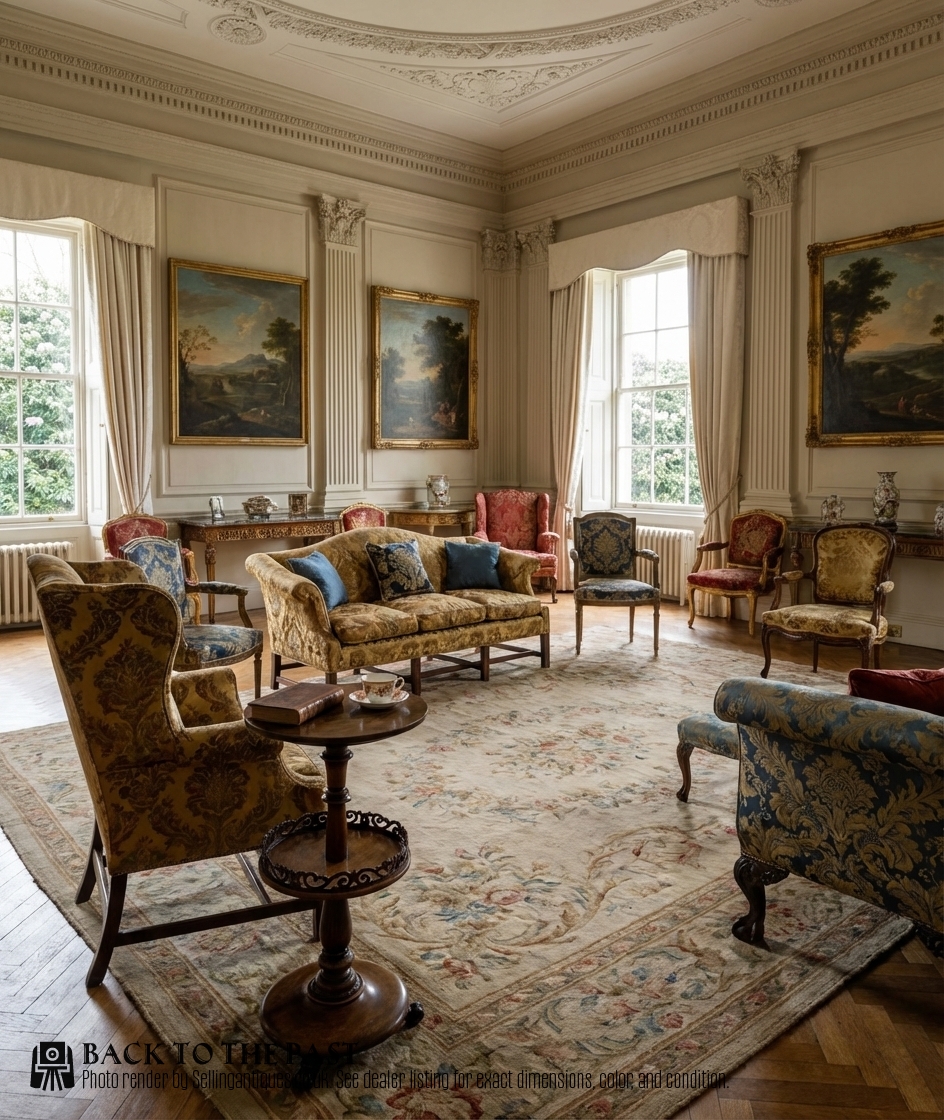
Victorian Tiered Table
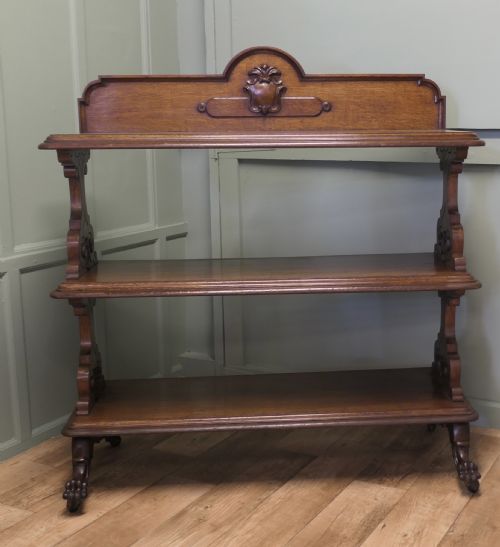
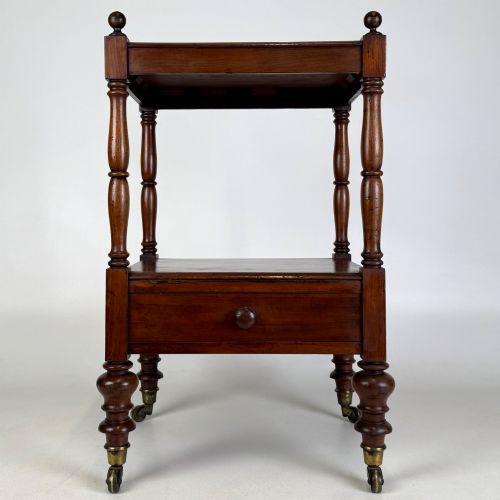
When you search for a victorian tiered table, you encounter multi-level furnishings designed to hold books, lamps and decorative objects across stacked platforms. These pieces appear primarily as whatnots, etagere trolleys, dumbwaiters and side tables spanning the nineteenth century.
The selection here draws heavily on standard Victorian and Edwardian periods, alongside specific expressions like the Arts and Crafts and Aesthetic movements. Makers utilised the vertical space to maximise surface area in smaller Victorian drawing rooms and parlours.
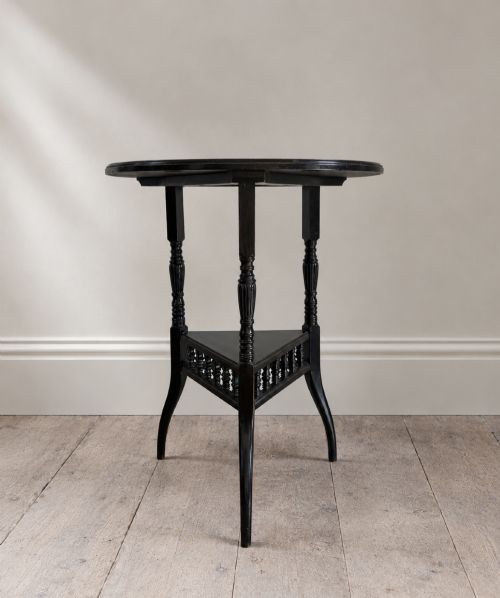
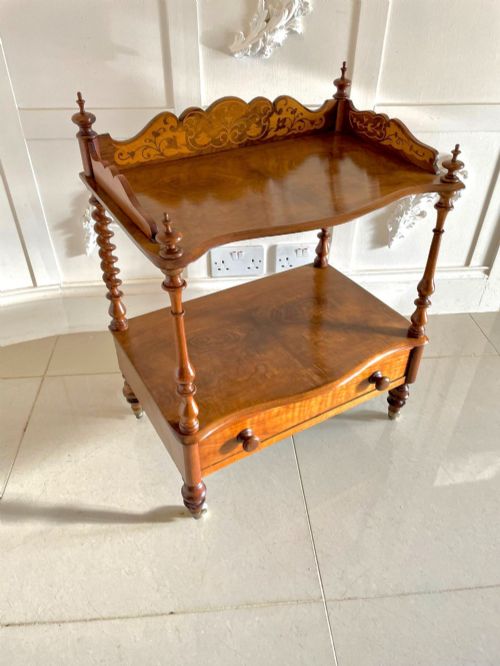
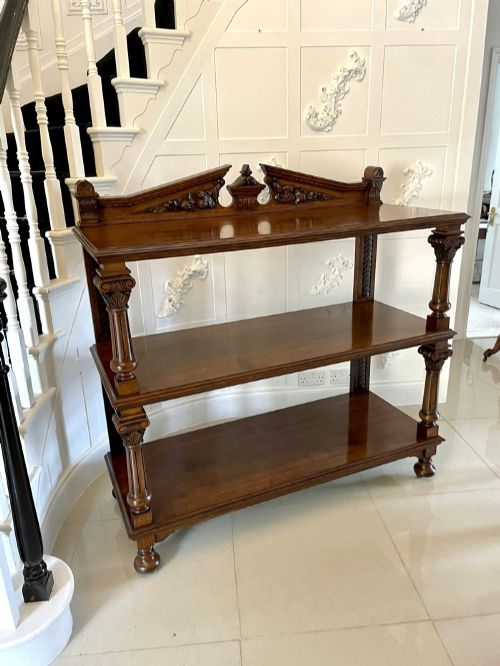
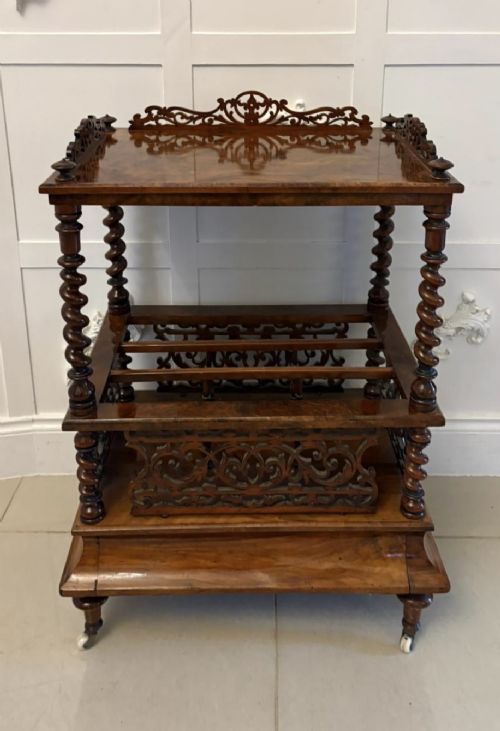
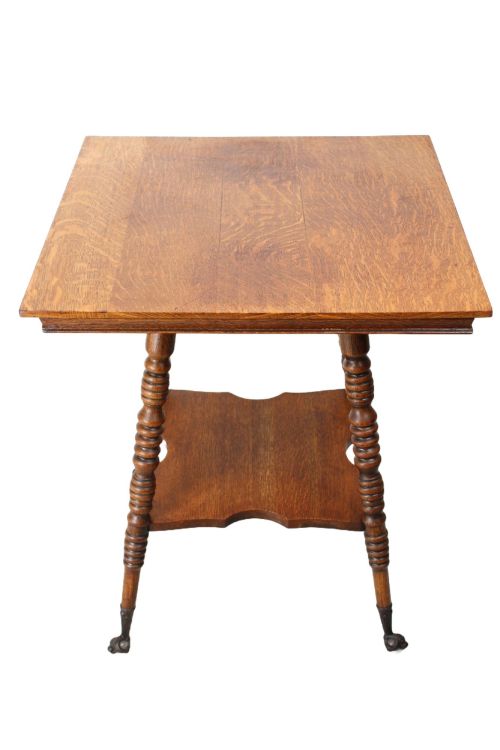
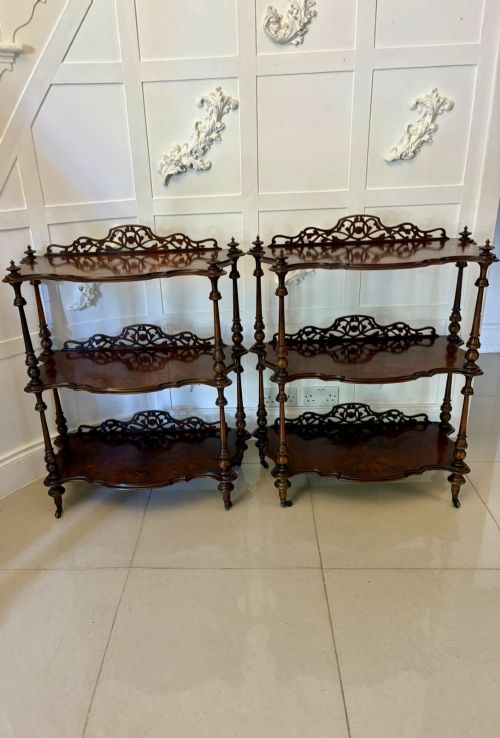
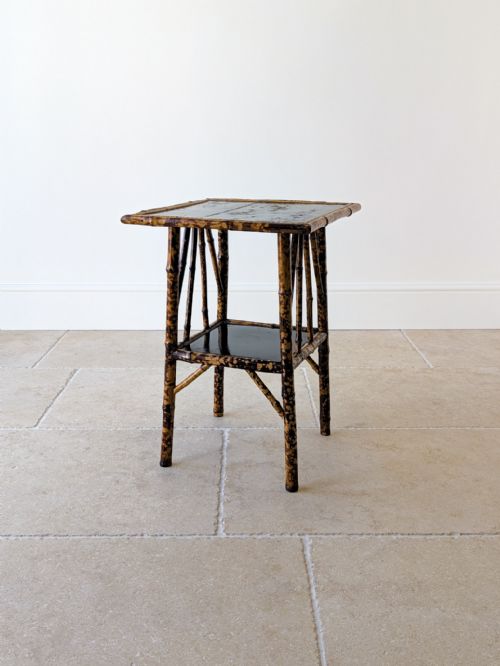
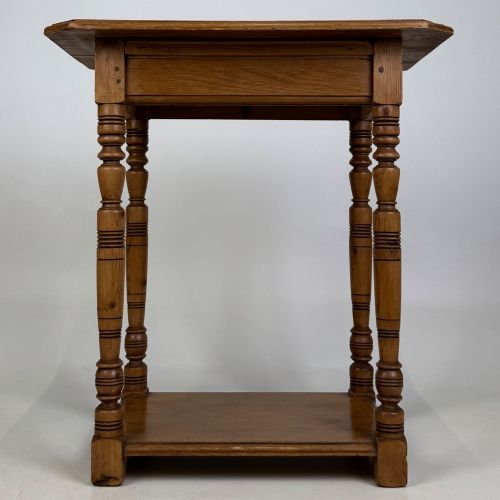
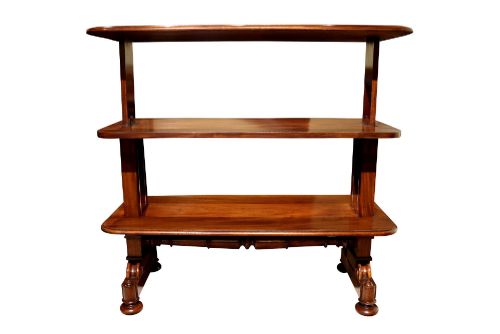
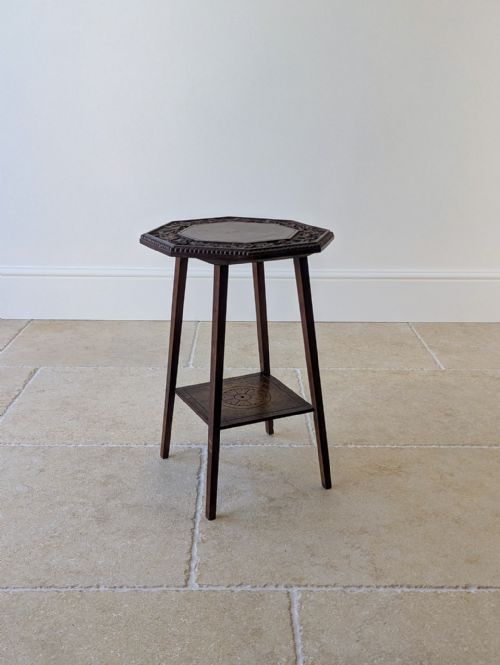
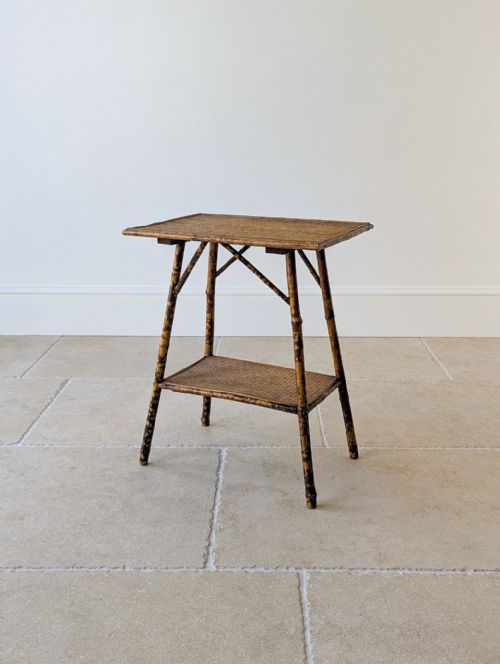
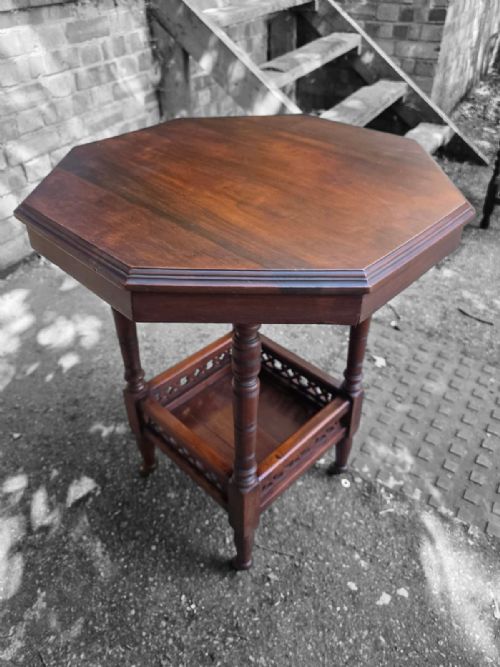
Forms vary from simple two-tier oak occasional tables to elaborate three-tier burr walnut and mahogany étagères with turned columns or barley twist supports. Buyers frequently find variations incorporating bamboo, ebonised wood or inlaid marquetry details.
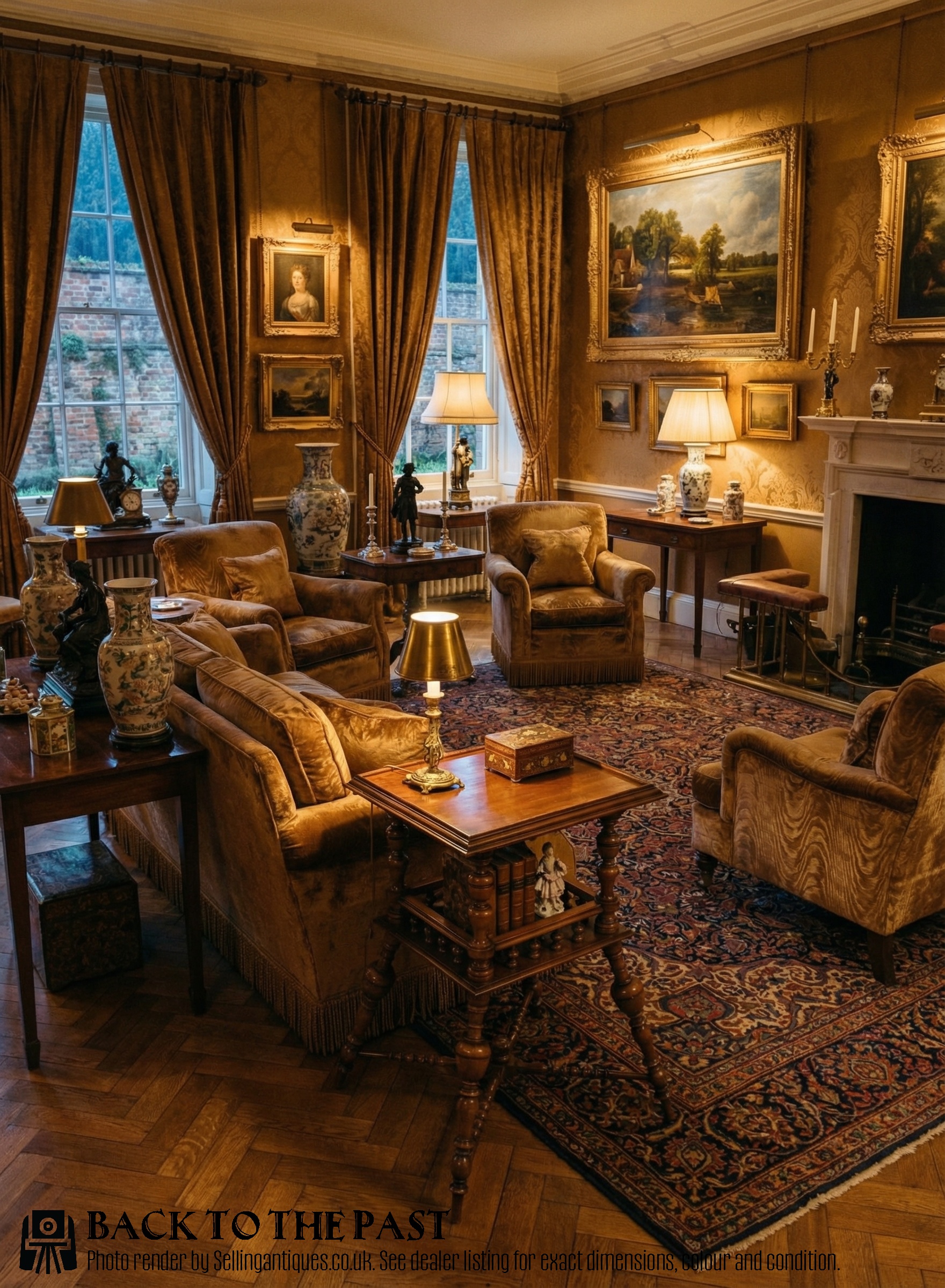
What varies in quality
Quality rests in the selection of timber veneers, such as richly figured burr walnut or flame mahogany, paired with crisp carving on the uprights and edges. Superior pieces demonstrate tight joinery where the tiered platforms meet the supporting columns without movement.
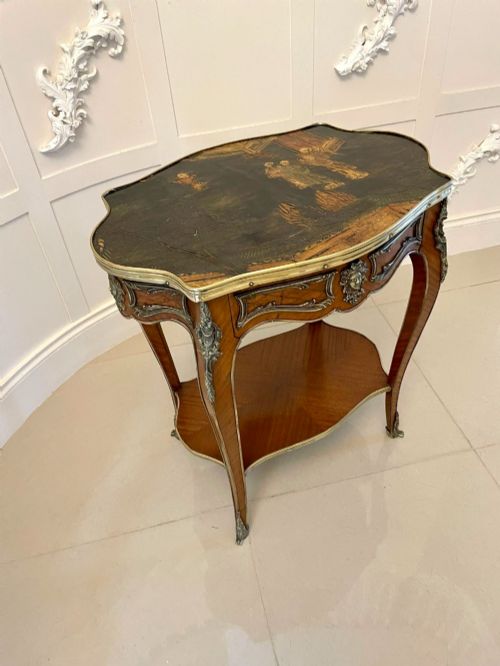
The presence of secondary materials like ormolu mounts, quality brass castors, and refined marquetry elevates an ordinary occasional table into a notable example of period craftsmanship.
Victorian Tiered Table Retail Price Guide 2026
Typical asking prices for victorian tiered table among the pieces listed under this phrase on Sellingantiques today, from the lower quarter to the upper quarter. They describe what is for sale here now, not the wider market.
Listings feature walnut, mahogany, oak, rosewood, burr walnut, brass, and ebonised wood across Victorian and Edwardian periods.
Gregory & Co·Gillows·Liberty of London·William Birch
The Victorian Tiered Table Glossary
- Étagère
- A piece of furniture consisting of a set of open shelves for displaying small objects. These tiered stands were popular throughout the nineteenth century.
- Whatnot
- A multiple-shelf stand used for displaying ornaments or holding books. The form evolved during the Victorian period into various multi-tiered configurations.
- Dumbwaiter
- A tiered serving table or trolley designed to hold dishes or books. Examples from the nineteenth century often feature revolving or rise-and-fall tiers.
- Canterbury
- A low, open-partitioned stand used for holding sheet music, books or magazines. Victorian versions frequently incorporated tiered tops or occasional table surfaces.
- Aesthetic Movement
- A late nineteenth-century design style emphasising visual beauty over narrative content. Pieces in this manner often display Anglo-Japanese influences and ebonised finishes.
Victorian Tiered Table: Frequently Asked Questions
What was a tiered table used for?
These multi-level pieces served primarily for displaying decorative ornaments, holding lamps, or keeping reading materials close to hand in nineteenth-century parlours. The stacked platforms provided extra surface space without taking up a larger floor footprint in crowded rooms.
Larger variations such as dumbwaiters and etagere trolleys also functioned during meals or tea service to hold serving dishes, books, and small personal items.
How do I identify a Victorian tiered table?
Look for characteristic nineteenth-century timber choices such as mahogany, walnut, burr walnut, and ebonised wood, alongside distinct construction styles like barley twist columns or bamboo frames. Period pieces often exhibit pegged joints, hand-turned supports, and traditional finishes.
The design vocabulary typically aligns with Victorian revival styles, Arts and Crafts principles, or Aesthetic Movement influences rather than twentieth-century mass production methods.
How do I fit a tiered table into a modern room?
A multi-level table works effectively beside a sofa or armchair, where the extra shelves accommodate books, small lamps, and ceramics while keeping the main surface clear. Their vertical design makes them suitable for narrow corners or empty wall spaces that require height rather than width.
Mixing these wooden tiers with contemporary furniture adds texture and provides functional display zones for collections of glassware or small plants.
What is the difference between an etagere and a whatnot?
While both terms describe multi-tiered display shelving, an étagère generally leans towards a more decorative, lighter framework often associated with French-inspired or Aesthetic Movement designs. Whatnots typically served practical shelving functions in domestic spaces for books and general ornaments.
Over time, makers used these terms interchangeably, leading to considerable overlap in how nineteenth-century tiered furniture was catalogued.