
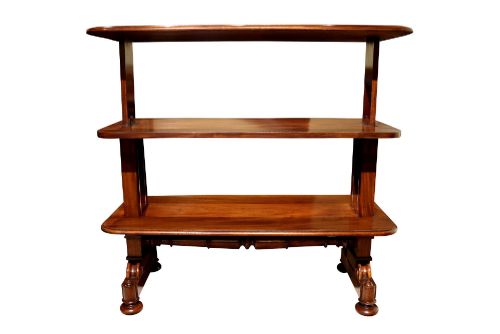
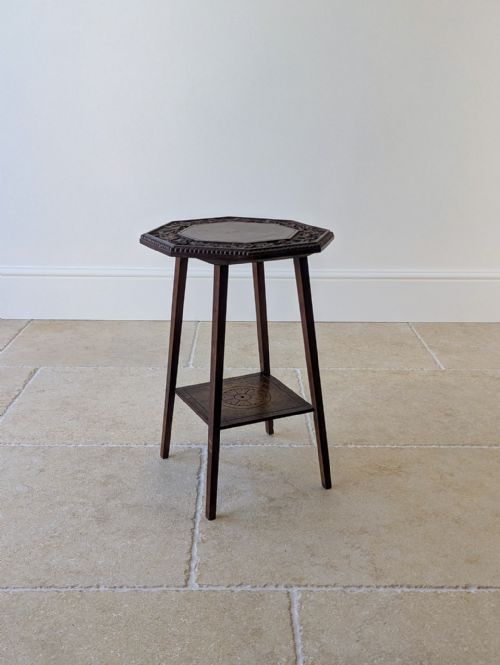
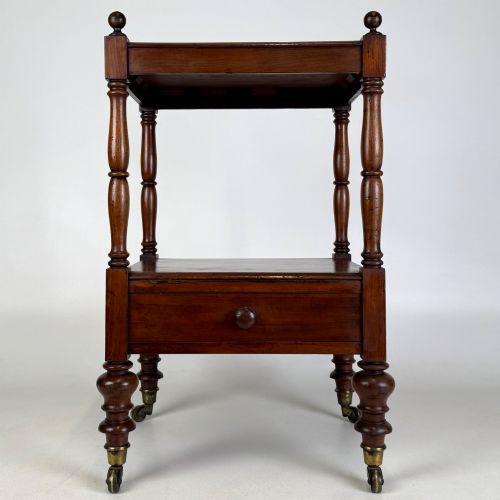
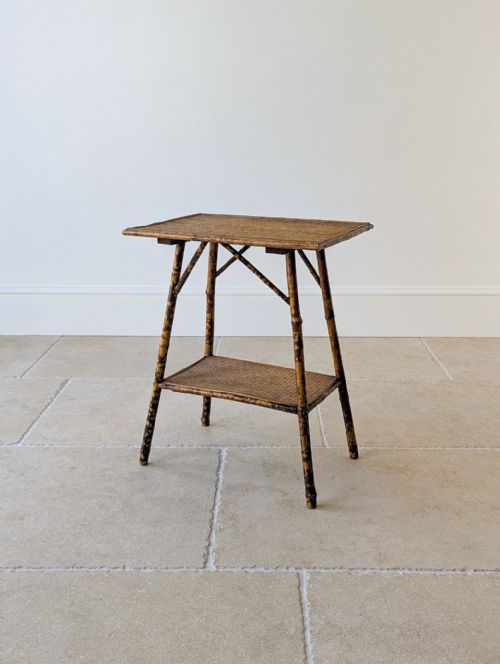
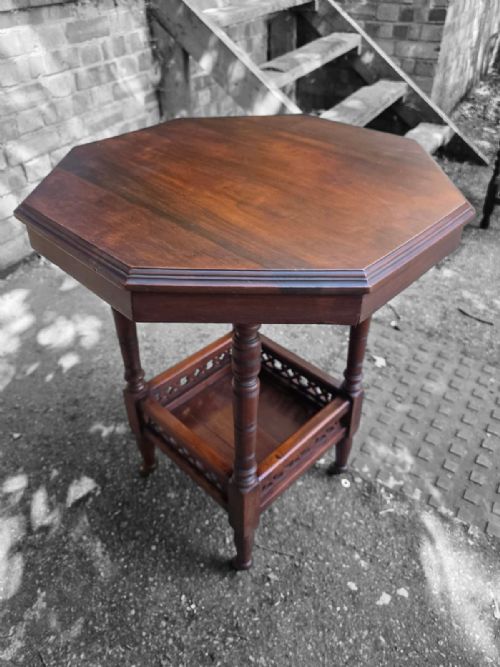
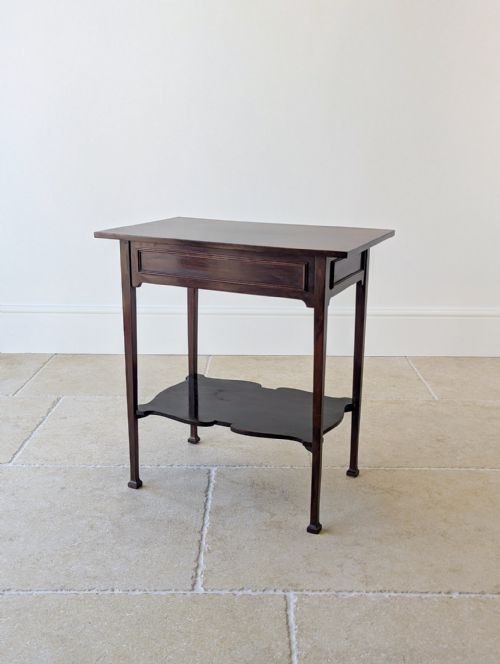
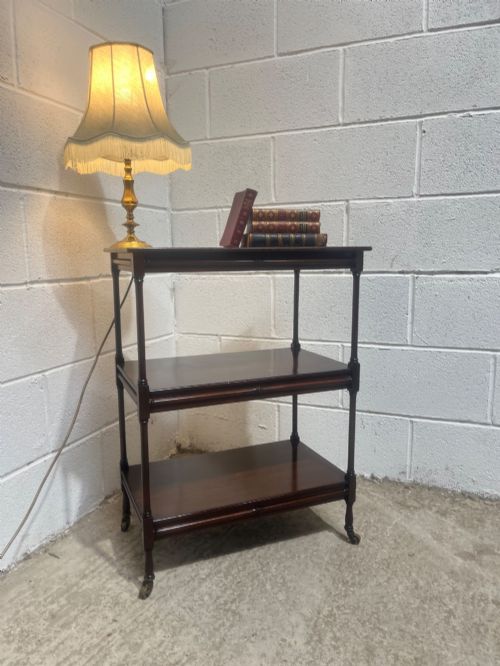
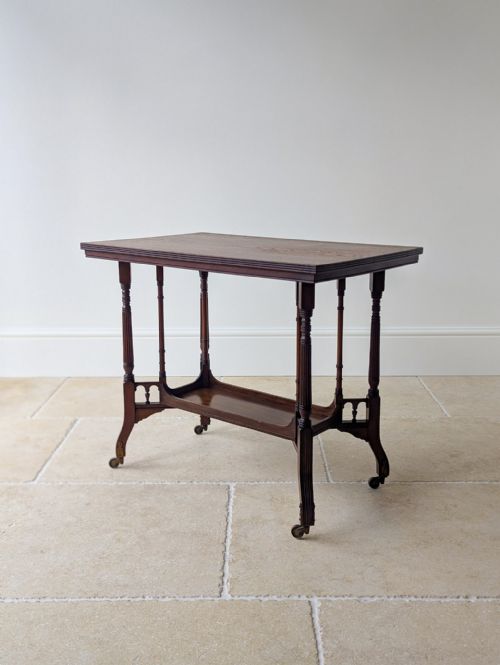
Victorian Tiered Side Table
A victorian tiered side table offers multiple levels of surface space, combining utility with distinct nineteenth-century cabinet work.
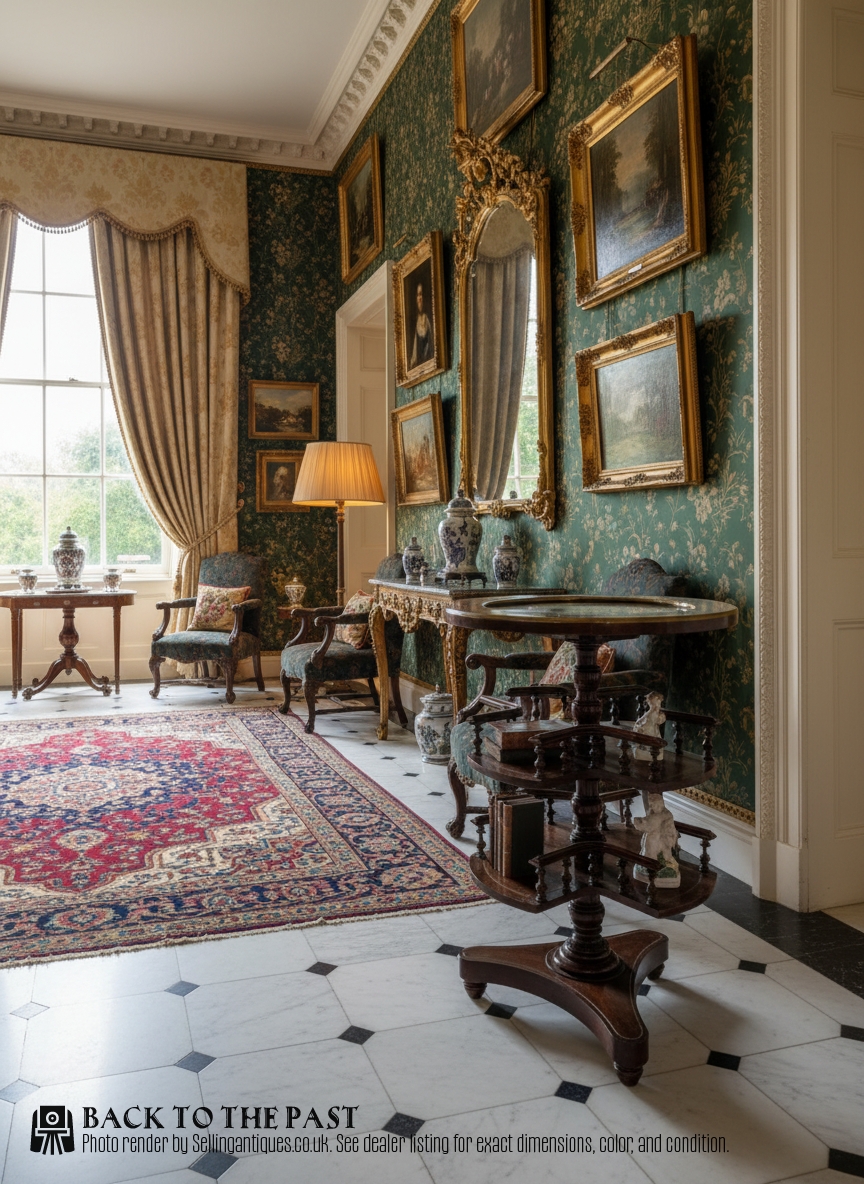
Victorian Tiered Side Table
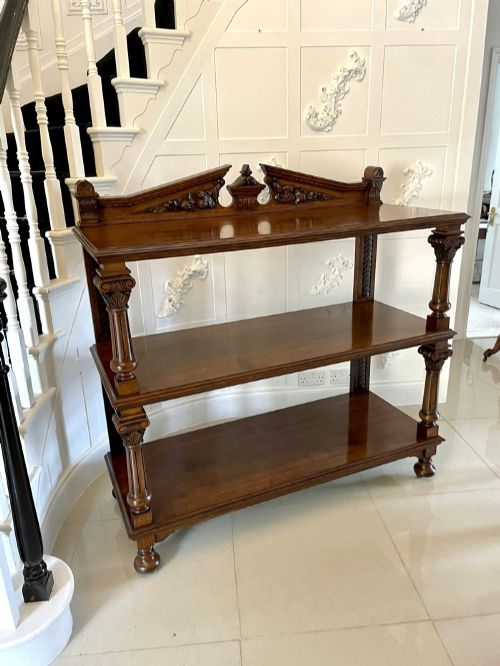
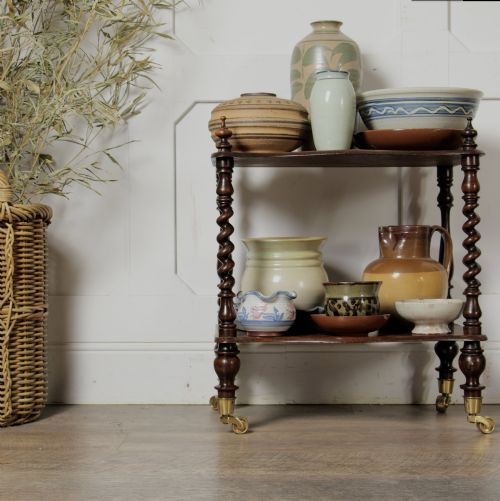
A victorian tiered side table encompasses various multi-level surfaces including étagères, dumbwaiters, and occasional tables designed for display and utility. These pieces emerged from periods spanning the mid nineteenth century through to the Edwardian era, utilising stepped platforms supported by columns or legs.
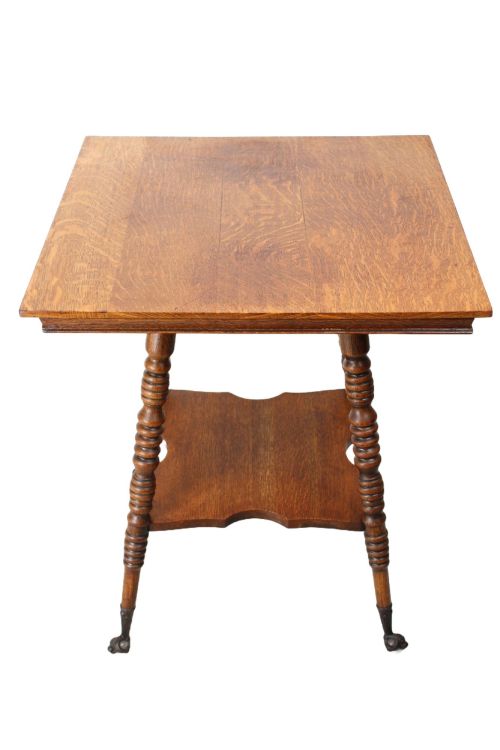
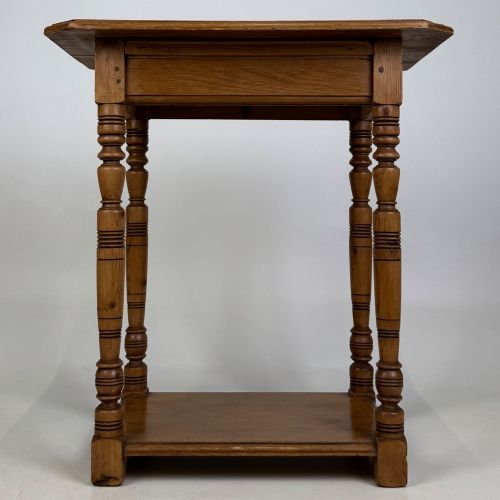
Buyers will most frequently encounter mahogany, walnut, and oak examples shaped by Victorian, Aesthetic Movement, and Arts and Crafts ideals. Forms range from simple rectangular two-tier tables to elaborate three-tier revolving or stationary stands with marquetry or turned supports.
Materials and construction
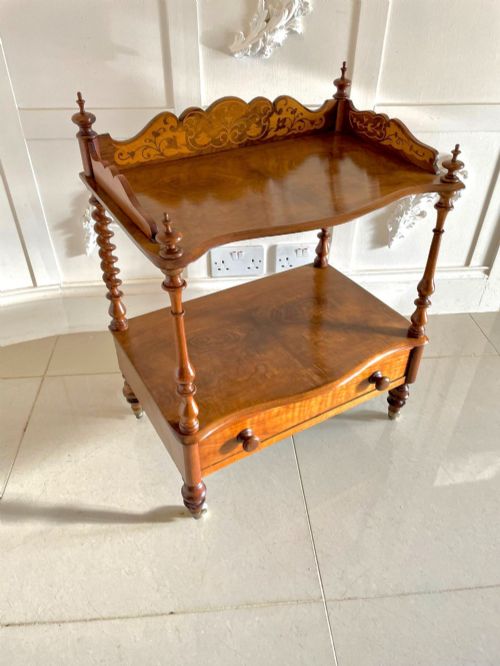
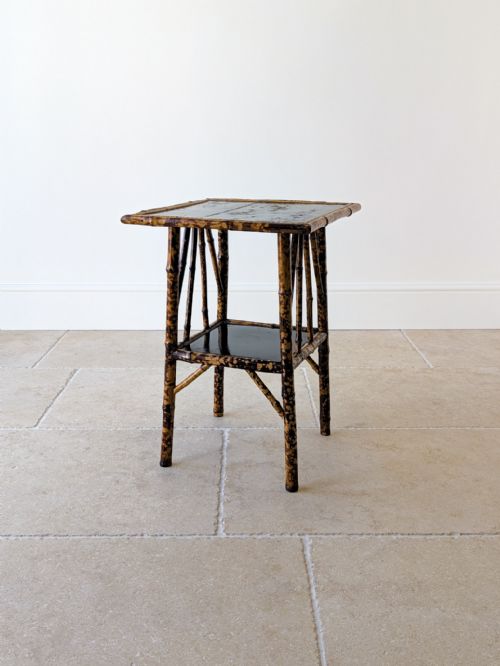
Cabinet makers utilised dense hardwoods such as mahogany, walnut, and rosewood alongside exotic accents like satinwood, amboyna, and kingwood. Structural stability relied on precise joinery, often incorporating turned barley twist legs, bobbin supports, or bamboo framing.
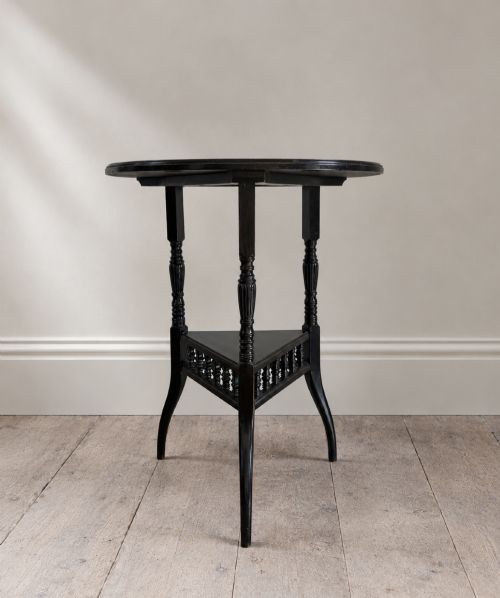
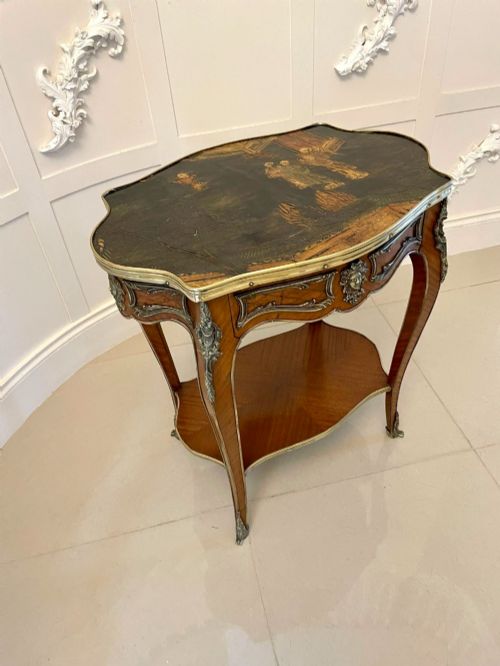
Decorative surface techniques included marquetry inlay, japanning, parcel gilt details, and ebonising. Metal mounts in brass and ormolu reinforced stress points while adding contrasting metallic lustre to the timber frames.
Victorian Tiered Side Table Retail Price Guide 2026
Typical asking prices for victorian tiered side table among the pieces listed under this phrase on Sellingantiques today, from the lower quarter to the upper quarter. They describe what is for sale here now, not the wider market.
Listings span multiple stylistic revivals including French Rococo, Louis XV, and Aesthetic Movement alongside Arts and Crafts designs.
Distinguishing quality
The standard of a victorian tiered side table depends heavily on the selection of timber veneers and the crispness of carved or inlaid details. Superior examples display carefully matched grain patterns across multiple tiers and refined execution in turned elements.
Construction integrity separates workshop pieces from mass-produced items, visible in the tightness of joints and the quality of secondary timbers used beneath the polished surfaces. Signed pieces or works bearing identifiable cabinetmaker attribution command distinct attention for documented craftsmanship.
Gregory and Co·Gillows·Liberty of London·William Birch·Robert Strahan·Edwards and Roberts
The Victorian Tiered Side Table Glossary
- Étagère
- A piece of furniture consisting of a set of open shelves for displaying small objects or ornaments. These multi-tiered units became particularly fashionable during the Victorian period.
- Dumbwaiter
- A multi-tiered piece designed to hold food or tableware without requiring domestic servants in attendance. In later contexts, these functioned as side tables with stacked circular or rectangular shelves.
- Japanning
- A type of European finish that emulated Asian lacquerware through the application of heat-dried varnishes and metallic dust. It appears on select decorative tables from the late nineteenth century.
- Marquetry
- The art and craft of applying pieces of veneer to a structure to form decorative designs. Craftsmen utilised contrasting wood types to create geometric or floral motifs on tabletop surfaces.
- Whatnot
- An open set of shelves used for storing or displaying books, ornaments, or collections. The form shares close lineage with tiered side tables and occasional stands.
Victorian Tiered Side Table: Frequently Asked Questions
What is a tiered side table?
A tiered side table is a multi-level surface piece designed to maximise display space within a compact footprint.
These tables feature two or more platforms stacked vertically, supported by columns, spindles, or structural legs.
How were these tables used originally?
Original nineteenth-century households utilised these tiered surfaces for holding lamps, books, smoking accessories, or decorative ornaments.
They stood beside seating areas or against walls where extra display space was required without crowding the room.
How do I identify an Aesthetic Movement piece?
Aesthetic Movement tables often display ebonised finishes, Anglo-Japanese design influences, and simplified geometric lines associated with designers like E.W. Godwin.
They prioritize structural clarity and surface pattern over heavy Victorian ornamentation.