


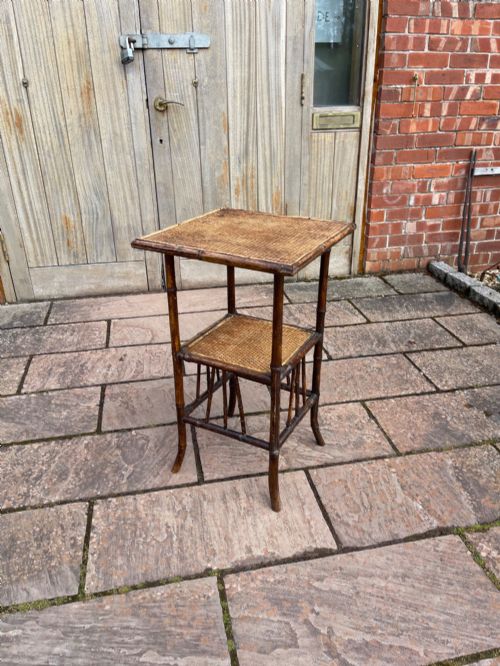

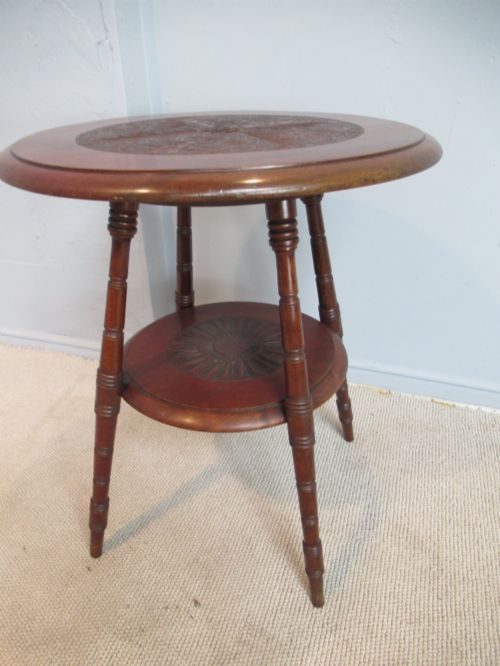
Victorian Tiered Plant Stand
These Victorian tiered plant stand pieces bring botanical display indoors through multi-level timber, bamboo and iron tiers.
Victorian Tiered Plant Stand
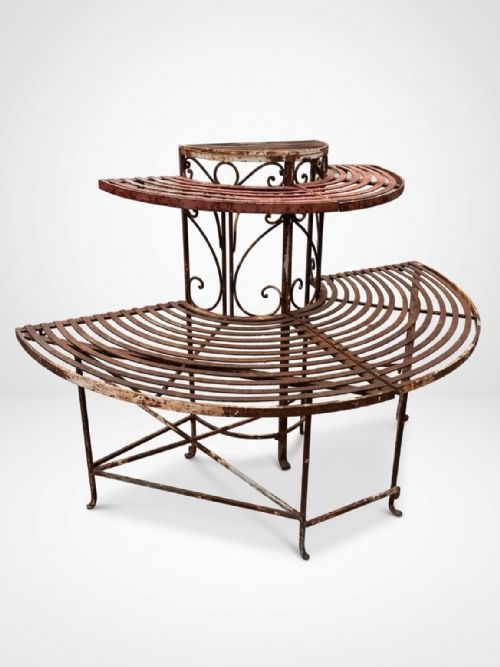
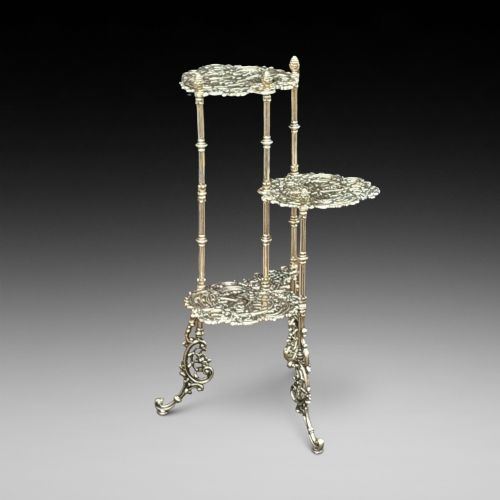
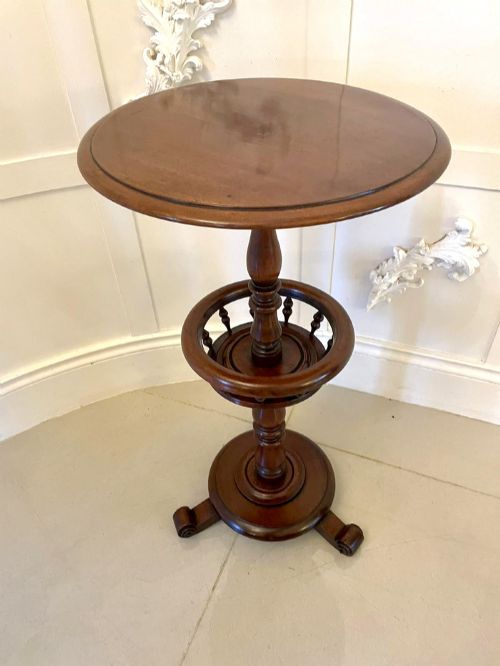
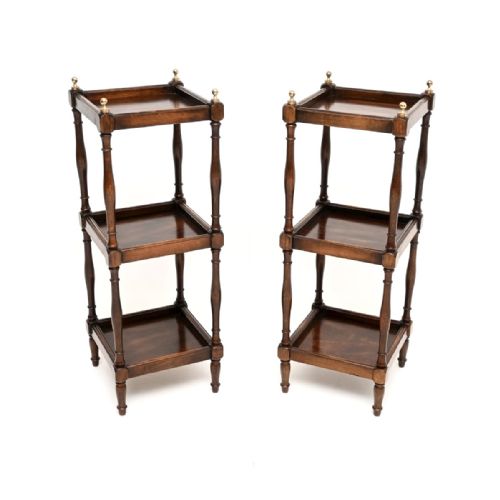
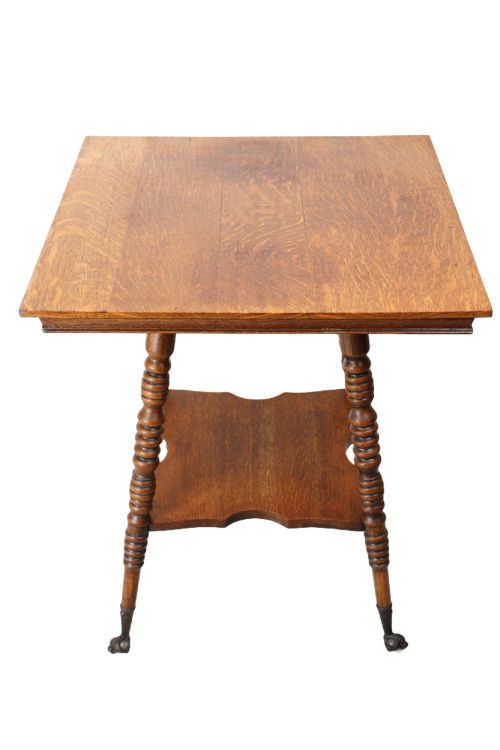
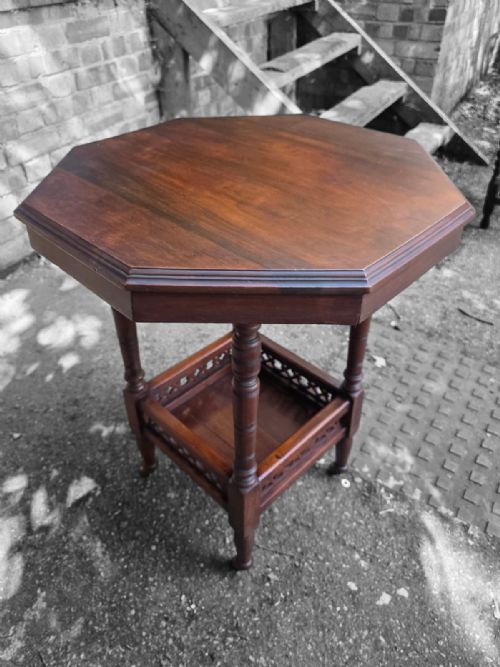
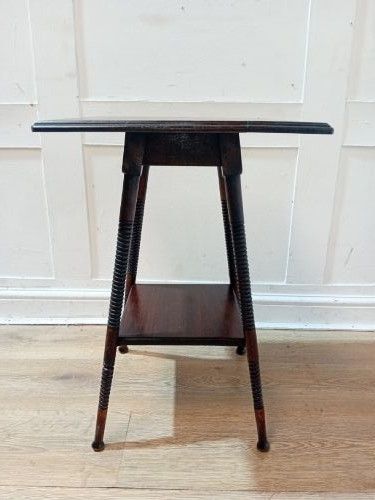
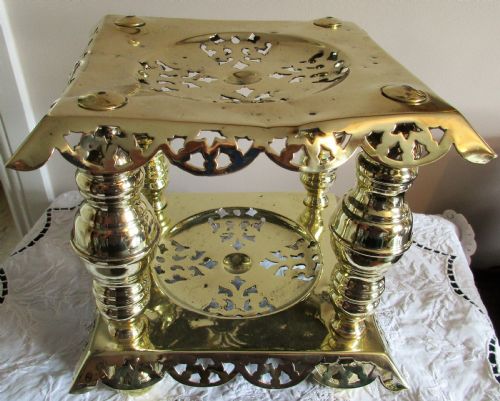
A Victorian tiered plant stand is typically encountered as a multi-level table, etagere or framework designed to hold pots, plants and decorative objects. The forms span from bamboo and wicker stands to robust cast iron, brass and hardwood occasional tables with multiple surfaces.
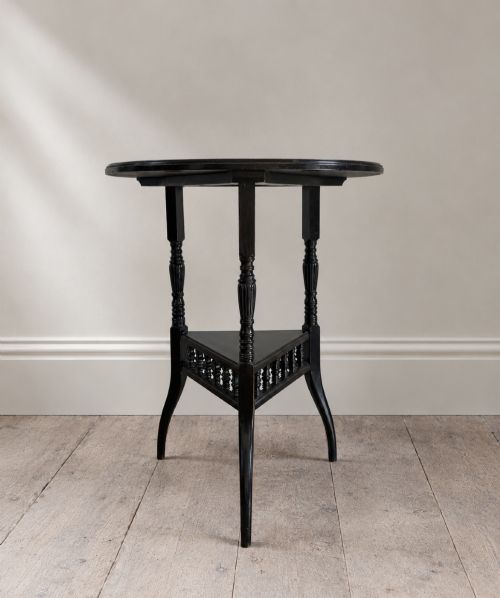
Most examples date from the nineteenth century, including late Victorian and Aesthetic Movement iterations. Alongside dedicated plant holders, buyers frequently find side tables, occasional tables and trivets adapted for botanical use across multiple tiers.
How they were made
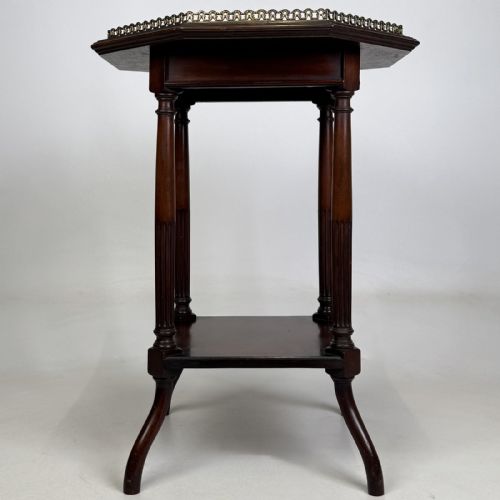
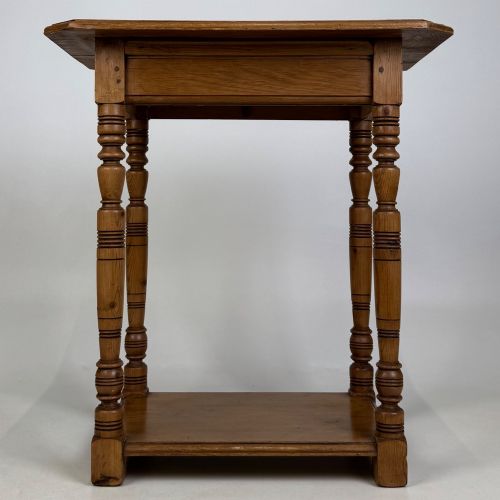
Construction relies on traditional cabinet-making and metalworking techniques using materials such as mahogany, oak, walnut, bamboo, brass and cast iron. Wood sections feature turned legs, crossbanding and ebonised finishes, while metal versions utilise wirework, riveting and painted finishes.
Many pieces incorporate multiple tiers supported by tripod pedestals, corner brackets or upright frames. Joinery ranges from fine cabinetry details on hardwood tables to robust structural joints on iron garden and conservatory stands.
Victorian Tiered Plant Stand Retail Price Guide 2026
Typical asking prices for victorian tiered plant stand among the pieces listed under this phrase on Sellingantiques today, from the lower quarter to the upper quarter. They describe what is for sale here now, not the wider market.
Some nineteenth-century plant stands doubled as smoking tables, proving the Victorians liked their ferns served with ash.
What varies in quality
Quality depends on the integrity of the materials and the refinement of the maker's design. Hand-painted decoration, choice timbers like rosewood or amboyna, and distinctive aesthetic styling set finer examples apart from utilitarian items.
Structural stability across multiple tiers distinguishes superior craftsmanship. Pieces that retain their original surfaces, whether polished mahogany or patinated iron, hold greater integrity than heavily altered or later decorated alternatives.
EW Godwin·William Birch·Liberty and Co·Gabriel Viardot
The Victorian Tiered Plant Stand Glossary
- Aesthetic Movement
- A late nineteenth-century design style that emphasised visual beauty over narrative content, often drawing inspiration from Japanese art. This influence appears in ebonised finishes and slender structural members.
- Bamboo
- A lightweight, flexible material utilised extensively for nineteenth-century occasional furniture and plant stands. Makers valued its exotic appearance for conservatory and drawing room pieces.
- Etagere
- A piece of furniture consisting of a set of open shelves for displaying small objects. In botanical contexts, these serve as tiered plant stands.
- Jardiniere
- A large decorative pot or stand for holding plants or flowers. These items appear in ceramic, metal and wooden formats across the Victorian period.
- Wirework
- Metal strands shaped and welded into open frameworks for plant display. This technique provided lightweight strength for conservatory and garden stands.
Victorian Tiered Plant Stand: Frequently Asked Questions
Where were these stands placed?
Victorian homes positioned these stands in conservatories, drawing rooms and near windows to maximise sunlight for potted ferns and flowers. Their multi-tier designs allowed gardeners to group several plants in a compact footprint.
Today, they function similarly in domestic interiors, holding trailing houseplants or collections of ceramic vessels across different levels.
How do I distinguish bamboo from wood?
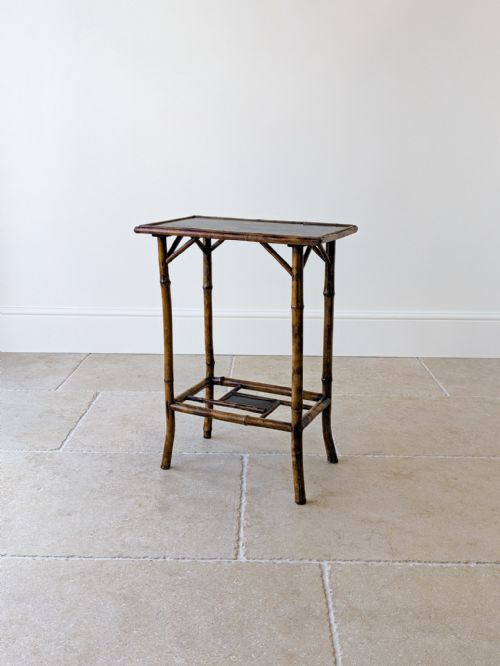
Bamboo pieces utilise segmented natural cane poles joined with pinned or bound joints, creating a distinctly lighter profile than solid timber furniture. They often feature lacquer or japanned decoration.
Hardwood stands rely on traditional mortise and tenon joinery with carved or turned components in mahogany, walnut or oak.
Can iron stands be used outside?
Cast iron and wirework stands were designed to withstand damp conservatory conditions and sheltered outdoor spaces. Many feature painted surfaces to protect the metal from moisture.
Keeping historic ironwork in unshielded modern gardens can accelerate corrosion, so indoor or covered placement preserves the original finish.
What is the difference between a plant stand and an etagere?
An etagere is formally a set of open display shelves for ornaments, whereas plant stands are specifically adapted to support pots and moisture. In practice, nineteenth-century makers used these terms interchangeably for multi-tiered furniture.
Both types share a tiered vertical structure designed to elevate objects off the floor.