





Victorian Three Legged Stool
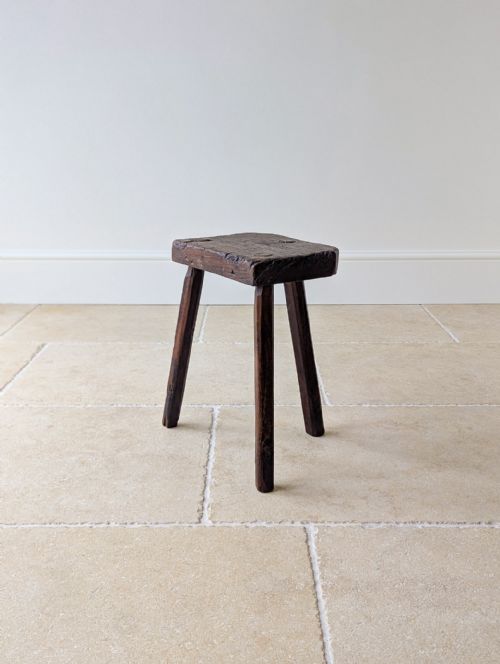
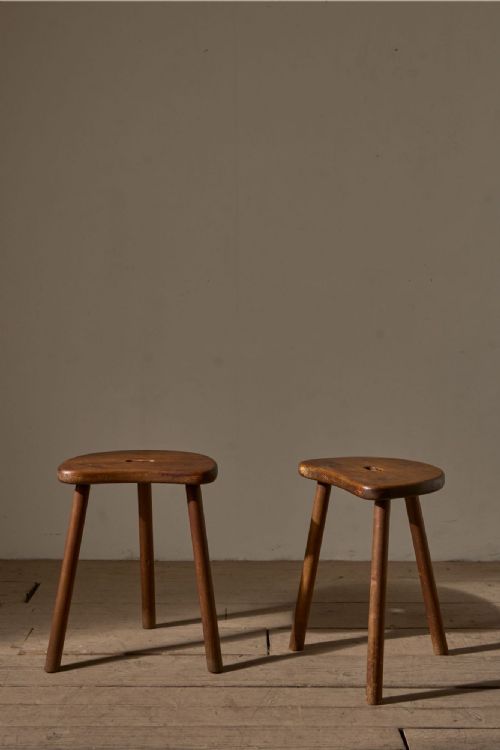
These robust victorian three legged stool examples combine honest nineteenth-century utility with enduring timber construction, offering a practical seating option that anchors any rustic interior.
Victorian Three Legged Stool
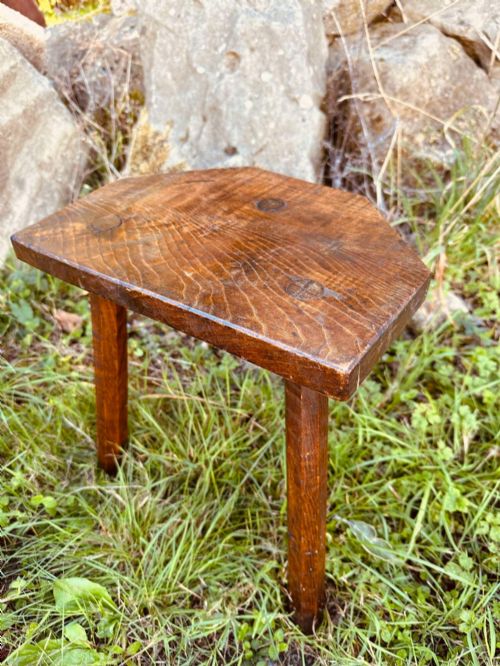
When you search for a victorian three legged stool, you encounter a distinct category of nineteenth-century seating and small occasional furnishings designed for workshop and domestic use. The pieces on this page span the 19th Century, Victorian, 1850, and 1900 periods, reflecting both vernacular country traditions and specialised trade requirements.
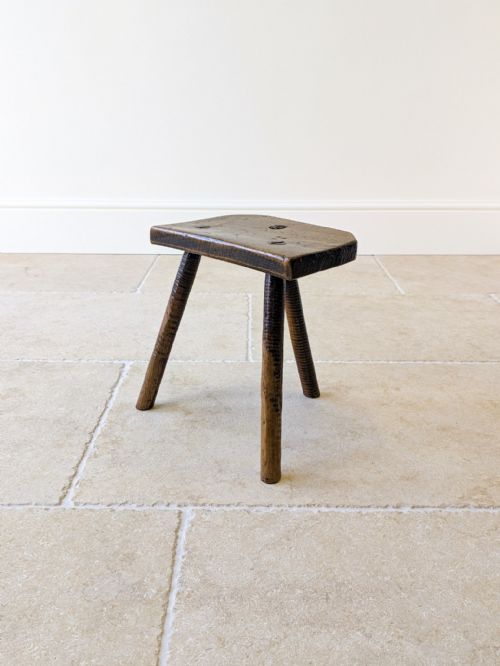
Makers such as J. Shoolbred and James Shoolbred appear alongside anonymous artisan creations, showing how commercial cabinet makers and local craftspeople alike turned out these sturdy tripod designs. Forms range from simple elm top stools and cutler or jeweller work seats to cricket tables, side tables, and occasional tables.
The most common versions on this page are rustic country and vernacular country pieces, often fashioned with solid timber tops and three splayed legs for stability on uneven floors. Alongside standard seating, the listings include related tripod forms like small tables and library steps, all sharing the compact footprint characteristic of three-legged construction.
Materials and Construction Methods
The construction relies heavily on native and imported hardwoods and softwoods, with oak, elm, mahogany, pine, walnut, fruitwood, and ebonised wood forming the primary structural bodies. Timber selection dictated the utility of each item, from dense elm tops chosen for resilience to lighter pine and fruitwood used in domestic vernacular pieces.
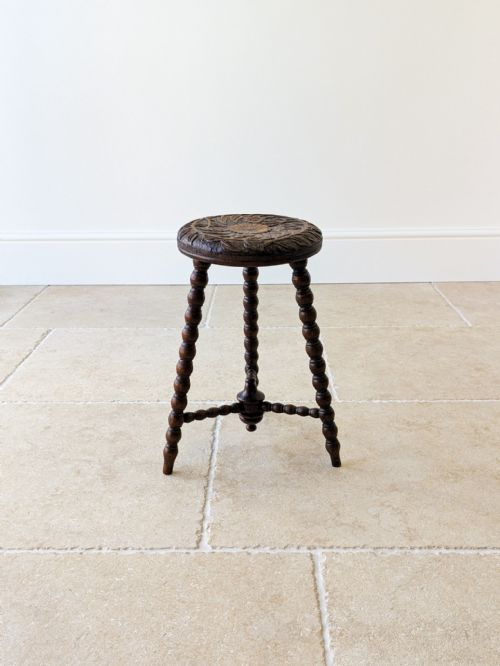
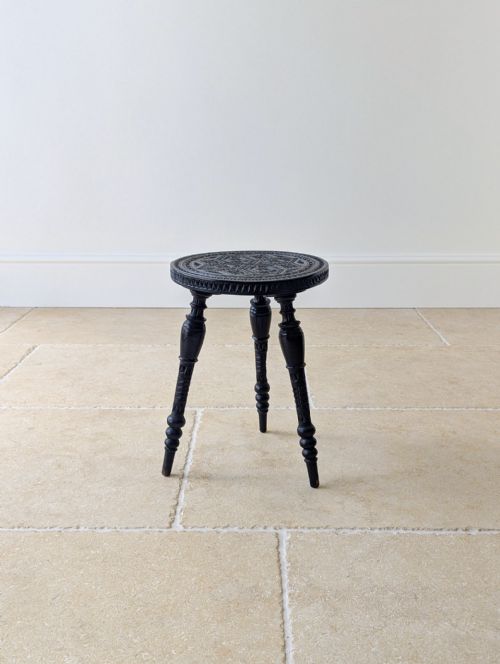
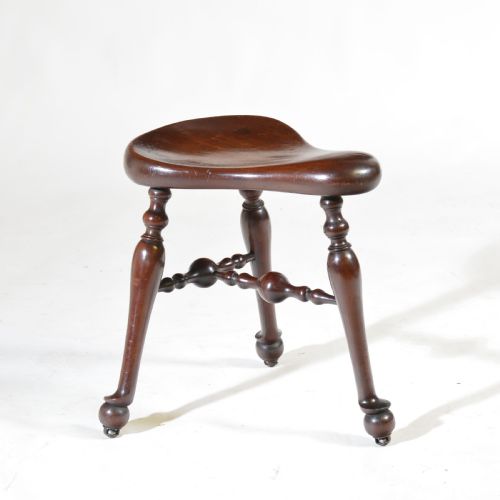
Makers utilised traditional joinery, wedged tenons, and lathe-turned components to lock the three legs securely into the underside of the solid wooden seats or tabletops. Decorative touches on select examples include bobbin turning, chip-carved detailing, parcel gilt highlights, and polished finishes that elevate utilitarian workshop forms into refined interior objects.
Victorian Three Legged Stool Retail Price Guide 2026
Typical asking prices for victorian three legged stool among the pieces listed under this phrase on Sellingantiques today, from the lower quarter to the upper quarter. They describe what is for sale here now, not the wider market.
Several stools earned their living alongside silversmiths and cutlers before retiring to quiet corners as occasional tables.
Assessing Quality and Character
Quality in these tripod pieces rests upon the integrity of the timber selection and the tightness of the joint construction where the legs meet the top. Superior examples display dense, well-figured wood like pollard oak or rich mahogany, while lesser specimens rely on simpler pine or heavily painted surfaces.
The distinction between a humble working seat and a finer parlour piece lies in the sophistication of the turning, decorative carving, and attribution to known makers such as Shoolbred. Utilitarian workshop stools show the honest wear of trades like silversmithing or cutting, whereas domestic occasional tables exhibit more deliberate ornamental detail.
J. Shoolbred·James Shoolbred
The Victorian Three Legged Stool Glossary
- Tripod
- A piece of furniture supported by three legs. This three-point stance ensures stability on uneven surfaces without rocking.
- Vernacular
- Everyday objects built by local craftspeople following traditional regional patterns rather than high-style academic designs. These pieces prioritise function and local timber availability above all else.
- Cricket table
- A small, lightweight three-legged table with a round wooden top. The design originates from traditional English domestic spaces where three legs provide inherent stability.
- Ebonised
- Wood treated with a chemical stain or finish to imitate expensive ebony. This dark, formal treatment was popular during the Victorian era for occasional furniture.
- Bobbin turned
- Formed on a lathe with a series of rounded, spool-like shapes repeating along the length of the leg or stretcher. It adds texture and visual rhythm to domestic furniture.
Victorian Three Legged Stool: Frequently Asked Questions
How were these three-legged stools originally used?
These items served various practical roles in nineteenth-century workshops and homes, functioning as seating for artisans like cutlers and jewellers as well as casual domestic perches.
Their tripod design proved especially useful on uneven floors found in workshops and rural cottages, preventing the wobble associated with four legs.
Are these stools comfortable for daily seating?
Many feature carved saddle seats or thick timber tops shaped to fit the body, offering surprising support for short periods of sitting at a desk or table.
While designed primarily for functional work rather than lounging, their compact size makes them practical for modern use as plant stands or extra seats.
How do I date a Victorian three-legged stool?
Dating relies on examining the timber species, tool marks left by saws or lathes, and overall construction methods characteristic of the nineteenth century.
Pieces bearing maker stamps or specific revival styles like Jacobean details offer clearer chronological markers within the Victorian period.
Can I use these as side tables?
Flat-topped tripod pieces and cricket tables function well as small occasional surfaces next to chairs or beds for lamps and books.
Their small footprint allows them to fit into tight spaces where standard four-legged tables would not go.