

Victorian Taxidermy Mount
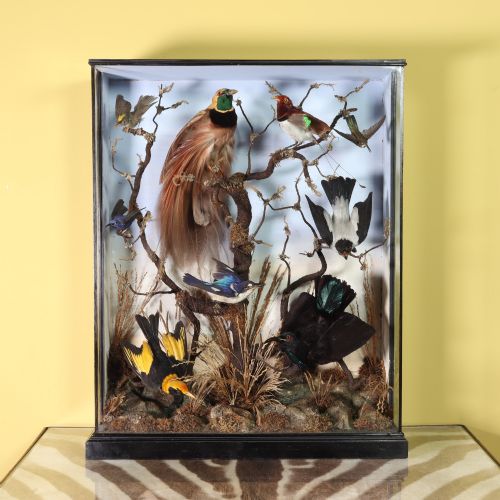
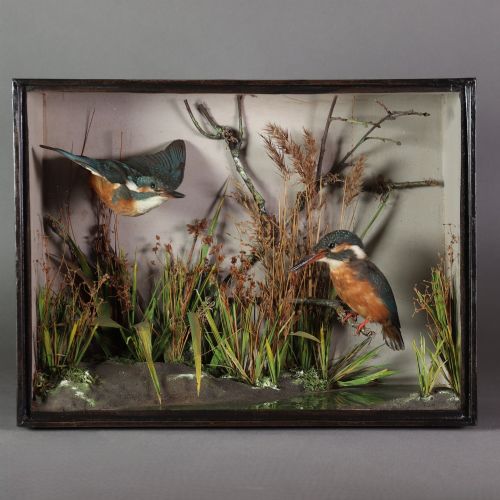
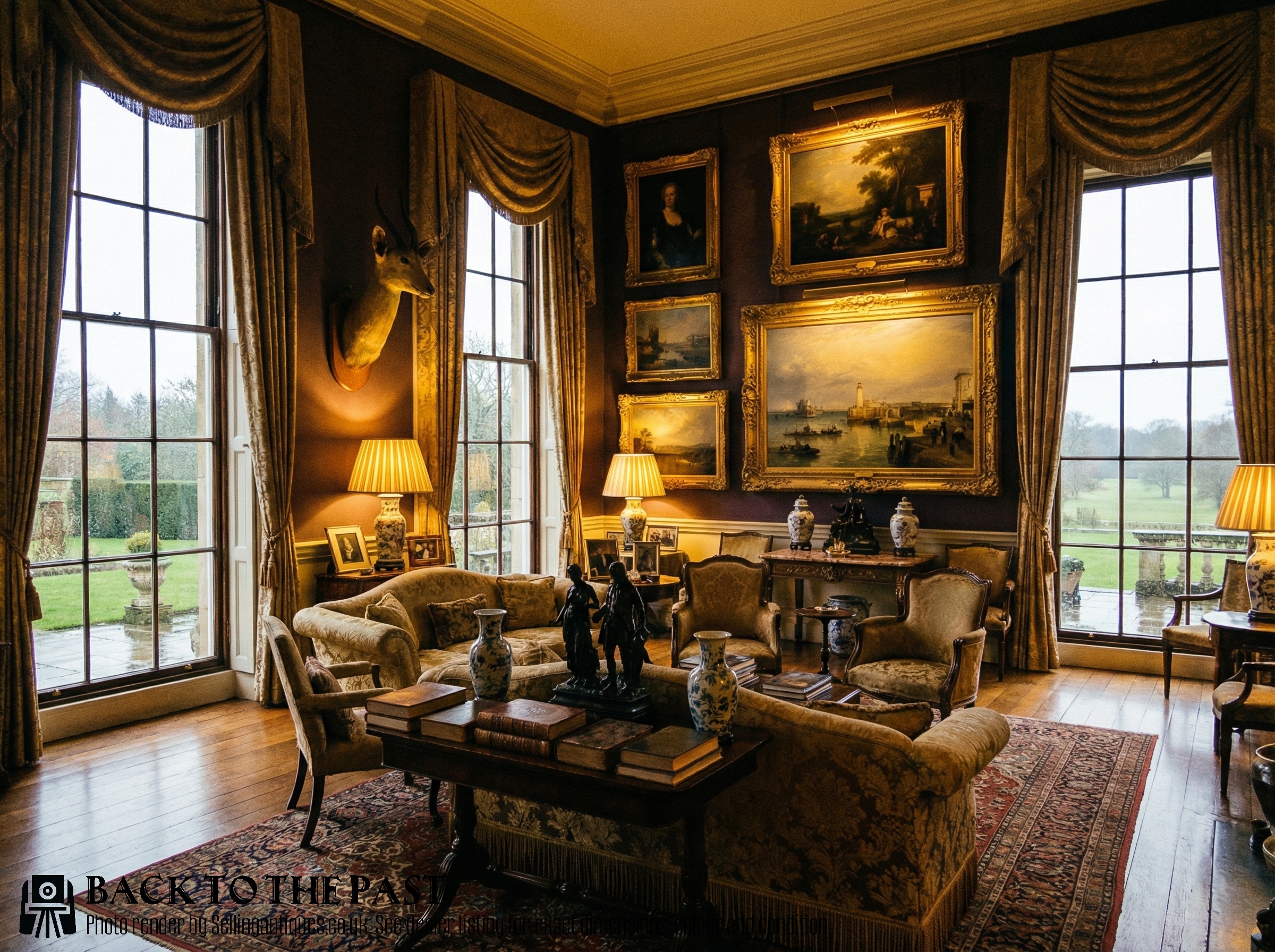
These Victorian taxidermy mount pieces bring the rugged atmosphere of the Victorian natural history tradition directly into modern interiors.
Victorian Taxidermy Mount
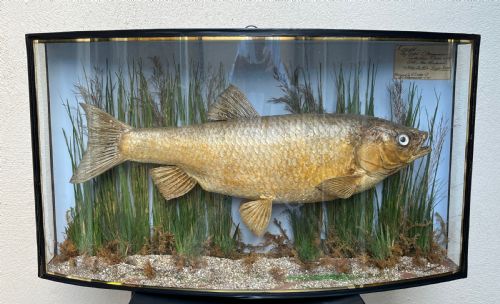
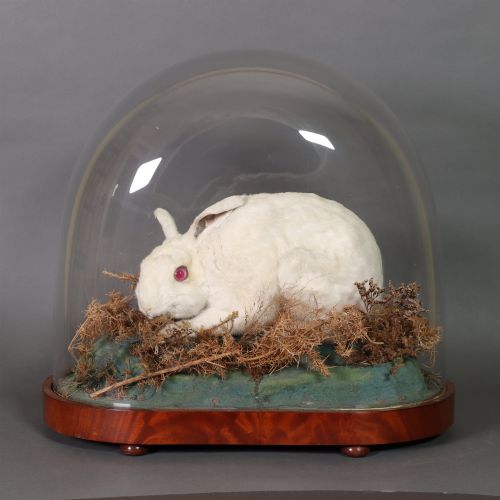
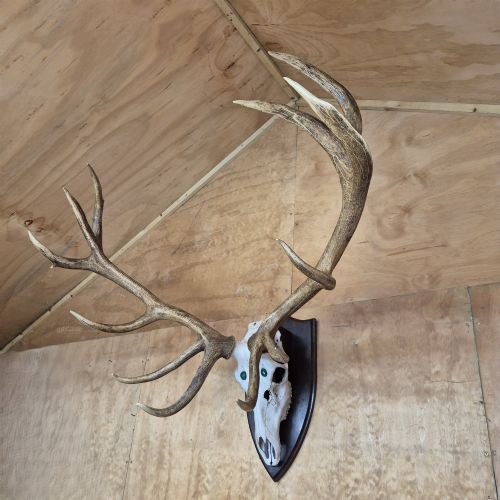
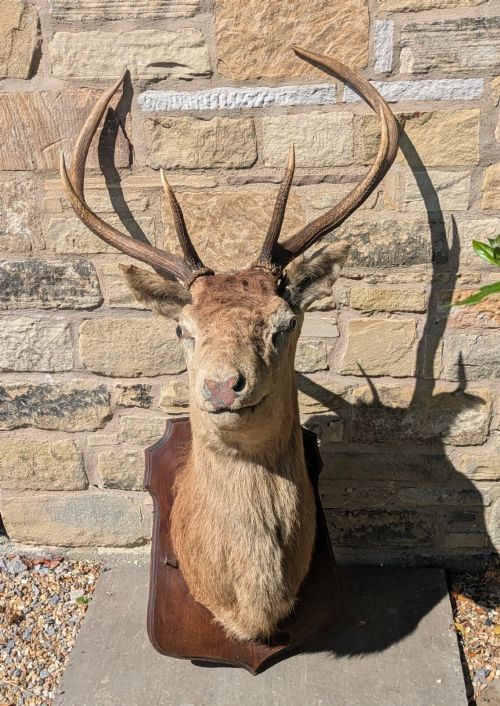
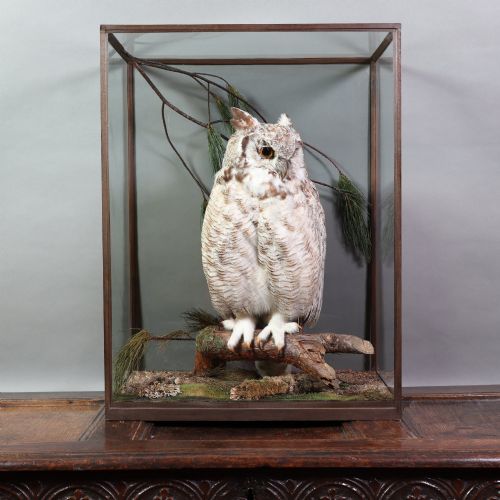
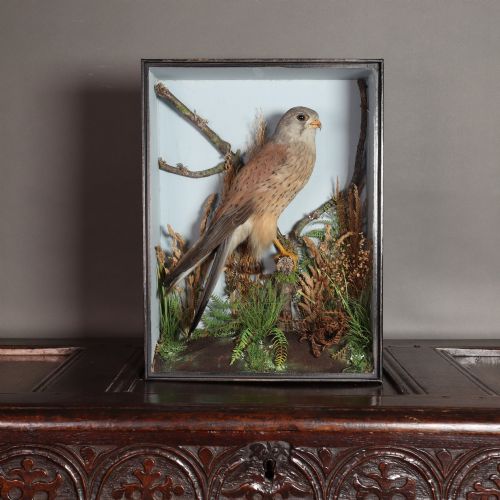
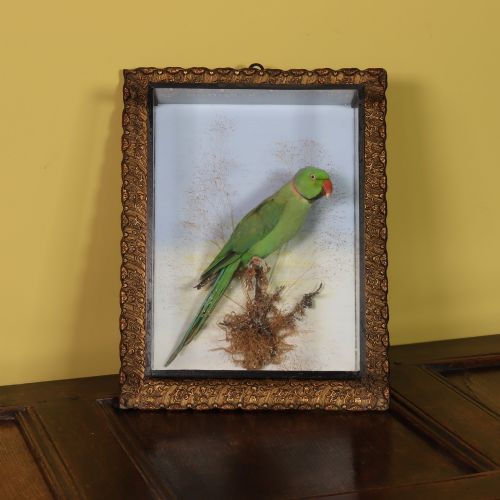
A victorian taxidermy mount encompasses preserved animal specimens and trophies prepared during the nineteenth and early twentieth centuries, reflecting the period's fascination with natural history. These pieces range from large game heads to smaller avian and mammalian subjects styled for display in domestic settings.
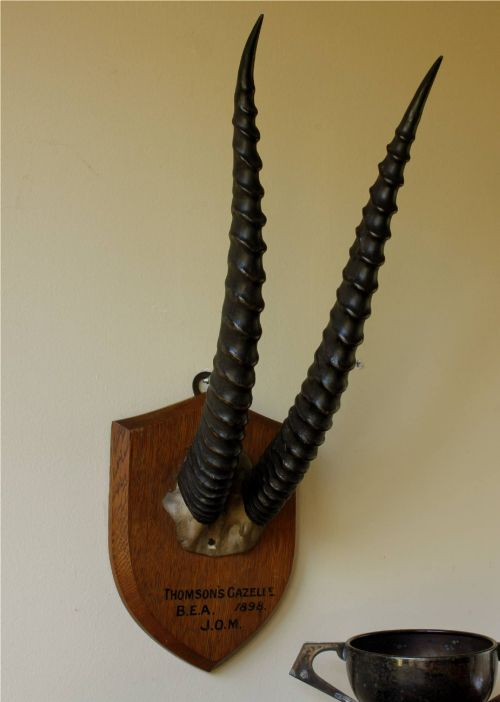
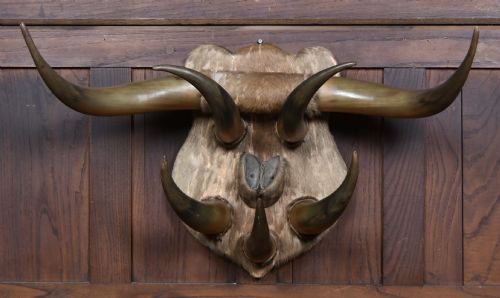
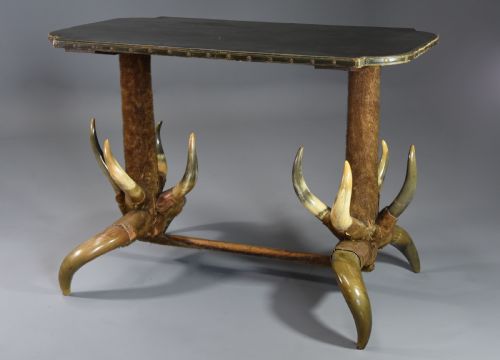
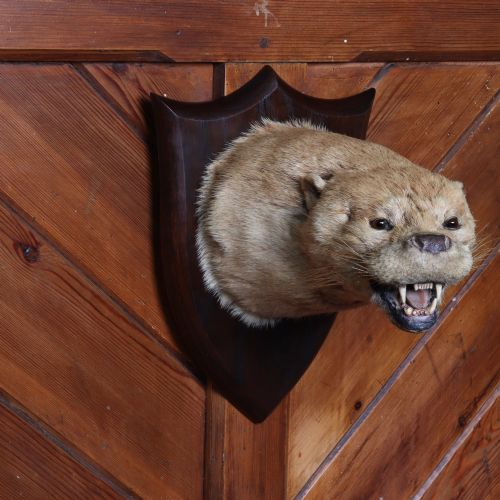
Collectors frequently encounter examples spanning the late nineteenth century through to the Edwardian period and the early twentieth century. Common forms appearing on this page include taxidermy mounts, taxidermy masks, and horn displays shaped by Highland hunting lodge aesthetics.
The material palette of a victorian taxidermy mount typically involves natural hide, otter fur, feathers, and horn, often supported by wooden backings such as oak. These elements combine to create striking wall-hanging trophies and decorative objects that capture historical taxidermy techniques.
Materials and construction
Taxidermy specimens rely upon the careful preservation of natural hide, fur, and feathers over sculpted or original skeletal structures. These organic materials require skilled preparation to maintain their lifelike appearance across decades.
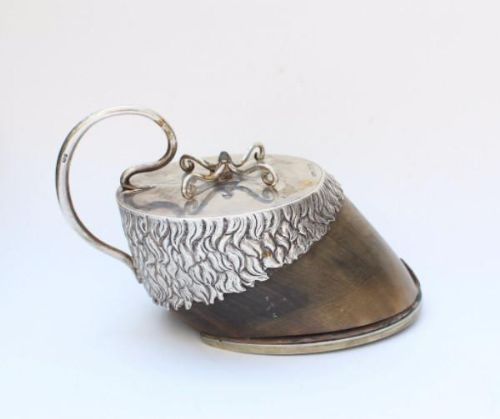
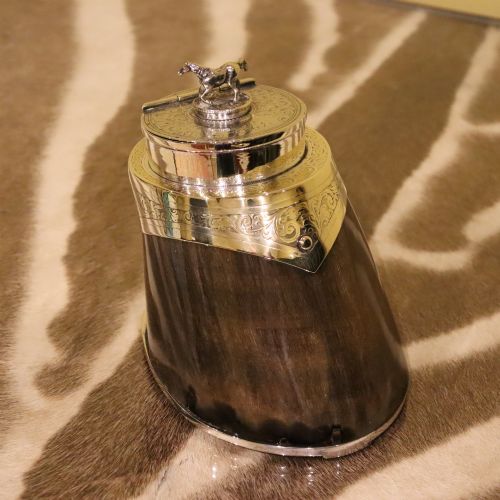
Mounts frequently incorporate structural elements of wood and oak to secure heavy trophies, alongside glass components for protective eyes or display cases. Metal mounts, including hallmarked solid silver, occasionally accent smaller items like brooches and inkstands.
Victorian Taxidermy Mount Retail Price Guide 2026
Typical asking prices for victorian taxidermy mount among the pieces listed under this phrase on Sellingantiques today, from the lower quarter to the upper quarter. They describe what is for sale here now, not the wider market.
The inventory includes both wall-hung game trophies and smaller tabletop objects featuring silver mounts.
Assessing quality and execution
Quality in a victorian taxidermy mount rests upon the anatomical accuracy and expression achieved by the taxidermist. Superior examples capture the natural vitality of the animal through meticulous grooming and setting of the hide, fur, or feathers.
The calibre of the supporting woodwork and metalwork differentiates standard pieces from exceptional ones. Finely joined oak backings and high-grade silver mounts elevate the overall craftsmanship of the object.
Peter Spicer & Sons·Gerrard & Sons London·Edward Gerrard & Sons
The Victorian Taxidermy Mount Glossary
- Taxidermy mount
- The preserved skin of an animal mounted on a framework or backing to mimic a lifelike state. These are typically hung on walls or displayed on furniture.
- Trophy head
- A preserved animal head, often featuring horns, prepared to commemorate a hunt. These pieces frequently reflect Highland hunting lodge styles.
- Hallmarked solid silver
- Precious metal bearing official stamps that guarantee its purity and origin. This material appears on fitted elements such as inkstands and brooches.
Victorian Taxidermy Mount: Frequently Asked Questions
How do I hang a heavy mount safely?
Heavy trophies require secure fixings into structural wall studs rather than plaster alone, given the combined weight of wood, hide, and bone.
Ensuring proper weight distribution protects both the wall and the historical wooden backing from strain.
What periods do these pieces date from?
The pieces span the Victorian, Edwardian, and early twentieth century eras, generally covering the late nineteenth century up to the nineteen-twenties.
Stylistic shifts across these decades move from grand Victorian natural history displays towards more restrained Edwardian arrangements.
How should I clean natural fur and feathers?
Gentle dusting with a soft brush helps maintain fur and feather surfaces without disturbing the delicate historical taxidermy materials.
Moisture and harsh cleaning agents must be avoided entirely to preserve the fragile organic hides.
What materials are typical in these mounts?
Common materials include natural hide, otter fur, feathers, and horn, combined with structural elements of wood and oak.
Silver and glass also appear in specific mounted accessories and protective components.