





Victorian Taxidermy Horns
Victorian taxidermy horns bring the raw grandeur of the nineteenth-century natural history room straight into your home.
Victorian Taxidermy Horns
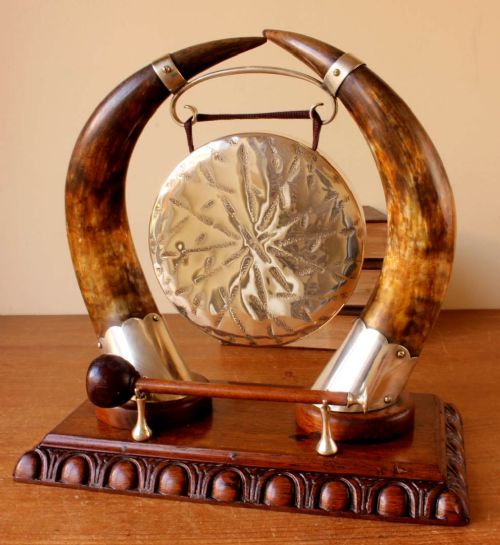
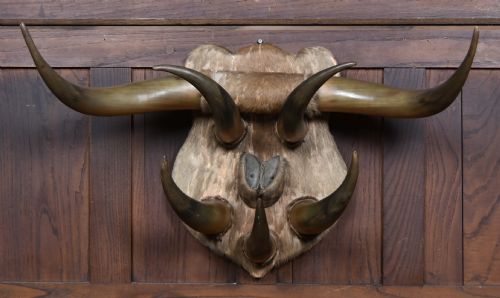
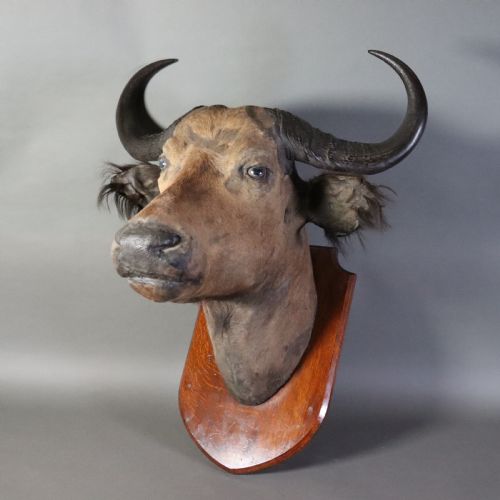
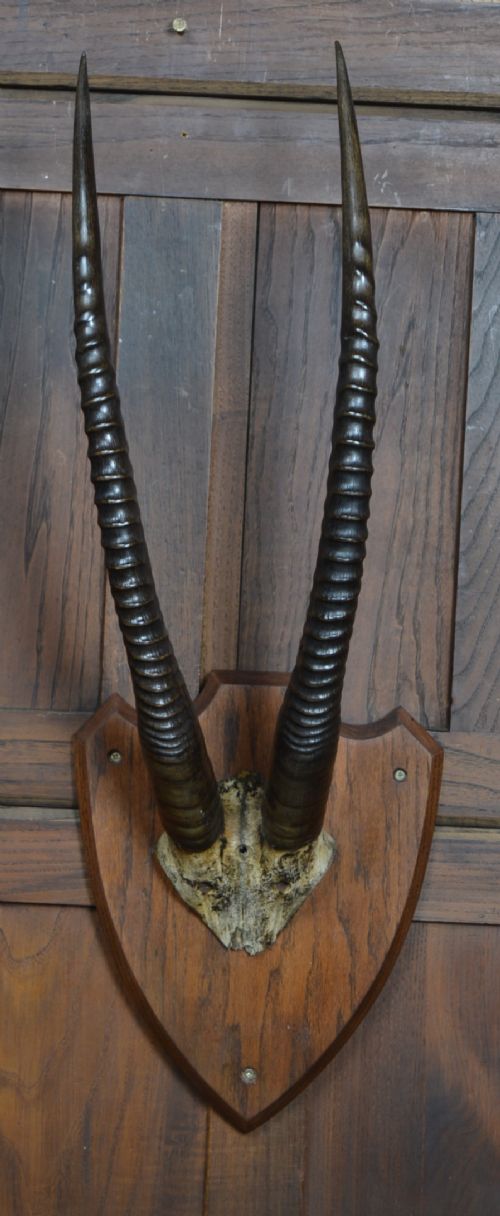
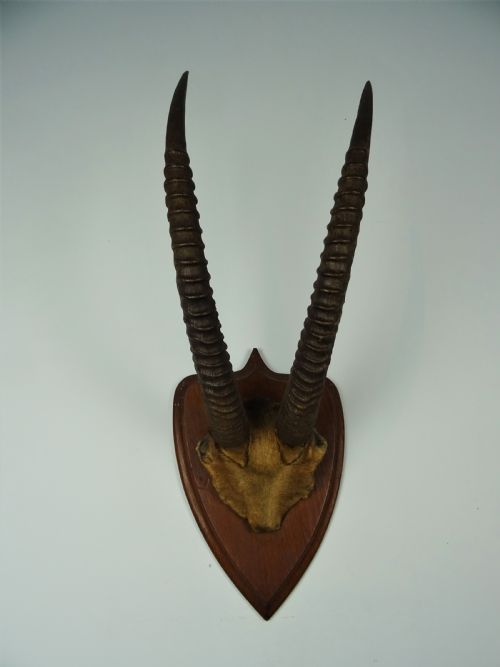
Victorian taxidermy horns encompass an array of wall decor, desk accessories, and floor-standing pieces collected during the nineteenth and early twentieth centuries. When you search for victorian taxidermy horns, you encounter mounted antlers, gazelle and antelope horns, buffalo trophies, and elaborate cattle horn arrangements.
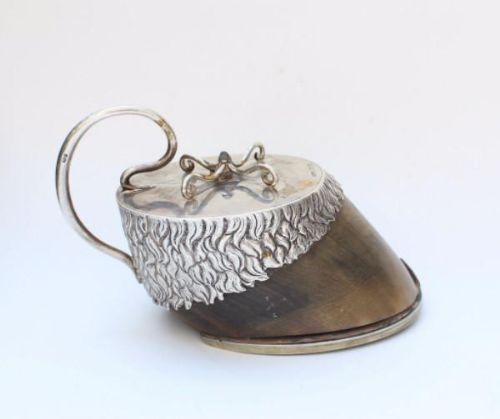
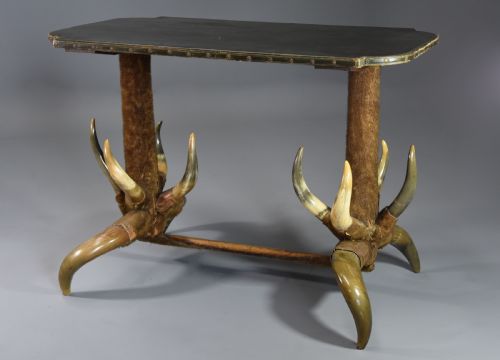
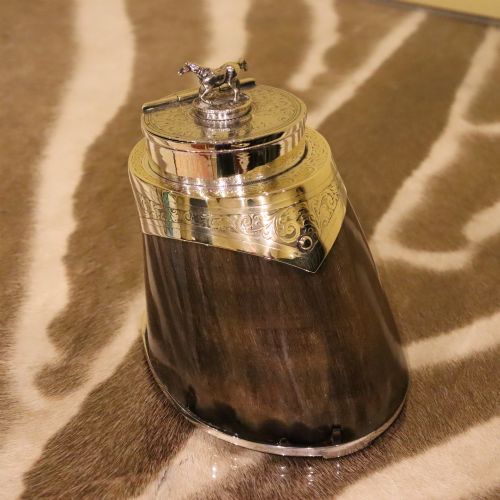
The selections span styles from Highland traditional and Victorian hunting to Edwardian sporting and Highland lodge aesthetics. You are likely to meet mounted pairs on wooden shields, hoof inkwells, and occasional tables fashioned entirely from natural horn.
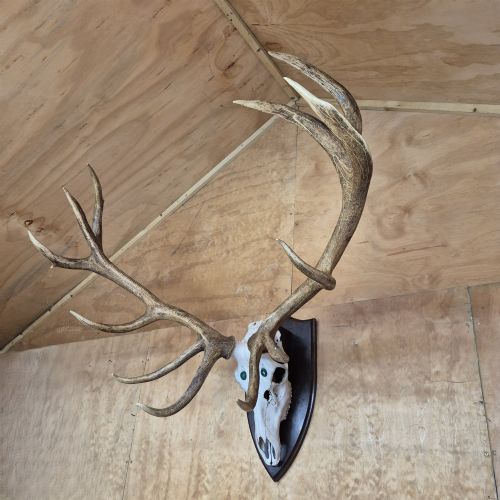
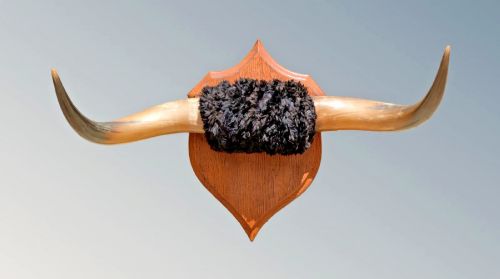
The forms range from single ram's horns and steer horns on oak shields to massive red deer antlers and Nile buffalo trophies. These items reflect a distinct period taste for natural history and sporting trophies used as interior decoration.
How they were made
Makers utilised natural horn, bone, hide, and fur mounted upon carved wood shields, frequently employing oak as a sturdy backing material. Metal mounts in brass and silver frequently secured horse hooves and horns to create functional desk accessories.
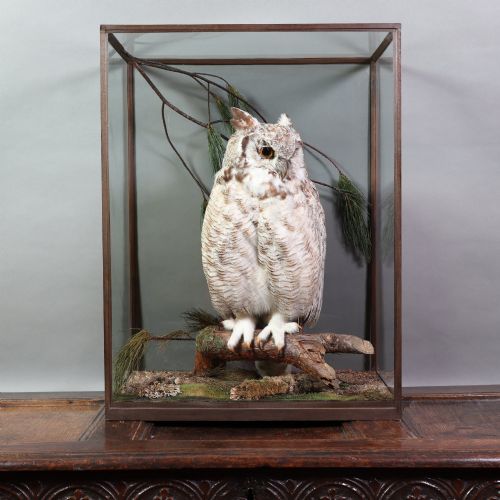
Taxidermists shaped animal materials using traditional mounting techniques, affixing horns and hooves to timber supports with visible hardware. Glass eyes featured in the preparation of full head trophies alongside preserved hide and fur.
Victorian Taxidermy Horns Retail Price Guide 2026
Typical asking prices for victorian taxidermy horns among the pieces listed under this phrase on Sellingantiques today, from the lower quarter to the upper quarter. They describe what is for sale here now, not the wider market.
The listings show pieces spanning the nineteenth century, the Edwardian era, and the early twentieth century, utilising horn, bone, oak, glass, and horse hoof.
What varies in quality
The distinction between ordinary pieces and exceptional examples rests in the scale and elaboration of the taxidermy work. Elaborate arrangements involving multiple horns, hooves, and carved wooden shields represent a higher tier of period craftsmanship.
The presence of documented workshop attribution elevates certain trophies above unsigned items. Condition of the natural materials, including the preservation of original hide, bone, and horn surfaces, dictates the standing of each piece.
Rowland Ward Ltd·Gerrard & Sons London·Edward Gerrard & Sons
The Victorian Taxidermy Horns Glossary
- Shield
- A carved wooden backplate, frequently made of oak, upon which horns and antlers are mounted for wall display. This backing provided a secure foundation for heavy trophies.
- Taxidermy trophy
- The prepared head, horns, or antlers of an animal displayed to commemorate a hunt or celebrate natural history. These objects served as prominent wall decor in country houses.
- Desk tidy
- A functional desk accessory incorporating animal hooves, horn, or bone to hold inkwells and writing implements. These items combined utility with Victorian natural history interests.
- Antlers
- The bony outgrowths shed and regrown annually by members of the deer family, mounted singly or as complete sets. Large examples are measured by their point count.
- Hoof mount
- The preserved lower leg and hoof of a horse or pony adapted into a paperweight or inkwell. Silver and brass mounts frequently adorned these desk pieces.
Victorian Taxidermy Horns: Frequently Asked Questions
How do I hang a heavy horn mount?
Heavy horn mounts require secure fixing directly into wall studs or the use of heavy-duty wall anchors suitable for the weight of the oak shield and horns.
Because nineteenth-century shields are substantial, professional installation ensures the piece remains safely supported on the wall.
Where were these pieces displayed originally?
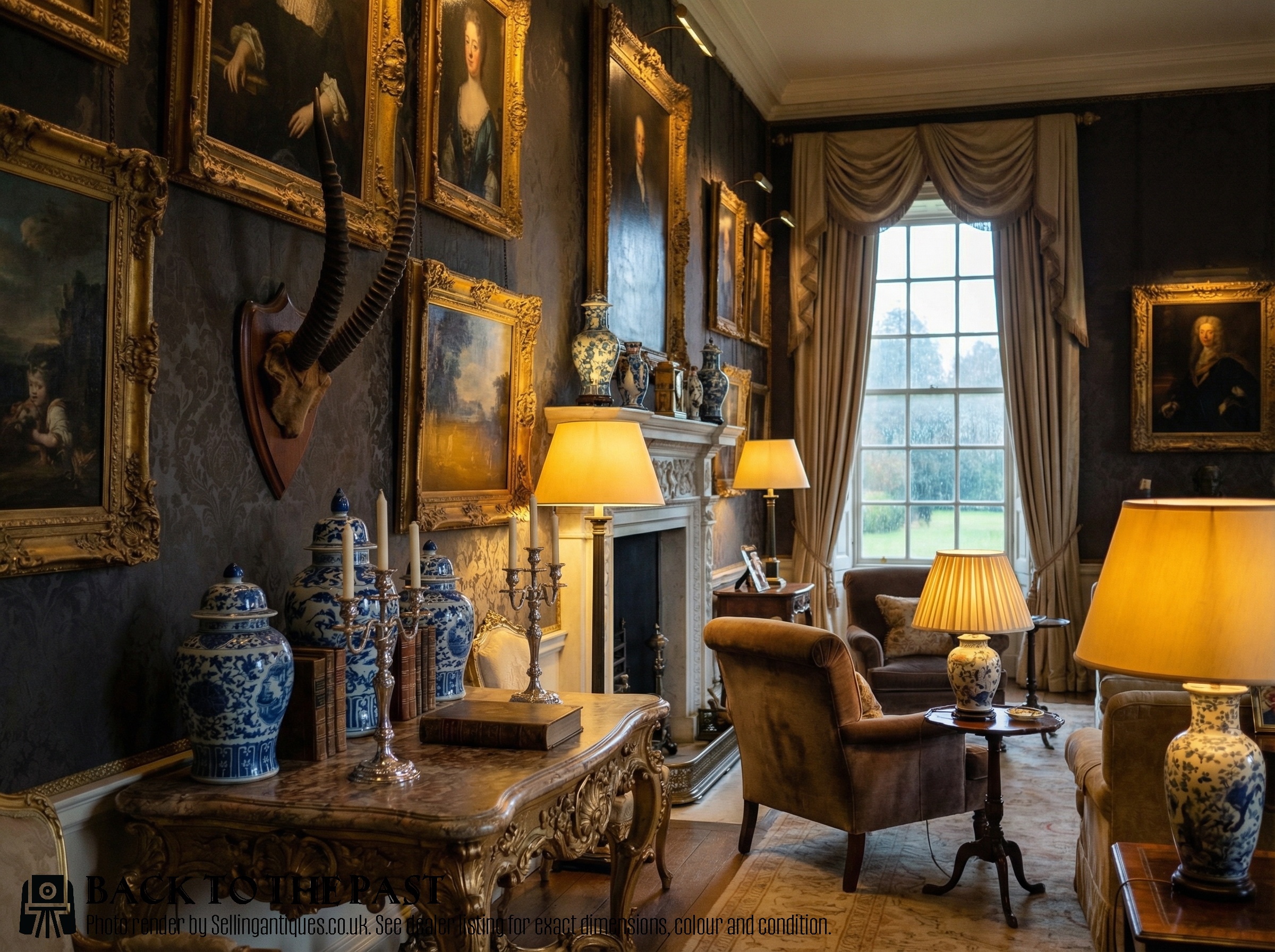
Victorian and Edwardian households placed these trophies in studies, entrance halls, and Highland lodges to reflect sporting pursuits and natural history interests.
They functioned both as decorative wall art and as practical items like desk tidies and inkwells.
How do I care for antique horn and hide?
Keep mounted horns and fur away from direct sunlight and damp conditions to prevent the natural materials from drying out or degrading.
Gentle dusting with a soft brush maintains the surface without disturbing fragile hair or bone structures.
How are different periods identified?
Makers marked certain pieces with taxidermy tags or inscriptions on the wooden shields, while construction methods and mounting styles offer clues to the era.
Pieces span the late nineteenth century through the Edwardian period and into the early twentieth century.