





Country House Trophy
A country house trophy brings the rugged spirit of the Scottish Highlands and British sporting tradition straight into your interior.
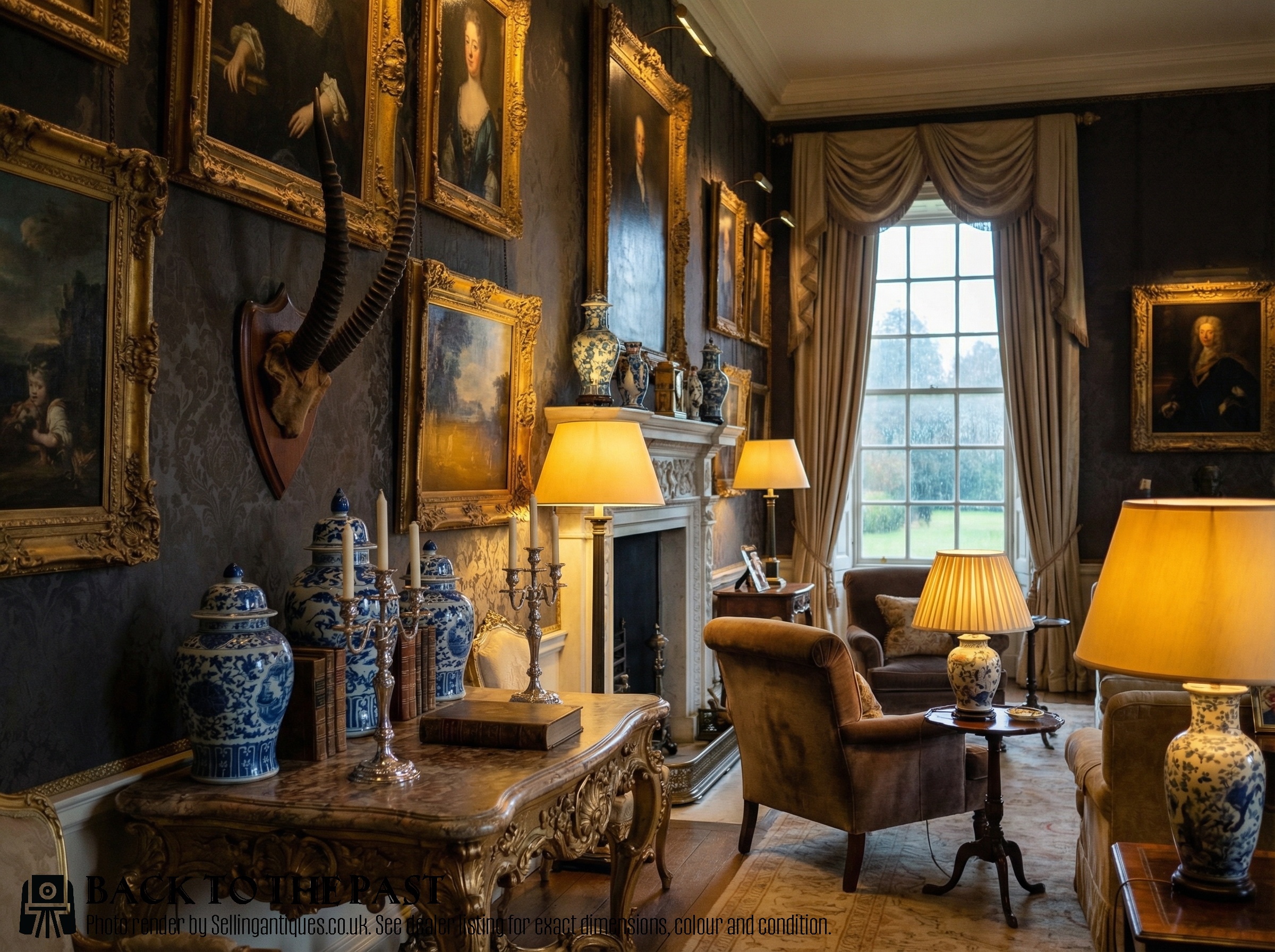
Country House Trophy
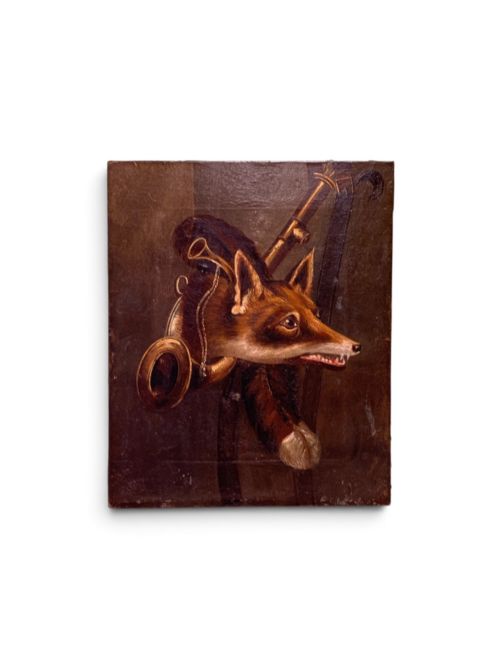
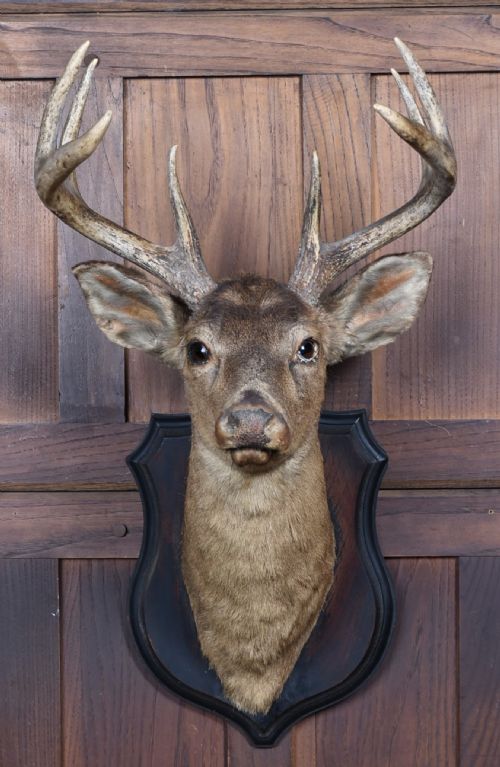
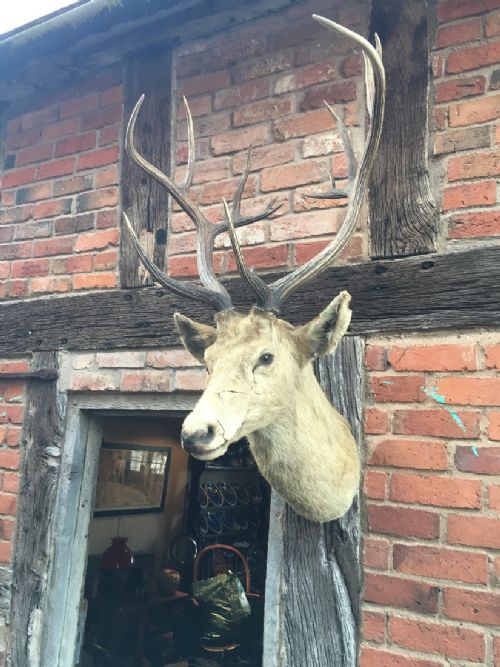
A country house trophy encompasses historic taxidermy mounts and sporting oil paintings that once adorned traditional Highland lodges and country estates. When you search for a country house trophy, you encounter preserved specimens ranging from mounted deer heads and roebuck on carved oak shields to otter and fox masks.
The pieces on this page span from the nineteenth century through the Edwardian era up to the mid-twentieth century. You will frequently find works associated with prominent taxidermists alongside oil paintings of foxes and table lamps fashioned from deer hooves.
These items reflect the pursuits of British sporting culture, capturing both the majesty of stags and the rustic charm of rural field sports. Each object serves as a tangible link to historic country house interiors and traditional lodge decoration.
How they were made
Makers utilised natural materials such as taxidermy hide, natural fur, bone, and antler, mounting specimens onto carved oak shields or wooden backings. Artisans also incorporated glass and oil on canvas for painted depictions of wildlife.
Taxidermists shaped the hides over constructed forms to achieve lifelike postures, whilst woodcarvers detailed the oak shields that support many of the wall mounts.
Country House Trophy Retail Price Guide 2026
Typical asking prices for country house trophy among the pieces listed under this phrase on Sellingantiques today, from the lower quarter to the upper quarter. They describe what is for sale here now, not the wider market.
Listings feature items spanning the nineteenth century, the Edwardian period, and the mid-twentieth century.
What varies in quality
The standard of taxidermy work and the renown of the workshop determine the distinction between specimens. Pieces bearing attribution to established taxidermists demonstrate superior anatomical accuracy and preservation of the hide and fur.
The execution of the supporting woodwork, such as intricately carved oak shields, and the artistic quality of associated oil paintings further separate standard examples from exceptional pieces.
Peter Spicer & Sons
The Country House Trophy Glossary
- Taxidermy Mount
- The art of preserving and displaying an animal's skin to replicate its lifelike form. These mounts form the core of sporting lodge collections.
- Carved Oak Shield
- A wooden backing board shaped like a shield, often embellished with carving, used to display animal heads on walls.
- Mask
- A taxidermy term specifically denoting the head and neck portion of an animal, commonly seen with foxes and otters.
- Roebuck
- A male roe deer, frequently preserved as a wall mount with its antlers intact.
Country House Trophy: Frequently Asked Questions
What is a country house trophy?
A country house trophy is a historic piece of taxidermy or sporting art, such as a stag head or oil painting, originating from British estates and lodges.
These items were traditionally displayed in country houses to celebrate rural pursuits and field sports.
Where were these taxidermy mounts displayed?
They were traditionally hung in the halls, libraries, and smoking rooms of British country houses and Highland lodges.
Today, they are used in interiors to create a rustic, traditional sporting aesthetic.
How do I date a taxidermy mount?
Dating relies on stylistic clues, mounting techniques, and sometimes inscriptions or signatures left by the taxidermist on the wooden backing.
Records and workshop labels help place pieces within the nineteenth or twentieth century.
What animals are commonly featured?
Common specimens include red deer stags, roebucks, foxes, and otters, reflecting traditional British wildlife.
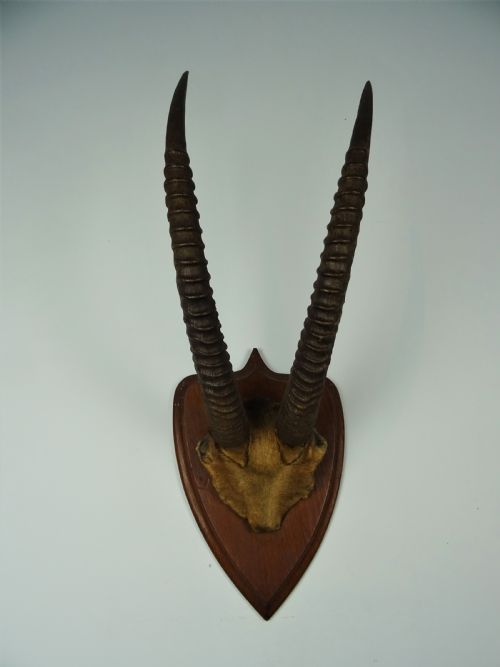
Antlers and horns also appear as standalone decorative pieces or incorporated into items like table lamps.