






Natural Horn Wall Decor
Natural horn wall decor brings the rugged presence of nineteenth and early twentieth century hunting lodges straight into modern rooms.

Natural Horn Wall Decor
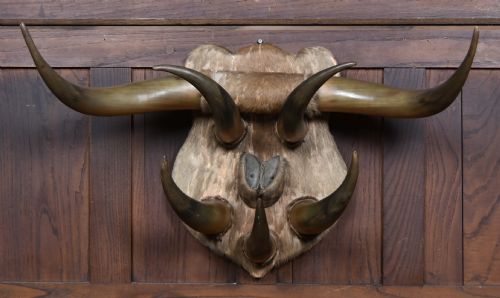
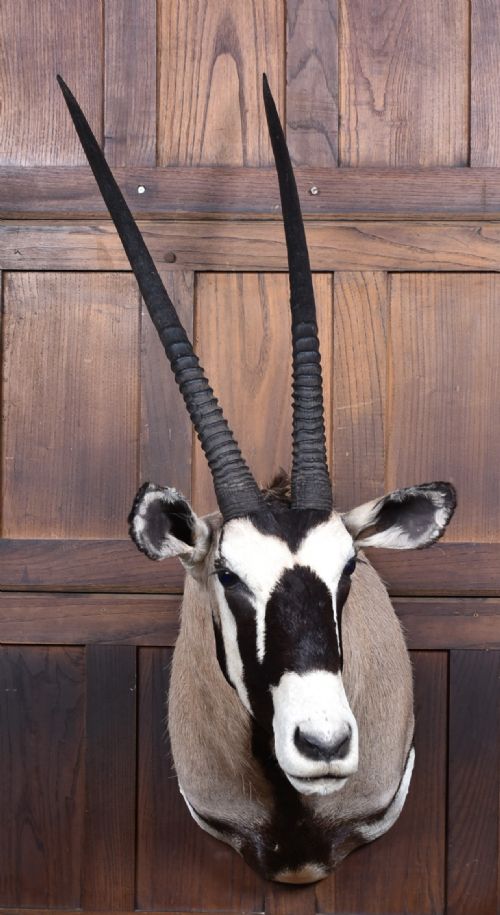
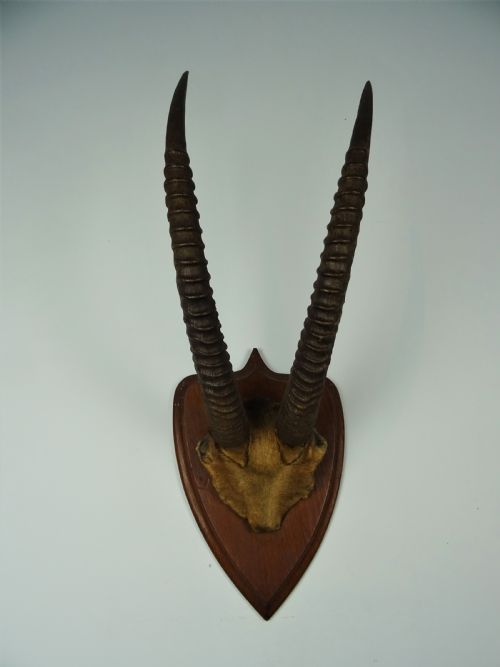
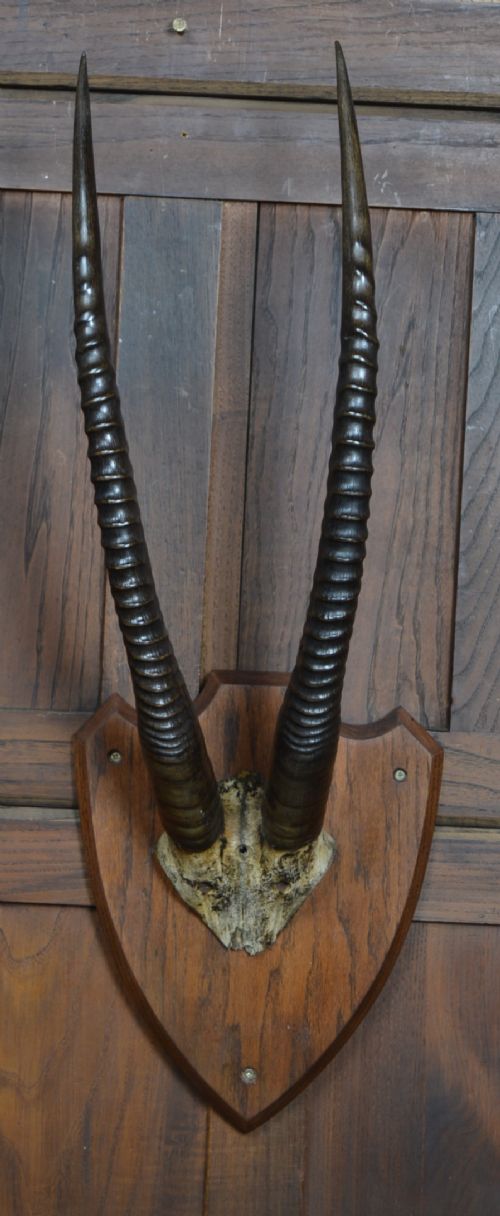
When buyers search for natural horn wall decor, they find taxidermy trophies and mounted mounts originating from the Victorian, Edwardian, and nineteenth-century periods. These items encompass gazelle trophies, red deer antlers, cattle horns and hooves, gemsbok, springbuck, ram's horns, bushbuck, sable antelope, koodoo, and oryx horns.
The pieces typically take the form of taxidermy mounts and trophies designed specifically for hanging on walls. Many examples feature horns or antlers secured to wooden shields, blending natural history with traditional lodge decoration.
Originating predominantly from Victorian and Edwardian sporting and natural history contexts, these artefacts reflect the aesthetic of Highland hunting lodges. The selection ranges from single sets of antelope horns to large sets of red deer antlers spanning over a metre across.
What varies in quality in natural horn wall decor
Quality rests in the symmetry, scale, and natural condition of the horns or antlers, alongside the craftsmanship of the wooden mount. Specimens showing complete sets, such as twelve-point red deer antlers or balanced gazelle horns, command attention.
The joinery of the carved shield and the historical integrity of the taxidermy preparation further divide standard examples from exceptional pieces. Work by documented firms demonstrates superior proportion and enduring structural stability.
Natural Horn Wall Decor Retail Price Guide 2026
Typical asking prices for natural horn wall decor among the pieces listed under this phrase on Sellingantiques today, from the lower quarter to the upper quarter. They describe what is for sale here now, not the wider market.
A twelve-point red deer set spans over a metre across, ensuring your guests will instantly notice who rules the living room.
Edward Gerrard and Sons
The Natural Horn Wall Decor Glossary
- Taxidermy
- The art of preparing, stuffing, and mounting the skins or horns of animals with lifelike effect. This practice forms the basis of all mounted trophies.
- Antler
- The deciduous bony appendage shed and regrown annually by members of the deer family. These branched structures serve as prominent wall trophies.
- Shield
- A carved wooden backplate shaped to support and display mounted horns or trophy heads. Oak and other dense timbers provide the structural foundation for hanging.
- Trophy
- An animal specimen or part preserved as a memento of a hunt or natural history collection. Such items define the Highland hunting lodge aesthetic.
- Mount
- A prepared animal part or full specimen arranged for display. Wall mounts utilise secure hardware embedded in wooden backing boards.
Natural Horn Wall Decor: Frequently Asked Questions
What periods do these pieces come from?
The available selection spans from the late nineteenth century through to the Edwardian period and the early twentieth century. Key eras represented include the Victorian period and the years leading up to nineteen twenty.
Stylistic cues such as carved oak shields and traditional taxidermy methods help distinguish these older pieces from later reproductions.
How should I clean natural horn mounts?
Dust horn surfaces gently with a soft, dry cloth to remove accumulation without damaging the organic material. Avoid liquid cleaners, harsh chemicals, or excessive moisture.
Keep the taxidermy mounts out of direct sunlight and away from heat sources to prevent the horn and hide from drying out or splitting.
What is the difference between horns and antlers?
Horns consist of a bony core covered in a permanent sheath of keratin, found on animals like antelopes, gazelles, and cattle. They are retained for life and continue to grow.
Antlers are composed entirely of bone, are grown and shed annually by deer species, and frequently feature branching points rather than a single curve.