

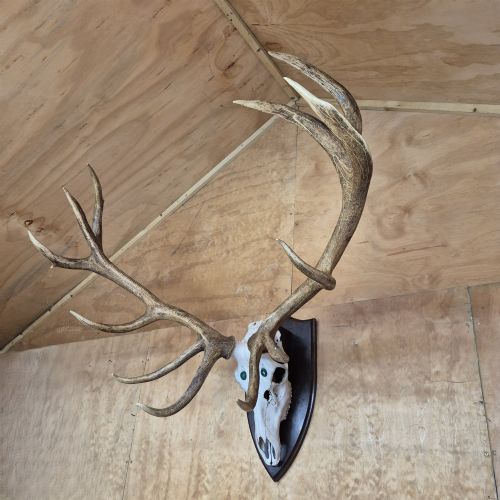


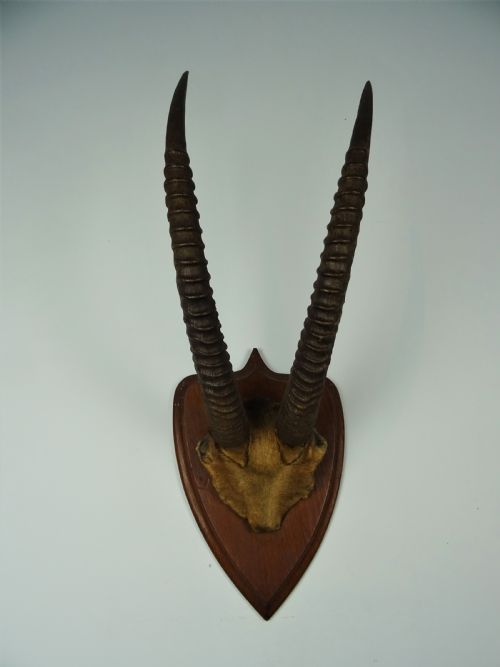
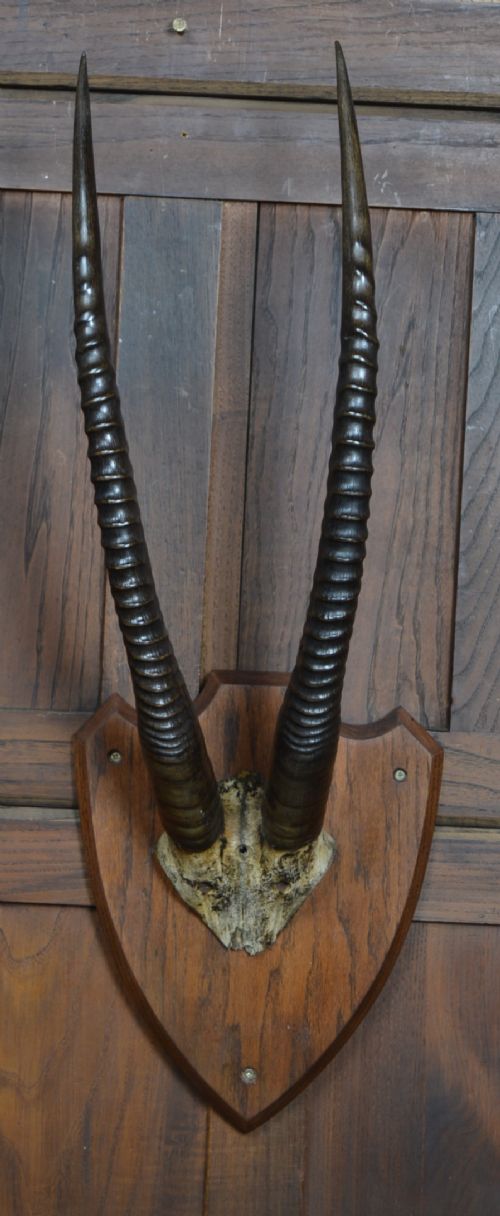


Dark Horn Trophy Mount
These dark horn trophy mount pieces bring robust natural history presence into a room, fashioned from genuine animal horns and taxidermy mounts.

Dark Horn Trophy Mount
When searching for a dark horn trophy mount, collectors encounter animal horn specimens and taxidermy mounts originating from the Victorian, Edwardian, and early twentieth century periods. The pieces on this page span styles such as Victorian Natural History, Highland Traditional, and Edwardian Sporting, reflecting the aesthetic preferences of hunting lodges and country houses.
Most examples take the form of wall decor and decorative objects, featuring mounted heads, horns, and antlers set against carved wooden shields or brass brackets. Common subjects include antelopes, gazelles, deer, and rams, anchored by natural horns and bone structures.
The selection represents historical taxidermy and natural history collecting, capturing the craftsmanship of nineteenth and early twentieth century preservation. Buyers find both complete trophy heads and individual horn sets mounted for display.
How they were made
Makers constructed these pieces using natural horn, bone, and fur, supported by wooden shields typically fashioned from oak. Taxidermists prepared the animal specimens and mounted the horns onto carved wooden backing boards designed for wall suspension.
Metal components such as brass mounts frequently secured the horns to their wooden supports, ensuring structural stability for heavy specimens like buffalo or red deer antlers. Natural hide and glass elements occasionally complemented the taxidermy work in complete head mounts.
Dark Horn Trophy Mount Retail Price Guide 2026
Typical asking prices for dark horn trophy mount among the pieces listed under this phrase on Sellingantiques today, from the lower quarter to the upper quarter. They describe what is for sale here now, not the wider market.
Some Victorian rams' horns were fitted with brass so they could double as particularly determined hallway umbrella stands.
What varies in quality
The distinction between average and superior examples rests on the symmetry of the horns, the complexity of the taxidermy work, and the carving detail on the wooden shield. Finer specimens display well-preserved natural surfaces and secure structural integration between the horn and its backing.
Condition of the organic materials dictates the standing of a piece, with well-maintained horn texture and intact fur or hide commanding greater appreciation. The quality of the original mounting hardware and the historical integrity of the taxidermy preservation further define the grade of each item.
Edward Gerrard and Sons
The Dark Horn Trophy Mount Glossary
- Taxidermy
- The art of preparing, stuffing, and mounting the skins of animals for display. This technique forms the foundation of most biological trophies.
- Antler
- A branching bony appendage shed and regrown annually by members of the deer family. These differ structurally from permanent horn.
- Shield
- A carved wooden backplate used to mount horns and trophy heads to a wall. Oak was a frequent choice for this structural support.
- Natural History
- The scientific study of animals and plants, which inspired the domestic display of specimens during the Victorian and Edwardian eras.
Dark Horn Trophy Mount: Frequently Asked Questions
How do I hang a heavy horn trophy?
These mounts require secure wall fixings, typically screwed directly into masonry or wooden wall studs due to the weight of the timber shields and natural horn.
Using appropriate wall anchors ensures the piece remains safely supported over time.
What periods do these trophies come from?
The available pieces originate from the Victorian and Edwardian eras, spanning the late nineteenth century through to the nineteen-twenties.
Stylistic cues and mounting techniques help identify these historical periods.
How should I clean natural horn mounts?
Dusting gently with a dry, soft brush is the safest method to maintain organic materials like horn, bone, and fur.
Avoid moisture and chemical cleaners, which can damage historic taxidermy and wooden shields.
How do I tell antlers apart from horns?
Antlers are made of bone and are typically branched, shed annually by deer species. Horns are permanent structures made of keratin over a bone core, found on animals like antelopes and rams.
This distinction helps identify the species and the natural history of the specimen.