


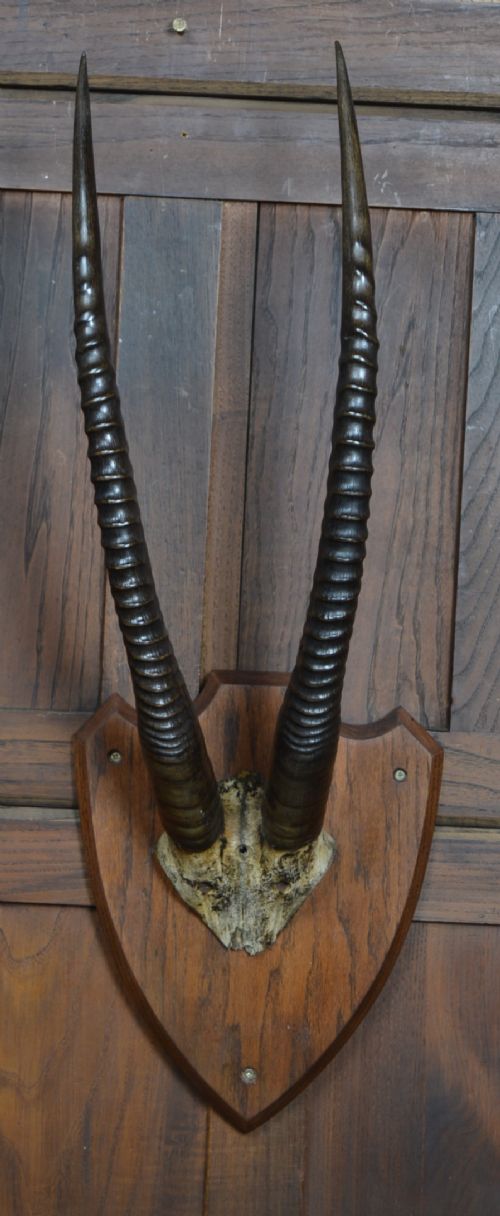


Natural History Trophy
A natural history trophy brings the scale and character of the nineteenth and early twentieth-century study room directly into a modern room.
Natural History Trophy
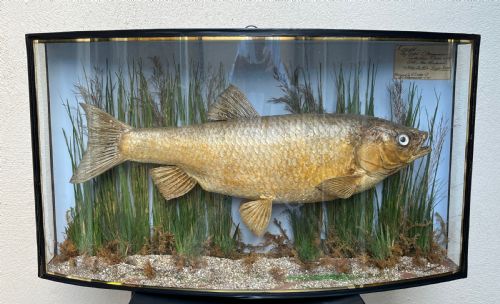
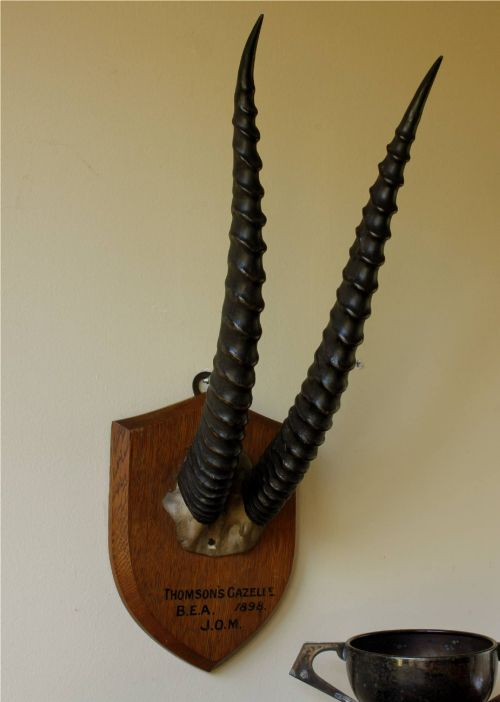
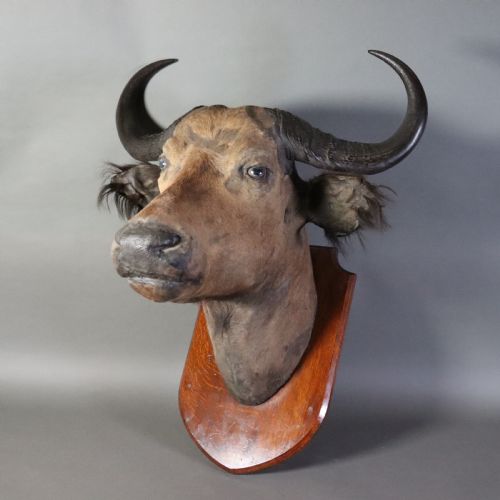
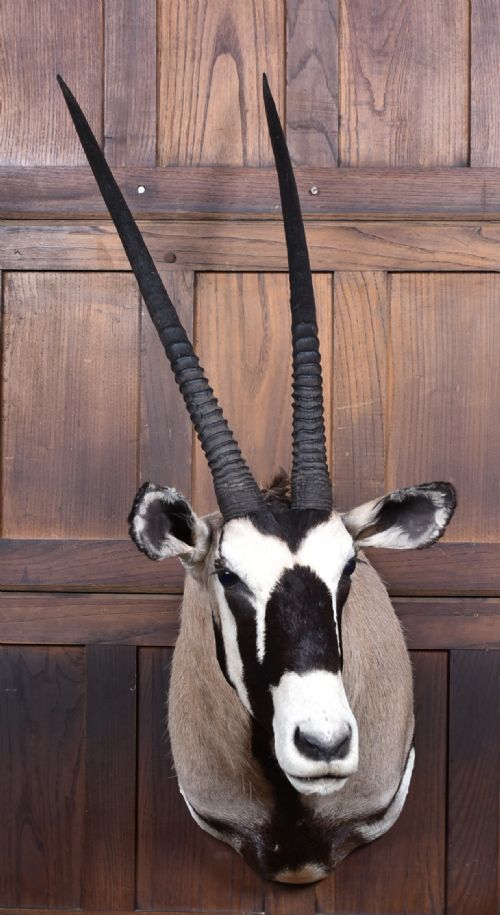
A natural history trophy captures the specimen mounting traditions of the Victorian and Edwardian periods, ranging from wall-mounted antelope heads to fish preserved in glazed display cases. These pieces include African and European game such as buffalo, gazelle, and roebuck, alongside mounted horns and complete fish specimens.
The objects recorded here span from the 1880s through the 1930s, encompassing styles identified with Highland hunting lodges and Victorian natural history cabinets. Wall mounts fixed to carved oak shields represent the most frequent format encountered on this page.
Makers such as Edward Gerrard and Sons, Little and Co, and Cooper and Sons dominate the record, anchoring these items in established taxidermy workshops of London and the provinces. Each piece reflects the methods used to document and display fauna during the height of the natural history collecting era.
How they were made
Taxidermists combined preserved hide and bone with timber backings, mounting heads upon carved oak shields or wooden panels designed for wall hanging. Horns and antlers were secured directly to wooden supports, whilst fish specimens were set within glass display cases painted to replicate aquatic environments.
Hide and taxidermy skin were treated and stretched over sculpted forms, complemented by glass eyes and detailed painted highlights on specimens like the Nile crocodile and various fish. Woodworking played an essential structural role, providing sturdy backings that allowed heavy trophies to be hung securely.
A preserved roach in a glass case from 1884 proves that nineteenth-century anglers took interior decoration just as seriously as big game hunters.
What varies in quality
Quality rests upon the skill of the taxidermist in rendering anatomical proportion and natural posture, distinguishing workshop output from domestic attempts. Established firms like Gerrard and Sons maintained high standards in skin preservation and sculptural form.
The preservation condition of the hide, horn, and glass case determines the integrity of the piece over time. Original mounting shields carved from oak also contribute to the distinction between standard specimens and finer examples.
Little and Co·Edward Gerrard and Sons·Cooper and Sons
The Natural History Trophy Glossary
- Taxidermy
- The art of preparing, stuffing, and mounting the skins of animals for display. This technique forms the basis of every trophy and specimen listed here.
- Shield
- A shaped wooden plaque, frequently carved from oak, used as a backing board for mounting animal heads on walls. These provide structural support and a decorative border for the trophy.
- Display case
- A glazed wooden enclosure designed to protect and exhibit delicate specimens such as fish. These cases often feature painted backdrops mimicking natural habitats.
- Antelope
- A diverse group of hoofed mammals providing many of the horned trophy heads seen in Victorian and Edwardian collections, including gazelle, springbuck, and gemsbok.
- Specimen
- An individual animal or part of an animal preserved for scientific or decorative study. This term applies equally to fish in cases and large mammal heads.
Natural History Trophy: Frequently Asked Questions
How do I hang a heavy trophy safely?
Wall mounts require fixing directly into wall studs or masonry using heavy-duty brackets rather than standard plaster fixings.
The substantial weight of oak shields and large horn assemblies demands secure structural support to ensure stability.
How should I clean taxidermy mounts?
Dusting requires a very soft brush or a cool hairdryer set to the lowest speed to remove particles without disturbing the hair or skin.
Water and liquid cleaning products must be avoided entirely, as moisture damages historical hides and paper backgrounds.
Are these pieces from the Victorian era?
The pieces span from the late Victorian period through the Edwardian era and into the 1930s.
Specific dates within titles, such as those from the 1880s and 1900s, indicate the exact period of creation or preservation.
What is the difference between horns and antlers?
Horns are permanent structures made of keratin grown over bone cores, found on animals like gazelles, buffalo, and rams.
Antlers are made of solid bone and are shed annually by species such as deer and roebuck.