


Taxidermy Mounted Horns
Taxidermy mounted horns bring the raw architecture of the natural world indoors, offering striking wall trophies and desk accessories from past centuries.
Taxidermy Mounted Horns
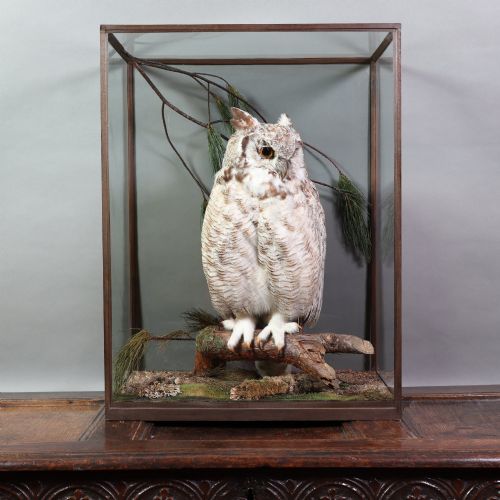
When you search for taxidermy mounted horns, you encounter a specialised selection of natural history pieces designed for interior display. These items encompass wall trophies, mounted antlers, skull displays, and horn arrangements dating from the Victorian and Edwardian eras.
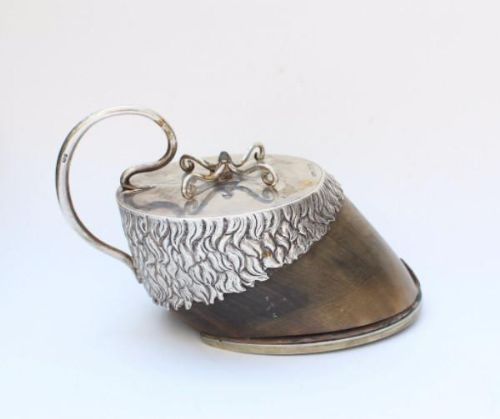
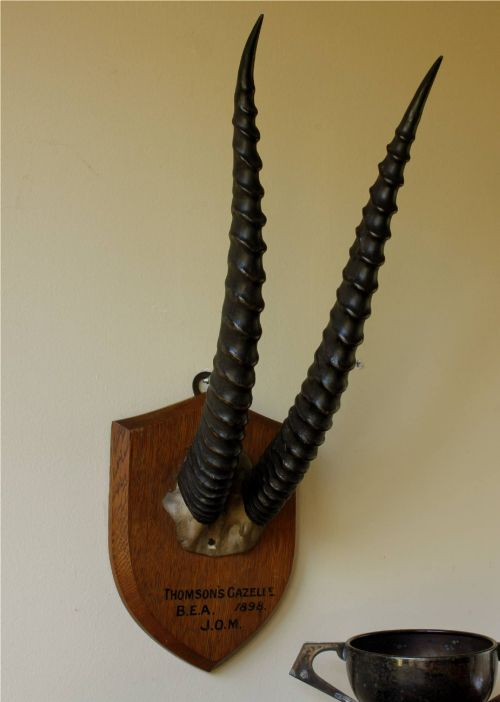
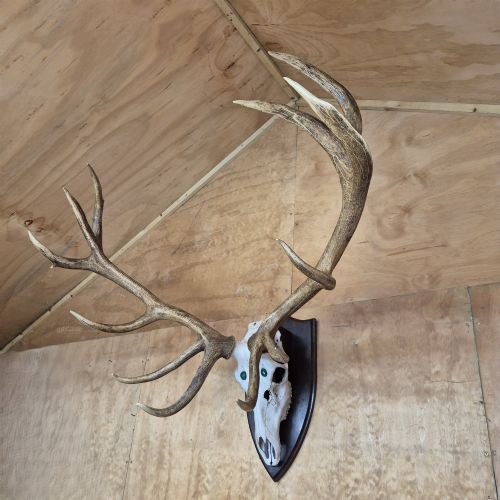
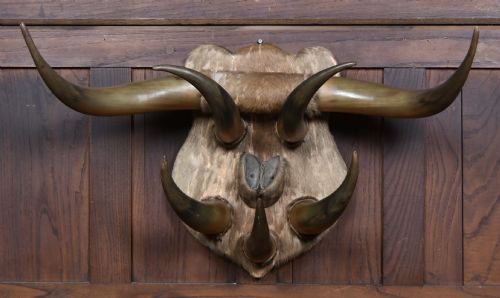
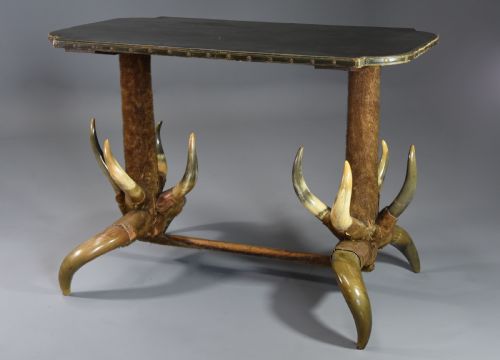
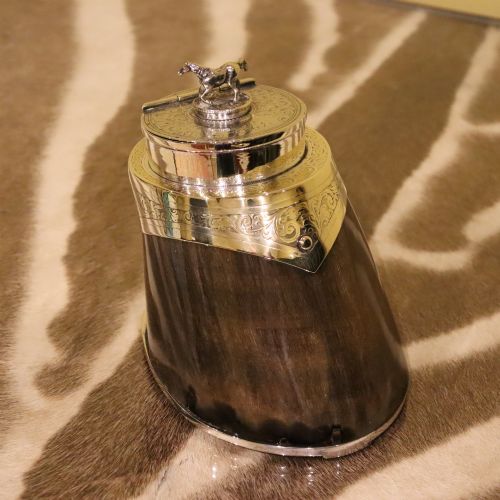
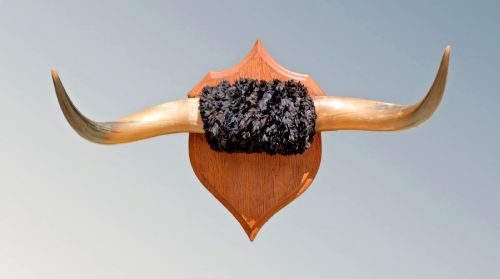
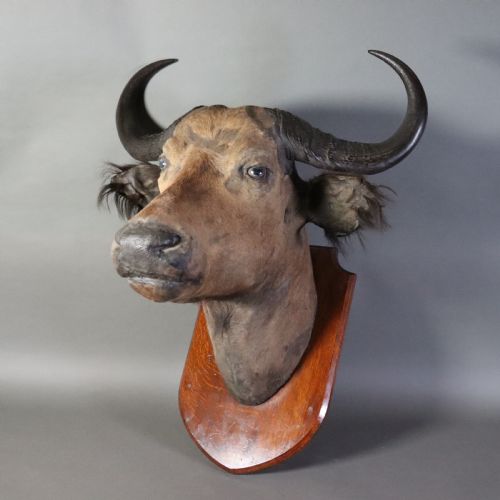
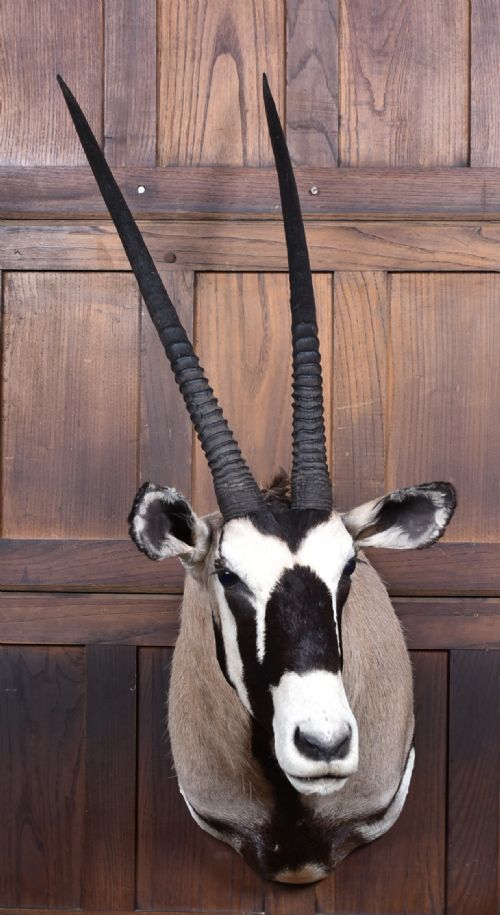
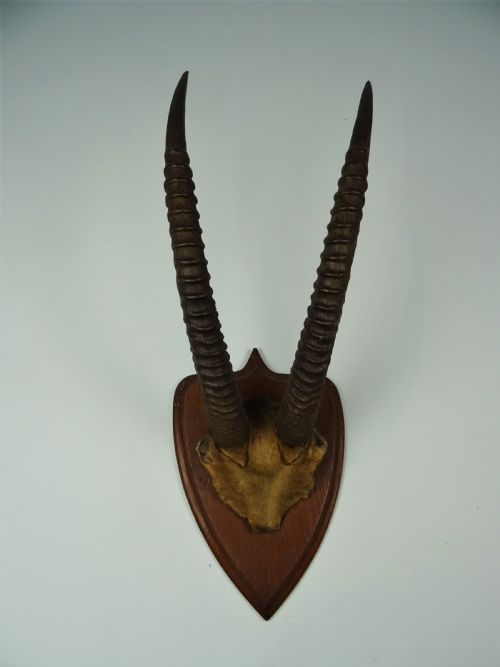
The objects on this page range from grand red deer antlers and African antelope trophies to cattle horn arrangements and horse hoof desk accessories. Common forms include shields bearing steer horns, gazelle trophies, and functional items like inkwells formed from hooves.
Originating predominantly from late nineteenth and early twentieth-century workshops, these pieces reflect period tastes for natural history collection and country house decor. Highland traditional styles and Victorian hunting aesthetics dominate the selections available.
How they were made
Taxidermy mounted horns rely on the natural durability of horn, bone, and hide combined with structural wooden mounts and shields. Oak serves as a frequent backing material, providing a sturdy foundation to support heavy antlers and horns.
Makers shaped and polished the horn surfaces, mounting them onto carved wooden shields using metal fixings concealed behind the skull plate or hide. Foot and hoof items incorporate brass and silver mounts, adding functional collars and hinged lids for desk use.
Listings span periods from the nineteenth century through the nineteen-twenties, featuring materials such as oak, horn, bone, and silver-mounted horse hooves.
What varies in quality
The distinction between ordinary and exceptional pieces rests upon the symmetry of the horns, the taxidermist's skill in preparation, and the quality of the supporting woodwork. Master workshops ensured the natural contours of the skull and hide remained secure and stable over decades.
Provenance and documentation elevate certain pieces, particularly those bearing the stamps or labels of established natural history firms. The artistry of the carved wooden shield and the integration of precious metal mounts further differentiate standard domestic items from elite specimens.
Rowland Ward Ltd·Gerrard and Sons London·Edward Gerrard and Sons
The Taxidermy Mounted Horns Glossary
- Taxidermy mount
- The preserved skin, horns, or skeletal elements of an animal prepared and fixed to a backing for display. This technique preserves anatomical structure for scientific study or interior decoration.
- Shield
- A shaped wooden plaque, often carved, used as a wall-mounting base for antlers and horns. Oak is a common timber utilised for this purpose.
- Trophy
- An animal head, horns, or antlers preserved and mounted to commemorate a hunt or natural history collection. These items frequently date from the Victorian and Edwardian periods.
- Desk tidy
- A functional desk accessory arranged to hold inkwells, pens, or paperweights, often utilising horse hooves or smaller horns. They combine taxidermy elements with metalwork components.
- Skull plate
- The portion of the cranium retained with antlers or horns to ensure structural stability when mounted. This bone section anchors the specimen securely to its wooden backing.
Taxidermy Mounted Horns: Frequently Asked Questions
How do I hang heavy mounted horns securely?
Heavy taxidermy mounts require substantial fixings screwed directly into wall studs or masonry using appropriate wall anchors. The weight distribution relies entirely on the strength of the wooden shield and the primary hanging bracket.
Ensure the mounting wire or bracket attached to the back matches the total weight of the timber and horns before installation.
What materials make up these desk accessories?
Desk accessories typically combine natural animal materials like horse hooves, hide, and bone with carved wooden bases. Metal elements such as brass and silver frequently appear as hinged lids, collars, and inkwell inserts.
These combined mediums reflect period craftsmanship from the Victorian and Edwardian eras, uniting utility with natural history.
How can I tell a Victorian mount from a later piece?
Victorian pieces often display distinct taxidermy methods, heavier oak shields, and specific mounting hardware characteristic of nineteenth-century workshops. The style of taxidermy and the presence of period trade labels help establish the era.
Materials and construction techniques align with the specific decades spanning from the eighteen-eighties through to the nineteen-twenties.
How do I clean antique taxidermy horns?
Dust horns gently with a soft, dry cloth or a very soft brush to remove surface particles without damaging the natural material. Avoid using water, chemical sprays, or cleaning solvents on the horn, hide, or wooden mounts.
Keeping pieces away from direct sunlight and damp environments prevents the horn and wood from drying out or cracking over time.