






Dark Brown Horns
Dark brown horns are striking natural history and folk art objects that bring rustic texture and historical character to any interior.
Dark Brown Horns
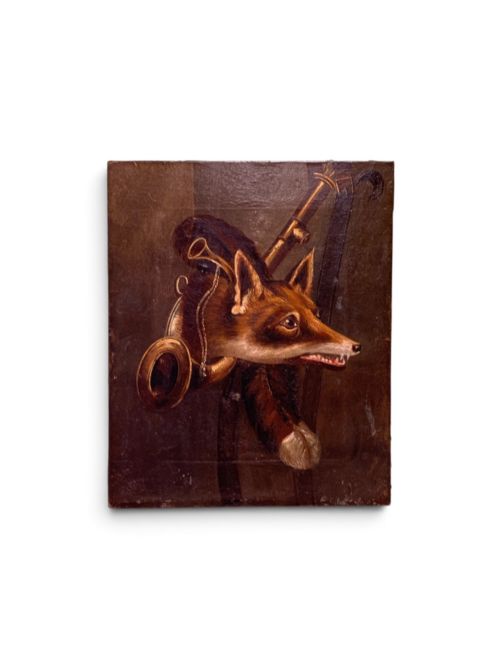
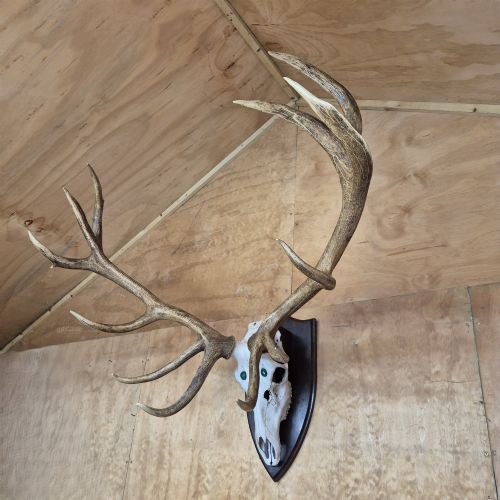
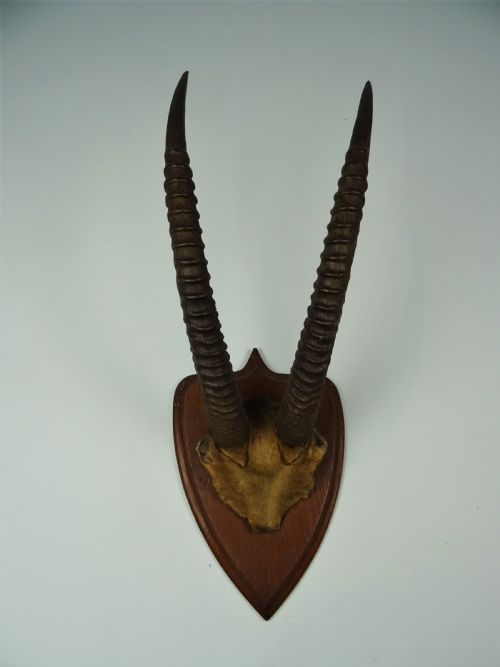
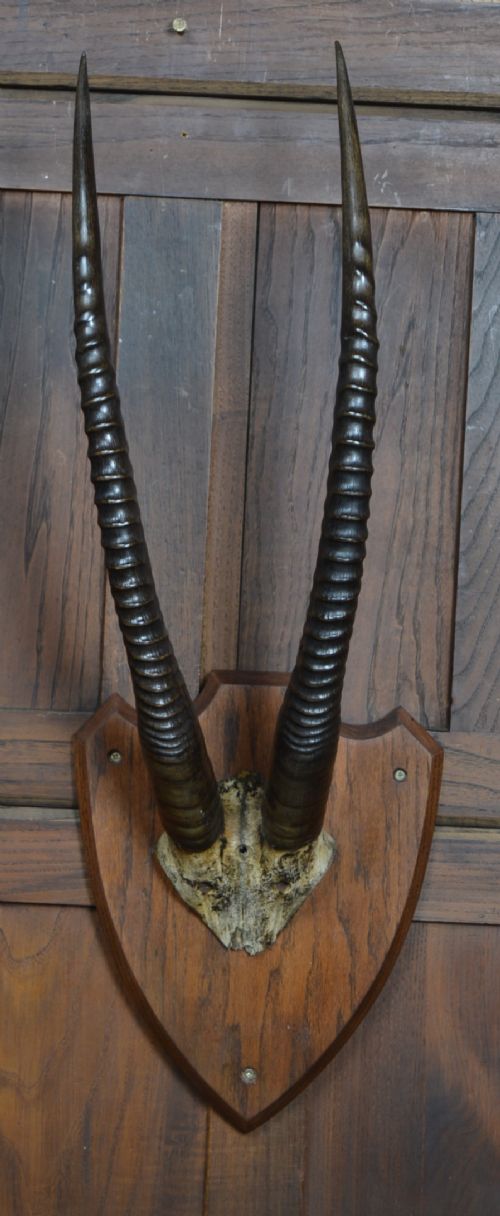
Dark brown horns encompass a diverse selection of taxidermy mounts, hallstands, walking sticks, and carved vessels originating from the nineteenth and early twentieth centuries.
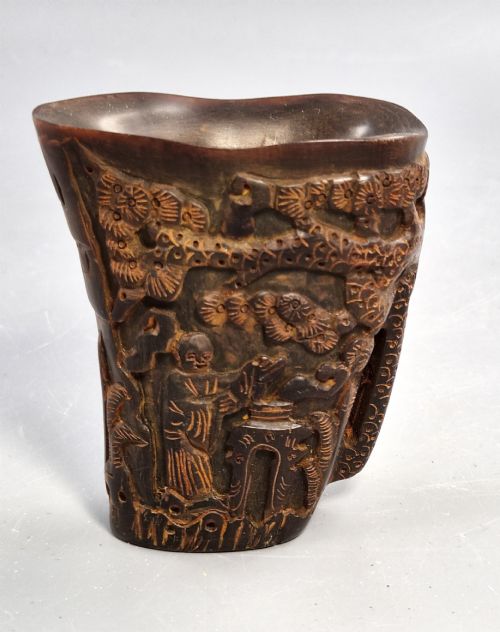
The objects found here range from mounted red deer antlers and ram's horns to carved libation cups, snuff boxes, and powder horns utilising horn alongside bone, wood, and brass.
Victorian country house and Highland traditional aesthetics dominate these pieces, reflecting a period passion for natural history and sporting trophies.
Materials and construction
Natural horn, antler, and bone form the structural core of these pieces, often paired with rosewood, oak, linden wood, and coconut shell.
Carving, pressing, and taxidermy mounting techniques transform raw animal materials into functional hallstands, walking sticks, and decorative objects.
Assessing quality
Quality rests upon the crispness of the carving, the symmetry of the natural mounts, and the integrity of the underlying organic material.
Stronger examples display deliberate craftsmanship, such as intricate figural carving on libation cups and snuff boxes, or robust structural joinery on hallstands.
The Dark Brown Horns Glossary
- Libation cup
- A ceremonial cup, often carved from rhinoceros or water buffalo horn in Asian art traditions. These vessels typically display detailed figural scenes and natural motifs.
- Snuff box
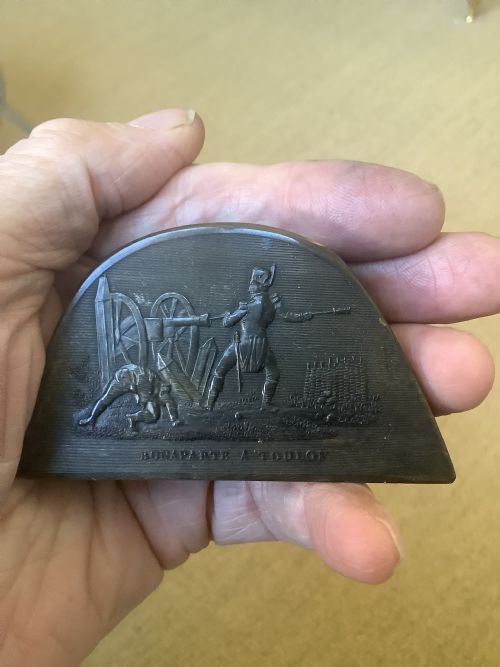
- A small container for holding powdered tobacco, frequently pressed or carved from horn into imaginative shapes. Napoleonic bicorn hat designs represent a notable subset of these items.
- Bug bear flask
- A carved coconut shell flask, historically fashioned by sailors or folk artists using organic materials. They often feature naive maritime or patriotic engravings.
- Hallstand
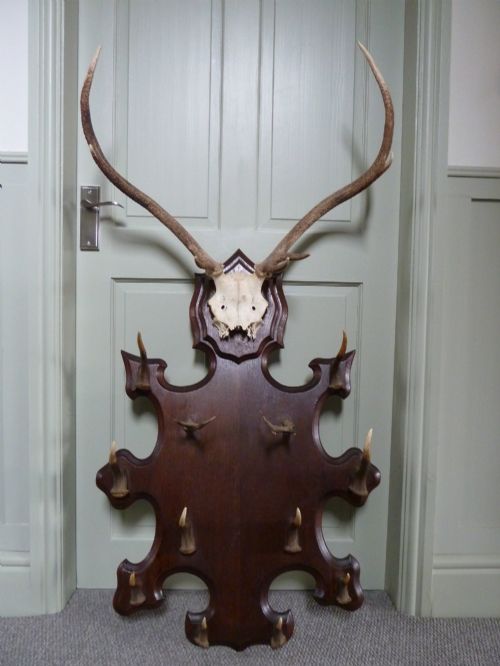
- A large piece of furniture designed for coats, hats, and umbrellas, frequently constructed from deer antlers and wood in Victorian country houses. These items combine practical utility with rustic display.
- Taxidermy mount
- The preserved skin or horns of an animal prepared for display. These pieces capture nineteenth-century natural history and sporting traditions.
Dark Brown Horns: Frequently Asked Questions
How do I clean dark brown horns?
Dust organic materials gently with a dry, soft cloth to prevent surface damage. Avoid water, harsh chemicals, or direct sunlight, which can dry out and crack historical horn and bone.
Maintain a stable indoor humidity level to preserve the structural integrity of both the organic horn and any mounted wooden backing shields.
Are these pieces from the Victorian era?
Many of these items date from the nineteenth century, including Victorian country house pieces and folk art objects. Other examples extend into the Edwardian period and the early twentieth century.
Review the specific date assigned to each individual listing to determine its exact period of origin.
How were horn walking sticks used?
Walking sticks and canes served as fashionable accessories for daily promenades during the nineteenth and early twentieth centuries. Some variants also incorporated concealed blades as sword sticks.
Craftsmen often combined horn handles with malacca or rosewood shafts to create durable supports for everyday use.
What is a powder horn?
Powder horns functioned as portable containers for carrying gunpowder used in firearms. They were shaped from cattle or buffalo horns and fitted with stoppers for secure access.
Carved examples from the eighteenth and nineteenth centuries frequently display scrimshaw artwork or ownership initials.