


Victorian Tabletop Chest Drawers
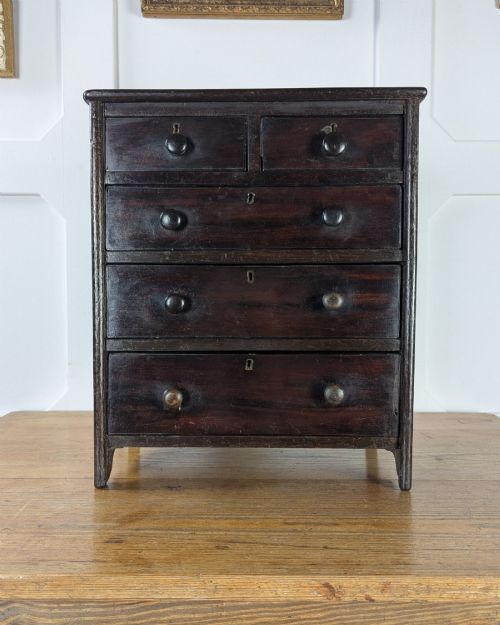
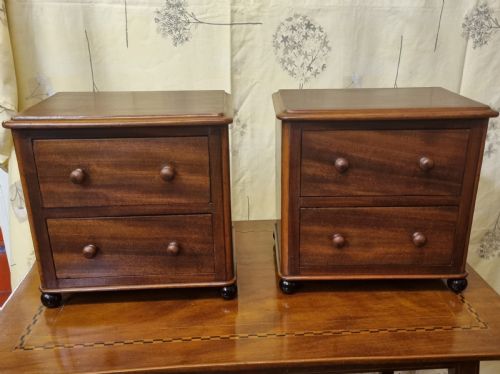
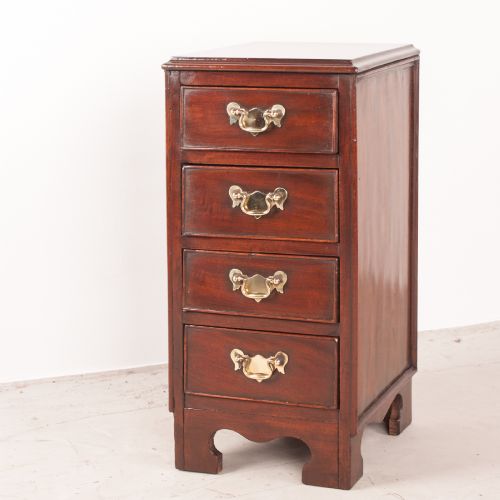
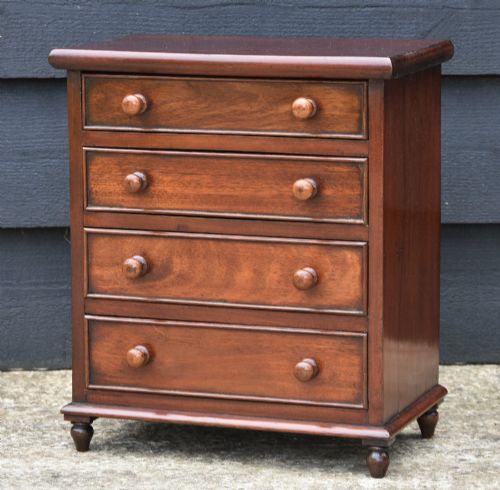
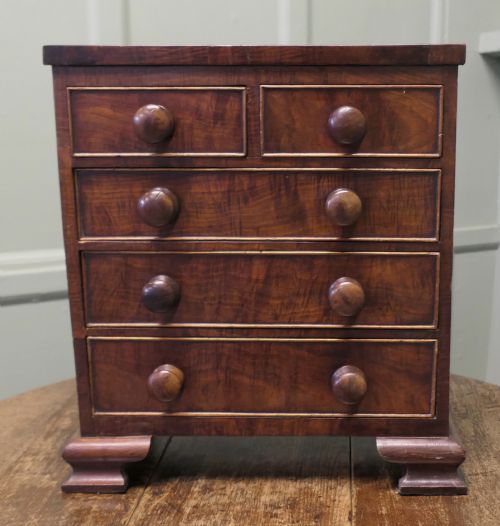
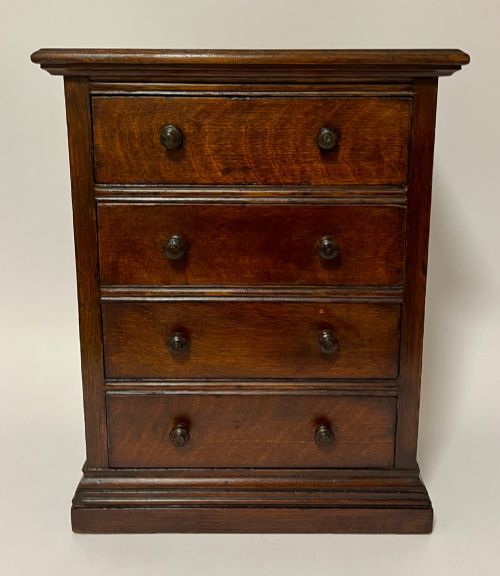
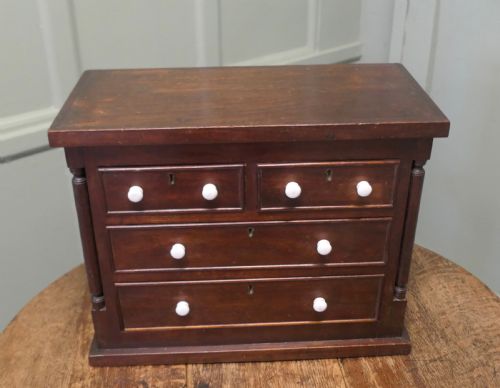
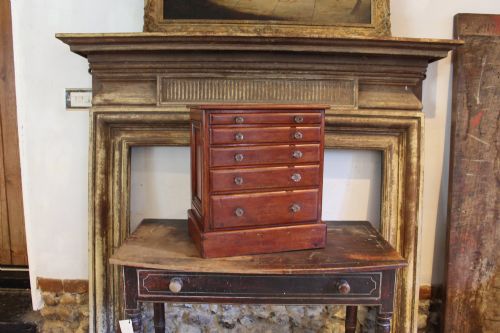
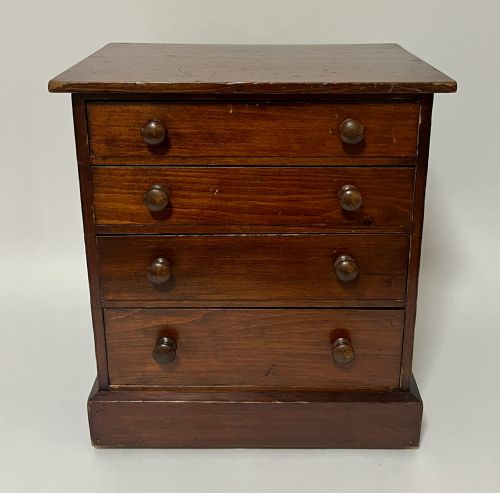
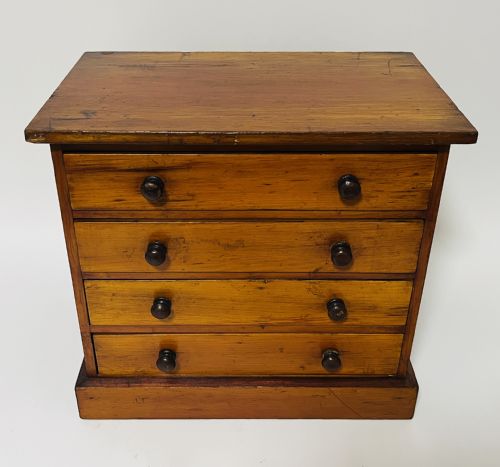
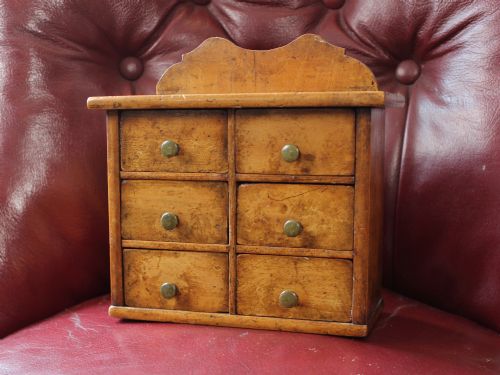
These victorian tabletop chest drawers are compact pieces of miniature furniture designed for desktop storage and delicate collections.
Victorian Tabletop Chest Drawers
Victorian tabletop chest drawers appear in various miniature forms, including apprentice pieces, spice drawers, and dedicated collectors cabinets. Most examples originate from the nineteenth century, spanning periods from early Victorian work to later Edwardian variations.
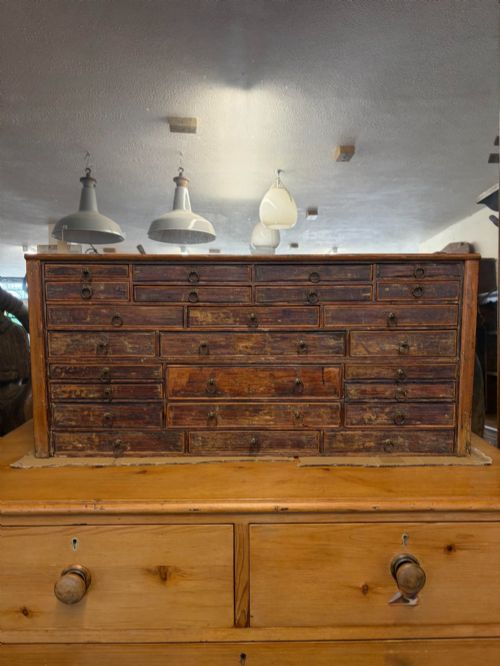
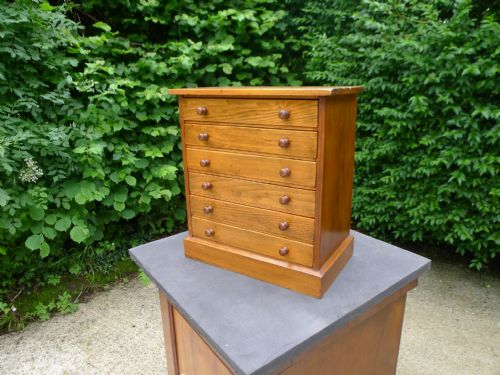
The primary forms seen on this page range from small mahogany trinket chests to multi-drawer specimen cabinets and microscope slide cases. Buyers frequently encounter pieces constructed to hold small treasures, jewellery, or natural history items upon a table surface.
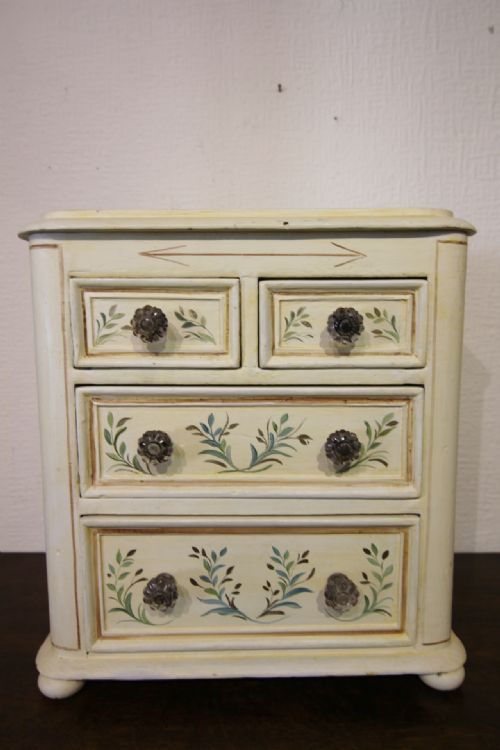
Makers produced these smaller chests in diverse regional styles, encompassing simple country pine storage alongside refined bowfront mahogany or figured oak designs. Each variant serves a distinct organisational purpose while maintaining the proportions of full-scale furniture.
Materials and Construction
Cabinet makers utilised dense hardwoods such as mahogany, walnut, oak, and fruitwood for finer miniature chests, frequently employing polished finishes to highlight the grain. Softer woods like pine received paint or stain treatments for utilitarian storage and country house applications.
Construction details often include brass handles, bone escutcheons, mother-of-pearl inlay, and glass panel doors for specimen visibility. Secret drawers and lockable mechanisms reveal the intricate joinery required to scale down standard furniture into portable desktop formats.
The listings on this page demonstrate nineteen-century origins spanning mahogany, oak, pine, and fruitwood materials.
Standard and Execution
The standard of a miniature chest rests upon the crispness of the drawer joints, the symmetry of the timber grain, and the preservation of original hardware. Finer examples display meticulous attention to proportion, smooth drawer action, and unblemished polished surfaces.
Simpler pine or painted items rely on honest country construction and utilitarian charm rather than cabinet-making flourishes. Quality reveals itself in how cleanly the miniature scale reflects full-size architectural and stylistic conventions of the period.
Luxmore's of Ilfracombe
The Victorian Tabletop Chest Drawers Glossary
- Apprentice piece
- A small-scale item demonstrating a craftsman's skill before gaining full trade status. These miniature chests often mirror standard furniture designs in every detail.
- Collector cabinet
- A specialised desktop piece containing multiple shallow drawers for housing specimens, coins, or small objects. They frequently feature secure doors or glass panels.
- Bowfront
- A curved convex front profile popular in nineteenth-century furniture design. This shape softens the corners of miniature mahogany chests.
- Specimen cabinet
- A designated storage chest built for scientific or natural history collections. Interiors typically contain numerous small drawers tailored for systematic organisation.
Victorian Tabletop Chest Drawers: Frequently Asked Questions
What were miniature chests used for?
These small chests served multiple domestic and professional purposes, from storing jewellery and trinkets to housing watchmaker tools. Many functioned as desktop storage for letters or sewing accessories in Victorian households.
Larger variations with numerous shallow compartments were specifically built as specimen cabinets for naturalists or doctors. They allowed orderly storage of delicate items like microscope slides or botanical samples.
How do I date a tabletop chest?
Dating relies on identifying timber choices, construction techniques, and stylistic markers consistent with nineteenth-century furniture. Mahogany and rosewood dominate early and mid-Victorian pieces, whilst later examples incorporate oak or stained pine.
Hardware details such as brass pulls, escutcheons, and the presence of dovetail joints further clarify the period of manufacture. Surviving labels or maker signatures occasionally provide direct confirmation of the origin.
Are these genuine apprentice pieces?
Many nineteenth-century miniature chests carry the traditional description of apprentice pieces, though historians debate whether most were practice items or commercial novelties. Commercial miniature furniture was widely produced for domestic display and miniature room settings.
Regardless of workshop origin, authentic period pieces display genuine nineteenth-century joinery methods and material ageing. The quality of construction usually indicates whether the item was a serious test of skill or standard workshop production.
How should I care for antique wood?
Keep wooden tabletop chests away from direct sunlight and heat sources to prevent timber warping and finish cracking. Consistent indoor humidity helps preserve fragile veneers and prevents the shrinking of small drawers.
Apply occasional suitable wax polish to nourish hardwood surfaces and maintain the patina developed over the centuries. Avoid harsh chemical cleaners that can strip original finishes and brass patination.