


Victorian Table Vases
Victorian table vases bring decorative brilliance to interior spaces through coloured glass, porcelain, and metalwork.
Victorian Table Vases
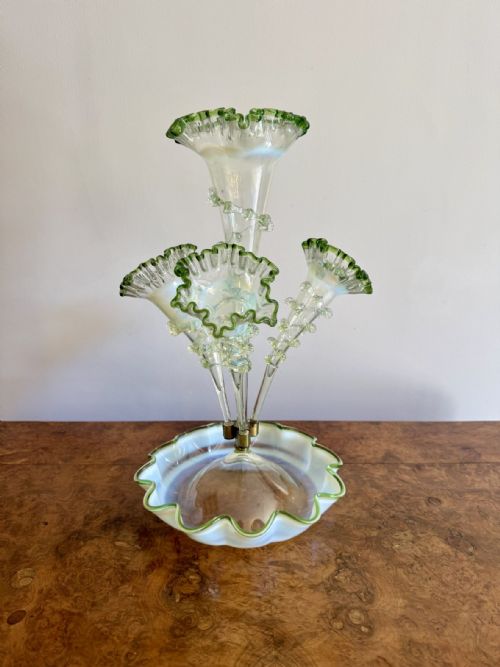
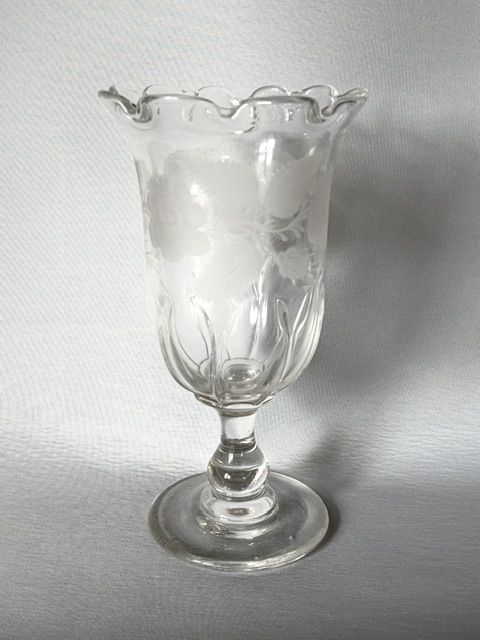
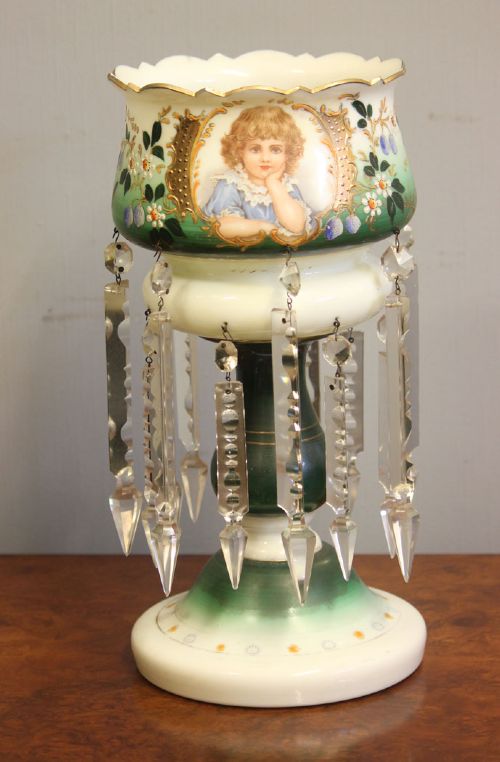
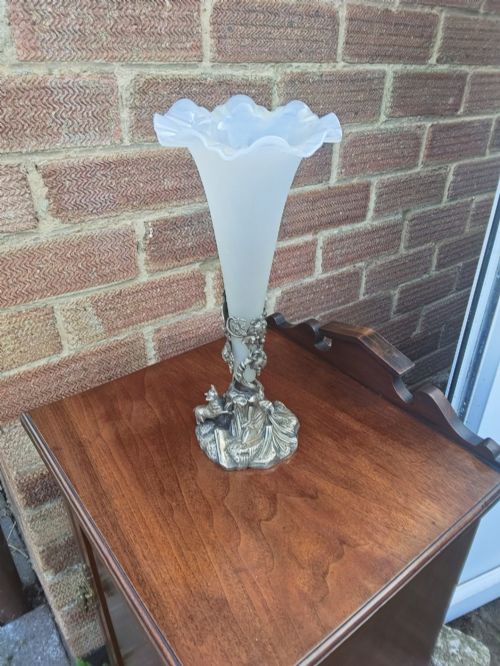
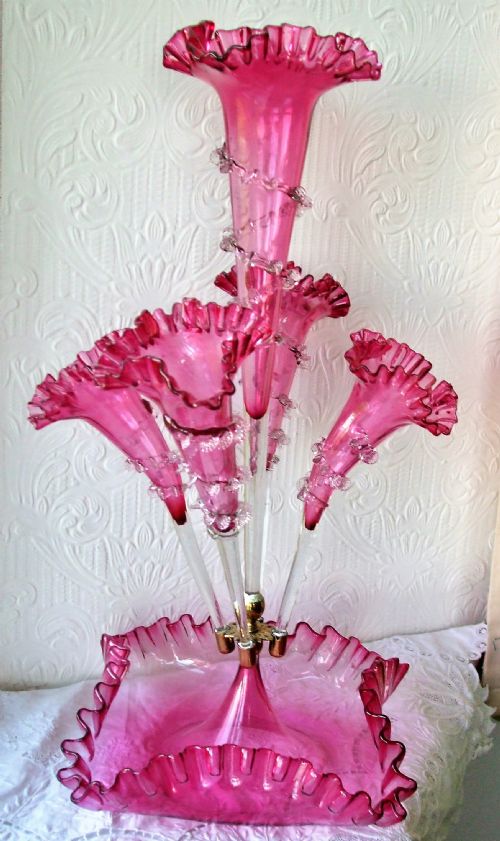
Victorian table vases encompass an array of decorative vessels designed for dining tables, mantels, and sideboards during the nineteenth century. The selection ranges from multi-trumpet glass epergnes and ruby glass lustres to hand-painted porcelain and silver-plated posy holders.
Makers and manufacturers of the period utilised diverse global influences, resulting in styles that stretch from French Rococo Revival and Chinoiserie to early Arts and Crafts expressions. Buyers frequently encounter cranberry and uranium glass pieces alongside ceramic works originating from English and continental potteries.
Materials and Construction
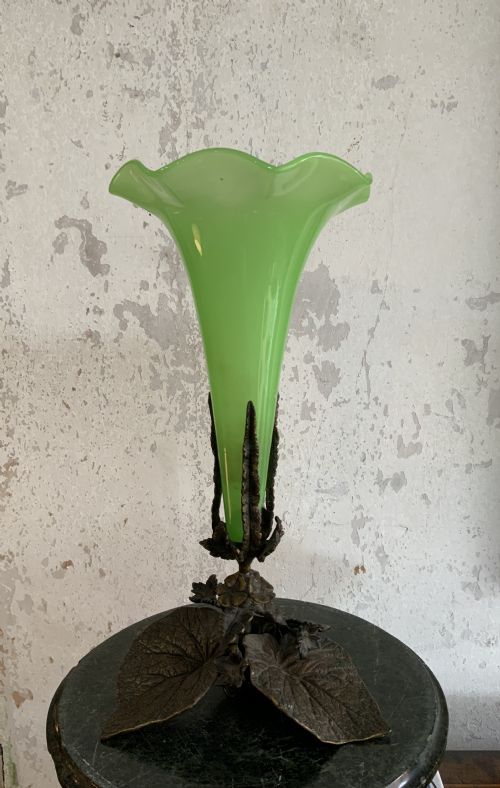
Glass production dominates the category, utilising hand-blowing techniques for vaseline, cranberry, opaline, and green glass variants, often enhanced with applied enamel or etched motifs. Supporting structures frequently employ cast brass, bronze, silver plate, or carved wood.
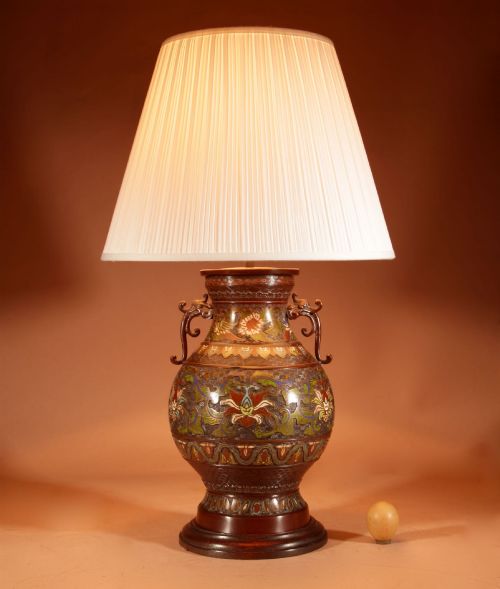
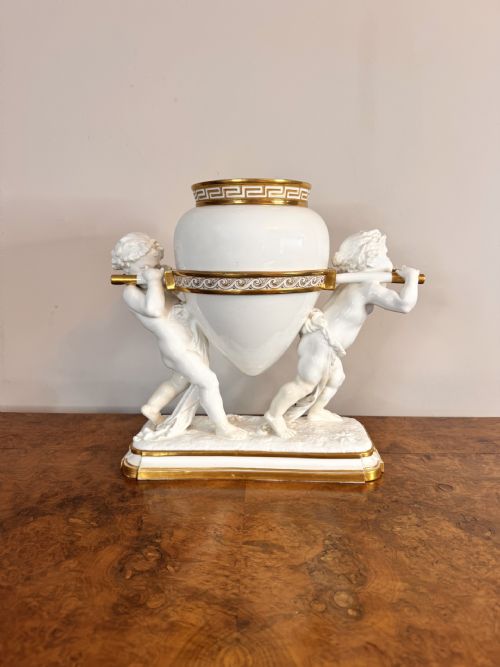
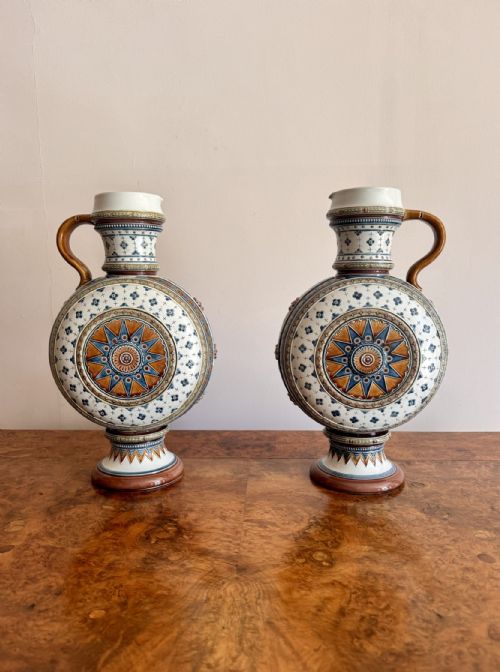
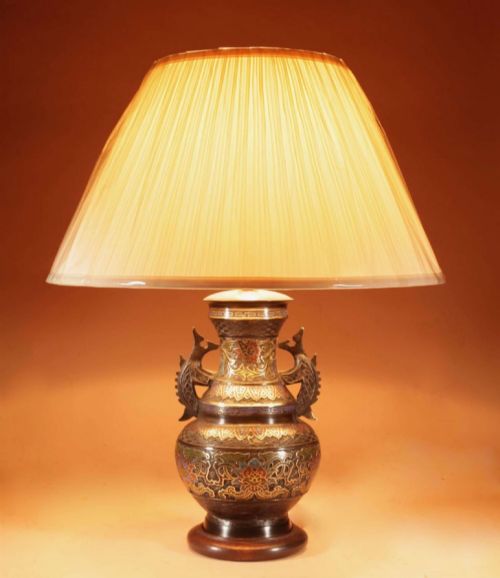
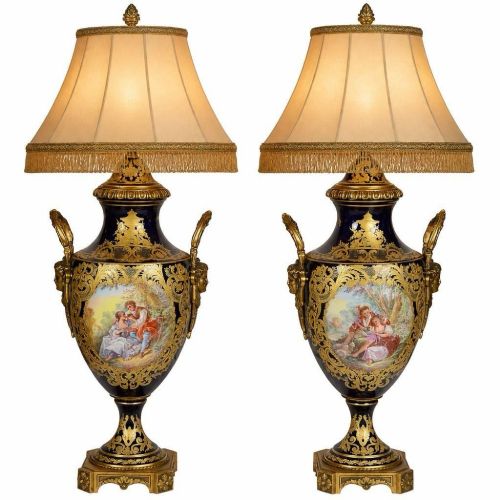
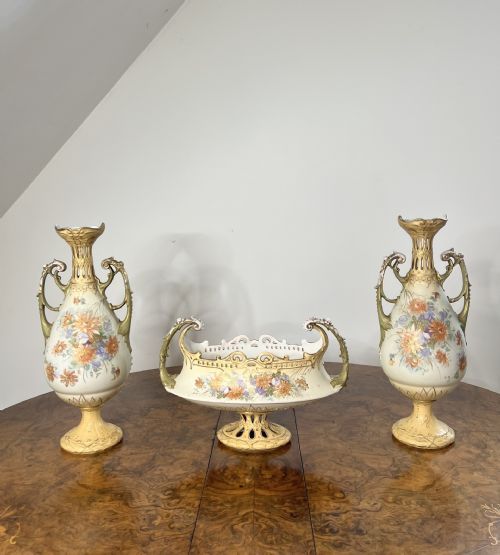
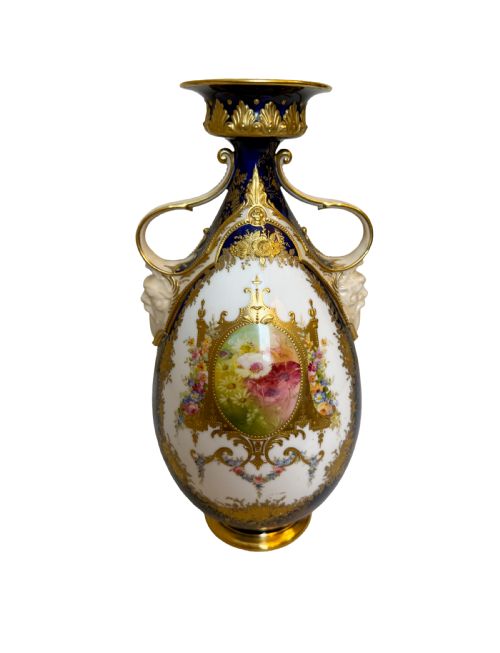
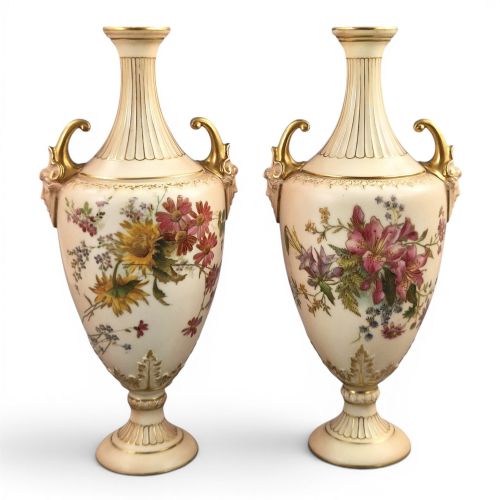
Ceramic pieces rely on hard-paste porcelain and bone china bodies decorated with hand-painted floral or figural scenes, occasionally complemented by champlevé enamel or gilt bronze mountings.
Victorian Table Vases Retail Price Guide 2026
Typical asking prices for victorian table vases among the pieces listed under this phrase on Sellingantiques today, from the lower quarter to the upper quarter. They describe what is for sale here now, not the wider market.
Listings feature nineteen-century production encompassing brass, porcelain, enamel, glass, silver plate, gold leaf, bronze, and fabric.
Assessing Quality and Execution
The standard of craftsmanship shows in the crispness of glass etching, the weight of the metal mounts, and the precision of hand-painted ceramic details. Superior examples display balanced proportions, intact original hardware, and refined surface patination.
Complexity of form also dictates distinction, separating simple single-stem vessels from multi-trumpet epergnes fitted with matching baskets or intricate crystal components.
Royal Worcester·Royal Doulton·Spode China·Walker & Hall·Josiah Williams & Co·Moser
The Victorian Table Vases Glossary
- Epergne
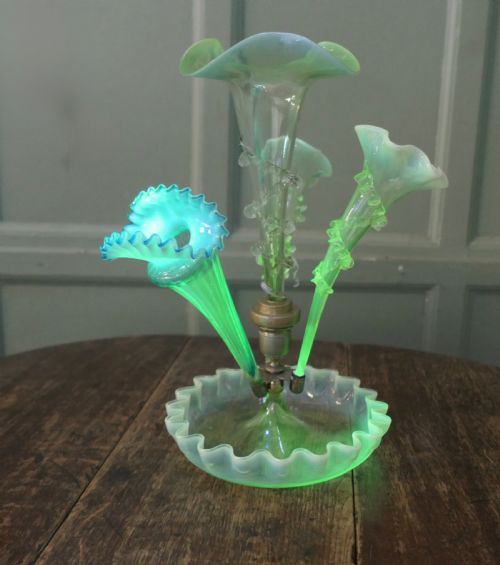
- A large table centrepiece featuring a central bowl with multiple detachable trumpet vases or arms for holding fruit and flowers. These multi-tiered glass and metal creations served as elaborate dining table focal points.
- Table Lustre
- A decorative ceramic or glass vase hung with crystal prisms that catch and reflect candlelight. They typically date from the nineteenth century and appear in pairs.
- Posy Vase
- A small vessel designed to hold a single small bunch of flowers rather than a large bouquet. Victorian examples often combine silver mounts with coloured glass liners.
- Champlevé
- An enamelling technique where troughs are dug into a metal surface and filled with vitreous enamel powder before firing. This method appears on bronze and brass decorative objects.
- Vaseline Glass
- A type of glass containing uranium dioxide that exhibits a distinctive yellow-green fluorescence under ultraviolet light. It gained immense popularity during the Victorian era.
Victorian Table Vases: Frequently Asked Questions
How do I clean glass table vases?
Glass vases from the nineteenth century require gentle hand washing using lukewarm water and mild soap. Avoid abrasive sponges that might scratch delicate enamelled or gilt surfaces.
Parts with silver mounts or metal bases should be kept dry during cleaning to protect the underlying material. Allow pieces to air dry completely on a soft cloth.
What is a table lustre?
A table lustre is an ornamental vase adorned with hanging cut-glass prisms designed to refract candle or gas light. They were placed on mantels and sideboards to enhance interior illumination.
Victorian lustres frequently appear in pairs and were manufactured in ruby glass, opaline, and green glass. The hanging prisms require careful handling during placement.
How do I identify Victorian period glass?
Victorian glass often displays characteristic hues such as cranberry, vaseline, and opaline, combined with hand-blown irregularities. Pontil marks on the underside indicate traditional hand-crafting methods.
Stylistic cues include etched floral motifs, applied glass trails, and combinations with brass or silver-plated frames. Comparing the weight and colour saturation helps confirm the period.