




Victorian Table Pitcher
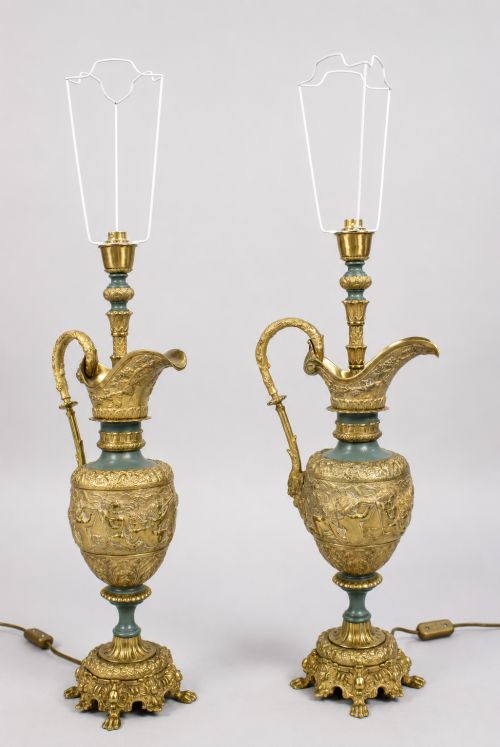
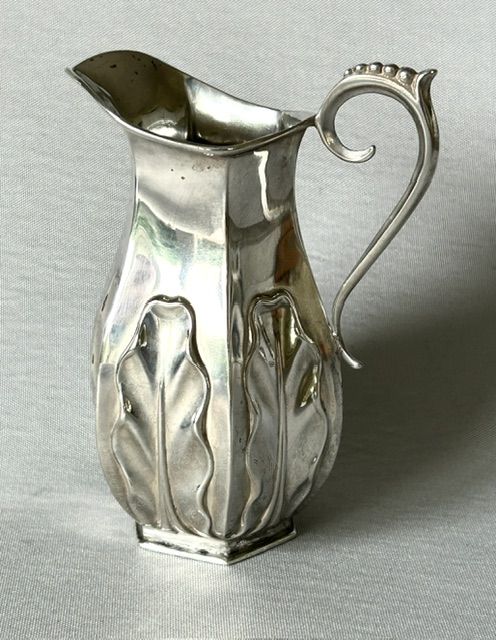
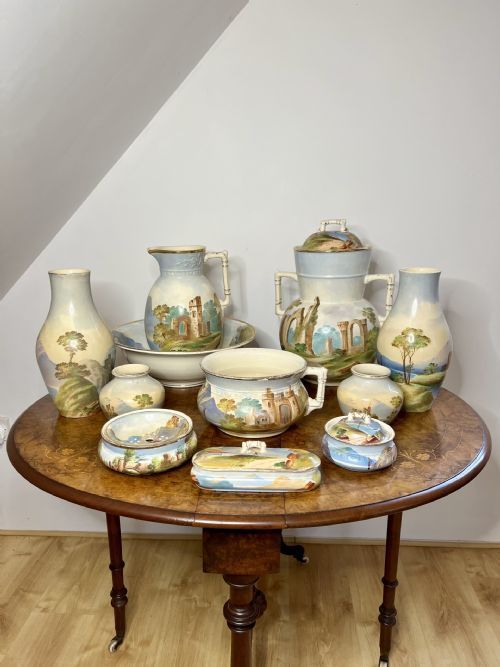
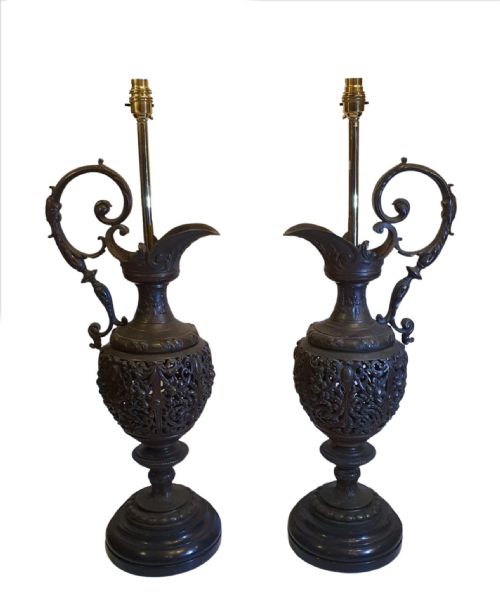
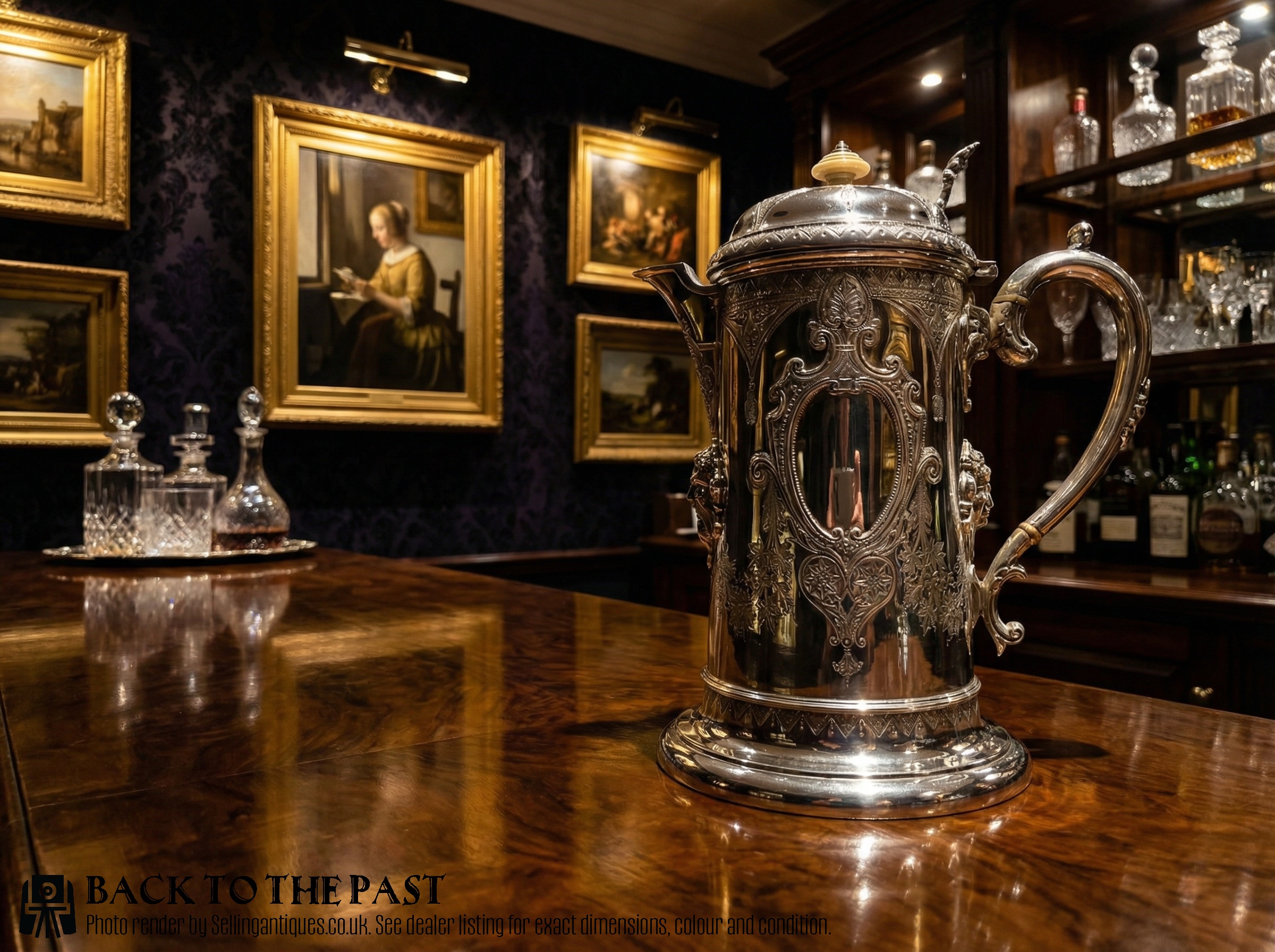
These Victorian table pitchers range from sterling silver milk vessels to converted bronze ewer lamps designed to command a sideboard.
Victorian Table Pitcher
A victorian table pitcher encompasses a varied group of vessels spanning jugs, ewers, and water containers intended for domestic service or dining display. The selection includes domestic cream jugs and milk jugs alongside large decorative ewers and table lamps.
Most examples originate from the nineteenth century and the Edwardian era, incorporating styles such as Rococo Revival, Neoclassical, and Arts and Crafts. Buyers encounter everything from overshot glass water jugs to sterling silver hot water pots and silver plated claret jugs.
Materials and Construction
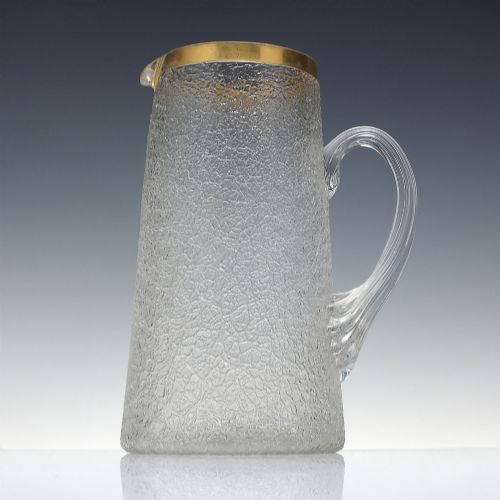
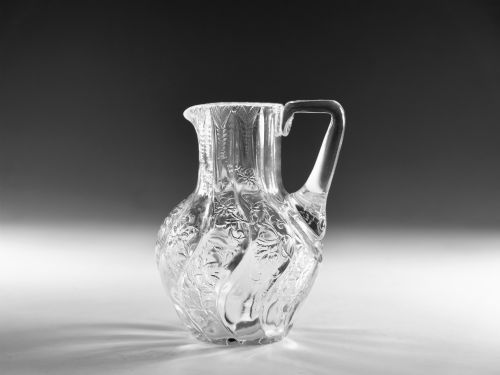
Metal vessels utilise sterling silver, silver plate, brass, bronze, and gilt metal, often shaped with applied handles or cast ornamentation. Glass pieces employ cut glass, overshot glass, amber glass, and cranberry glass, frequently finished with gilded rims.
Ceramic examples rely on earthenware and pottery bodies, sometimes paired with metal mounts or enamel decoration. Many ewer forms demonstrate skilled conversion into table lamps utilising period metalwork.
Listings feature items spanning the 1870s through the Edwardian period, incorporating materials from sterling silver and cut glass to bronze and earthenware.
Assessing Quality
Quality rests upon the crispness of casting detail in metal ewers and the weight of the sterling silver or silver plate employed. Glass vessels reveal their standard through the depth of the cut, the clarity of the metal, and the preservation of any gilding.
Design distinction elevates certain pieces, particularly those attributed to notable makers or exhibiting Arts and Crafts movement motifs. The integrity of the original form matters greatly, especially when evaluating lamp conversions.
Stevens & Williams·Padley Parkin & Staniforth·Minton·Coalport
The Victorian Table Pitcher Glossary
- Ewer
- A large jug with a wide spout and a curved handle, traditionally used for holding water. Many Victorian examples served purely decorative purposes or later found conversion into lighting.
- Claret jug
- A table pitcher designed specifically for serving red wine, typically combining a glass body with a silver or silver-plated mount, handle, and hinged lid.
- Overshot glass
- A technique where molten glass threads are trailed across the surface of a blown glass vessel to create a textured, icy finish. It adds tactile depth to Victorian water pitchers.
- Argyll
- A covered gravy warmer featuring an internal compartment for hot water to keep sauces warm at the table. This metalware form dates back through the nineteenth century.
- Sterling silver
- An alloy containing a high proportion of pure silver, hallmarked to guarantee its standard. It forms the material basis for many fine Victorian cream and milk jugs.
Victorian Table Pitcher: Frequently Asked Questions
What is a Victorian table pitcher used for?
These vessels served diverse roles ranging from pouring cream, milk, and water at the dining table to containing wine during formal meals. Others functioned as decorative ewers designed to sit on sideboards or wash stands.
Over time, many of the larger ewer forms underwent conversion into table lamps while retaining their classic sculptural silhouettes.
How do I identify silver period pieces?
Silver pitchers usually bear official hallmarks indicating the assay office, standard mark, and date letter corresponding to the year of manufacture. Examining these stamps helps place the piece within the Victorian or Edwardian eras.
Stylistic cues such as Rococo scrolls or Neoclassical symmetry also assist in dating the metalwork.
What glass types are common?
Common glass varieties include clear cut glass, textured overshot glass, and vibrant coloured glass such as amber and cranberry. These materials often feature applied gilding or silver-plated mounts.
Such decorative glass jugs highlight the diverse manufacturing techniques popular during the late nineteenth century.
Can converted lamps be restored?
Most lamp conversions involve drilling or fitting electrical hardware to the base or neck of the original ewer. Reversing these alterations depends entirely on the specific modifications made to the metal or ceramic body.
Many collectors choose to preserve the lamp wiring as part of the object's functional history.