





Victorian Style Windsor Chairs
Victorian style Windsor chairs bring enduring English country character into modern rooms through traditional timber construction and comfortable bowed backrests.
Victorian Style Windsor Chairs
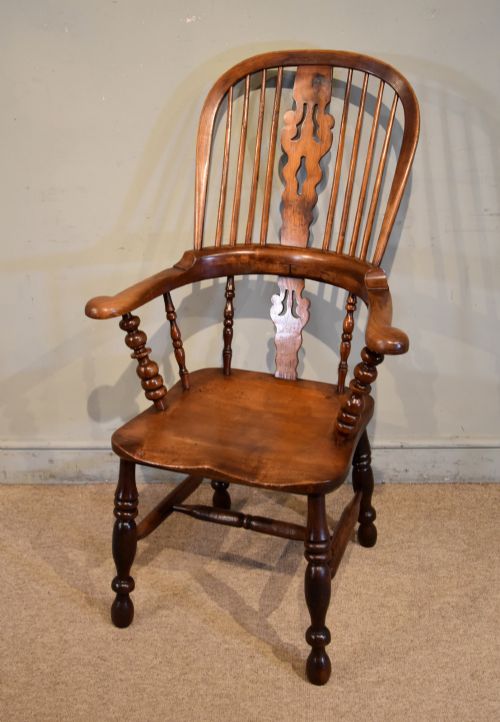
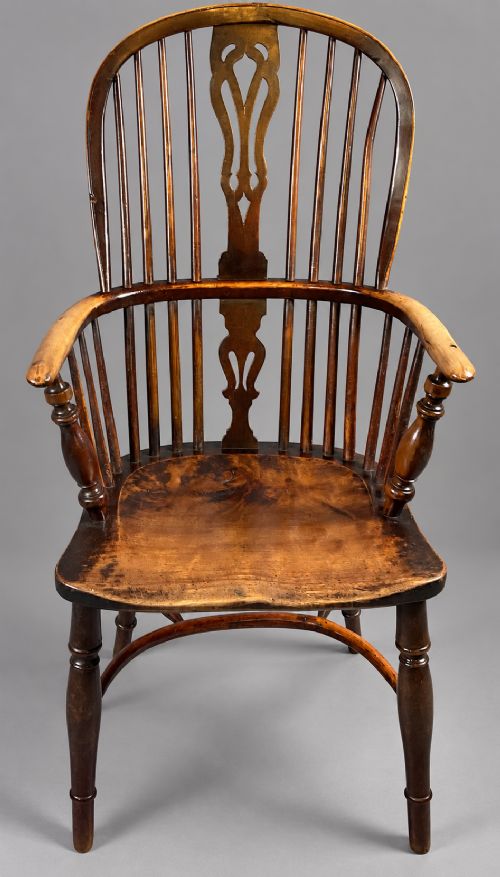
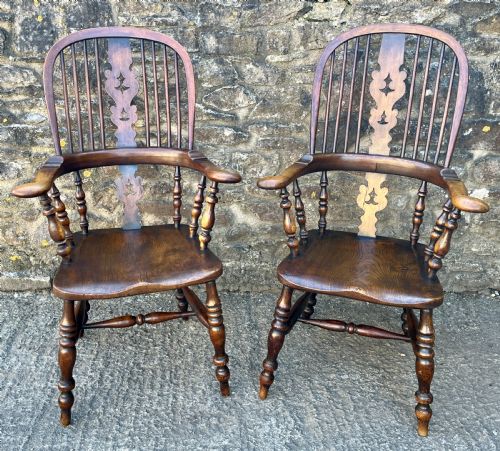
Victorian style Windsor chairs are traditional wooden seating forms rooted in English country vernacular design, combining sturdy spindle backs with shaped wooden seats. When you browse Victorian style Windsor chairs on this page, you encounter pieces originating primarily from the nineteenth century, including the Victorian era itself, alongside a few pieces drawing on Regency or earlier vernacular traditions.
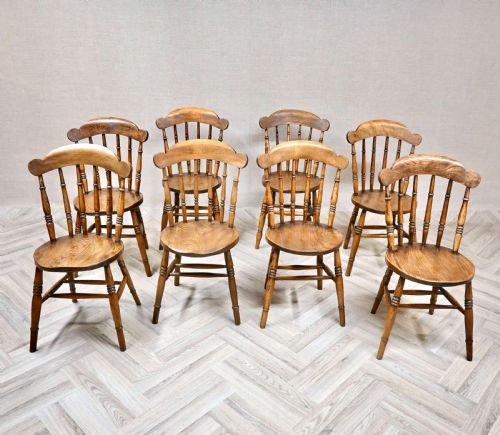
The selection on offer spans various seating forms designed for different domestic uses, from robust kitchen armchairs and dining sets to low-back styles and rocking chairs. You also find smaller child's chairs built with the same traditional methods as their full-sized counterparts, offering practical seating with historical charm.
How they were made
These chairs rely on a combination of native timbers, predominantly ash for the structural frames and spindles, paired with elm for the solid, shaped seats. Yew and beech also appear frequently in the construction, providing contrasting grain patterns and strong foundations for the turned components.
The construction method uses wedged tenons and stretcher joints to secure the legs and back spindles directly into the heavy wooden seat block. This traditional stick-back framework delivers remarkable structural resilience without relying on upholstered padding.
Victorian Style Windsor Chairs Retail Price Guide 2026
Typical asking prices for victorian style windsor chairs among the pieces listed under this phrase on Sellingantiques today, from the lower quarter to the upper quarter. They describe what is for sale here now, not the wider market.
Several miniature child's Windsor chairs survive, proving that nineteenth-century toddlers took their kitchen seating very seriously indeed.
What varies in quality
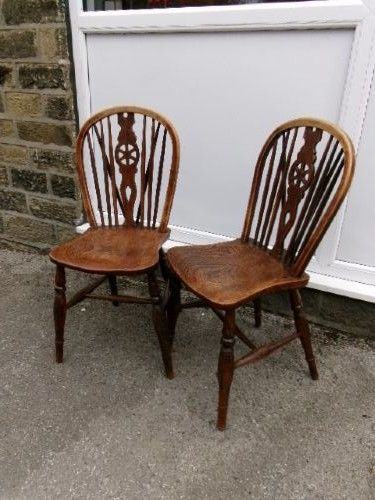
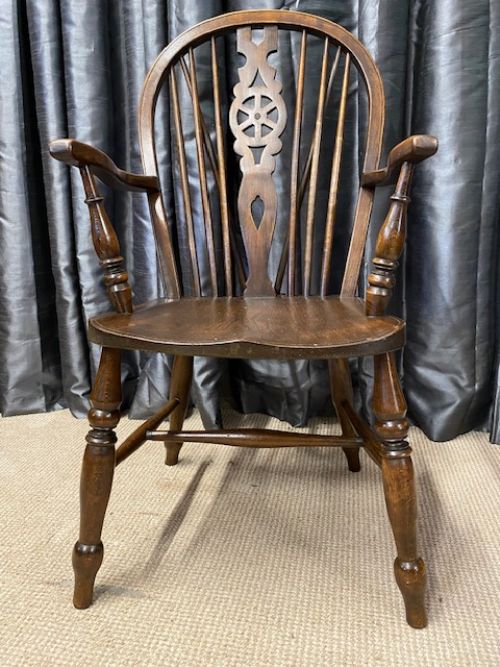
Quality in these chairs rests upon the selection of timber and the harmony of the turned elements, where richly figured elm seats and well-defined yew grain distinguish finer examples. The crispness of the spindle turnings and the balanced proportions of the comb backs or wheel backs separate ordinary kitchen utility seating from superior country pieces.
The integrity of the original joints and the preservation of the timber's natural surface patina determine the overall character. Chairs that retain their original structural tightness without excessive timber replacement demonstrate better craftsmanship.
The Victorian Style Windsor Chairs Glossary
- Windsor chair
- A wooden chair built with a heavy solid seat into which the legs and back spindles are separately tenoned. This construction method creates a durable seating form typical of English country workshops.
- Comb back
- A Windsor chair variation where the top rail resembles the teeth of a comb, extending the vertical spindles upwards. It provides a distinctive silhouette often found on country dining chairs.
- Wheelback
- A Windsor chair back featuring a pierced wooden splat shaped like a cartwheel. This decorative motif became popular during the nineteenth century in kitchen and dining environments.
- Spindle back
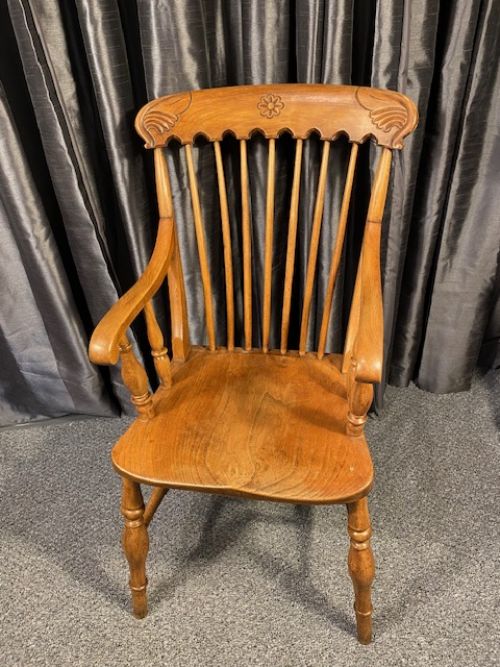
- A chair back constructed from multiple slender, turned wooden rods arranged vertically. These components support the backrest while keeping the frame visually light.
- Low-back
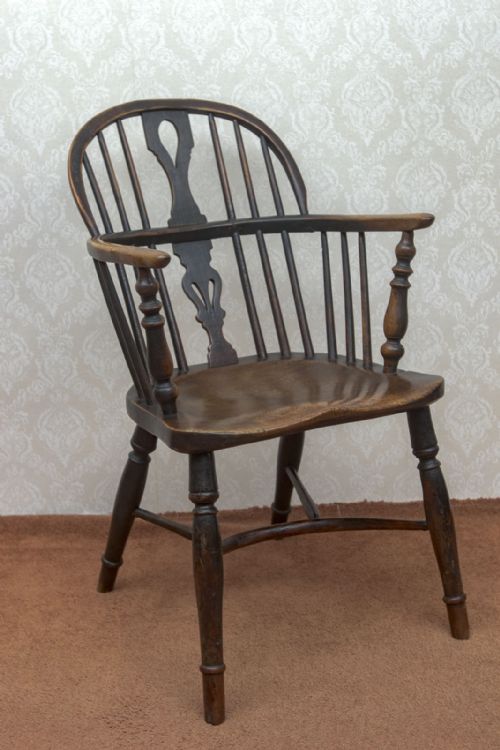
- A compact Windsor chair variant where the arms and backrest form a single continuous low rail wrapping around the sitter. This style offers a distinctively low profile compared to high comb-back versions.
Victorian Style Windsor Chairs: Frequently Asked Questions
What is a Windsor chair?
A Windsor chair is a traditional wooden seat featuring a solid carved wooden base where the legs and back spindles are driven directly into bored holes.
This construction method produces a sturdy piece of furniture designed for everyday domestic use in kitchens and parlours.
How do I date a Windsor chair?
Dating relies on observing timber choices, turning styles, and construction wear patterns typical of nineteenth-century rural workshops.
Examining the underside of the elm seat and the attachment methods of the legs often reveals clues about the period of manufacture.
Were these chairs used for dining?
Many nineteenth-century examples served around farmhouse and kitchen tables as robust dining seating.
Sets of matching kitchen chairs provide practical daily seating while introducing distinct historical character to a modern dining space.
How do I care for antique wood?
Maintaining these wooden pieces involves keeping them away from direct heat sources and sudden humidity changes to prevent timber splitting.
Applying a traditional beeswax polish occasionally helps preserve the natural surface sheen and nourishes the aged elm and ash.