

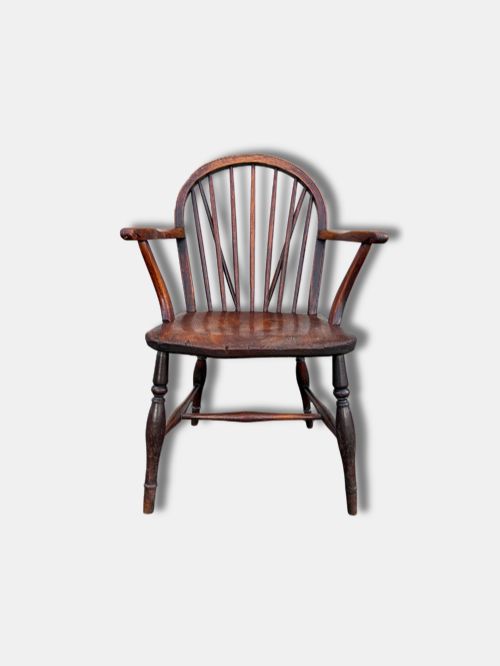
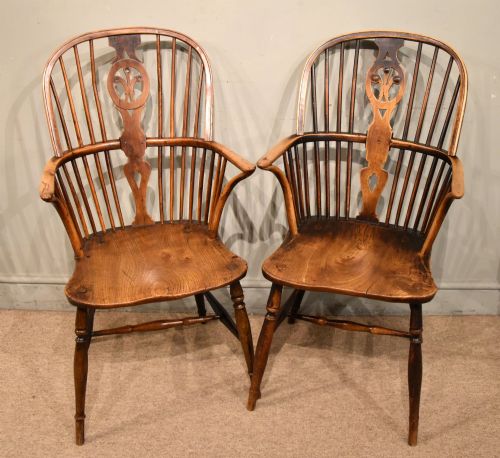
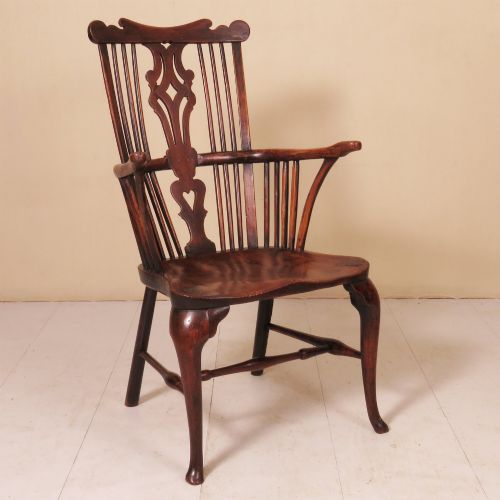
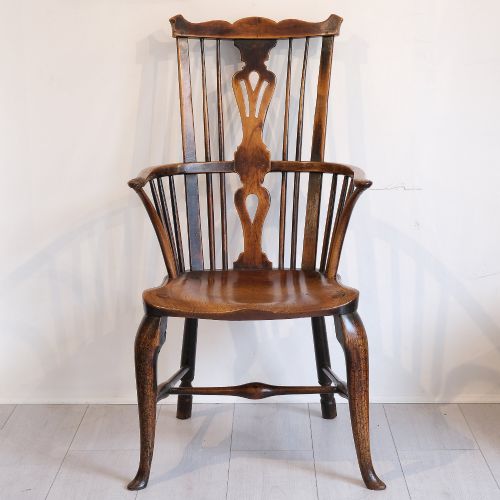




Traditional Comb Back Seating
Traditional comb back seating offers sturdy vernacular chairs built from ash, elm, and fruitwood to anchor rustic country interiors.
Traditional Comb Back Seating
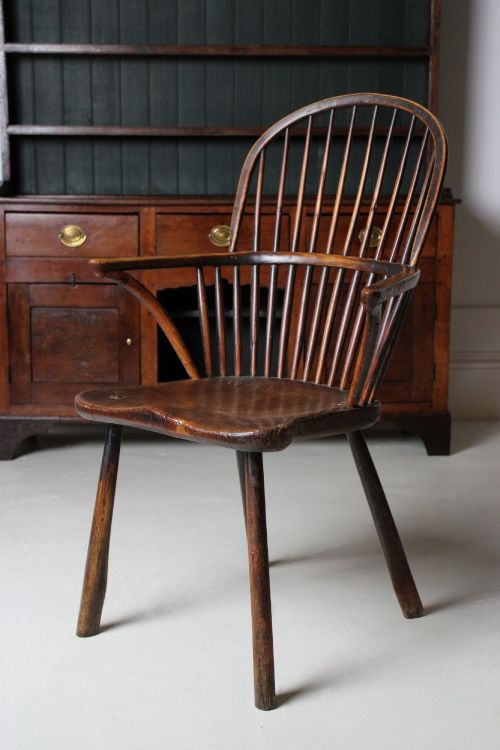
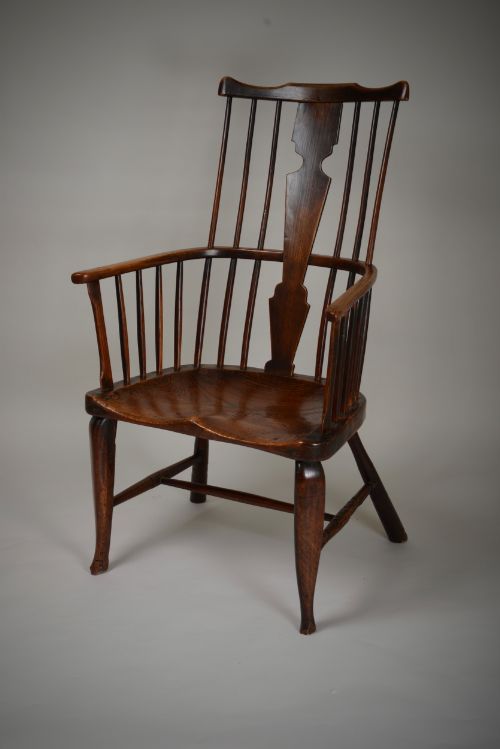
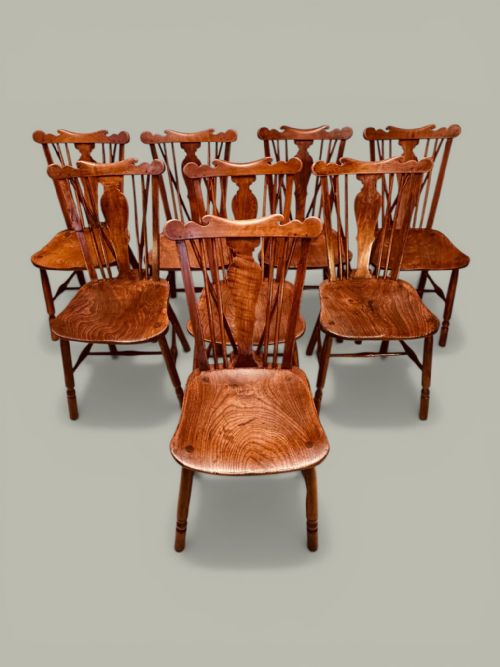
Traditional comb back seating encompasses sturdy vernacular armchairs and dining chairs originating from country workshops during the eighteenth and nineteenth centuries. These pieces typically feature distinct comb-shaped crest rails supported by multiple spindle uprights fitted directly into solid timber seats.
Buyers searching for traditional comb back seating will encounter pieces spanning Georgian, Regency, and Victorian periods, with English and Welsh regional variations predominating. Armchairs and chair sets appear most frequently, constructed in woods like ash, elm, fruitwood, and yew.
Materials and construction
Maker construction relies on mixing native timbers, frequently pairing rigid ash or fruitwood for spindles and legs with sculpted elm or yew for the seats. This traditional combination provides structural resilience for daily domestic use.
Woodturners shaped individual components on lathes before assembling the frames using pegged joints and wedged mortise and tenon techniques. Seats were deeply adzed from solid blocks to form comfortable saddles.
Traditional Comb Back Seating Retail Price Guide 2026
Typical asking prices for traditional comb back seating among the pieces listed under this phrase on Sellingantiques today, from the lower quarter to the upper quarter. They describe what is for sale here now, not the wider market.
Listings feature traditional comb back seating spanning the eighteenth century, Regency era, and Victorian period, constructed in elm, ash, and fruitwood.
Factors of quality
Quality separates through the natural figuring of the timber and the depth of the sculpted seat adzing. Superior examples display carefully selected grain patterns and balanced proportions across the crest and spindles.
Integrity of the original wedged joints and the preservation of authentic surface patination distinguish finer survivals. Better pieces retain their original timber components without heavy structural replacement.
The Traditional Comb Back Seating Glossary
- Comb back
- A Windsor chair variation where the vertical spindles extend upward through a horizontal top rail, resembling the teeth of a comb. This design provides robust upper back support.
- Vernacular
- Objects built by regional craftsmen following local traditions rather than strict London design patterns. These pieces prioritise functional utility using accessible local materials.
- Adzed
- Timber shaped and hollowed using a traditional cutting tool with an arched blade. This technique creates the characteristic scooped contour found on solid wooden seats.
- Spindle
- A slender, turned wooden rod used vertically to form the backrest of the chair. Spindles distribute back pressure evenly across the frame.
Traditional Comb Back Seating: Frequently Asked Questions
How do I identify a comb back chair?
Look for a distinct horizontal top rail pierced by vertical spindles that continue up from the seat. The crest rail often resembles a small wooden comb structure.
These pieces typically appear as armchairs or side chairs within country furniture categories from the eighteenth and nineteenth centuries.
What woods were used for these chairs?
Makers utilised native British hardwoods, frequently combining multiple species within a single piece. Elm and yew provided strong, stable seats.
Ash and fruitwood supplied tough, flexible timber for the turned legs, arms, and slender back spindles.
Are these chairs comfortable for dining?
Solid wooden seats feature deep ergonomic adzing shaped to fit the body. The raked spindles offer supportive backrests for extended sitting.
Adding loose squab cushions provides extra padding while keeping the timber frames visible.
How do I date an old comb back?
Dating relies on examining tool marks, timber shrinkage, and structural wear patterns. Georgian examples show different lathe-turning profiles compared to Victorian pieces.
Regional construction traits also help narrow down the period and workshop origin.